Professional Musical Instruments Explained: Types, Skill Levels, and Buying Criteria
Professional musical instruments sit at the point where craftsmanship, performance, and commercial value meet. They are designed for reliable tuning, refined response, and long-term use, but the right choice depends on context as much as cost. In performance venues, education spaces, hospitality projects, and specialist retail, instrument decisions affect user experience, maintenance planning, and brand perception. That is why professional musical instruments deserve careful evaluation beyond logo recognition or a premium price tag.
Why the category matters now
Interest in live experiences has changed the role of musical equipment. Hotels add curated lounge performances, campuses build better music facilities, and entertainment venues look for dependable stage-ready setups.
At the same time, buyers are comparing not only sound quality, but also certification, repair support, finish consistency, and logistics stability. That broader view fits the way Global Commercial Trade approaches sourcing intelligence across commercial experience sectors.
From a market perspective, professional musical instruments are no longer relevant only to touring artists. They also matter to project developers, institutional planners, and commercial operators building spaces where music shapes atmosphere and perceived quality.
What makes an instrument professional
The term does not simply mean expensive. It usually refers to an instrument built with tighter tolerances, better material selection, improved tonal control, and stronger durability under repeated use.
Professional musical instruments also tend to offer greater consistency between units. That matters in schools, studios, rental fleets, and hospitality environments where performance standards must be predictable.
Another difference is serviceability. Replaceable parts, adjustable hardware, documented specifications, and stable aftermarket support often separate professional models from entry-level alternatives.
Core traits usually expected
- Accurate intonation and dependable tuning stability
- Responsive dynamics across soft and loud passages
- Stronger hardware, joints, finishes, and internal construction
- Compatibility with stage, studio, or institutional use
- Access to parts, maintenance, and technical documentation
Main types of professional musical instruments
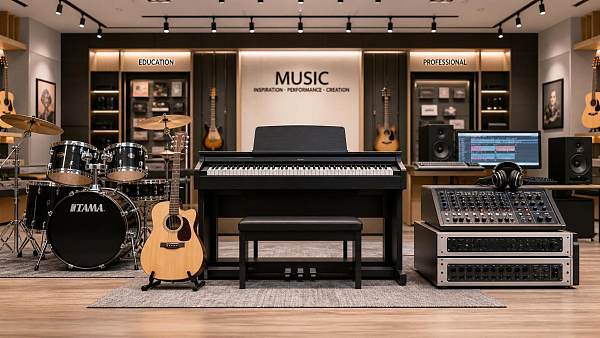
The category covers far more than orchestral pieces. In practical sourcing, instruments are often assessed by family, playing environment, and maintenance complexity.
String instruments
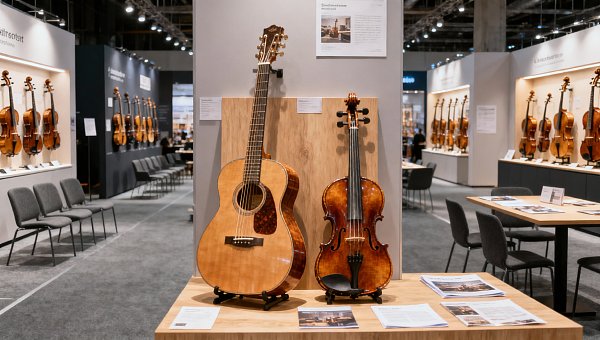
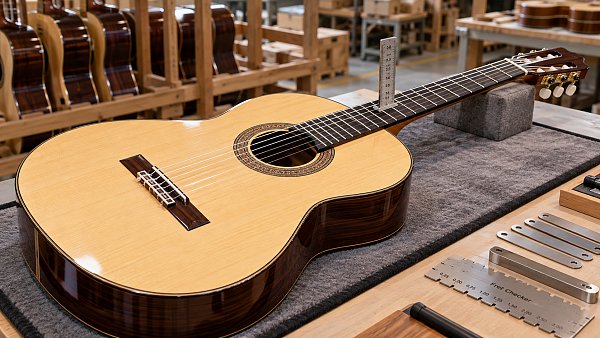
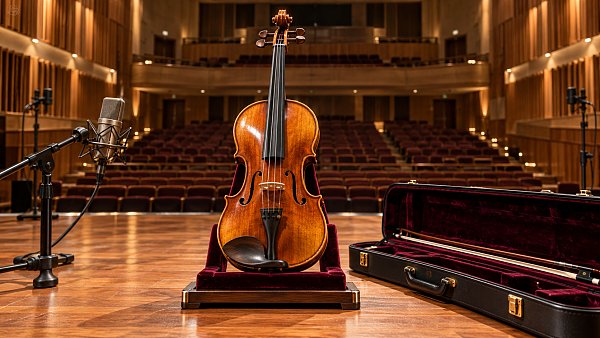
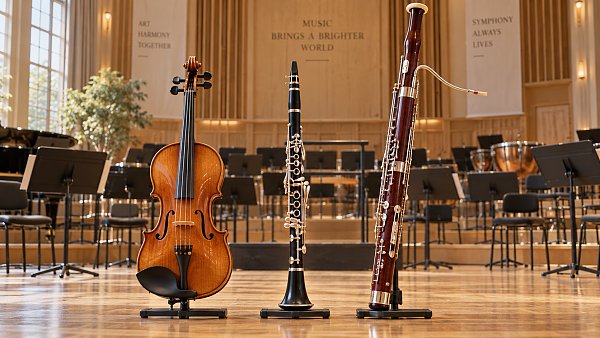
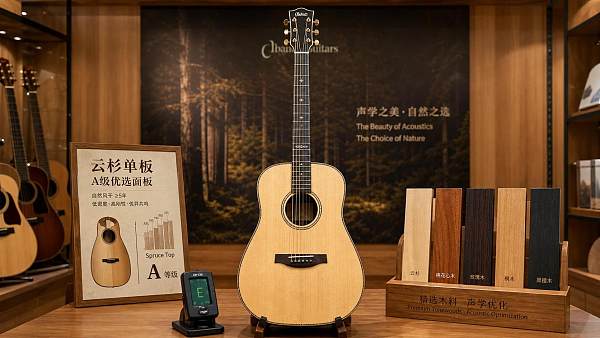
This group includes violins, violas, cellos, double basses, acoustic guitars, classical guitars, and professional electric guitars. Attention usually goes to wood quality, resonance, neck stability, and hardware precision.
For commercial spaces, finish durability and humidity response can be as important as tone. Instruments used near coastal resorts or variable climate interiors need extra scrutiny.
Keyboard instruments
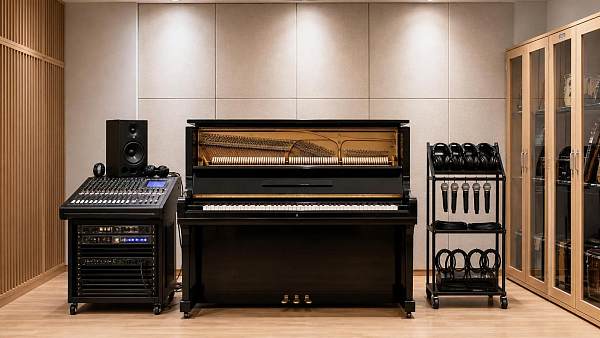
Grand pianos, upright pianos, digital stage pianos, and professional synthesizers fall here. Acoustic models demand strong action regulation and stable tuning structure. Digital models depend on key feel, sound engine realism, and output flexibility.
In hotels and event spaces, keyboard choices often balance prestige with maintenance realities. A polished grand piano may anchor a luxury setting, while a stage piano offers easier transport and lower upkeep.
Wind and brass instruments
Flutes, clarinets, saxophones, trumpets, trombones, and French horns require close review of keywork, valve action, pad quality, sealing, and ergonomic comfort.
For teaching institutions, consistency across multiple units matters greatly. For performance venues, projection, tonal balance, and response under demanding repertoire become more important.
Percussion and rhythm instruments
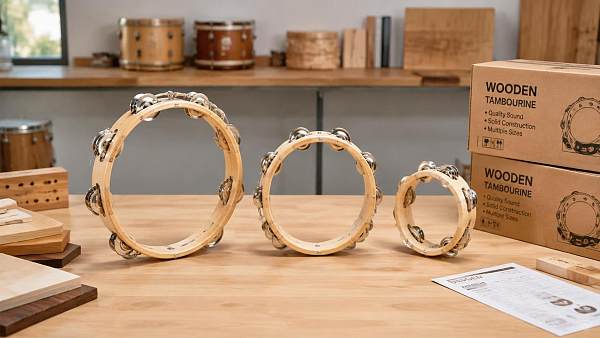
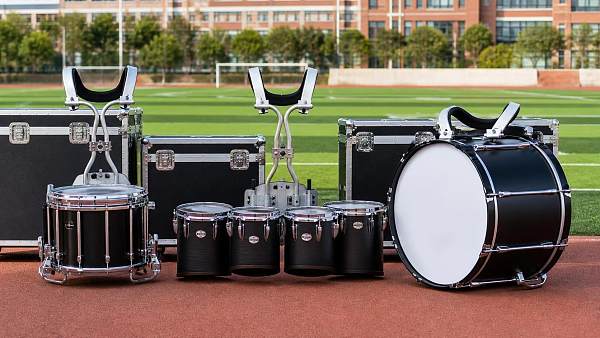
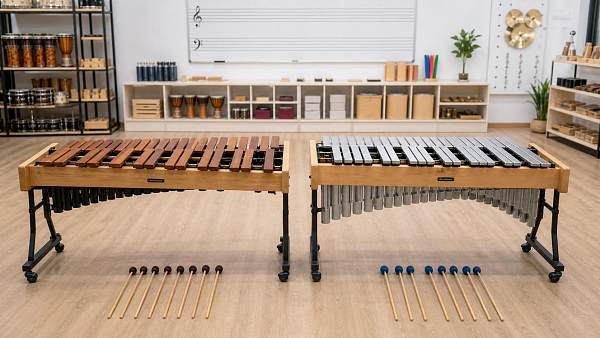
Drum kits, timpani, marimbas, cymbals, cajons, and orchestral percussion are judged by shell construction, tuning reliability, mounting hardware, and wear resistance.
These are often exposed to heavy use. In shared spaces, the practical life cycle of heads, sticks, felt, and metal components should be part of the buying decision.
Matching instruments to skill levels
Not every advanced instrument suits every player. A useful distinction is whether the instrument supports development, high-level performance, or both.
Intermediate users often benefit from instruments that are forgiving, stable, and easy to maintain. Fully professional models may reveal technique in greater detail, which is helpful for some settings and unnecessary in others.
That is especially relevant in institutional environments. A conservatory practice room, a hotel lobby, and a touring production do not need the same specification level, even if all are considering professional musical instruments.
Buying criteria that matter in real decisions
Sound is central, but it should not be the only filter. In real procurement, performance quality must be balanced with risk, lifespan, and support structure.
Material and build quality
Solid woods, stable alloys, high-grade felts, reliable electronics, and precise assembly generally indicate stronger long-term value. Cosmetic finish should also be checked for consistency and repair tolerance.
Playability and response
A professional instrument should respond predictably. Action weight, key travel, neck profile, valve speed, and dynamic range all affect whether the instrument supports expressive control.
Durability under actual use
A showroom sample can perform well for ten minutes. The better question is how it behaves after transport, repeated setup, student rotation, or frequent climate changes.
Compliance and supply chain confidence
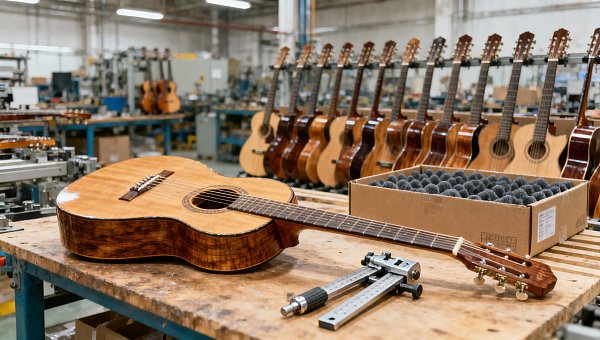
For international sourcing, documentation matters. Depending on the product, that may include timber legality records, electrical compliance, finish safety information, packaging standards, and factory quality controls.
This is where a data-backed sourcing perspective becomes useful. GCT’s editorial focus on E-E-A-T aligns with the need to assess both product quality and supplier credibility.
After-sales support
Professional musical instruments should come with a realistic service path. Spare parts, repair turnaround, tuning support, and warranty clarity often determine whether a good purchase remains a good asset.
Where these instruments create business value
In hospitality, a high-quality piano or curated instrument set can elevate guest perception without overt branding. The instrument becomes part of the interior experience and acoustic identity.
In educational projects, better instruments support skill development and reduce frustration caused by poor tuning or uneven response. That improves usability as much as prestige.
In leisure and entertainment venues, dependable professional musical instruments reduce performance disruption. Reliability matters because downtime affects programming, staffing, and customer satisfaction.
Retail display value also matters. Premium materials, refined finishes, and reputable manufacturing standards can influence perceived trust long before a note is played.
Common mistakes during evaluation
- Confusing a famous brand with the best fit for the intended space
- Choosing top-tier specifications for users who need durability more than nuance
- Ignoring climate, storage, and transport conditions
- Overlooking maintenance cost across several years
- Failing to verify supplier documentation and replacement part access
Usually, the strongest decision comes from evaluating the instrument as part of an operating environment, not as an isolated object.
A practical way to move forward
Start by defining the real setting: performance, education, display, hospitality, or mixed use. Then compare professional musical instruments through four lenses: sound, durability, serviceability, and sourcing transparency.
It also helps to separate essential requirements from prestige preferences. That keeps attention on the features that will matter after installation, delivery, and repeated use.
For anyone assessing options in a global market, the next sensible step is to build a short evaluation sheet, request documented specifications, and compare suppliers with the same criteria. That approach turns professional musical instruments from an emotional purchase into a confident, informed decision.
Search News
Hot Articles
- Musical InstrumentsMusic China 2026 Opens Tomorrow, With 800-Plus Events Connecting TradeOct 28, 2026
- Outdoor RidesChoosing an Electric Trackless Train Supplier: Safety, Warranty, and Spare PartsOct 28, 2026
- Fashion & Gem JewelryLuxury Retail Merchandising: What Sets It Apart From Mass-Market Retail?Oct 27, 2026
Popular Tags
Need ExpertConsultation?
Connect with our specialized leisureengineering team for procurementstrategies.
Recommended News
 Oct 28, 2026Music China 2026 Opens Tomorrow, With 800-Plus Events Connecting TradeMusic China 2026 runs October 28–31 in Shanghai with 800-plus events. Explore industry forums, business matchmaking and sourcing insights for musical instrument buyers and suppliers.● Pro Audio Engineer
 Oct 20, 2026Choosing a Classical Guitar Manufacturer in China: Quality Checks Before OrderingSearching for “classical guitars manufacturer China”? Discover essential checks for materials, playability, and factory quality control to reduce costly returns and order with confidence.● Pro Audio Engineer
 Oct 17, 2026Professional String Instruments: How to Evaluate Tone, Response, and ProjectionCompare professional string instruments with expert tips on tone, response, and projection. Learn practical tests to choose the right instrument for your performance needs.● Pro Audio Engineer
 Oct 21, 2026How Do You Assess a Musical Instrument Manufacturer’s Export Capability?Learn how to assess a musical instrument manufacturer export capability. Discover six key checks for quality, compliance, shipping, and support to reduce risks and source confidently.● Pro Audio Engineer
 Oct 15, 2026How Do You Choose Music Education Equipment for a New Campus?Learn how to choose music education equipment for a new campus with practical tips on curriculum fit, acoustics, suppliers, and ownership costs. Equip classrooms confidently and avoid costly mistakes.● Pro Audio Engineer
 Oct 10, 2026A Practical Guide to Identifying Wooden Orchestral Instruments by Family and ToneWooden orchestral instruments made simple: identify strings, flutes, clarinets, oboes, and bassoons by sound source, design, and tone.● Pro Audio Engineer
 Sep 11, 2026How to Choose Touring Instrument Cases for Flights, Trucks, and Daily Load-InsInstrument cases for touring: learn how to balance flight protection, truck durability, weight, fit, and serviceable hardware for safer, faster load-ins.● Pro Audio Engineer
 Sep 07, 2026How to Choose Wood Frame Tambourines for Sound Quality and Long-Term UseWood frame tambourines: learn how to compare frame construction, jingle tone, head options, durability, and supplier quality for reliable long-term performance.● Pro Audio Engineer
 Sep 05, 2026How Often Should Music Education Equipment Be Serviced?How often should music education equipment be serviced? Explore practical schedules, maintenance tips, and lifecycle planning to keep instruments and audio systems reliable.● Pro Audio Engineer
 Aug 21, 2026How to Choose Marching Band Drums for Sound Projection, Weight, and DurabilityMarching band drums buying guide: learn how to balance sound projection, weight, and durability for better field performance, easier carrying, and longer-lasting value.● Pro Audio Engineer
 Aug 09, 2026How to Evaluate a MIDI Cable Manufacturer for Audio Quality and OEM ReliabilityMIDI cable manufacturer evaluation guide: learn how to assess signal stability, connector quality, OEM process control, and batch consistency to reduce failures and source with confidence.● Pro Audio Engineer
 Aug 08, 2026How to Evaluate a Trumpets OEM Manufacturer for Quality, MOQ, and Custom DesignTrumpets OEM manufacturer selection starts with quality, MOQ, and custom design control. Learn how to compare suppliers, reduce sourcing risk, and choose a reliable long-term factory partner.● Pro Audio Engineer
 Jul 27, 2026How to Source Conga Drums in Bulk for Schools, Bands, and Event ProgramsConga drums bulk sourcing for schools, bands, and event programs made easier. Learn how to compare quality, durability, compliance, and total cost before you place a large order.● Pro Audio Engineer
 Jul 24, 2026How to Choose Low Dust Violin Rosin for Cleaner Practice and Better Bow ControlLow dust violin rosin buying guide: learn how to compare formula, climate fit, grip, and string compatibility for cleaner practice, better bow control, and smarter purchase decisions.● Pro Audio Engineer
 Jul 15, 2026Plastic Tambourines Bulk Buying Guide: Sizes, Materials, and MOQ QuestionsPlastic tambourines bulk buying guide covering sizes, ABS vs PP materials, sound consistency, customization, and MOQ questions to help buyers cut risk and choose the right supplier.● Pro Audio Engineer
 Jul 13, 2026Acoustic Guitars Wholesale China: How to Evaluate Build Quality and OEM OptionsAcoustic guitars wholesale China guide: learn how to assess build quality, factory consistency, and OEM options to choose reliable suppliers and reduce sourcing risk.● Pro Audio Engineer
 Jul 12, 2026Mini Effect Pedals Wholesale: MOQ, OEM Options, Testing, and Supplier ComparisonMini effect pedals wholesale guide covering MOQ, OEM options, testing standards, and supplier comparison to help buyers reduce risk, improve margins, and choose reliable partners.● Pro Audio Engineer
 Jul 11, 2026DJ Turntables OEM Guide: Key Torque, Drive, and Build Specs to CompareDJ turntables OEM guide covering torque, drive type, speed stability, platter build, and manufacturing consistency. Compare the specs that impact performance, reliability, and sourcing confidence.● Pro Audio Engineer
 Jul 08, 2026Guitar Capos Wholesale: What Materials, Clamp Types, and MOQ Terms Should You Compare?Guitar capos wholesale buying starts with more than price. Compare materials, clamp types, quality checks, and MOQ terms to reduce returns, protect margins, and choose a supplier with confidence.● Pro Audio Engineer
 Jul 07, 2026Birch Drum Kits Manufacturer Comparison: Shell Construction, Hardware Quality, and OEM OptionsBirch drum kits manufacturer comparison covering shell construction, hardware quality, and OEM options to help buyers reduce sourcing risk and choose reliable suppliers.● Pro Audio Engineer
 Jul 06, 2026Spruce Top Acoustic Guitars Explained: Tone, Wood Grades, and Who They Suit BestSpruce top acoustic guitars explained: compare tone, wood grades, and build quality to find the best fit for players, retailers, and commercial buyers.● Pro Audio Engineer
 Jun 30, 2026Xylophones and Glockenspiels: Key Differences in Range, Tone, and Classroom UseXylophones and glockenspiels compared: discover key differences in range, tone, durability, and classroom use to choose the right instrument for teaching, buying, or school programs.● Pro Audio Engineer
 Jun 25, 2026Musical Instrument Industry Report: Key Market Segments, Demand Drivers, and Price TrendsMusical instrument industry report covering key market segments, demand drivers, and price trends. Explore sourcing risks, premium growth, and where buyer demand is shifting next.● Pro Audio Engineer
 Jun 23, 2026Metronomes and Tuners Explained: Types, Key Features, and Who Needs BothMetronomes and tuners explained: compare types, key features, and who needs both. Learn how to choose the right tool for better timing, pitch, and practical daily use.● Pro Audio Engineer