Trampoline Park Cost Breakdown: Equipment, Installation, Rent, Staffing, and Maintenance
Why does trampoline park cost vary so much from one project to another?
Trampoline park cost is never a single number. It changes with size, layout, local codes, equipment scope, and the revenue model behind the venue.
A compact family park and a destination indoor attraction may both use trampolines, yet their budgets move in very different directions.
In practical terms, the biggest cost drivers usually include custom equipment, structural preparation, installation complexity, rent, staffing, and maintenance reserves.
That is why early planning matters. A low purchase quote can still become an expensive project if flooring, fire compliance, or staffing ratios were underestimated.
For experience-led commercial spaces, the budget also has to support branding, guest flow, durability, and safety documentation, not just basic play capacity.
This is where market intelligence becomes useful. Platforms such as Global Commercial Trade often frame sourcing decisions around lifecycle value rather than headline price alone.
How much should be allocated to equipment in a realistic trampoline park cost plan?
Equipment is usually the largest visible line item. For many projects, it shapes both the opening budget and the long-term maintenance profile.
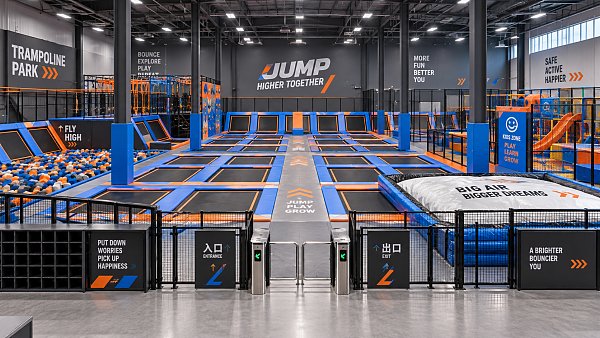
A basic setup may include main jump zones, foam pits, dodgeball courts, safety padding, netting, access stairs, and branded soft play features.
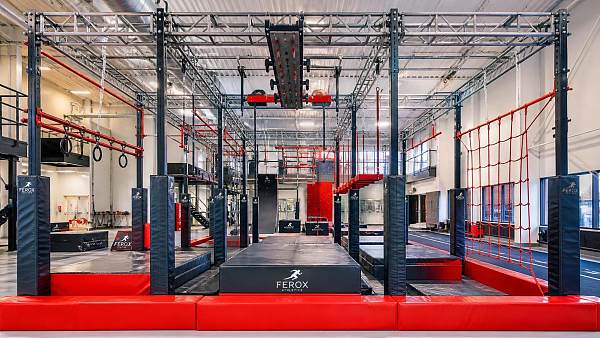
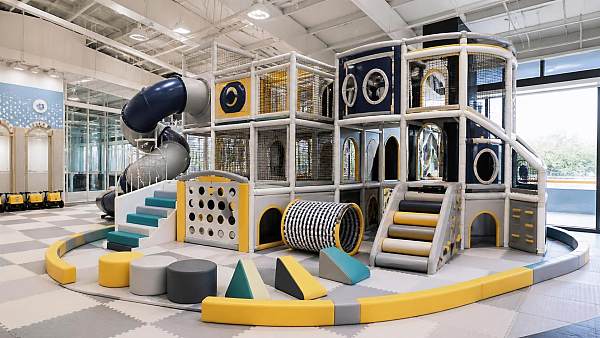
A more advanced venue often adds ninja courses, climbing walls, interactive games, toddler zones, party rooms, and digital access control.
That expansion changes the trampoline park cost quickly because each feature needs engineering, anchoring, spacing, and compliance review.
Imported equipment may appear cheaper at first. However, shipping, duties, certification gaps, spare parts lead times, and rework can erase the savings.
A better question is not only, “What does the equipment cost?” It is also, “What operating burden does this equipment create over five years?”
If the park aims for premium positioning, spending more on resilient materials and stronger technical support is often easier to justify than chasing the lowest quote.
Where do installation and site-preparation costs usually surprise investors?
This is where many budgets slip. Equipment pricing is visible, while site readiness costs stay hidden until drawings, inspections, and contractor bids come in.
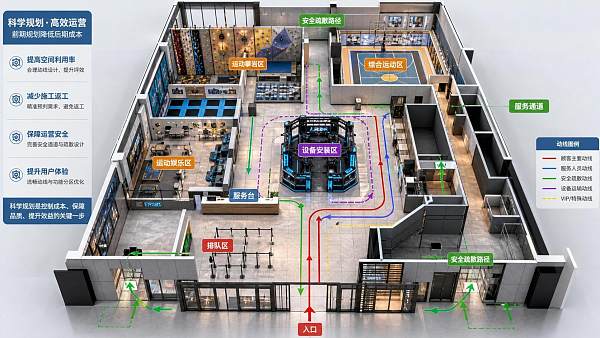
Floor leveling, concrete reinforcement, ceiling clearances, HVAC upgrades, lighting repositioning, and electrical routing can all reshape trampoline park cost.
In older buildings, landlords may offer attractive rent, but the shell condition adds expensive adaptation work.
Installation itself is not just assembly labor. It may include unloading, staging, lift equipment, specialist supervisors, safety testing, and local sign-off.
More customized layouts also increase risk. A design that looks efficient on paper may require difficult sequencing once real columns, ducts, and exits are involved.
- Check whether the quoted price includes engineering drawings and code adaptation.
- Confirm who handles permits, inspections, and final commissioning records.
- Ask if travel, lodging, and overtime for installation crews are excluded.
- Review the handover timeline against lease commencement dates.
A useful rule is to treat installation and site preparation as a strategic package, not a side note under construction.
Is rent the real pressure point in trampoline park cost?
Often, yes. Rent can become the most persistent pressure because it continues whether attendance is strong, seasonal, or temporarily soft.
A prime urban site may deliver visibility and walk-in traffic. It also demands higher monthly occupancy costs and usually stricter fit-out obligations.
A suburban warehouse site can lower rent per square foot, yet marketing spend and destination appeal may need to rise.
The smarter comparison is revenue productivity per usable square foot, not rent alone.
It also helps to separate gross area from monetizable area. Party rooms, cafés, lockers, and circulation zones support revenue differently.
When people ask about trampoline park cost, they usually think about the opening spend. In reality, lease structure can decide whether the model remains resilient.
Key lease items worth checking include rent escalation, free fit-out periods, repair responsibilities, exclusivity clauses, and signage rights.
How should staffing and maintenance be budgeted after opening?
Operating costs deserve as much attention as opening costs. A park can launch on budget and still underperform if labor and maintenance were planned too lightly.
Staffing usually covers floor monitors, front desk, party coordinators, cleaners, supervisors, technicians, and management support.
The exact mix depends on local labor rates, guest volume, opening hours, and safety protocols.
Maintenance includes spring checks, bed replacement, padding inspections, net repairs, cleaning materials, software upkeep, and unplanned part failures.
More frequent use means faster wear. That sounds obvious, but many cost plans still assume ideal replacement intervals rather than real usage patterns.
A useful budgeting approach is to divide costs into daily operations, preventive maintenance, and reserve funds for major refresh cycles.
What mistakes make trampoline park cost look lower than it really is?
The most common mistake is comparing quotes that do not cover the same scope.
One supplier may include design support, certification files, spares, and supervision. Another may only quote core equipment.
Another issue is treating compliance as paperwork instead of a design variable. Safety standards affect materials, spacing, barriers, and operational procedures.
Some projects also overestimate first-year attendance and underestimate downtime for commissioning, team training, and soft opening adjustments.
It is also risky to skip supplier due diligence. A lower price means little if replacement parts are inconsistent or post-installation support is weak.
That is why sourcing intelligence matters in this segment. Experienced buyers usually weigh vendor track record, documentation depth, and service structure alongside price.
So how can a cost plan stay realistic from concept to opening day?
A realistic trampoline park cost plan connects capital expenditure with operational reality. It should explain not only what must be bought, but why each item earns its place.
In most cases, the best next step is to build a decision sheet covering equipment scope, site conditions, installation responsibilities, rent model, staffing ratios, and maintenance reserves.
Then compare suppliers on equal terms. That means aligned drawings, shared assumptions, clear exclusions, and evidence of compliance support.
For commercial leisure projects, stronger outcomes usually come from balancing design ambition with supply chain reliability and lifecycle cost control.
If the goal is a safe, scalable, and profitable venue, the most useful question is not simply how to cut trampoline park cost.
It is how to structure that cost so the park opens smoothly, operates safely, and remains commercially credible over time.
Search News
Hot Articles
Popular Tags
Need ExpertConsultation?
Connect with our specialized leisureengineering team for procurementstrategies.
Recommended News
 Oct 26, 2026Indoor Playground Maintenance Checklist: Daily, Weekly, and Monthly TasksStreamline playground maintenance with daily, weekly, and monthly checklists. Learn how to spot hazards, prioritize repairs, and keep your indoor play area ready for safer fun.● Theme Park Strategist
 Oct 18, 2026Turnkey Playground Installation: What's Included and What Costs Extra?Turnkey playground installation: discover what's included, uncover extra costs, and compare quotes confidently. Learn how to avoid budget surprises before you sign.● Theme Park Strategist
 Oct 24, 2026What Are the Biggest Risks in Entertainment Venue Development?What are the biggest risks in entertainment venue development projects? Explore demand, budget, safety, and opening risks—and learn how to protect your investment before you commit.● Theme Park Strategist
 Oct 08, 2026How to Choose Animatronic Haunted House Props for High-Throughput AttractionsAnimatronic haunted house props for high-throughput attractions: compare motion, triggers, safety, and maintenance to create reliable scares that keep guests moving.● Theme Park Strategist
 Sep 29, 2026Poured Playground Safety Surfacing: How to Specify Thickness for Fall HeightsPoured playground safety surfacing: learn how to specify tested thickness by fall height, ASTM standards, substrate conditions, accessibility, and field verification.● Theme Park Strategist
 Sep 27, 2026Custom Trampoline Park Equipment: Planning Capacity, Safety, and LayoutCustom trampoline park equipment for safer capacity, smooth guest flow, and efficient layouts. Explore practical planning insights for a high-performing park.● Theme Park Strategist
 Aug 30, 2026Entertainment Venue Master Planning: How to Balance Capacity, Flow, and RevenueEntertainment venue development master planning: balance capacity, guest flow, and revenue with practical strategies for resilient, high-performing venues.● Theme Park Strategist
 Sep 07, 2026What Should Buyers Do When a Supplier Delivers Non-Compliant Products?What to do if a supplier delivers non-compliant commercial products: contain risks, document evidence, protect your project, and secure the right remedy.● Theme Park Strategist
 Sep 02, 2026Waterpark Capacity Management: Balancing Queue Times, Safety, and Guest ThroughputWaterpark capacity management strategies to reduce queue times, protect safety, optimize guest throughput, and build a smoother, more profitable park operation.● Theme Park Strategist
 Sep 01, 2026ASTM F2075 Explained: Testing Engineered Wood Fiber for Playground Impact SafetyASTM F2075 explained: learn how engineered wood fiber supports playground impact safety, smarter sourcing, compliance documentation, and reliable maintenance planning.● Theme Park Strategist
 Aug 24, 2026How to Evaluate an Indoor Ninja Warrior Course Supplier in Europe?indoor ninja warrior course Europe supplier guide: learn how to assess safety, EN compliance, engineering, installation, and maintenance support before you choose.● Theme Park Strategist
 Aug 20, 2026How to Choose Modular Indoor Play Equipment for Different Venue Sizes and Age GroupsModular indoor play equipment buying guide: learn how to match venue size, ceiling height, traffic flow, and age groups to create safer, smarter, and more profitable play spaces.● Theme Park Strategist
 Aug 14, 2026POB Push Lifts Overseas Pre-Registrations 45.74%POB boosts overseas pre-registrations for the 2026 China Sport Show by 45.74%, signaling stronger global buyer interest and smarter sourcing opportunities in sports manufacturing.● Theme Park Strategist
 Aug 02, 2026What to Check Before Buying Thick Gymnastic Mats Wholesale for Schools and GymsThick gymnastic mats wholesale buying guide for schools and gyms: learn how to check foam, cover durability, safety documents, samples, and true long-term value before placing a bulk order.● Theme Park Strategist
 Jul 28, 2026How to Design Inclusive Sensory Play Areas for Different Age Groups and NeedsInclusive sensory play starts with smart zoning, age planning, accessibility, and acoustics. Discover practical design tips to create safer, engaging spaces that truly work.● Theme Park Strategist
 Jul 26, 2026How to Evaluate a Bowling Alley Equipment Factory Before Requesting a QuoteBowling alley equipment factory evaluation starts before price. Learn how to check manufacturing scope, engineering, compliance, spare parts, and installation support to avoid costly sourcing mistakes.● Theme Park Strategist
 Jul 16, 2026EN 1176:2026 Takes Effect for Indoor PlaygroundsEN 1176:2026 takes effect for indoor playgrounds in the EU, making conformity assessment mandatory. Learn how this impacts certification, customs clearance, suppliers, and market access.● Theme Park Strategist
 Jul 15, 2026CPSC Sets New ASTM Impact Test for Indoor Playground Metal PartsCPSC sets new ASTM impact test rules for indoor playground metal parts effective Oct. 1, 2026. Learn how the 15kN requirement may affect compliance, testing timelines, and U.S. export delivery.● Theme Park Strategist
 Jul 14, 2026CPSC Tightens Phthalate Limit for Indoor Playground Soft MaterialsCPSC tightens phthalate limits for indoor playground soft materials from Aug 15, 2026. Learn how DIBP control, CBP detention risk, and testing changes impact sourcing, exports, and compliance.● Theme Park Strategist
 Jul 13, 2026Vietnam Tightens IoT Rule for Indoor Playground ImportsVietnam Tightens IoT Rule for Indoor Playground Imports: learn how VNSS-2025 gateway requirements affect exporters, buyers, installers, and delivery timelines before the 2026 deadline.● Theme Park Strategist
 Jul 13, 2026How a Recreational Facility Planning Company Helps Reduce Layout MistakesRecreational facility planning company insights: learn how early layout strategy reduces costly mistakes, improves flow, compliance, and buildability for smoother project delivery.● Theme Park Strategist
 Jul 12, 2026CPSC Halts Imports of Indoor Playground Soft PartsCPSC halts imports of indoor playground soft parts from China under ASTM F3432-26. Learn the compliance risks, testing requirements, and urgent steps importers must take now.● Theme Park Strategist
 Jul 11, 2026CPSC Import Alert Tightens Fire Test Rule for Indoor Playground PaddingCPSC import alert updates indoor playground padding rules to ASTM F3432-26. See how the new fire test affects foam mats, shipments, and U.S. market access.● Theme Park Strategist
 Jul 11, 2026Ice Bumper Cars Bulk Order Checklist for Indoor Parks: Space, Power, and Safety PointsIce bumper cars bulk order guide for indoor parks: learn how to assess space, power, safety, and throughput before buying, so you can avoid costly mistakes and choose the right fleet with confidence.● Theme Park Strategist