Flexible Learning Spaces for K-12 and Higher Ed: Layout Ideas, Furniture, and Tech Needs
Why Flexible Learning Spaces Need Context, Not a Generic Classroom Plan
Flexible learning spaces are now central to campus planning, but the real challenge is not flexibility alone. It is matching layout, furniture, and technology to how teaching actually happens.
A room used for early literacy, science labs, faculty workshops, and hybrid lectures cannot be judged by one template. Similar square footage often hides very different circulation, supervision, and infrastructure demands.
In practice, flexible learning spaces succeed when planners read the space as part of a wider commercial environment. That includes durability, code compliance, acoustic comfort, supply continuity, and lifecycle cost.
This is where a sourcing-led perspective matters. GCT tracks office and educational supply decisions with the same rigor used in hospitality and specialty commercial interiors, where performance and user experience must coexist.
The result is a more useful way to evaluate flexible learning spaces: start with teaching patterns, test the room against daily movement, then choose furniture and tech that can absorb change without constant rework.
Actual Use Patterns Usually Split K-12 and Higher Ed Early
K-12 environments often need faster transitions within a tightly supervised setting. Furniture mobility matters, but so do sightlines, tamper resistance, and safe storage between activities.
Higher education usually accepts more user-led reconfiguration. Students shift between lecture, peer collaboration, device charging, and informal project work with less staff intervention.
That difference changes what flexible learning spaces require. In K-12, layouts must reduce disruption and preserve control. In higher ed, the priority often moves toward autonomy, power access, and varied seating modes.
Another distinction is timetable density. A primary classroom may support repeated daily resets. A university active learning room may hold longer sessions, but wider pedagogical variation across departments.
When those conditions are ignored, flexible learning spaces become expensive but awkward rooms. They look adaptable on paper, yet fail during turnover, cleaning, cable management, or technology support.
A quick comparison before layout decisions
When the Room Must Shift Several Times a Day
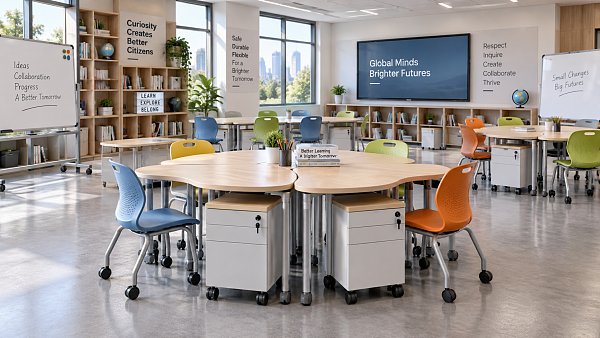
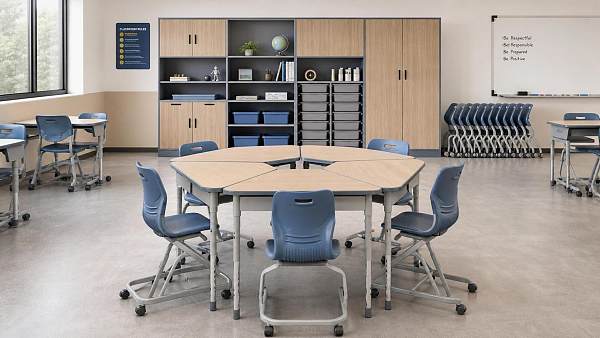
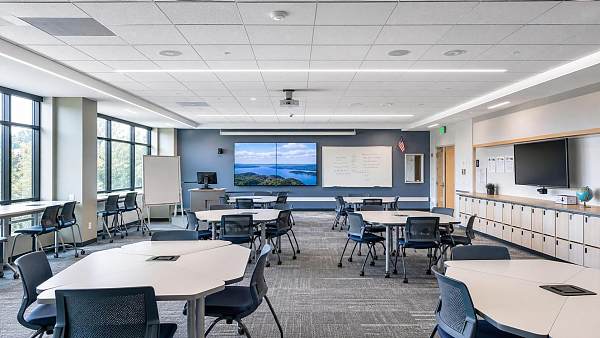
Some flexible learning spaces are judged by how quickly they change form. This is common in K-12 classrooms that move from direct instruction to small groups, then independent work and presentations.
In these rooms, mobility alone is not enough. Casters, nesting tables, and stackable chairs help, but only if storage paths stay clear and the room can be reset without noise or collision.
A useful layout idea is to anchor only the functions that truly need fixed placement. Display walls, teacher controls, sinks, or secure storage stay stable while student furniture does the moving.
Flexible learning spaces in this category also benefit from visual zoning. Rugs, writable surfaces, shelving, and lighting cues define areas without building hard barriers that reduce adaptability.
A common mistake is choosing highly mobile furniture that is too light for frequent use. It shifts easily, but wears quickly, rattles, or becomes unstable under uneven loading.
Collaboration Zones Need More Than Open Floor Area
Open collaboration is often the first image associated with flexible learning spaces. Yet successful group zones depend less on openness than on controlled interaction.
In middle schools and universities, collaboration zones usually fail for three reasons: poor acoustics, weak power access, or furniture that supports discussion but not actual work materials.
A project table for four may need room for laptops, notebooks, personal bags, and shared display sightlines. Without that allowance, students spread into circulation paths and reduce room efficiency.
This is why flexible learning spaces should separate social openness from operational capacity. Soft seating can support informal exchange, but task-based collaboration often performs better with stable surfaces and nearby screens.
For campuses balancing design quality with heavy usage, commercial-grade finishes matter. GCT’s cross-sector sourcing lens is useful here because hospitality-style wear expectations increasingly apply to education interiors.
What usually deserves closer checking
- Table depth for both devices and written work
- Chair movement noise on hard flooring
- Power reach without loose extension cables
- Display visibility from side seating positions
- Surface durability against constant cleaning
Hybrid Teaching Rooms Raise Different Technology Questions
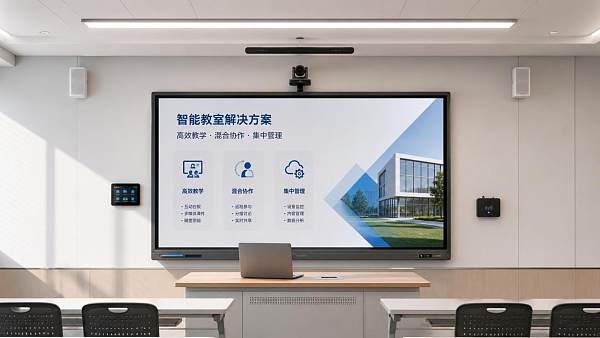
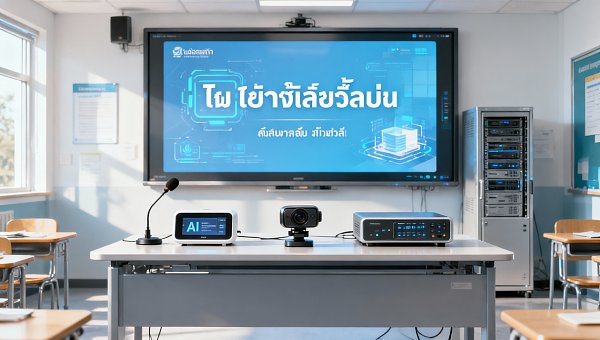
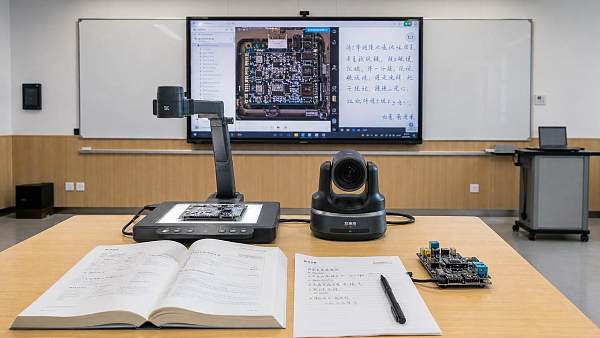
Not all flexible learning spaces need advanced AV systems, but hybrid delivery changes the baseline. Once remote participation enters the room, camera position, microphone pickup, and lighting consistency become core design issues.
Higher education lecture rooms often need layered technology rather than a single large display. Front-of-room presentation, side confidence monitors, lecture capture, and student device sharing must work together.
In K-12, the technology stack is often simpler, but reliability matters more than feature depth. Teachers need systems that recover quickly after updates, room moves, or shared use across classes.
Flexible learning spaces with mobile partitions or reconfigurable seating also need wireless performance tested under real occupancy. Empty-room network results rarely predict live classroom behavior.
Another overlooked point is service access. Ceiling microphones, interactive displays, and floor boxes all affect maintenance time. Tech that is impressive at handover can become costly if every minor issue disrupts class schedules.
Specialized Rooms Should Stay Flexible, but Not at the Cost of Function
Some campuses try to apply the same flexible learning spaces logic to STEM rooms, maker areas, art studios, and music teaching spaces. The principle is valid, but the balance changes.
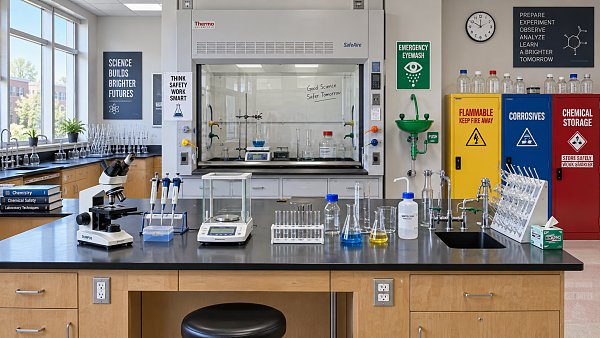
A science room needs reconfiguration, yet fixed utilities, safety clearances, and material storage still define the plan. Here, flexibility usually means adaptable teaching zones around protected technical infrastructure.
Music and media rooms create another variation. Acoustic separation, equipment security, and cable discipline matter as much as furniture choice. Open-plan ideas that work elsewhere may degrade performance here.
In art and fabrication settings, wipeable surfaces and replaceable components often matter more than visual uniformity. Flexible learning spaces should support creative use without turning maintenance into a constant burden.
Different rooms, different adaptation logic
The Most Common Misread Is Treating Flexible Learning Spaces as a Furniture Package
Many projects focus on product catalogs first. That usually leads to rooms filled with movable pieces but weak planning around power, supervision, storage, and turnover time.
Another misread is assuming all adaptable rooms need the same density of technology. Some flexible learning spaces benefit more from acoustic treatment and better zoning than from adding more screens.
Short-term budget thinking also causes problems. A lower unit price may look attractive, yet replacement cycles, damaged laminates, failing casters, or incompatible charging systems raise long-run cost.
More careful sourcing asks different questions. Can finishes handle cleaning chemicals? Are spare parts available across regions? Does the room still function when one AV component is offline?
That broader evaluation aligns with how GCT approaches commercial environments: not as isolated products, but as interdependent systems shaped by safety, reliability, and experience quality.
A Practical Way to Move from Concept to a Usable Space
The best next step is to define two or three real teaching modes for each room before any product shortlist is finalized. That simple move clarifies whether flexible learning spaces need mobility, zoning, or infrastructure investment first.
- Map the room across a full day, not a single lesson type.
- Separate fixed infrastructure from elements that should change often.
- Test circulation, storage, and charging under peak occupancy.
- Compare purchase price with maintenance effort and replacement frequency.
- Check compliance, acoustic performance, and service access before approval.
Flexible learning spaces work best when adaptation is intentional rather than decorative. The strongest schemes usually start with actual use conditions, then narrow choices around furniture durability, technology reliability, and room-specific constraints.
For campuses planning new builds or phased upgrades, the useful benchmark is not how many pieces move. It is whether the space can change format, stay operational, and remain easy to support over time.
Search News
Hot Articles
- Outdoor RidesHow to Select Leisure Park Equipment for Safe, High-Throughput Visitor AreasOct 03, 2026
- Fashion & Gem JewelryDiamond Tester Wholesale: How to Vet Accuracy, Calibration, and MOQ Before OrderingOct 02, 2026
- Hotel Room AmenitiesHow Hotels Can Choose Amenity Bottles That Balance Brand Image and Refill CostsOct 01, 2026
Popular Tags
Need ExpertConsultation?
Connect with our specialized leisureengineering team for procurementstrategies.
Recommended News
 Sep 28, 2026How U.S. Schools Can Choose Laboratory Equipment for Safe, Compliant Science LabsSchool laboratory equipment USA: learn how to select safe, compliant lab furniture, ventilation, emergency systems, and durable tools for K–12 science labs.● Institutional Buyer
 Sep 16, 2026How to Source Educational Furniture Worldwide for Safe, Flexible Learning SpacesEducational furniture worldwide: learn how to source safe, flexible, durable learning-space solutions while controlling compliance, logistics, and lifecycle costs.● Institutional Buyer
 Aug 31, 2026How to Plan Smart Classroom Solutions That Improve Learning and IT ManageabilitySmart classroom solutions: learn how to plan secure, scalable teaching spaces that improve learning, simplify IT management, and reduce lifecycle costs.● Institutional Buyer
 Aug 01, 2026How to Specify an EN54 School PA System for Safe, Compliant Campus Voice EvacuationEN54 school PA system specification guide for safer, compliant campus voice evacuation. Learn zoning, intelligibility, monitoring, tender tips, and handover checks.● Institutional Buyer
 Jul 15, 2026Vietnam Tightens Import Rules for Smart Campus TechVietnam Tightens Import Rules for Smart Campus Tech: learn how MOIT’s 2026 data hosting and NEP connection rules may reshape import approval, sourcing timelines, and delivery planning.● Institutional Buyer
 Jul 14, 2026Thailand TISI Tightens Rules for Smart Campus TerminalsThailand TISI tightens rules for smart campus terminals, requiring Thai speech recognition and local biometric data storage. Learn the compliance impact, timeline risks, and what exporters must do now.● Institutional Buyer
 Jul 13, 2026Red Sea Rerouting Lifts Smart Campus Tech Shipping CostsRed Sea rerouting lifts Smart Campus Tech shipping costs, extends Asia-Europe booking lead times, and delays delivery. See what exporters, buyers, and logistics teams should do now.● Institutional Buyer
 Jul 12, 2026Event Technology for Live Venues: What Systems Matter Most for Seamless Operations?Event technology defines how live venues handle ticketing, AV, access, and monitoring. Discover which systems matter most for seamless operations, higher uptime, and better guest experiences.● Institutional Buyer
 Jul 11, 2026What Is a Campus Procurement Platform and How Does It Improve School Purchasing Workflows?Campus procurement platform explained: learn how it streamlines school purchasing workflows, improves approval control, boosts spend visibility, and reduces delays across campus buying.● Institutional Buyer
 Jul 10, 2026Vietnam Raises Smart Campus Tech Import Tariff to 12%Vietnam Raises Smart Campus Tech Import Tariff to 12%: explore how the new Vietnam smart campus tech tariff impacts pricing, sourcing, and local assembly strategies across Southeast Asia.● Institutional Buyer
 Jul 10, 2026Interactive Document Camera vs Webcam: Which Works Better for Smart Classrooms?Interactive document camera vs webcam: discover which delivers clearer content sharing, faster lesson flow, and better hybrid teaching performance for smart classrooms.● Institutional Buyer
 Jul 09, 2026RCEP Rule Adds Carbon Footprint Filings for Smart Campus Tech ExportsRCEP Rule reshapes Smart Campus Tech exports: learn how new carbon footprint filings for Singapore, Thailand, and Vietnam affect customs clearance, lead times, and compliance planning before October 1, 2026.● Institutional Buyer
 Jul 09, 2026Basketball Hoops for Campuses: Which Backboard, Rim, and Mounting Type Fits Your Site?Basketball hoops for campuses: compare backboard, rim, and mounting options by site needs. Learn how to choose safer, longer-lasting systems for outdoor courts, gyms, and multipurpose halls.● Institutional Buyer
 Jul 09, 2026Modular Educational Furniture: What to Check Before Planning Flexible ClassroomsModular educational furniture: learn what to check before planning flexible classrooms, from safety and durability to teaching fit, supplier quality, and long-term value.● Institutional Buyer
 Jul 08, 2026Shenzhen-Yokohama Port Delays Fall to 2.1 DaysShenzhen-Yokohama Port Delays fall to 2.1 days, cutting shipment cycles by 5–7 days for smart campus equipment. See how faster port efficiency can ease Q3 school delivery pressure.● Institutional Buyer
 Jul 07, 2026FBX Slide Pushes Smart Campus Freight Below $980/FEUFBX Slide Pushes Smart Campus Freight Below $980/FEU as Asia-Europe rates tumble. Discover what this means for smart campus shipments, booking risks, and cost-saving opportunities.● Institutional Buyer
 Jul 07, 2026Math Manipulatives Bulk Price Guide: Cost Drivers, Pack Sizes, and School Budget PlanningMath manipulatives bulk price explained: compare cost drivers, pack sizes, landed costs, and school budget planning tips to source smarter and avoid hidden expenses.● Institutional Buyer
 Jul 04, 2026RCEP Update Expands Indonesia Duty-Free Quota for Edu DevicesRCEP Update Expands Indonesia Duty-Free Quota for Edu Devices: learn how the new 80,000-unit quota reshapes export costs, compliance, and school procurement opportunities in Indonesia.● Institutional Buyer
 Jul 03, 2026Indonesia Enforces ID-SNI Labels on Smart Campus ImportsIndonesia Enforces ID-SNI Labels on Smart Campus Imports: learn how the new rule affects labeling, customs clearance, certification, and delivery readiness for compliant market entry.● Institutional Buyer
 Jul 03, 2026How to Choose Indoor School Sports Equipment for Age Groups, Space, and Safety NeedsIndoor school sports equipment buying guide for schools: learn how to match age groups, space limits, and safety standards to choose durable, efficient solutions.● Institutional Buyer
 Jul 02, 2026Chromebook Charging Stations for Schools: Cart vs Cabinet vs Wall-Mount OptionsChromebook charging stations for schools compared: cart, cabinet, and wall-mount options. Discover the best fit for security, space, mobility, and budget before you buy.● Institutional Buyer
 Jul 01, 2026Indonesia Opens RCEP Fast Track for Smart Campus IoTIndonesia opens an RCEP fast track for Smart Campus IoT, cutting Jakarta customs clearance to 12 hours for eligible HS 8517.62 devices. See who qualifies and how to prepare.● Institutional Buyer
 Jun 30, 2026Flexible Learning Spaces for K-12 and Higher Ed: Layout Ideas, Furniture, and Tech NeedsFlexible learning spaces for K-12 and higher ed: explore practical layout ideas, durable furniture, and smart tech strategies that improve teaching, flexibility, and long-term campus value.● Institutional Buyer
 Jun 30, 2026Campus Equipment Procurement Checklist: How to Compare Specs, Warranties, and Total CostCampus equipment procurement made practical: compare specs, warranty terms, supplier reliability, and total cost to avoid hidden expenses and make smarter campus buying decisions.● Institutional Buyer