Choosing a Classical Guitar Manufacturer in China: Quality Checks Before Ordering
Searching for “classical guitars manufacturer China” can produce a long supplier list. Identifying a dependable production partner takes more than comparing quotations. A guitar may look convincing in a catalog yet arrive with uncomfortable action, uneven frets, or a bridge that leaves too little room for adjustment. For procurement teams, those details become setup costs, delayed launches, and returns.
The buying decision is therefore not simply which factory offers the lowest price. It is which supplier can repeatedly deliver the instrument your customers expect, with materials, playability, and inspection requirements defined before production begins. The checks below help turn a promising sample into a controlled purchasing decision.
Define the instrument before comparing suppliers
Two quotations for a “spruce-top classical guitar” may describe substantially different products. One could use a solid spruce soundboard; another, plywood with a spruce face veneer. Both descriptions can appear plausible unless the purchase specification distinguishes them.
Begin with the intended user. A school purchasing beginner instruments needs comfortable playability, durable construction, and affordable replacement stock. A specialty retailer selling intermediate guitars may place more weight on tonal consistency, finish quality, and a clearly documented solid-top specification.
Your request for quotation should establish:
- Construction: solid or laminated top, back and sides; neck construction; fingerboard, bridge, nut, and saddle materials.
- Dimensions: scale length, nut width, body size, string spacing, and any cutaway or pickup configuration.
- Setup: string brand and tension, tuning reference, action targets, and the conditions under which measurements are taken.
- Presentation: finish, branding, accessories, individual packaging, and carton protection.
- Commercial requirements: order quantity by model, delivery window, inspection rights, warranty handling, and destination market.
A full-size traditional classical guitar often uses a scale length around 650 mm and a nut width near 52 mm, but these are reference points, not universal requirements. Student, crossover, and smaller-bodied models may need different dimensions. Approve the specification that suits your buyer rather than defaulting to the factory’s standard model.
Check who actually controls production
A supplier’s sales office, export company, and manufacturing site may be separate businesses. That arrangement is not automatically a problem. The risk appears when nobody can clearly explain who controls wood preparation, assembly, setup, and corrective action.
Ask for the legal entity that will sign the contract, the production address, and a description of outsourced processes. An on-site audit or independent factory assessment is more useful than a showroom tour alone. Where travel is impractical, a live walkthrough can help verify operations, although it does not replace physical inspection.
Focus on evidence connected to your order: identifiable work-in-progress, documented inspection stages, calibrated measuring tools, and records showing how rejected instruments are handled. If final setup is subcontracted, establish who approves it and who pays when it fails.
A useful screening question is: “Can you show how an out-of-spec neck angle was detected and corrected?” A supplier that explains its process clearly offers more reassurance than one that simply promises every guitar is checked.
Evaluate samples as instruments, not display pieces
Request samples built to the proposed production specification. A showroom instrument or a specially selected premium sample may reveal craftsmanship, but not necessarily the quality available at your quoted price.
Use a written evaluation sheet and, where possible, involve a guitar technician or experienced classical player. Allow the instrument to acclimate to the inspection environment, tune it with the agreed strings, and record temperature and relative humidity. These details make later comparisons more meaningful.
Neck geometry, action, and adjustment margin
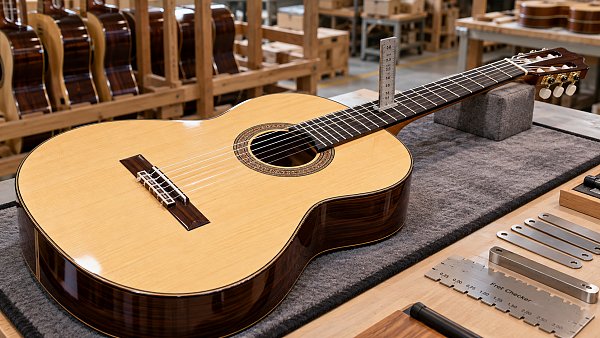
Measure action at the 12th fret from the top of the fret to the underside of the string. As an illustrative starting point, some full-size classical setups sit around 3.0 mm on the first string and 4.0 mm on the sixth. Appropriate targets vary with playing style, string tension, scale length, and instrument design; agree your own range after testing.
Do not approve a sample solely because its action falls within range. Check how much saddle remains exposed and whether the neck-to-body geometry permits future adjustment. A guitar with acceptable action but almost no remaining saddle adjustment may create service problems later. Excessively lowering the saddle can also compromise string break angle.
Many traditional classical guitars do not have an adjustable truss rod. Confirm the design rather than assuming that a steel-string setup procedure will apply.
Fretwork, tuning, and playing comfort
Play every fret on every string, listening for persistent buzzing, dead notes, and choking under normal attack. Check for sharp fret ends, uneven fret height, rough fret crowns, and uncomfortable fingerboard edges. Inspect nut slots for binding and excessive height, both of which can make a beginner instrument frustrating to play.
Assess tuning stability after the strings have settled. Compare fretted notes with the tuning reference, particularly higher up the neck. Classical-guitar intonation involves design compromises, so acceptance should reflect realistic musical performance rather than a promise of perfect readings everywhere.
Tone and structural condition
Listen for balance across the strings, usable projection, and distracting rattles. Compare samples in the same room with the same player and passage. Uncontrolled recordings are weak evidence: microphones, compression, and playing technique can disguise substantial differences.
Inspect the bridge perimeter, neck joint, bindings, and soundboard for gaps, cracks, or signs of separation. A mirror or borescope can help reveal loose braces, poor glue contact, or other internal problems. Some soundboard curvature is intentional; distinguish the approved design from abnormal deformation rather than requiring a perfectly flat top.
Wood and humidity: ask for a process, not a reassurance
Wood movement can undermine an otherwise attractive purchase. Instruments assembled under poorly controlled conditions may develop fret protrusion, cracks, action changes, or joint problems after entering a different climate.
Ask how incoming timber is assessed, how long components are conditioned before assembly, and how humidity is monitored during production and storage. Many guitar workshops work around 40–55% relative humidity, but an appropriate control plan depends on materials, construction, and destination conditions. A recorded, consistently managed process matters more than a single favorable reading during an audit.
Moisture-meter results also require interpretation. Readings depend on the species, material thickness, meter settings, and measurement method. Request the method and acceptance limits instead of treating an unexplained moisture percentage as proof of stability.
Material descriptions need similar scrutiny. Terms such as “rosewood,” “mahogany,” or “ebony-style” may be too vague for purchasing and import decisions. Request botanical identification where relevant, clarification of veneers or composites, and supporting documentation. Check current CITES and destination-country requirements for the actual species and product form; not every use of a trade name creates the same obligations.
Turn the approved sample into a batch inspection standard
The strongest sample cannot protect an order if production acceptance remains subjective. Retain an identified reference sample and attach its specification, photographs, and approved tolerances to the purchase agreement. Ideally, buyer and supplier each hold a matching reference.
Separate functional defects from cosmetic variation. A small finish blemish and a lifting bridge should never enter the same discussion about what is “acceptable.” The inspection plan should specify methods, severity classifications, sampling rules, and remedies.
For sampled lot inspection, a recognized framework such as ISO 2859-1 can provide a common basis. Agree the inspection level, defect classifications, and acceptance quality limits before production. An AQL is not a guarantee that every instrument is defect-free, and it does not replace process control.
Require routine functional checks during production as well as an independent pre-shipment inspection where appropriate. Inspectors should select instruments across the lot rather than accept only factory-presented cartons. Your agreement should state what happens after failure: rework, reinspection, shipment hold, and responsibility for related costs.
Compare landed, sellable cost—not the headline quotation
A low unit price loses its advantage quickly when instruments need local fretwork or replacement packaging. Compare suppliers using the same specification, inspection scope, and named Incoterms rule and place.
A practical cost model is:
Expected cost per sellable guitar = total purchase, logistics, inspection, setup, and expected after-sales costs ÷ expected sellable units.
Keep assumptions visible. Freight, insurance, duties, brokerage, and local delivery are relatively straightforward to estimate. Rework and returns are less certain, so use pilot-order findings and sensitivity ranges rather than an unsupported allowance.
Clarify whether the quotation includes final setup, the agreed strings, branding, packaging, export documentation, and accessories. Ask separately about sample charges, tooling, minimum quantities per finish, and replacement parts. For private-label orders, define ownership and permitted use of logos, artwork, and custom tooling.
Packaging deserves particular attention. Check headstock clearance, movement inside the package, pressure on the bridge, and protection against foreseeable handling conditions. Any humidity-control materials should be selected for the route and product—not added indiscriminately. A good guitar in inadequate packaging is still a procurement failure.
Make the first order prove repeatability
A pilot order tests something a single sample cannot: whether the supplier can reproduce the agreed standard across a batch. Use it to measure setup consistency, defect patterns, packing performance, document accuracy, and responsiveness when problems occur.
Before authorizing production, resolve these five questions:
- Does the approved sample match the quoted materials and construction?
- Are playability targets measurable and appropriate for the intended customer?
- Can the supplier demonstrate humidity control and traceable quality records?
- Are inspection failure, unauthorized substitutions, and warranty remedies covered in writing?
- Does the landed-cost comparison include realistic local setup and after-sales exposure?
Link payment milestones to agreed evidence where commercially feasible, and avoid substitutions without written approval. A successful inspection should support shipment release, not become a negotiation over standards that were never documented.
The right classical guitar manufacturer in China is not necessarily the one with the most polished catalog or the lowest opening offer. It is the partner that can explain its construction choices, reproduce an approved setup, and respond constructively when a measurement falls outside tolerance. For buyers, that consistency is what turns an attractive quotation into dependable stock.
Search News
Hot Articles
- Musical InstrumentsChoosing a Classical Guitar Manufacturer in China: Quality Checks Before OrderingOct 20, 2026
- Stationery & UniformsChoosing a Wholesale Chef Coat Supplier: MOQs, Samples, and Lead TimesOct 19, 2026
- Indoor PlaygroundTurnkey Playground Installation: What's Included and What Costs Extra?Oct 18, 2026
Popular Tags
Need ExpertConsultation?
Connect with our specialized leisureengineering team for procurementstrategies.
Recommended News
 Oct 20, 2026Choosing a Classical Guitar Manufacturer in China: Quality Checks Before OrderingSearching for “classical guitars manufacturer China”? Discover essential checks for materials, playability, and factory quality control to reduce costly returns and order with confidence.● Pro Audio Engineer
 Oct 17, 2026Professional String Instruments: How to Evaluate Tone, Response, and ProjectionCompare professional string instruments with expert tips on tone, response, and projection. Learn practical tests to choose the right instrument for your performance needs.● Pro Audio Engineer
 Oct 15, 2026How Do You Choose Music Education Equipment for a New Campus?Learn how to choose music education equipment for a new campus with practical tips on curriculum fit, acoustics, suppliers, and ownership costs. Equip classrooms confidently and avoid costly mistakes.● Pro Audio Engineer
 Oct 10, 2026A Practical Guide to Identifying Wooden Orchestral Instruments by Family and ToneWooden orchestral instruments made simple: identify strings, flutes, clarinets, oboes, and bassoons by sound source, design, and tone.● Pro Audio Engineer
 Sep 11, 2026How to Choose Touring Instrument Cases for Flights, Trucks, and Daily Load-InsInstrument cases for touring: learn how to balance flight protection, truck durability, weight, fit, and serviceable hardware for safer, faster load-ins.● Pro Audio Engineer
 Sep 07, 2026How to Choose Wood Frame Tambourines for Sound Quality and Long-Term UseWood frame tambourines: learn how to compare frame construction, jingle tone, head options, durability, and supplier quality for reliable long-term performance.● Pro Audio Engineer
 Sep 05, 2026How Often Should Music Education Equipment Be Serviced?How often should music education equipment be serviced? Explore practical schedules, maintenance tips, and lifecycle planning to keep instruments and audio systems reliable.● Pro Audio Engineer
 Aug 21, 2026How to Choose Marching Band Drums for Sound Projection, Weight, and DurabilityMarching band drums buying guide: learn how to balance sound projection, weight, and durability for better field performance, easier carrying, and longer-lasting value.● Pro Audio Engineer
 Aug 09, 2026How to Evaluate a MIDI Cable Manufacturer for Audio Quality and OEM ReliabilityMIDI cable manufacturer evaluation guide: learn how to assess signal stability, connector quality, OEM process control, and batch consistency to reduce failures and source with confidence.● Pro Audio Engineer
 Aug 08, 2026How to Evaluate a Trumpets OEM Manufacturer for Quality, MOQ, and Custom DesignTrumpets OEM manufacturer selection starts with quality, MOQ, and custom design control. Learn how to compare suppliers, reduce sourcing risk, and choose a reliable long-term factory partner.● Pro Audio Engineer
 Jul 27, 2026How to Source Conga Drums in Bulk for Schools, Bands, and Event ProgramsConga drums bulk sourcing for schools, bands, and event programs made easier. Learn how to compare quality, durability, compliance, and total cost before you place a large order.● Pro Audio Engineer
 Jul 24, 2026How to Choose Low Dust Violin Rosin for Cleaner Practice and Better Bow ControlLow dust violin rosin buying guide: learn how to compare formula, climate fit, grip, and string compatibility for cleaner practice, better bow control, and smarter purchase decisions.● Pro Audio Engineer
 Jul 15, 2026Plastic Tambourines Bulk Buying Guide: Sizes, Materials, and MOQ QuestionsPlastic tambourines bulk buying guide covering sizes, ABS vs PP materials, sound consistency, customization, and MOQ questions to help buyers cut risk and choose the right supplier.● Pro Audio Engineer
 Jul 13, 2026Acoustic Guitars Wholesale China: How to Evaluate Build Quality and OEM OptionsAcoustic guitars wholesale China guide: learn how to assess build quality, factory consistency, and OEM options to choose reliable suppliers and reduce sourcing risk.● Pro Audio Engineer
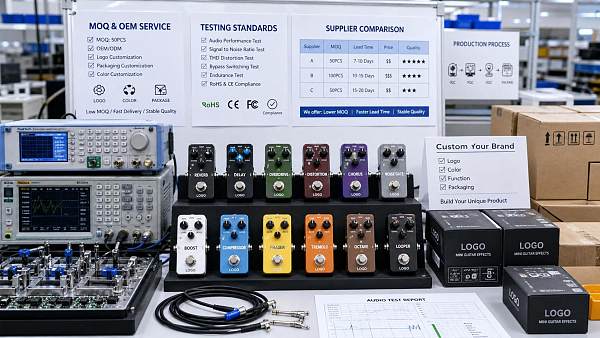
 Jul 12, 2026Mini Effect Pedals Wholesale: MOQ, OEM Options, Testing, and Supplier ComparisonMini effect pedals wholesale guide covering MOQ, OEM options, testing standards, and supplier comparison to help buyers reduce risk, improve margins, and choose reliable partners.● Pro Audio Engineer
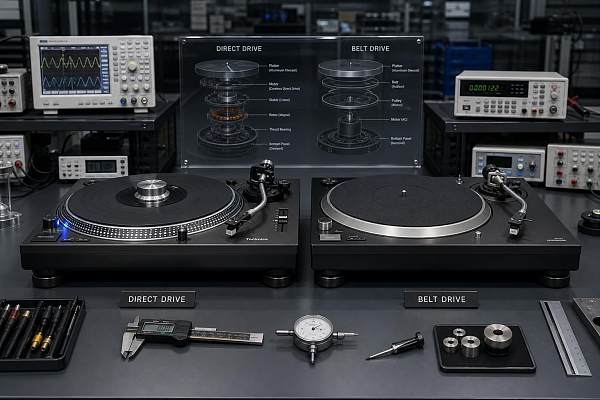
 Jul 11, 2026DJ Turntables OEM Guide: Key Torque, Drive, and Build Specs to CompareDJ turntables OEM guide covering torque, drive type, speed stability, platter build, and manufacturing consistency. Compare the specs that impact performance, reliability, and sourcing confidence.● Pro Audio Engineer
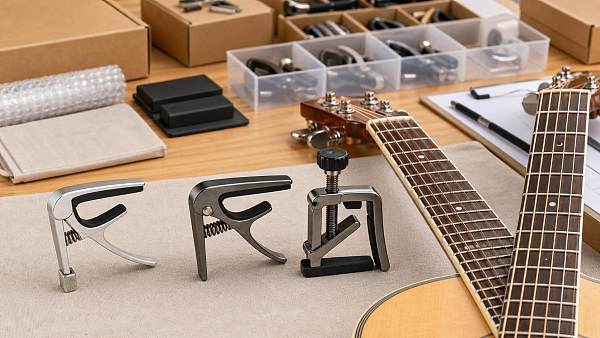
 Jul 08, 2026Guitar Capos Wholesale: What Materials, Clamp Types, and MOQ Terms Should You Compare?Guitar capos wholesale buying starts with more than price. Compare materials, clamp types, quality checks, and MOQ terms to reduce returns, protect margins, and choose a supplier with confidence.● Pro Audio Engineer
 Jul 07, 2026Birch Drum Kits Manufacturer Comparison: Shell Construction, Hardware Quality, and OEM OptionsBirch drum kits manufacturer comparison covering shell construction, hardware quality, and OEM options to help buyers reduce sourcing risk and choose reliable suppliers.● Pro Audio Engineer
 Jul 06, 2026Spruce Top Acoustic Guitars Explained: Tone, Wood Grades, and Who They Suit BestSpruce top acoustic guitars explained: compare tone, wood grades, and build quality to find the best fit for players, retailers, and commercial buyers.● Pro Audio Engineer
 Jun 30, 2026Xylophones and Glockenspiels: Key Differences in Range, Tone, and Classroom UseXylophones and glockenspiels compared: discover key differences in range, tone, durability, and classroom use to choose the right instrument for teaching, buying, or school programs.● Pro Audio Engineer
 Jun 25, 2026Musical Instrument Industry Report: Key Market Segments, Demand Drivers, and Price TrendsMusical instrument industry report covering key market segments, demand drivers, and price trends. Explore sourcing risks, premium growth, and where buyer demand is shifting next.● Pro Audio Engineer
 Jun 23, 2026Metronomes and Tuners Explained: Types, Key Features, and Who Needs BothMetronomes and tuners explained: compare types, key features, and who needs both. Learn how to choose the right tool for better timing, pitch, and practical daily use.● Pro Audio Engineer
 Jun 22, 2026How the Musical Instrument Industry Supply Chain Affects Lead Times, Cost, and QualityMusical instrument industry supply chain trends now shape lead times, cost, and quality. Discover how smarter sourcing and supplier transparency reduce risk and improve buying outcomes.● Pro Audio Engineer
 Jun 20, 2026DJ Headphones Wholesale Buying Guide: OEM Options, MOQ, and Audio Specs to CompareDJ headphones wholesale guide covering OEM options, MOQ strategy, and key audio specs. Compare build quality, compliance, and total cost to source smarter and reduce returns.● Pro Audio Engineer