HuaiBA Basketball Arena Adopts Chinese Smart Flooring, Triggers SASO 5853 Acoustic Testing
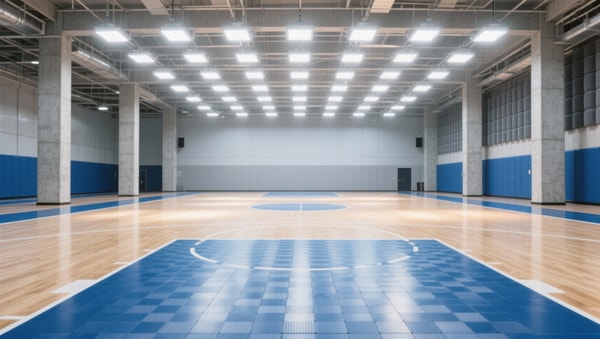
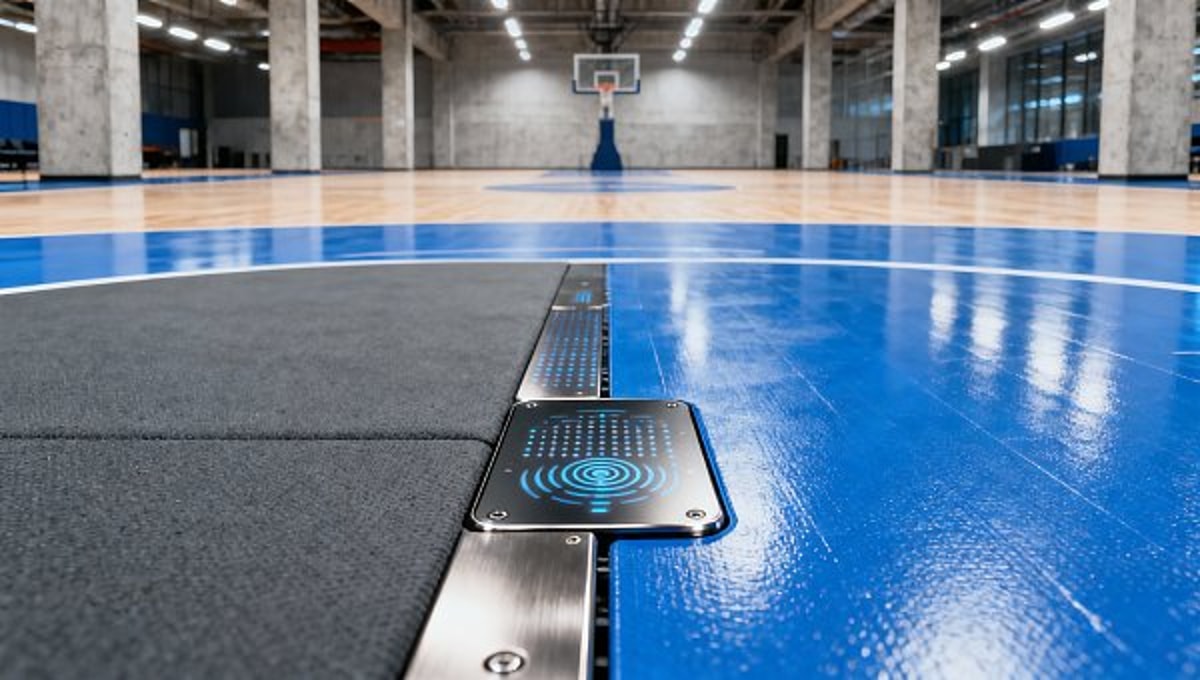
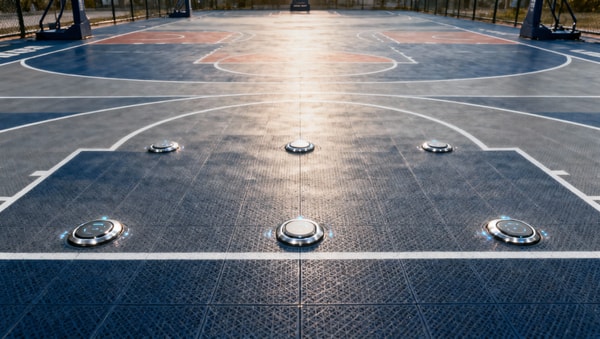
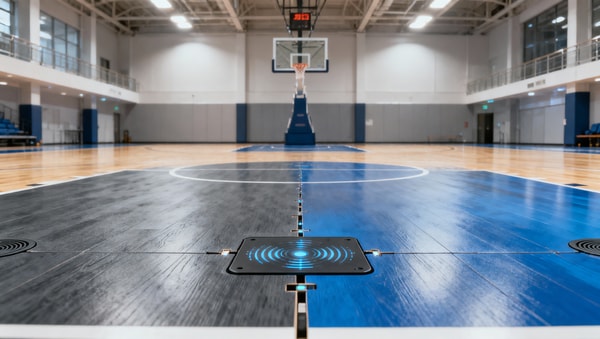
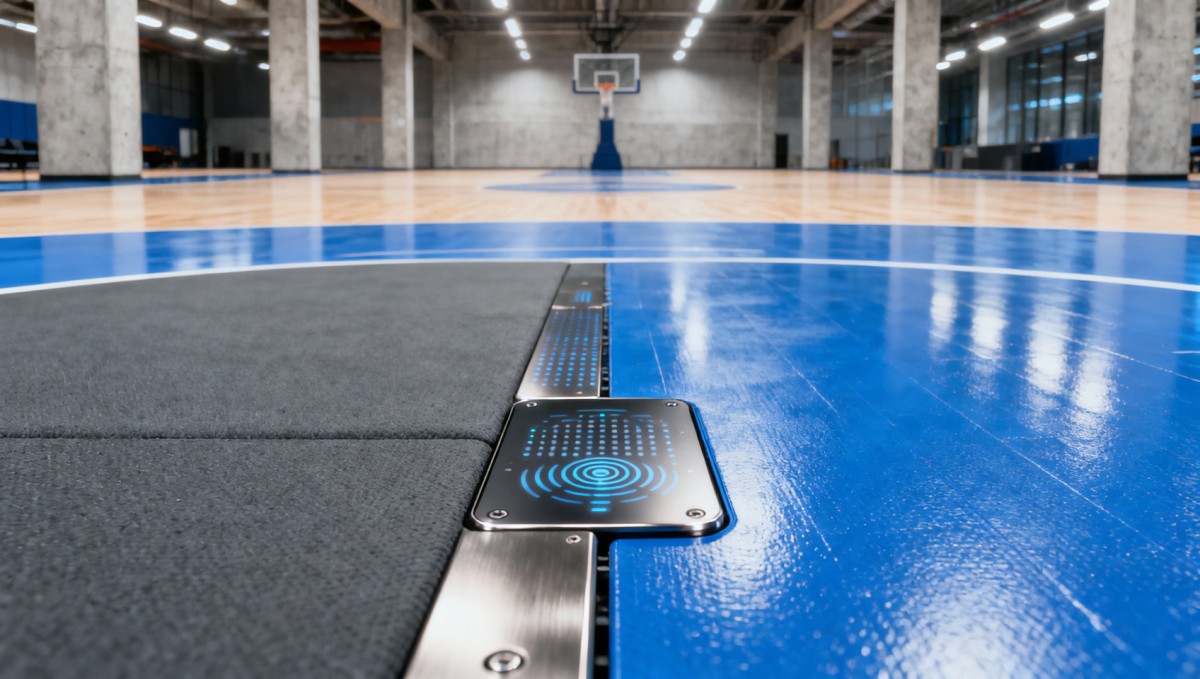
On May 3, 2026, the HuaiBA urban basketball league in Jinan’s Huaiyin District deployed a domestically developed intelligent sports flooring system—featuring integrated vibration sensing and acoustic feedback modules. This deployment signals emerging cross-market regulatory alignment demands, particularly for export-oriented manufacturers and trade service providers in the sports infrastructure, building acoustics, and certification compliance sectors.
Event Overview
On May 3, 2026, the ‘HuaiBA’ city basketball league in Huaiyin District, Jinan, officially commenced operations using a Chinese-made intelligent sports flooring system. The system incorporates vibration-sensing and acoustic-feedback functionality and has been certified to GB/T 22517.6–2022. On May 4, 2026, a Saudi importer requested additional testing under SASO 5853 Clause 4.2—specifically regarding ‘low-frequency vibration transmission limits for venue flooring’—and asked the Chinese supplier to provide an ISO 10137-based vibration response analysis report.
Industries Affected by This Development
Direct Export Trading Enterprises
Exporters supplying sports flooring or smart venue infrastructure to Gulf Cooperation Council (GCC) markets are directly affected. SASO 5853 is a mandatory technical regulation for building materials entering Saudi Arabia; Clause 4.2 introduces performance-based vibration criteria not previously emphasized in routine export certifications. Impact manifests as revised pre-shipment testing scope, potential delays in customs clearance, and increased third-party lab coordination requirements.
Manufacturing Enterprises (Sports Flooring & Integrated Systems)
Domestic manufacturers integrating sensors or feedback modules into structural flooring must now consider low-frequency vibration propagation—not only mechanical durability or impact absorption—as a design parameter. The request for ISO 10137 analysis indicates that functional performance claims (e.g., real-time feedback) may trigger secondary regulatory scrutiny beyond basic safety or dimensional standards.
Supply Chain & Certification Service Providers
Testing laboratories, certification bodies, and technical consultants offering SASO-related support face heightened demand for combined mechanical-acoustic evaluation capacity. The linkage between GB/T 22517.6–2022 (a Chinese standard focused on sports surface performance) and SASO 5853 (a Saudi standard with building physics emphasis) highlights a growing need for cross-standard interpretation services—not just test execution.
Key Considerations and Recommended Actions for Stakeholders
Monitor official updates from SASO and SASO-accredited labs
Current request stems from a commercial importer—not a formal regulatory directive. Analysis shows SASO 5853 Clause 4.2 has not yet been enforced as a blanket requirement for all flooring imports; however, its invocation in this context suggests early adoption by quality-conscious buyers. Stakeholders should track whether SASO issues technical circulars or updates to conformity assessment procedures in Q3 2026.
Prioritize vibration-response documentation for GCC-bound smart flooring products
Observably, ISO 10137 reporting is not routinely generated during standard GB/T 22517.6–2022 testing. Manufacturers targeting GCC markets should proactively commission ISO 10137-compliant vibration response analysis—even if not yet mandated—to avoid reactive delays during order fulfillment.
Distinguish between buyer-driven requests and regulatory mandates
This case reflects a procurement-level specification escalation—not a revision of SASO’s official import requirements. From industry perspective, it is more accurate to view this as a signal of evolving buyer expectations in premium venue infrastructure projects, rather than an imminent regulatory threshold.
Align internal R&D and QA protocols with multi-standard performance logic
Current more suitable approach is to treat vibration transmission as a co-dependent performance variable—linked to both acoustic feedback function and structural interface behavior. Teams responsible for product development and compliance should jointly review ISO 10137, GB/T 22517.6–2022, and SASO 5853 Clause 4.2 to identify overlapping test parameters and shared reporting formats.
Editorial Observation / Industry Insight
This incident is best understood as an early indicator—not a regulatory milestone—of convergence between smart infrastructure functionality and building physics compliance in export markets. Analysis shows that the integration of sensing and feedback capabilities into traditional construction products (e.g., flooring) is increasingly triggering secondary performance evaluations under legacy building standards (e.g., SASO 5853). It reflects a broader trend where digital features expand the scope of applicable physical regulations, rather than replace them. Industry attention should focus less on immediate compliance overhaul and more on anticipatory test planning and cross-standard technical literacy.
Conclusion: This event underscores how localized smart infrastructure deployments can catalyze international regulatory engagement—even without formal policy change. It does not represent a new market access barrier, but rather reveals an emerging pattern: functional innovation in building products is amplifying scrutiny under existing structural and acoustic standards. Current interpretation should emphasize readiness—not urgency—and technical preparedness—not procedural panic.
Source: Public announcement of HuaiBA league launch (May 3, 2026); documented importer inquiry dated May 4, 2026; referenced standards: GB/T 22517.6–2022, SASO 5853, ISO 10137. Note: SASO’s official enforcement status of Clause 4.2 remains under observation; no updated technical guidance issued as of May 2026.
Search News
Hot Articles
- Indoor PlaygroundFIBA 2026 Court Guidelines Enforce LED Uniformity & Floor AcousticsMay 05, 2026
- Stationery & UniformsShandong Lions Reject Tao Hanlin’s Retirement — Implications for Sportswear OEMsMay 05, 2026
- Smart Campus TechLiaoning Tieren Appoints Korean Coach Xu Zhengyuan, Signals Shift in K-League Equipment ProcurementMay 05, 2026
Popular Tags
Need ExpertConsultation?
Connect with our specialized leisureengineering team for procurementstrategies.
Recommended News
 May 05, 2026FIBA 2026 Court Guidelines Enforce LED Uniformity & Floor AcousticsFIBA 2026 Court Guidelines mandate LED uniformity ≥0.8 & floor acoustics ≥35 dB @ 63 Hz—key for exporters targeting Qatar, Indonesia, Mexico tenders.● Theme Park Strategist
 May 05, 2026Sweden’s 26-Year Win Over China Spurs EU Demand for SpinMaster X9SpinMaster X9 AI table tennis robot surges in EU demand after Sweden’s historic 26-year win over China—CE & TÜV-certified units now priority for clubs and suppliers.● Theme Park Strategist
 May 05, 2026Wu Yize’s Snooker Final Surge Drives 37% Global Inquiry Spike for Regulation TablesRegulation snooker tables see 37% global B2B inquiry surge amid Wu Yize’s historic World Championship final — act now on WPBSA-compliant demand from UAE, KSA, Brazil & Thailand.● Theme Park Strategist
 May 05, 2026HuaiBA Basketball Arena Adopts Chinese Smart Flooring, Triggers SASO 5853 Acoustic TestingHuaiBA Basketball Arena adopts Chinese smart flooring—triggers SASO 5853 acoustic testing. Key insight for sports flooring exporters, GCC compliance, and ISO 10137 vibration analysis.● Theme Park Strategist
 May 04, 2026HuaiBA Basketball Court in Jinan Adopts Chinese Smart FlooringHuaiBA Basketball Court in Jinan adopts Chinese smart flooring — a breakthrough for ISO 20342 & SASO 5853-compliant sports surfaces in GCC markets.● Theme Park Strategist
 May 03, 2026CBA Game Triggers SASO 5853 Acoustic Certification Demand for Smart Basketball FloorsCBA game sparks SASO 5853 acoustic certification demand for smart basketball floors—key for GCC exporters, labs & specifiers. Act now.● Theme Park Strategist
 May 03, 2026Raptors G6 Barrett Buzzer-Beater Triggers FCC Part 15B Re-Testing for Commercial Rim-Vibration ModulesRaptors G6 Barrett buzzer-beater exposed FCC Part 15B compliance gaps for commercial rim-vibration modules—urgent re-testing now required across US, CA, MX markets.● Theme Park Strategist
 May 02, 20262026 Jiujiang Guokong Cup Tennis Open Spurs ASEAN Demand for AI Ball MachinesAI ball machines surge 165% amid 2026 Jiujiang Guokong Cup — urgent ASEAN MRA certification needed for Thailand/Vietnam exports.● Theme Park Strategist
 May 02, 2026China's Speed Relay Record Boosts EN 15613-Compliant Climbing Gear ExportsEN 15613-compliant climbing gear exports surge 140% after China’s Dubai speed relay record—key insights for manufacturers, labs & logistics providers.● Theme Park Strategist
 May 01, 2026Playground Borders That Reduce Mess and Keep Zones ClearPlayground borders reduce mess, define activity zones, and improve maintenance control. Discover durable, site-smart solutions for safer, cleaner, more organized play areas.● Theme Park Strategist
 May 01, 2026Inclusive Playground Features Families Notice Right AwayInclusive playground features families notice first: step-free access, stable surfacing, sensory balance, and shared play. Use this practical guide to evaluate safer, truly welcoming spaces.● Theme Park Strategist
 May 01, 2026Toddler Playground Layout Mistakes That Limit Safe PlayToddler playground layout mistakes can quietly increase risk. Learn how better zoning, circulation, and visibility create safer, compliant play spaces for every project.● Theme Park Strategist
 May 01, 2026What Makes a Sensory Playground Feel Inclusive in Real UseSensory playground design feels truly inclusive when access, calm zones, shared play, and caregiver comfort work in real use. Discover what makes spaces more welcoming.● Theme Park Strategist
 May 01, 2026How Playground Swings Affect Safety Zones and Site PlanningPlayground swings shape safety zones, circulation, and site efficiency. Learn how to plan compliant, high-performing layouts that reduce redesign risk and improve project value.● Theme Park Strategist
 Apr 30, 2026CBA Game Sparks Southeast Asia Demand for Chinese Interactive Playground WallsCBA game sparks urgent demand for Chinese basketball-themed interactive playground walls across Southeast Asia—AR, pressure-sensor tech, SNI/IEC-certified.● Theme Park Strategist
 Apr 30, 2026Vietnam Mandates Anti-Pinch Sensors for Indoor Playground EquipmentAnti-pinch sensors now mandatory for indoor playground equipment in Vietnam — comply by July 1, 2026 to avoid customs rejection and market access delays.● Theme Park Strategist
 Apr 30, 2026When a playground consultant saves more than an in-house planPlayground consultant advice can prevent costly design errors, compliance gaps, and vendor mistakes. See when expert support beats an in-house plan and protects budget.● Theme Park Strategist
 Apr 30, 2026A smarter playground layout starts with traffic flowPlayground layout starts with traffic flow. Discover how smarter circulation improves safety, accessibility, capacity, and long-term commercial performance.● Theme Park Strategist
 Apr 30, 2026Playground certification steps that delay launch datesPlayground certification delays can add weeks to launch dates. Learn the key bottlenecks, hidden compliance risks, and practical steps to keep projects on schedule.● Theme Park Strategist
 Apr 30, 2026Playground climbers that keep kids challenged without bottlenecksPlayground climbers that reduce bottlenecks keep more kids engaged, improve flow, and suit schools, resorts, parks, and leisure venues. Learn what to specify before you buy.● Theme Park Strategist
 Apr 30, 2026What playground inspection reports often reveal too latePlayground inspection reports often reveal hidden risks too late. Learn how to catch design, installation, and safety issues earlier to avoid delays, rework, and costly project setbacks.● Theme Park Strategist
 Apr 30, 2026Playground accessibility details that change real usabilityPlayground accessibility details shape real usability beyond ramps. Explore transfer points, sensory zones, sightlines, and circulation tips that help buyers choose truly inclusive play spaces.● Theme Park Strategist
 Apr 30, 2026Playground shade structures that improve comfort in hot seasonsPlayground shade structures improve comfort, safety, and usability in hot seasons. Explore smart, durable solutions for schools, parks, and commercial projects.● Theme Park Strategist
 Apr 30, 2026Commercial slides and the maintenance issues often overlookedCommercial slides often fail on maintenance, not design. Learn the overlooked wear, cleaning, access, and compliance issues that affect safety, uptime, and long-term cost.● Theme Park Strategist