IOC Announces 2025–26 Olympic Case Study Theme: 'Accompanying Young Elite Athletes'
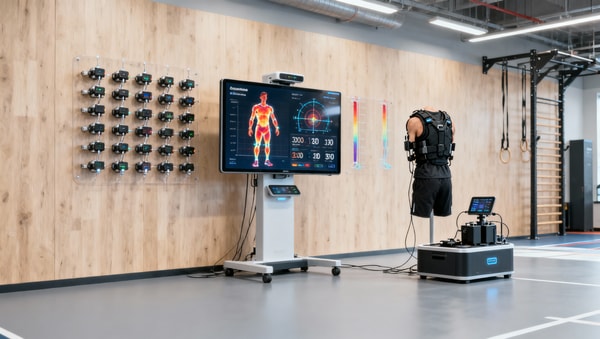
On May 4, 2026, the International Olympic Committee (IOC) officially launched the theme for the 2025–2026 Olympic Case Study Competition: ‘Accompanying Young Elite Athletes’. The initiative highlights integrated applications of AI coaching systems, wearable biometric feedback devices, and mental health support platforms—drawing attention from sports technology developers, medical device manufacturers, and digital health service providers.
Event Overview
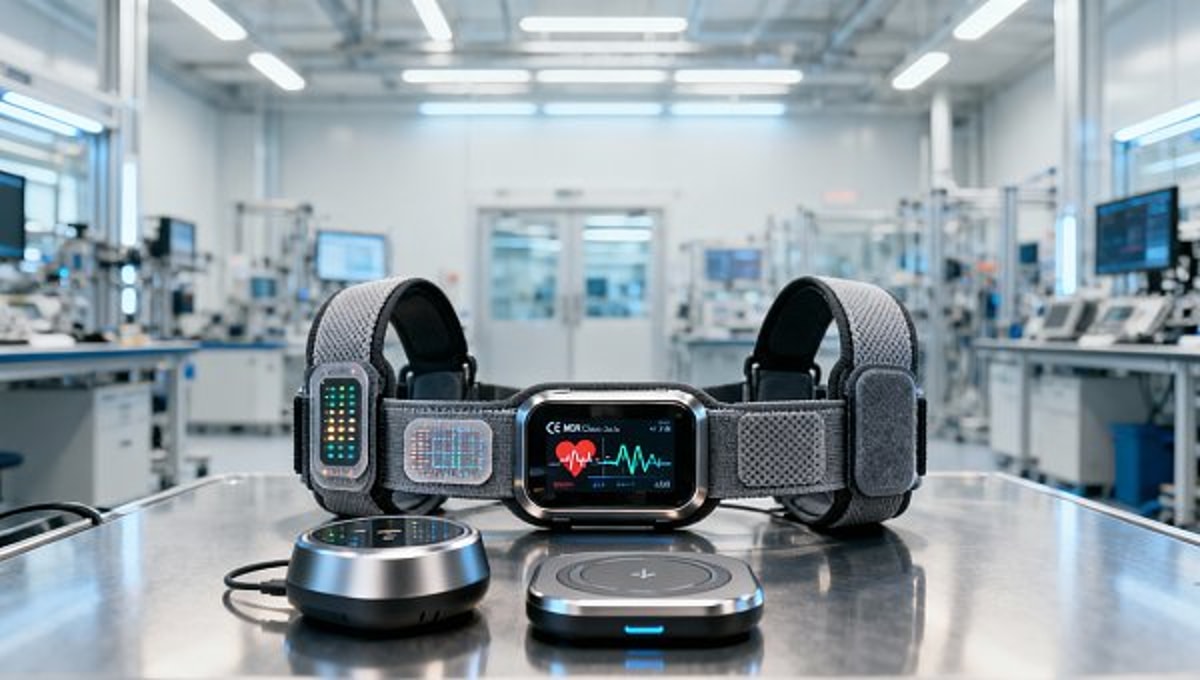
On May 4, 2026, the International Olympic Committee (IOC) announced the theme for the 2025–2026 Olympic Case Study Competition as ‘Accompanying Young Elite Athletes’. The competition focuses on holistic athlete development through technological integration—including AI-driven coaching tools, wearable biometric sensors, and psychological support platforms. The Capital University of Physical Education and Sports (CUPE) in Beijing won the Master’s Category global championship with its ‘iAthlete Pro’ smart training pod solution. Core sensor modules for the solution were jointly developed by three Shenzhen-based ODM enterprises and have obtained CE MDR Class IIa certification.
Industries Affected by This Development
Wearable Biometric Sensor Manufacturers (ODM/OEM)
Why affected: The IOC’s thematic emphasis directly validates demand for certified, athlete-grade biometric hardware. CUPE’s winning solution relies on sensor modules from Shenzhen ODM firms—indicating growing procurement interest in compliant, application-specific hardware.
Impact areas: Increased technical scrutiny on regulatory alignment (e.g., CE MDR Class IIa), tighter integration requirements between hardware and software layers, and rising expectations for real-world validation in elite sport contexts.
Digital Health & Sports Tech Software Developers
Why affected: The theme explicitly prioritizes integration across AI coaching, physiological feedback, and psychological support—requiring interoperable architecture and clinical-grade data handling.
Impact areas: Greater need for modular, API-first platform design; heightened relevance of mental health data governance frameworks; and stronger demand for cross-domain validation (e.g., concurrent physiological + behavioral metrics).
Regulatory & Certification Support Providers
Why affected: CE MDR Class IIa certification is cited as a verified milestone for the winning hardware. This signals that compliance readiness is no longer optional for market entry into high-stakes sports performance applications.
Impact areas: Rising inquiries for MDR-aligned conformity assessments; increased need for technical documentation tailored to athletic use cases (e.g., motion robustness, long-duration wear validation); and demand for certification pathway advisory services targeting EU and analogous markets (e.g., UKCA, ANVISA).
What Relevant Enterprises or Practitioners Should Focus On Now
Monitor official IOC guidance on implementation criteria
The IOC has not yet published detailed evaluation rubrics or pilot deployment timelines. Observably, future announcements may clarify whether ‘integration’ refers to technical interoperability, clinical validation depth, or scalability across national training centers—each carrying distinct R&D implications.
Track CE MDR Class IIa adoption beyond hardware
Analysis shows the certification was applied to sensor modules—not the full ‘iAthlete Pro’ system. Current more relevant focus is whether software components (e.g., AI coaching logic, psychological risk algorithms) will face similar regulatory expectations in upcoming IOC-recognized deployments.
Distinguish between competition recognition and commercial procurement signals
The case study win reflects academic and conceptual excellence—not an IOC procurement commitment. From industry perspective, this outcome functions primarily as a de facto benchmark for technical ambition and regulatory preparedness, rather than an immediate sales catalyst.
Assess supply chain readiness for dual-use validation
Shenzhen ODM firms contributed certified hardware modules. For other manufacturers, current preparation should include documenting both athletic performance validation (e.g., signal fidelity during sprinting or endurance load) and clinical safety validation (e.g., skin contact biocompatibility, battery thermal limits)—as both dimensions appear embedded in the IOC’s emerging expectations.
Editorial Perspective / Industry Observation
This announcement is best understood as a forward-looking policy signal—not an operational mandate. Analysis shows the IOC is using the Case Study Competition to shape technical priorities for the next Olympic cycle, particularly around athlete welfare infrastructure. Observably, it elevates regulatory compliance (especially CE MDR Class IIa) from a market-access requirement to a visible marker of credibility in elite sports tech. It does not yet indicate formal standardization efforts or funding programs—but it does consolidate momentum toward harmonized, evidence-informed human performance systems. The emphasis on ‘accompanying’—rather than ‘optimizing’ or ‘monitoring’—suggests a deliberate shift toward longitudinal, multi-modal support frameworks.
Conclusion
This development underscores a maturing intersection between sports science, digital health regulation, and elite athlete development infrastructure. It does not represent an immediate market shift, but rather a calibrated directional cue: regulatory readiness, cross-domain integration capability, and athlete-centered validation rigor are becoming non-negotiable differentiators—not just technical advantages. Currently, it is more appropriate to interpret this as a strategic alignment signal for R&D planning and certification roadmaps, rather than a trigger for urgent commercial pivots.
Source Attribution
Main source: Official IOC announcement dated May 4, 2026, regarding the 2025–2026 Olympic Case Study Competition theme and results.
Note: Details on future IOC implementation plans, procurement pathways, or expansion of certification scope beyond hardware remain unconfirmed and require ongoing observation.
Search News
Hot Articles
- Indoor PlaygroundFIBA 2026 Court Guidelines Enforce LED Uniformity & Floor AcousticsMay 05, 2026
- Stationery & UniformsShandong Lions Reject Tao Hanlin’s Retirement — Implications for Sportswear OEMsMay 05, 2026
- Smart Campus TechLiaoning Tieren Appoints Korean Coach Xu Zhengyuan, Signals Shift in K-League Equipment ProcurementMay 05, 2026
Popular Tags
Need ExpertConsultation?
Connect with our specialized leisureengineering team for procurementstrategies.
Recommended News
 May 05, 2026IOC Announces 2025–26 Olympic Case Study Theme: 'Accompanying Young Elite Athletes'IOC's 2025–26 Olympic Case Study theme 'Accompanying Young Elite Athletes' spotlights AI coaching, wearable biometrics & mental health tech—key opportunities for sports tech and digital health innovators.● Pro Audio Engineer
 May 04, 2026IOC Announces 2025/26 Case Study Theme: 'Supporting Young Elite Athletes'IOC's 2025/26 Case Study Theme 'Supporting Young Elite Athletes' spotlights AI coaching & remote monitoring—key for sports tech exporters, localization partners & R&D collaborators.● Pro Audio Engineer
 May 03, 2026Premier League Fan Screen Export: FCC/ISED Dual Testing DelayPremier League Fan Screen Export: FCC/ISED dual testing delay hits Wi-Fi 6E + UWB stadium displays—learn how smart hardware exporters can navigate compliance friction before next big match.● Pro Audio Engineer
 May 03, 2026Zhongshan Smart Scoreboard Export: SASO Energy Testing UpdateZhongshan smart scoreboard export update: SASO energy testing now requires ≤0.5W standby power — critical for sports electronics exporters targeting Saudi Arabia & GCC markets.● Pro Audio Engineer
 May 03, 2026Yunnan Yukuin vs. Beijing Guoan: LED Stadium Systems Demand EU Re-TestingLED stadium systems demand EU re-testing after Yunnan Yukuin vs. Beijing Guoan match—urgent CE+UKCA & IP66 condensation data needed for export compliance.● Pro Audio Engineer
 May 02, 2026London Table Tennis World Championships: Smart Table Delivery Window Tightens to 10 Working DaysLondon Table Tennis World Championships: Smart table import window tightens to 10 working days—act now to meet UKCA & BS EN 14904:2021 deadlines.● Pro Audio Engineer
 May 01, 2026FIFA Clears Iran for 2026 World Cup: Demand Rises for Multilingual Fan Screens in US, Mexico, CanadaMultilingual fan screens surge as FIFA clears Iran for 2026 World Cup—URGENT demand for Persian-enabled, FCC/UL-certified LED displays in US, Mexico, Canada fan zones.● Pro Audio Engineer
 May 01, 2026China Men's Basketball Warm-ups in Hangzhou Drive LED Court System Export DemandChina Men's Basketball Hangzhou warm-ups fuel global demand for FIBA-certified LED court systems—urgent export opportunities for compliant suppliers in SEA & Eastern Europe.● Pro Audio Engineer
 Apr 30, 2026China's LED Scoreboard Passes BWF 2026 Standards at Thomas CupChina's LED scoreboard meets BWF 2026 standards — certified for Thomas Cup, multilingual display & anti-glare tech. Discover what it means for your venue.● Pro Audio Engineer
 Apr 30, 2026Soundproofing materials that work better than thicker wallsSoundproofing materials that outperform thicker walls: compare damping, absorption, and decoupling options to cut noise, save space, and improve commercial acoustic results.● Pro Audio Engineer
 Apr 30, 2026How to compare microphone systems for different room sizesMicrophone systems compared by room size: learn how to evaluate pickup, coverage, DSP, and RF stability for small, medium, and large spaces to choose smarter, lower-risk solutions.● Pro Audio Engineer
 Apr 30, 2026Live sound equipment failures that usually start at setupLive sound equipment failures often begin at setup. Learn the early warning signs, key risk points, and smart sourcing tips to prevent costly audio issues.● Pro Audio Engineer
 Apr 30, 2026Recording studio gear upgrades that matter more than price tagsRecording studio gear upgrades that matter most aren’t always expensive. Learn how acoustics, monitoring, interfaces, and workflow tools deliver better sound, efficiency, and ROI.● Pro Audio Engineer
 Apr 30, 2026Commercial sound systems and the hidden cost of poor coverageCommercial sound systems with poor coverage can raise hidden costs, hurt clarity, and damage customer experience. Learn how to evaluate smarter solutions before buying.● Pro Audio Engineer
 Apr 29, 2026Kenya Marathon Record Break Sparks Demand for Racing Sensor ChipsRacing sensor chips surge in demand after Kenya's marathon record—RFID+UWB fusion modules with IP68, –20°C–60°C & ISO/IEC 18000-63 compliance now sought globally.● Pro Audio Engineer
 Apr 28, 2026Kenyan Marathon WR Break Drives Demand for Timing Chips & Track SensorsTiming chips & track sensors surge after Kenyan marathon WR—discover how UWB+BLE timing tech, EN compliance, and −20°C sensor resilience drive global demand.● Pro Audio Engineer
 Apr 27, 2026BWF Adopts 15-Point Scoring System from Jan 2027BWF 15-point scoring system (2027) drives urgent firmware, UI & AI replay upgrades for LED displays, broadcast tech & venue integrators—act now.● Pro Audio Engineer
 Apr 26, 2026BYD Confirms F1 Entry Talks: China’s Racing Electronics & Carbon Fiber Export Window OpensBYD’s F1 entry talks open China’s racing electronics & carbon fiber export window—FIA-certified sensors, composites & data systems in demand.● Pro Audio Engineer
 Apr 25, 2026Fan Zhendong Promotes Chinese AI Ping-Pong Table in Silicon ValleyAI ping-pong table by Fan Zhendong & MLTT debuts in Silicon Valley—smart sports hardware meets edge AI, radar tracking & coaching analytics. Discover the future of table tennis tech.● Pro Audio Engineer
 Apr 24, 2026FIFA Adopts Chinese Mini-LED Displays for 2026 World Cup VAR SystemFIFA adopts Chinese Mini-LED displays for 2026 World Cup VAR—ultra-low latency (≤3ms), 1500+ nits, FIFA TMS 4.2 certified. Game-changing for sports tech suppliers.● Pro Audio Engineer
 Apr 24, 2026Fan Zhendong Visits Silicon Valley as MLTT Investor, AI Ping-Pong Tech Draws US InterestAI ping-pong tech: Fan Zhendong’s MLTT-backed smart table & coaching system draws US youth training interest—edge AI, radar sensing, pilot orders inbound.● Pro Audio Engineer
 Apr 24, 2026FIBA Women's World Cup 2026 Draw: China in 'Group of Death', Lighting & Timing Systems Export Window OpensFIBA Women's World Cup 2026 draw sparks global demand for FIBA Level 3–certified LED lighting & timing systems—act now to qualify.● Pro Audio Engineer
 Apr 23, 2026China Upgrades Security Compliance for International Sports EventsChina mandates ISO 22301 business continuity planning for venues hosting international sports events—key for stadium tech, ops, and compliance providers.● Pro Audio Engineer
 Apr 22, 2026China's UWB Timing System Gains ITU Certification at Haiwan EventChina's UWB timing system wins ITU-T Y.3506 certification—key for sports tech exporters targeting GCC & SADC stadium tenders.● Pro Audio Engineer