How to compare titanium wedding bands without overpaying
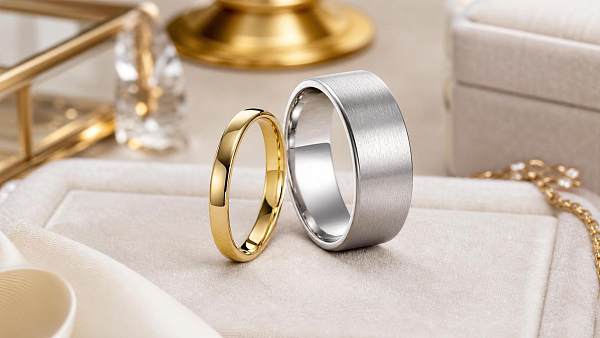
Comparing titanium wedding bands should help you find lasting value, not push you into paying more for branding or vague product claims. The smartest way to compare titanium wedding bands is to focus on measurable details: titanium grade, ring construction, finish quality, comfort fit, sizing policy, warranty, and total price transparency. When those factors are clear, it becomes much easier to separate a fair offer from an overpriced one.
Why a checklist matters when comparing titanium wedding bands
Titanium rings often look similar in photos. Pricing, however, can vary widely across sellers, marketplaces, and jewelry brands. That gap usually comes from branding, unclear specifications, or added services that are not explained well.
A checklist turns an emotional purchase into a practical comparison. It helps you review titanium wedding bands by the same standards, so polished marketing does not outweigh material quality or long-term wear performance.
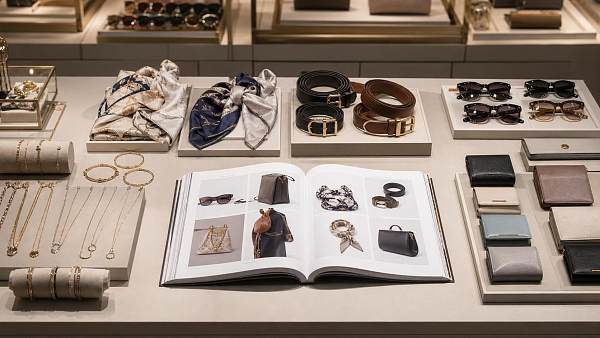
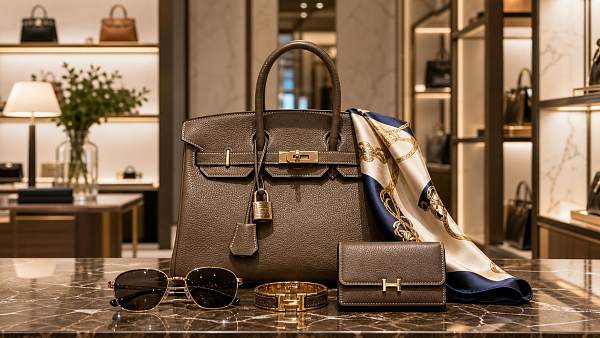
This approach is also useful in broader commercial sourcing. Transparent specs, finish consistency, and after-sales terms are the same principles used to evaluate reliable products across premium accessory categories.
Core checklist: how to compare titanium wedding bands without overpaying
- Check the titanium grade first. Ask whether the ring uses commercially pure titanium or aerospace-style alloys, and make sure the seller states the material clearly.
- Verify the ring width and thickness. Two titanium wedding bands can share a diameter but feel very different in weight, profile, and daily comfort.
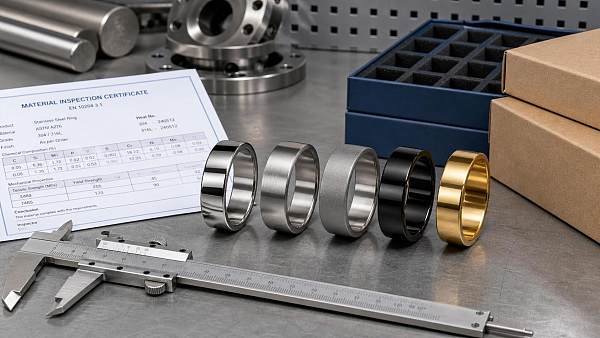
- Inspect the finish description carefully. Brushed, matte, sandblasted, hammered, and polished surfaces wear differently and affect how scratches become visible over time.
- Confirm whether the ring has a true comfort-fit interior. A rounded inner profile improves wearability and often justifies a moderate price difference.
- Review craftsmanship details. Look for clean edges, consistent symmetry, smooth interior polishing, and precise transitions between finishes or inlays.
- Ask if the ring includes inlays or coatings. Wood, carbon fiber, ceramic, black plating, and gold accents can raise price while also changing durability needs.
- Compare sizing policies before purchase. Titanium wedding bands are harder to resize than traditional gold rings, so exchange terms matter as much as design.
- Read the warranty with care. A useful warranty should explain coverage for manufacturing defects, finish issues, and replacement procedures in plain language.
- Separate material value from brand premium. Titanium is valued for strength, lightness, and corrosion resistance, but logo-driven pricing can still inflate the final cost.
- Calculate the full delivered price. Include engraving, shipping, taxes, ring boxes, return labels, and possible resizing exchanges when comparing offers.
What a fair titanium ring listing should include
A trustworthy listing should state metal grade, width, thickness, finish type, interior profile, available sizes, and any decorative materials. It should also show close-up images that reveal edge finishing and surface texture.
If a seller avoids specifics and leans only on emotional language, compare with caution. Titanium wedding bands should be easy to describe in technical terms, even when the design is simple.
How pricing really works for titanium wedding bands
The base metal itself is not the only cost driver. Price also reflects machining precision, finish labor, inventory control, packaging, and return support. Better execution can justify higher cost, but not every premium is meaningful.
For example, a plain brushed band with a comfort-fit interior should not be priced like a heavily customized ring with complex inlays. When comparing titanium wedding bands, match price against design complexity and service terms.
Use this quick comparison framework
- Low price can be fair if specifications are clear, finish work is clean, and the exchange policy protects against sizing mistakes.
- Mid-range pricing often reflects stronger presentation, better finishing consistency, and more reliable customer support.
- High pricing should include either advanced craftsmanship, distinctive materials, or superior service, not branding alone.
Best comparison points for different buying situations
For everyday minimalist wear
Choose a simple dome or flat profile with a brushed or matte finish. These styles usually hide minor scratches better and often offer the best value among titanium wedding bands.
In this case, prioritize comfort fit, edge smoothness, and exchange flexibility. Decorative extras matter less than wearability and sizing accuracy.
For style-focused designs
If you prefer black titanium, hammered textures, beveled edges, or mixed-material inlays, compare not only appearance but also maintenance expectations. Some finishes are more difficult to refinish or replace.
Pay close attention to how the decorative element is integrated. On titanium wedding bands, weak bonding or poor alignment can turn a visual upgrade into a long-term issue.
For gift purchases or remote ordering
Remote buying increases sizing risk. In that situation, the best value often comes from a seller offering a clear exchange process rather than the lowest listed price.
Request exact dimensions and confirm whether the ring is made to order. Titanium wedding bands with custom engraving may have limited return options.
Commonly overlooked risks when comparing titanium wedding bands
Ignoring the difference between finish durability and scratch visibility
Titanium is durable, but no finish is immune to wear. A polished surface may show marks faster than a satin one, even when the base material performs well.
Assuming every titanium ring is hypoallergenic in the same way
Titanium is generally skin-friendly, but coatings, adhesives, and inlay materials can affect the wearing experience. Ask about all materials, not just the base metal.
Overlooking resize limitations
Many buyers focus on design first and sizing later. Because titanium wedding bands are not as easily resized as precious metal rings, this can become an expensive mistake.
Paying extra for vague “premium” claims
Words like premium, luxury, or elite mean very little without material and manufacturing details. Price increases should map to something you can verify directly.
Practical steps to compare offers side by side
- Create a short comparison sheet with seller name, titanium grade, width, thickness, finish, comfort fit, customization, warranty, and final delivered price.
- Eliminate listings that do not disclose enough specifications. If you cannot compare key details, you cannot judge value accurately.
- Shortlist three options only. Too many choices can make branding and presentation feel more important than actual ring quality.
- Ask one direct question before buying. The speed and clarity of the answer often reveal how dependable the seller will be after purchase.
Final takeaway on titanium wedding bands
The best titanium wedding bands are not necessarily the cheapest or the most advertised. They are the ones with clear specifications, balanced craftsmanship, dependable sizing support, and pricing that makes sense for the design offered.
Start with the checklist, compare only like-for-like options, and question every unexplained premium. That process will help you buy titanium wedding bands with confidence, avoid inflated pricing, and choose a ring built for long-term wear.
Search News
Hot Articles
- Indoor PlaygroundHow to Choose Animatronic Haunted House Props for High-Throughput AttractionsOct 08, 2026
- Fashion & Gem JewelryThermal Diamond Testers: How They Work and When They Can Misidentify StonesOct 07, 2026
- Commercial KitchenWhat Is Driving Demand for Commercial Hospitality Projects Across the GCC?Oct 06, 2026
Popular Tags
Need ExpertConsultation?
Connect with our specialized leisureengineering team for procurementstrategies.
Recommended News
 Oct 07, 2026Thermal Diamond Testers: How They Work and When They Can Misidentify StonesThermal diamond tester guide: learn how it works, spot false positives from moissanite, and choose reliable verification methods for jewelry trade and retail.● Luxury Retail Analyst
 Oct 02, 2026Diamond Tester Wholesale: How to Vet Accuracy, Calibration, and MOQ Before OrderingDiamond tester wholesale guide: verify accuracy, calibration records, supplier quality controls, and MOQ terms before ordering. Source reliable testers with confidence.● Luxury Retail Analyst
 Sep 09, 2026Wholesale Coral Earrings: How Buyers Can Assess Quality, Treatments, and Supply RiskCoral jewelry earrings wholesale guide for buyers: assess quality, treatments, secure settings, documentation, and supply risks before ordering.● Luxury Retail Analyst
 Sep 01, 2026How to Choose a Jewelry Laser Engraving Machine Manufacturer for Custom ProductionChoose a jewelry laser engraving machine manufacturer with proven sample testing, precision fixtures, workflow-ready software, and reliable support for custom production.● Luxury Retail Analyst
 Aug 27, 2026Evaluating Luxury Retail Accessories Suppliers: Quality, Lead Times, and Brand FitLuxury retail accessories supplier selection made clearer: assess quality, lead times, compliance, costs, and brand fit to protect premium launches and margins.● Luxury Retail Analyst
 Jul 29, 2026Fine Jewelry Price Guide: What Affects Cost and How to Judge Real ValueFine jewelry price guide for buyers: learn what drives cost in metals, gemstones, craftsmanship, certification, and branding so you can judge real value, reduce sourcing risk, and buy with confidence.● Luxury Retail Analyst
 Jul 14, 2026What to Ask an Enamel Jewelry Manufacturer Before Sampling and Mass ProductionEnamel jewelry manufacturer selection starts with the right questions. Learn what to ask about materials, color matching, MOQ, QC, compliance, and lead times before sampling and mass production.● Luxury Retail Analyst
 Jul 12, 2026Surgical Steel Belly Rings vs Titanium: Material Differences, Safety, and CostSurgical steel belly rings vs titanium: compare safety, nickel exposure, comfort, durability, and cost to choose the best option for sensitive skin or budget-friendly style.● Luxury Retail Analyst
 Jul 12, 2026Natural Coral Jewelry Guide: How to Identify Real Coral, Treatments, and QualityNatural coral jewelry guide covering how to identify real coral, spot treatments, assess quality, and buy with confidence. Learn the key signs before you choose.● Luxury Retail Analyst
 Jul 11, 2026Braided Leather Bracelets OEM: Material, Clasp, and MOQ Factors Before SamplingBraided leather bracelets OEM guide covering material grades, clasp options, and MOQ factors before sampling. Learn how to reduce sourcing risk, control cost, and choose the right supplier.● Luxury Retail Analyst
 Jul 09, 2026Jewelry Craftsmanship Gemstone Setting Methods Explained: Prong, Bezel, Pave, and MoreJewelry craftsmanship gemstone setting explained clearly: compare prong, bezel, pavé, channel, and more to choose secure, beautiful, and commercially smart jewelry designs.● Luxury Retail Analyst
 Jul 06, 2026Photo Locket Necklace Manufacturer Selection Guide: Materials, MOQ, and Custom OptionsPhoto locket necklace manufacturer selection guide covering materials, MOQ, custom options, compliance, and quality checks to help buyers source smarter and build stronger jewelry lines.● Luxury Retail Analyst
 Jul 05, 2026What to Check When Comparing a Sterling Silver Clasp ManufacturerChoosing a sterling silver clasp manufacturer? Learn what to check first: 925 silver claims, finish quality, testing, compliance, lead times, and hidden sourcing costs.● Luxury Retail Analyst
 Jul 02, 2026Jewelry Craftsmanship Techniques Explained: Casting, Stone Setting, Engraving, and PolishingJewelry craftsmanship techniques explained: discover how casting, stone setting, engraving, and polishing shape quality, durability, and sourcing confidence.● Luxury Retail Analyst
 Jul 01, 2026Lost Wax Casting Machines Explained: Types, Capacity, and Metal CompatibilityLost wax casting machines explained: compare types, real capacity, and metal compatibility to choose the right system for precision casting, higher quality, and smarter sourcing.● Luxury Retail Analyst
 Jun 29, 2026How to Evaluate a Luxury Accessories Online Store Before You BuyLuxury accessories online store buying guide: learn how to verify authenticity, compare policies, check reviews, and avoid costly mistakes before you place an order.● Luxury Retail Analyst
 Jun 22, 2026Matching Couple Rings: Popular Materials, Fit Differences, and How to ChooseMatching couple rings guide: compare popular materials, fit differences, comfort, durability, and resizing options to choose a stylish pair that truly lasts.● Luxury Retail Analyst
 Jun 19, 2026How to Build a Fashion Accessories Catalog That Improves Product Discovery and SalesFashion accessories catalog strategies that improve product discovery, filtering, and conversions. Learn how to structure pages, categories, and data to drive more qualified sales.● Luxury Retail Analyst
 Jun 19, 2026How to Choose Luxury Accessories for Women by Material, Style, and Price PointLuxury accessories for women: learn how to choose the right pieces by material, style, and price point for better value, timeless appeal, and smarter buying decisions.● Luxury Retail Analyst
 Jun 18, 2026Stainless Steel Rings Bulk: 304 vs 316L, Finishes, and Custom Order FactorsStainless steel rings bulk guide: compare 304 vs 316L, explore finish options, and learn key custom order factors to reduce sourcing risk and improve product value.● Luxury Retail Analyst
 Jun 18, 2026Body Piercing Jewelry Bulk Buying Guide: Materials, Sizes, and MOQ QuestionsBody piercing jewelry bulk buying guide covering safe materials, size checks, MOQ strategy, supplier screening, and compliance tips to reduce risk and source with confidence.● Luxury Retail Analyst
 Jun 18, 2026How to Evaluate a Luxury Jewelry Exporter for Quality, Compliance, and DeliveryLuxury jewelry exporter evaluation starts with more than design. Learn how to verify quality, compliance, and delivery control to source premium jewelry with less risk.● Luxury Retail Analyst
 Jun 17, 2026Iced Out Watches Wholesale: How to Compare MOQ, Stone Quality, and MarginsIced out watches wholesale guide: compare MOQ, stone quality, and real margins to choose reliable suppliers, reduce risk, and grow resale profits with smarter sourcing.● Luxury Retail Analyst
 Jun 15, 2026How to Evaluate an Amber Jewelry Manufacturer: Quality Grades, OEM Options, and Lead TimesAmber jewelry manufacturer selection starts with quality grades, OEM capability, and realistic lead times. Learn how to compare suppliers, reduce sourcing risk, and choose with confidence.● Luxury Retail Analyst