CPSC Proposes New Impact-Absorption Testing for Indoor Playground Slides and Climbers
The U.S. Consumer Product Safety Commission (CPSC) initiated a public comment period on May 25, 2026, introducing proposed amendments to the safety standard for children’s indoor playground equipment — with direct implications for manufacturers, importers, and suppliers serving the North American market.
Regulatory Proposal Released in Federal Register
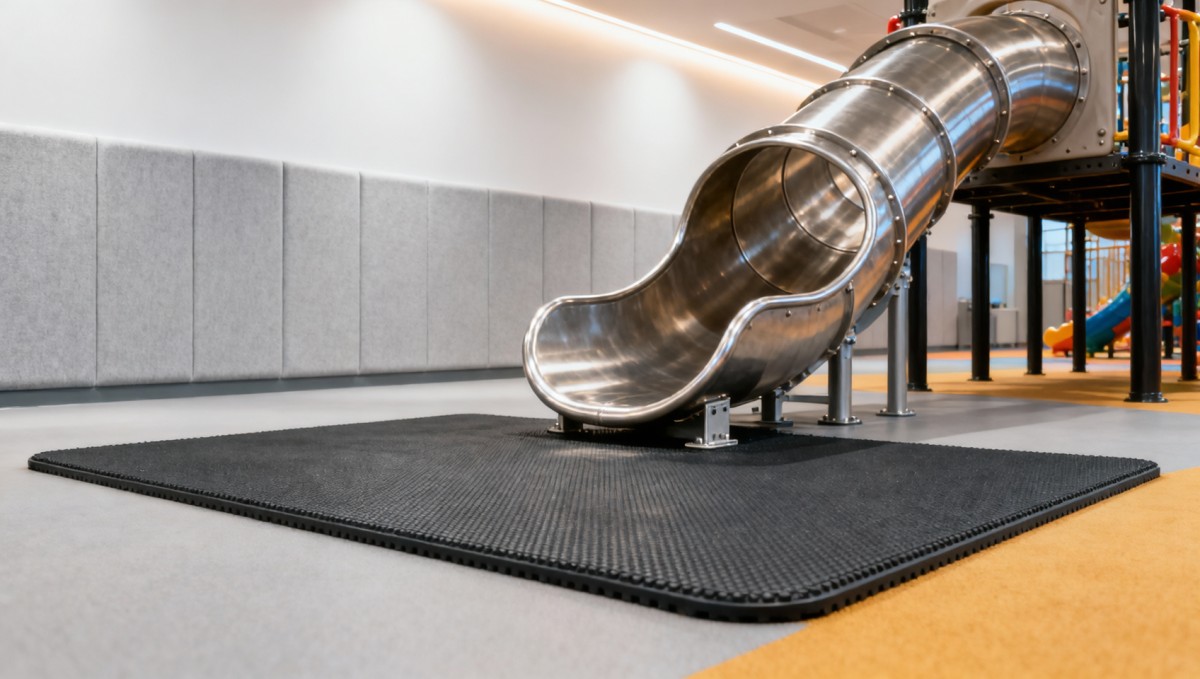
On May 25, 2026, the CPSC published Notice FR Doc. 2026-11245 in the Federal Register, seeking public input on the Amended Safety Standard for Indoor Playground Equipment. The proposal mandates impact-absorption performance verification — per ASTM F1487-23 — for all impact zones beneath slides and climbing structures in indoor playground installations. The rule is scheduled to take effect in Q1 2027.
Supply Chain Implications Across Key Roles
Export-Oriented Manufacturers
Manufacturers exporting indoor playground systems to the U.S. must now assess whether their current slide and climber designs meet ASTM F1487-23’s impact attenuation requirements at the base landing areas. Compliance will affect product certification pathways, type testing scope, and labeling documentation ahead of customs clearance.
Raw Material and Component Suppliers
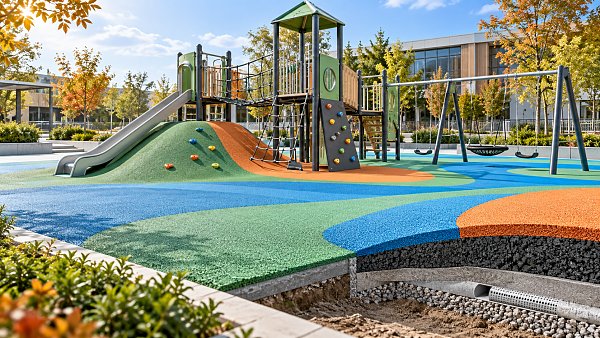
Suppliers of impact-absorbing surfacing materials (e.g., rubber tiles, poured-in-place systems, engineered wood fiber) face heightened demand for certified test reports aligned specifically with ASTM F1487-23 — not just general ASTM F1292 compliance. Documentation traceability and batch-level performance validation will become critical.
Contract Manufacturers and Assemblers
Facilities that fabricate or assemble modular indoor playground units must integrate impact zone verification into final QA protocols. Structural anchoring, subfloor interface design, and mounting configurations — previously treated as secondary to frame integrity — now require joint evaluation with surfacing performance data.
Logistics and Certification Service Providers
Third-party testing labs and conformity assessment bodies will need to expand capacity for ASTM F1487-23 impact testing under indoor-use conditions (e.g., controlled temperature/humidity, non-weathered surfaces). Certification timelines may lengthen due to new test setup and reporting requirements.
Key Compliance Actions for Affected Enterprises
Review Existing Product Certifications Against ASTM F1487-23
Legacy certifications issued under earlier versions of ASTM F1487 (e.g., F1487-17 or F1487-21) do not automatically satisfy the proposed amendment. Enterprises must identify affected SKUs and initiate gap assessments before the comment period closes.
Validate Surfacing Integration in Structural Design Packages
Impact absorption is no longer solely a surfacing specification — it is a system-level requirement. Engineering drawings and installation manuals must explicitly define required surfacing thickness, density, and interface tolerances beneath each slide exit and climber drop zone.
Update Technical Submissions for Public Procurements
U.S. municipal, school district, and commercial recreation RFPs are expected to incorporate ASTM F1487-23 verification as a mandatory technical bid requirement starting in late 2026. Bidders should prepare pre-validated test summaries and third-party declarations for rapid response.
Adjust Lead Times for Testing and Documentation
ASTM F1487-23 impact testing requires full-scale installation simulation, including substrate preparation and environmental conditioning. Enterprises should extend procurement planning windows by 6–8 weeks to accommodate extended lab scheduling and report generation cycles.
Industry Observation: A Shift Toward System-Level Safety Accountability
Analysis shows this proposal reflects a broader regulatory evolution — from component-level compliance toward integrated system safety validation. What deserves closer attention is how CPSC’s emphasis on *under-structure impact zones* signals growing scrutiny of installation context, not just product geometry. From an industry perspective, this elevates the role of installers and specifiers in the compliance chain — suggesting future audits may extend beyond factory production records to site-specific commissioning evidence. Observably, manufacturers with vertically integrated surfacing capabilities or long-standing lab partnerships may gain competitive advantage during the transition phase.
Strategic Takeaway for Market Participants
This amendment does not introduce entirely new hazard categories but refines accountability for known risks — reinforcing that safety in indoor play environments hinges on the interaction between equipment, surfacing, and spatial configuration. Its significance lies less in technical novelty and more in its enforcement posture: CPSC is formalizing expectations that were previously addressed through guidance or post-market review. A measured, evidence-based implementation approach — anchored in ASTM F1487-23 test repeatability and documentation rigor — remains the most appropriate path forward.
Source Attribution and Monitoring Guidance
This article was generated exclusively from the user-provided title, event date (2026-05-25), and summary text. Specific official source links were not provided in the input and should be verified continuously. Stakeholders are advised to monitor the CPSC’s official docket page for FR Doc. 2026-11245, upcoming stakeholder webinars, final rule language, and any clarifications on enforcement timing, test method equivalencies, or transitional provisions — all of which remain subject to change pending the comment period and internal review process.
Search News
Hot Articles
- Indoor PlaygroundHow to Choose Animatronic Haunted House Props for High-Throughput AttractionsOct 08, 2026
- Fashion & Gem JewelryThermal Diamond Testers: How They Work and When They Can Misidentify StonesOct 07, 2026
- Commercial KitchenWhat Is Driving Demand for Commercial Hospitality Projects Across the GCC?Oct 06, 2026
Popular Tags
Need ExpertConsultation?
Connect with our specialized leisureengineering team for procurementstrategies.
Recommended News
 Oct 08, 2026How to Choose Animatronic Haunted House Props for High-Throughput AttractionsAnimatronic haunted house props for high-throughput attractions: compare motion, triggers, safety, and maintenance to create reliable scares that keep guests moving.● Theme Park Strategist
 Oct 07, 2026Thermal Diamond Testers: How They Work and When They Can Misidentify StonesThermal diamond tester guide: learn how it works, spot false positives from moissanite, and choose reliable verification methods for jewelry trade and retail.● Luxury Retail Analyst
 Oct 06, 2026What Is Driving Demand for Commercial Hospitality Projects Across the GCC?Commercial hospitality GCC demand is rising through destination-led tourism, mixed-use development, and premium operational standards. Explore the procurement strategies shaping resilient projects.● Hospitality Sourcing Dir
 Oct 05, 2026How to Select Hotel Hair Dryers That Balance Guest Safety, Durability, and CostHair dryer for hotels: learn how to select safe, durable, cost-efficient models with the right certifications, performance, maintenance, and supplier support.● Hospitality Sourcing Dir
 Oct 04, 2026Fast-Casual Restaurant Interiors: Design Choices That Improve Speed and Guest FlowRestaurant interiors for fast casual brands: discover design choices that improve guest flow, speed service, streamline pickup, and elevate every visit.● Hospitality Sourcing Dir
 Oct 03, 2026How to Select Leisure Park Equipment for Safe, High-Throughput Visitor AreasLeisure park equipment selection guide for safe, high-throughput venues—explore capacity, supervision, durability, accessibility, and supplier criteria.● Theme Park Strategist
 Oct 02, 2026Diamond Tester Wholesale: How to Vet Accuracy, Calibration, and MOQ Before OrderingDiamond tester wholesale guide: verify accuracy, calibration records, supplier quality controls, and MOQ terms before ordering. Source reliable testers with confidence.● Luxury Retail Analyst
 Oct 01, 2026How Hotels Can Choose Amenity Bottles That Balance Brand Image and Refill CostsHotel amenity bottles: learn how to balance premium brand presentation, refill costs, hygiene, durability, and efficient housekeeping workflows.● Hospitality Sourcing Dir
 Sep 30, 2026How to Choose an Aluminum Projector Ceiling Mount for Load, Drop, and Ceiling TypeChoose an aluminum projector ceiling mount with confidence. Learn how load capacity, drop length, ceiling structure, safety retention, and service access shape a reliable commercial AV installation.● Pro Audio Engineer
 Sep 29, 2026Poured Playground Safety Surfacing: How to Specify Thickness for Fall HeightsPoured playground safety surfacing: learn how to specify tested thickness by fall height, ASTM standards, substrate conditions, accessibility, and field verification.● Theme Park Strategist
 Sep 28, 2026How U.S. Schools Can Choose Laboratory Equipment for Safe, Compliant Science LabsSchool laboratory equipment USA: learn how to select safe, compliant lab furniture, ventilation, emergency systems, and durable tools for K–12 science labs.● Institutional Buyer
 Sep 27, 2026Custom Trampoline Park Equipment: Planning Capacity, Safety, and LayoutCustom trampoline park equipment for safer capacity, smooth guest flow, and efficient layouts. Explore practical planning insights for a high-performing park.● Theme Park Strategist
 Sep 26, 2026How to Choose Dynamic Microphones for Vocals in Live Stage SettingsDynamic microphones for vocals: learn how to match polar patterns, feedback control, durability, and clarity to live stage needs for reliable, professional sound.● Pro Audio Engineer
 Sep 25, 2026How to Evaluate a Wall-Mounted Hotel Hair Dryer Manufacturer for Bulk ProjectsHotel hair dryers wall mounted manufacturer evaluation guide: compare safety, durability, installation fit, OEM options, total cost, and reliable bulk-project support.● Hospitality Sourcing Dir
 Sep 24, 2026Conveyor Pizza Oven Price: What Buyers Should Budget for Capacity and FeaturesConveyor pizza oven price guide: compare capacity, features, installation costs, and quote factors to choose the right commercial oven for your operation.● Hospitality Sourcing Dir
 Sep 23, 2026How Restaurant Buyers Can Source Hospitality Supplies Without OverorderingHospitality supplies for restaurants: learn practical sourcing strategies to cut excess inventory, protect cash flow, improve supplier reliability, and keep every service running smoothly.● Hospitality Sourcing Dir
 Sep 22, 2026Commercial Kitchen Design Price: Budgeting by Layout, Equipment, and MEP ScopeCommercial kitchen design price explained: budget smarter for layout, equipment, MEP scope, compliance, installation, and long-term operational performance.● Hospitality Sourcing Dir
 Sep 21, 2026How Schools Can Cut Printing Costs When Buying Ink Cartridges in BulkSchool ink cartridges wholesale made smarter: cut printing costs with fleet planning, cost-per-page comparisons, reliable suppliers, and inventory controls.● Institutional Buyer
 Sep 20, 2026How to Evaluate a Luxury Retail Packaging Supplier for Premium Brand ConsistencyLuxury retail packaging supplier evaluation guide: protect premium brand consistency with proven quality control, material expertise, scalable production, and supply reliability.● Luxury Retail Analyst
 Sep 19, 2026How to Select a Spiral Dough Mixer for Bakery Batch Size and Dough HydrationSpiral dough mixer bakery guide: match batch size, flour load, and hydration to select reliable torque, temperature control, and consistent dough results.● Hospitality Sourcing Dir
 Sep 18, 2026What Drives Animatronic Dinosaur Manufacturer Prices for Theme Park Projects?Animatronic dinosaurs manufacturer price guide: compare motion, materials, controls, installation, and lifecycle costs to plan a durable theme park attraction.● Theme Park Strategist
 Sep 17, 2026How to Source Wholesale Packing Tape Without Compromising Carton Seal StrengthWholesale packing tape sourcing guide: compare adhesive, backing, carton conditions, and real-world trials to reduce costs while maintaining reliable carton seal strength.● Institutional Buyer
 Sep 16, 2026How to Source Educational Furniture Worldwide for Safe, Flexible Learning SpacesEducational furniture worldwide: learn how to source safe, flexible, durable learning-space solutions while controlling compliance, logistics, and lifecycle costs.● Institutional Buyer
 Sep 15, 2026How to Choose Coin-Operated Pool Tables for Bars, Hotels, and Arcade VenuesCoin operated pool tables for bars, hotels, and arcades: compare sizes, payment systems, durability, service access, and revenue potential.● Theme Park Strategist