What Is Driving Demand for Commercial Hospitality Projects Across the GCC?
Demand for commercial hospitality GCC projects is being driven by more than new hotel announcements. The stronger force is the way the region is reshaping destinations: tourism, business travel, entertainment, retail, residential development, and public-facing infrastructure are increasingly planned as connected guest experiences. That creates work not only for hotel developers, but also for teams delivering restaurants, resort facilities, serviced residences, event venues, leisure zones, and mixed-use assets.
For delivery teams, the practical implication is clear: hospitality fit-out and operational equipment can no longer be treated as a late procurement package. Design expectations are rising, opening timelines are tight, and a project that looks premium at handover can still fail operationally if its kitchens, laundry, acoustics, access systems, fixtures, and maintenance plans were not coordinated early enough.
Destination-led development is expanding the hospitality pipeline
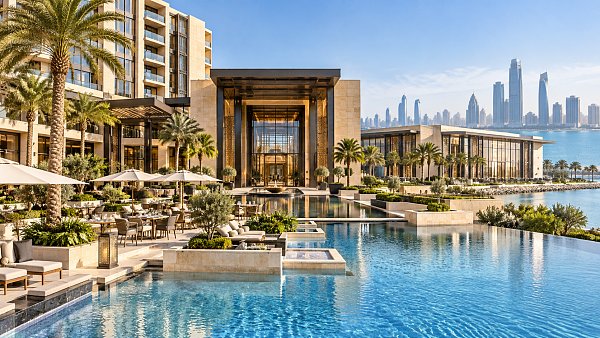
Across the GCC, large urban districts and destination developments are designed to attract repeat visits rather than simply provide accommodation. A guest may arrive for a conference, stay in a hotel, eat in several venues, attend an event, shop, use a wellness facility, and spend time in a leisure attraction. Each component has separate operational requirements, but the customer experiences them as one destination.
This approach expands demand beyond the conventional hotel model. A development may need all-day dining outlets, specialist kitchens, banquet production, poolside service points, staff catering, back-of-house storage, guest transport areas, lobby audio systems, retail displays, family entertainment zones, and flexible event spaces. The greater the mix of uses, the more interfaces a project manager must control.
That is why the question is not simply how many rooms are being built. It is whether the scheme is creating a place where people are expected to spend time and money. Projects built around meetings, culture, sports, wellness, retail, waterfront activity, or entertainment usually require a broader commercial hospitality scope than a stand-alone accommodation asset.
Tourism growth is changing the required product, not just adding capacity
Tourism expansion is often discussed in terms of visitor volume, but the operational effect is more important for project planning. A destination that aims to serve leisure travellers, corporate groups, families, luxury guests, and regional weekend visitors needs different service flows and different levels of flexibility.
A business-oriented hotel may prioritize efficient arrivals, meeting-room connectivity, fast food service, and durable high-turnover public areas. A resort may place greater emphasis on outdoor food and beverage operations, wet-area materials, recreation equipment, and distributed service points. An integrated entertainment destination may need crowd management, queueing systems, resilient finishes, high-capacity kitchens, and audio infrastructure that can operate around other guest activity.
Trying to apply one hospitality specification across these formats creates avoidable problems. Equipment may be oversized for the available utilities, underpowered for peak periods, difficult to service locally, or visually inconsistent with the intended guest experience. The commercial hospitality market in the GCC is becoming more specialized because the assets themselves are becoming more differentiated.
Premiumization is moving from visual design into operational performance
Premium hospitality is sometimes reduced to expensive finishes, signature furniture, or a highly styled lobby. Those elements matter, but they do not determine whether a property can deliver a premium experience every day. Guests notice long waits, poor room acoustics, inconsistent temperature control, noisy service activity, limited dining capacity, and out-of-service amenities far more quickly than they notice a specification sheet.
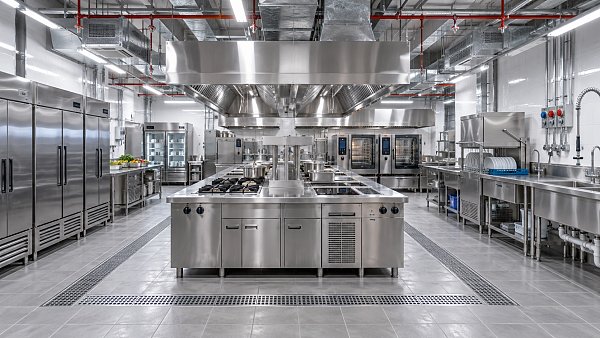
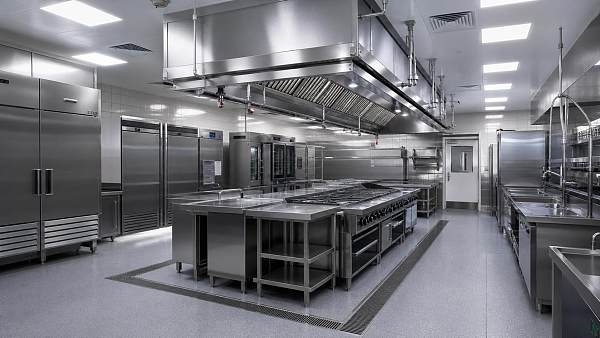
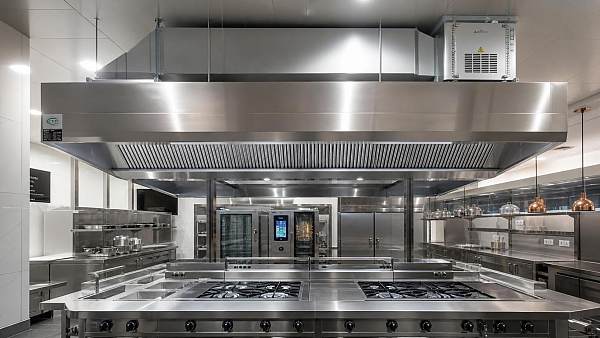
As owners raise brand and guest-experience expectations, they are placing more value on systems that support reliable operation. In practice, this means greater attention to commercial kitchen workflows, refrigeration resilience, dishwashing capacity, ventilation coordination, laundry throughput, water-use management, durable furniture, lighting controls, professional audio, and maintainable public-area finishes.
The important distinction is between a product that is suitable for installation and a solution that is suitable for operation. A visually attractive item may still be the wrong choice if replacement parts are slow to obtain, cleaning procedures are impractical, or local technicians cannot support it. In a high-profile opening, these issues often emerge after the procurement decision is already difficult to reverse.
Mixed-use projects are creating more complicated delivery conditions
Hotels are increasingly delivered within larger residential, retail, office, or leisure developments. This can improve the business case for a destination, but it creates engineering and coordination challenges that are easy to underestimate.
Shared loading routes, service lifts, waste handling, plant areas, parking access, noise boundaries, and utilities must work for tenants with very different operating hours. A restaurant may require early-morning deliveries; a hotel needs uninterrupted guest circulation; an event venue may experience short but intense peaks; retail operators may need their own servicing windows. These requirements cannot be solved by selecting individual products in isolation.
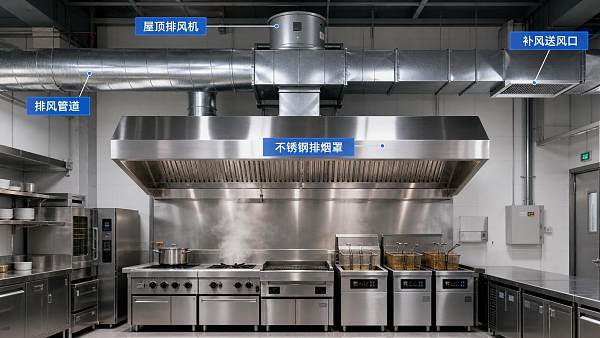
Acoustics are a frequent example. A venue with live music, a rooftop restaurant, a ballroom, and guest rooms may all occupy the same structural system. Treating sound containment as a finishing issue can result in disruptive remedial work later. The same is true of grease exhaust, fresh-air supply, drainage, electrical load, fire strategy, and access for maintenance.
Commercial hospitality GCC projects therefore demand earlier alignment between architects, MEP engineers, operators, kitchen consultants, interior designers, procurement teams, and specialist suppliers. The best time to resolve operational constraints is before the design becomes dependent on an unsuitable layout or a fixed service route.
What this demand means for procurement strategy
Growing project activity does not automatically make sourcing easier. It can increase competition for capable manufacturers, specialist subcontractors, logistics capacity, installation teams, and commissioning support. When multiple projects move toward opening at the same time, late changes can have a disproportionate effect on programme certainty.
For this reason, procurement should be sequenced according to technical dependency and operational risk, not only by package value. Long-lead equipment matters, but so do items that require built-in coordination: kitchen exhaust systems, cold rooms, laundry equipment, access control interfaces, custom joinery, specialist lighting, integrated audio, and bespoke outdoor furniture. These items influence builders' work, power and water connections, ventilation, clearances, drainage, and final testing.
A useful early procurement review should establish the following:
- Which packages alter MEP loads, penetrations, or structural requirements?
- Which products need sample approval before finishes or fabrication can proceed?
- Which suppliers can provide drawings, installation data, commissioning support, and a realistic spare-parts pathway?
- Which public-facing items will experience the highest wear, cleaning frequency, moisture exposure, or abuse?
- Which guest-experience systems must integrate with the operator's technology, security, and service model?
- Where can standardized components protect the schedule without weakening the intended design?
Early answers reduce the tendency to substitute products purely because they are immediately available. A substitute may fit the budget but create a mismatch in dimensions, warranty responsibility, voltage configuration, fire performance, or maintenance requirements. The apparent saving can then shift into site rework or post-opening disruption.
Local suitability matters as much as global brand recognition
International hospitality brands and design concepts are influential in the GCC, yet a globally recognized product is not automatically suitable for every regional site. Heat, dust, outdoor exposure, high cooling demand, water conditions, intensive cleaning, delivery constraints, and staffing patterns can all affect product selection.
Outdoor dining furniture, for example, should be assessed for its actual exposure rather than specified only for appearance. Commercial kitchen equipment should be matched to menu volume, extraction design, available utilities, and cleaning access. Decorative lighting needs to work with the maintenance strategy and ceiling access. A guest-room specification should account for housekeeping use, luggage impact, turnover, and replacement consistency across the property.
There is also a common error in assuming that compliance is a document to collect at the end of procurement. Compliance affects material choices, electrical compatibility, fire performance, food-contact surfaces, accessibility, installation method, and maintenance records. It needs to be built into the supplier evaluation process from the beginning, alongside cost and aesthetic approval.
The market is rewarding repeatable quality, not one-off sourcing wins
For owners with a pipeline of hospitality assets, the most valuable sourcing model is rarely the one that secures the lowest price on a single project. It is the model that creates repeatable specifications, credible alternates, dependable technical support, and clear accountability across several openings.
That does not mean every property should look identical. A luxury resort, city hotel, lifestyle restaurant, and family entertainment venue need distinct identities. However, behind the guest-facing design, standardized equipment platforms, approved material categories, shared maintenance practices, and qualified supplier pools can reduce risk without making the experience generic.
This is where sector-specific market intelligence is useful. Platforms such as Global Commercial Trade can help project teams compare manufacturers and sourcing options across hotel and catering equipment, leisure environments, professional audio, commercial interiors, and specialty retail applications. The value is not simply finding more suppliers; it is narrowing the field to suppliers whose capabilities, documentation, customization capacity, and delivery model fit the project’s actual operating conditions.
Where demand is strongest, execution discipline becomes a differentiator
The commercial hospitality opportunity across the GCC is broad, but it is uneven. Demand will be strongest where a project has a credible reason to attract guests repeatedly: a connected business district, a leisure destination, a transport-linked location, a mixed-use neighborhood, an event-driven venue, or a distinctive resort setting. In these environments, the standard of execution rises because competing properties are selling convenience, atmosphere, service, and reliability at the same time.
Project teams should resist judging the market only through announced developments. The more useful question is whether a scheme has a defined operating concept and whether its design, services, procurement, and maintenance model support that concept. A restaurant cannot compensate for an underdesigned back-of-house. A hotel cannot protect its reputation if key facilities are difficult to maintain. A destination cannot sustain visitor interest if its spaces were planned only for opening day.
The current demand cycle favors teams that treat hospitality as an operating system rather than a collection of finishes and equipment. Establish the guest journey, translate it into service flows and technical requirements, lock down high-dependency packages early, and select suppliers based on lifecycle fit as well as presentation. That is how commercial hospitality projects can meet ambitious opening targets while remaining usable, compliant, and commercially resilient after launch.
Search News
Hot Articles
- Commercial KitchenWhat Is Driving Demand for Commercial Hospitality Projects Across the GCC?Oct 06, 2026
- Hotel Room AmenitiesHow to Select Hotel Hair Dryers That Balance Guest Safety, Durability, and CostOct 05, 2026
- Restaurant FurnitureFast-Casual Restaurant Interiors: Design Choices That Improve Speed and Guest FlowOct 04, 2026
Popular Tags
Need ExpertConsultation?
Connect with our specialized leisureengineering team for procurementstrategies.
Recommended News
 Oct 06, 2026What Is Driving Demand for Commercial Hospitality Projects Across the GCC?Commercial hospitality GCC demand is rising through destination-led tourism, mixed-use development, and premium operational standards. Explore the procurement strategies shaping resilient projects.● Hospitality Sourcing Dir
 Sep 24, 2026Conveyor Pizza Oven Price: What Buyers Should Budget for Capacity and FeaturesConveyor pizza oven price guide: compare capacity, features, installation costs, and quote factors to choose the right commercial oven for your operation.● Hospitality Sourcing Dir
 Sep 23, 2026How Restaurant Buyers Can Source Hospitality Supplies Without OverorderingHospitality supplies for restaurants: learn practical sourcing strategies to cut excess inventory, protect cash flow, improve supplier reliability, and keep every service running smoothly.● Hospitality Sourcing Dir
 Sep 22, 2026Commercial Kitchen Design Price: Budgeting by Layout, Equipment, and MEP ScopeCommercial kitchen design price explained: budget smarter for layout, equipment, MEP scope, compliance, installation, and long-term operational performance.● Hospitality Sourcing Dir
 Sep 19, 2026How to Select a Spiral Dough Mixer for Bakery Batch Size and Dough HydrationSpiral dough mixer bakery guide: match batch size, flour load, and hydration to select reliable torque, temperature control, and consistent dough results.● Hospitality Sourcing Dir
 Sep 14, 2026How Restaurants Can Choose Disposable Wooden Cutlery for Takeout and CateringDisposable wooden cutlery fork spoon knife guide for restaurants: compare strength, finish, packaging, food-contact needs, and catering performance.● Hospitality Sourcing Dir
 Sep 12, 2026How to Size a Restaurant Walk-In Cooler for Peak Inventory and Kitchen LayoutRestaurant walk in coolers sized for peak inventory and kitchen workflow help improve food safety, staff efficiency, storage access, and long-term operational performance.● Hospitality Sourcing Dir
 Sep 10, 2026How to Choose a CE Hot Dog Roller for Safe, High-Volume Food Service?Choose a CE hot dog roller with confidence: compare compliance documents, heating consistency, cleaning design, capacity, and total cost for safe, high-volume food service.● Hospitality Sourcing Dir
 Sep 04, 2026How to Evaluate a Commercial Food Warmer Manufacturer for Bulk Catering ProjectsCommercial food warmer manufacturer evaluation guide for bulk catering projects: compare thermal performance, compliance, customization, costs, and after-sales support.● Hospitality Sourcing Dir
 Aug 30, 2026How Can Buyers Verify Supplier Qualifications Before a Bulk Order?How to confirm supplier qualifications before placing a bulk order: verify legal identity, factory capability, certificates, samples, quality controls, and payment safeguards.● Hospitality Sourcing Dir
 Aug 28, 2026Commercial Kitchen Design Standards: A Planning Checklist for Code-Compliant LayoutsCommercial kitchen design standards: use this practical checklist to plan safer, code-compliant layouts, streamline approvals, and avoid costly rework.● Hospitality Sourcing Dir
 Aug 06, 2026How to Choose Flake Ice Makers for Seafood Displays, Bars, and Food Prep?Flake ice makers buying guide: compare output, hygiene, storage, energy use, and reliability to choose the best solution for seafood displays, bars, and food prep.● Hospitality Sourcing Dir
 Aug 03, 2026Commercial Kitchen Design Price: What Drives Cost in a New Build Project?Commercial kitchen design price explained: discover what drives cost in a new build, from layout and equipment to ventilation, compliance, and hidden budget risks.● Hospitality Sourcing Dir
 Jul 30, 2026How to Choose a Countertop Commercial Pizza Oven for Capacity, Speed, and Space?Countertop commercial pizza oven buying guide: learn how to match capacity, bake speed, and kitchen space for consistent output, lower costs, and smarter purchasing decisions.● Hospitality Sourcing Dir
 Jul 22, 2026How to Evaluate a Cotton Candy Machine Supplier for Quality, Lead Time, and MOQCotton candy machine supplier selection starts with quality, lead time, and MOQ. Learn how to compare suppliers, reduce sourcing risk, and choose a partner that supports reliable growth.● Hospitality Sourcing Dir
 Jul 21, 2026How to Choose a Charcoal Commercial Grill for Capacity, Heat Control, and Menu FitCharcoal commercial grill buying guide: learn how to match capacity, heat control, and menu fit to boost consistency, service speed, and ROI in commercial kitchens.● Hospitality Sourcing Dir
 Jul 10, 2026FDA Import Alert Adds NSF/ANSI 50-2026 for Commercial Kitchen EquipmentFDA Import Alert now highlights NSF/ANSI 50-2026 for commercial kitchen equipment. Learn how dishwashers, ice machines, and steam cabinets can avoid U.S. port detention.● Hospitality Sourcing Dir
 Jul 05, 2026How to Select Energy Efficient Display Cabinets for Food Retail and HospitalityEnergy efficient display cabinets can cut operating costs while improving food safety, visibility, and service efficiency. Learn how to choose the right model for retail and hospitality.● Hospitality Sourcing Dir
 Jul 04, 2026CPSC Flags New UL 2595 Label Rule for Commercial Ice MakersCPSC flags a new UL 2595 label rule for commercial ice makers entering the U.S. after Aug. 1, 2026. Learn who is affected, key compliance steps, and how to avoid port delays and recall risk.● Hospitality Sourcing Dir
 Jun 29, 2026How to Choose Thermal Receipt Printers for Retail and Restaurant CountersThermal receipt printers for retail and restaurant counters: learn how to compare speed, durability, connectivity, and total operating cost to choose a model that supports smoother service.● Hospitality Sourcing Dir
 Jun 28, 2026Stainless Steel Kitchen Ventilation Systems: Key Specifications for Commercial ProjectsStainless steel kitchen ventilation systems: compare material grades, airflow capture, hygiene, fire safety, and installation specs for commercial projects before you buy.● Hospitality Sourcing Dir
 Jun 27, 2026Commercial Shawarma Machines: What to Check Before Buying for High-Volume ServiceShawarma machines commercial buying guide: learn how to compare capacity, heat control, durability, compliance, and lifecycle cost before choosing equipment for high-volume service.● Hospitality Sourcing Dir
 Jun 26, 2026Restaurant POS Systems: How to Compare Features, Costs, and ScalabilityRestaurant POS systems: compare features, costs, and scalability to find the best fit for your restaurant and boost long-term efficiency.● Hospitality Sourcing Dir
 Jun 25, 2026Kitchen Ventilation Systems Design: How to Size Hoods, Airflow, and Make-Up AirKitchen ventilation systems design explained clearly: learn how to size hoods, set exhaust airflow, and balance make-up air for safer, more efficient commercial kitchens.● Hospitality Sourcing Dir