Restaurant buyers face constant pressure to control costs, maintain quality, and keep operations running without filling storerooms with unnecessary stock.
Smart sourcing of hospitality supplies for restaurants starts with clearer demand forecasting, supplier evaluation, and category-specific purchasing plans.
This guide explains how procurement teams can secure reliable equipment, tableware, consumables, and back-of-house essentials while reducing waste, tied-up cash, and supply risk.
Start With the Real Cost of Overordering
Overordering is not simply a storage problem. It increases working-capital pressure, creates expiry risk, complicates stock counts, and hides weak purchasing discipline.
For restaurant operators, excess inventory can also reduce flexibility when menus change, locations close temporarily, or customer traffic falls below forecast.
Buyers should measure excess stock in financial terms rather than only by shelf space. The relevant question is how much cash remains unavailable.
Calculate inventory carrying cost by considering purchase value, storage, insurance, damage, obsolescence, expiry, handling time, and the cost of capital.
A restaurant may receive bulk-order discounts, yet still lose money when disposable packaging deteriorates, branded items become outdated, or ingredients expire.
Hospitality supplies for restaurants should therefore be assessed by total landed and carrying cost, not by unit price or supplier discount alone.
Procurement teams need visibility across central stores, individual outlets, temporary event inventory, and goods already ordered but not yet received.
Without this consolidated view, several managers may reorder identical products because each location assumes the other sites have limited stock.
Establish a monthly excess-inventory review that identifies slow-moving stock, non-standard items, duplicate products, and purchases that cannot support current operations.
Build Demand Forecasts From Operating Data
The most reliable ordering plan begins with consumption data, not supplier minimums, assumptions, or last month’s purchase quantities.
Restaurant buyers should link supply demand to covers served, menu mix, delivery volume, event bookings, seasonality, and planned promotional activity.
For example, takeaway container usage should be forecast against delivery orders, while banquet linen demand should reflect confirmed event capacity and turnover cycles.
Historical consumption remains useful, but it must be adjusted for menu changes, new opening hours, weather patterns, local events, and expected customer growth.
Separate baseline demand from exceptional demand. A large one-off catering order should not automatically raise the regular stock target for every following month.
Use a rolling forecast that updates weekly for fast-moving supplies and monthly for stable categories such as furniture, cookware, or durable serviceware.
Buyers should ask operational leaders about upcoming menu launches, maintenance work, refurbishments, private bookings, and promotions before releasing purchase orders.
These conversations often reveal demand changes earlier than inventory software, especially in independent restaurants or rapidly expanding multi-site groups.
Forecast accuracy improves when procurement compares expected usage with actual consumption and records the reason for meaningful variances.
Classify Hospitality Supplies Before Setting Reorder Rules
A single buying rule cannot work for every product. Restaurant supply categories differ substantially in demand variability, shelf life, criticality, and lead time.
Classify hospitality supplies for restaurants into consumables, reusable operational items, spare parts, capital equipment, guest-facing products, and project-specific purchases.
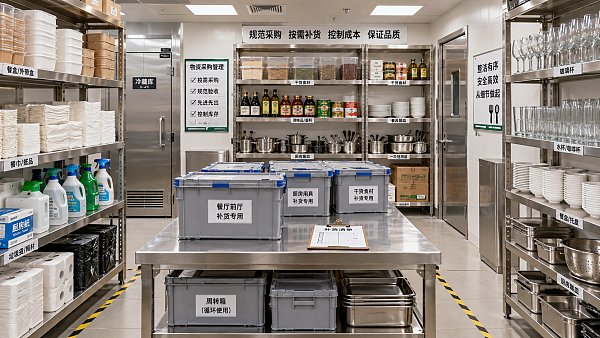
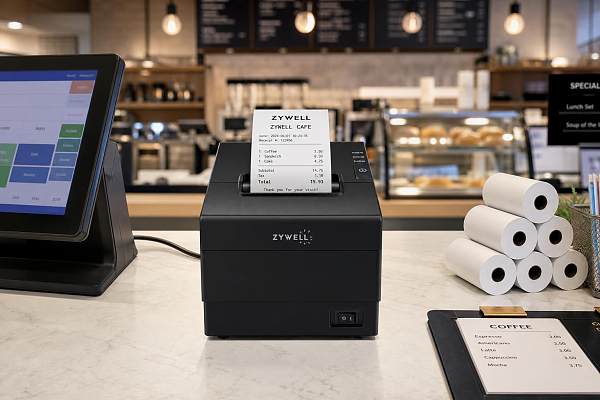
Consumables include napkins, gloves, cleaning chemicals, packaging, receipt rolls, food labels, and disposable service items that move continuously through operations.
These products need frequency-based replenishment rules, but buyers should avoid carrying excessive safety stock simply because their unit prices are low.
Reusable operational items include pans, utensils, trays, glassware, crockery, uniforms, and storage containers, where breakage rates shape replacement demand.
Track losses, breakages, theft, and washing damage separately. Otherwise, buyers may mistake poor operational control for normal replenishment requirements.
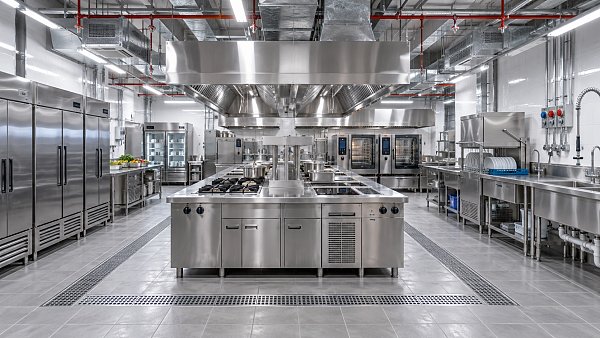
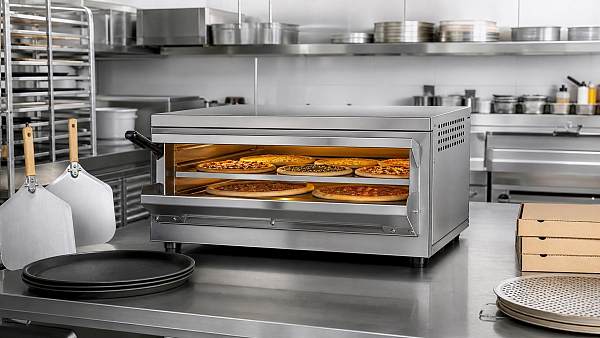
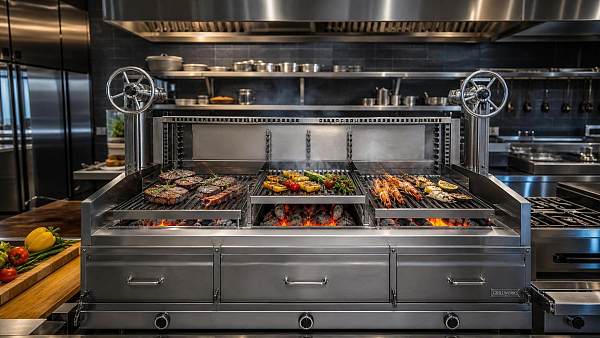
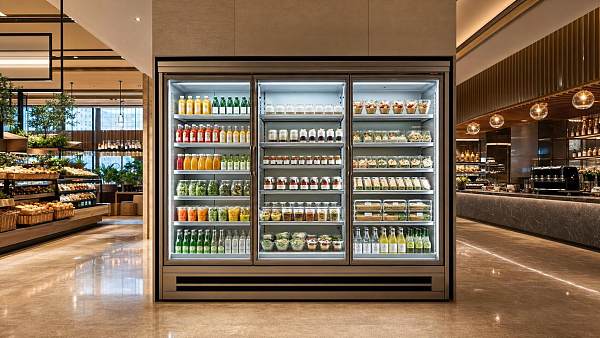
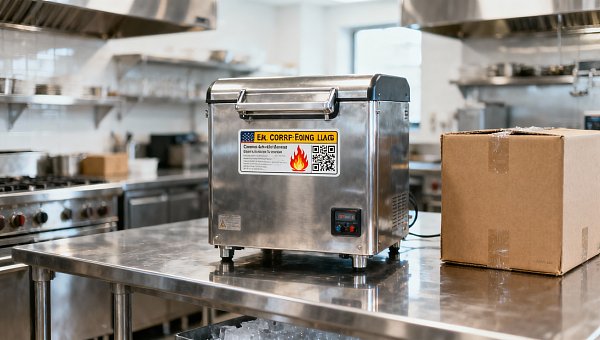
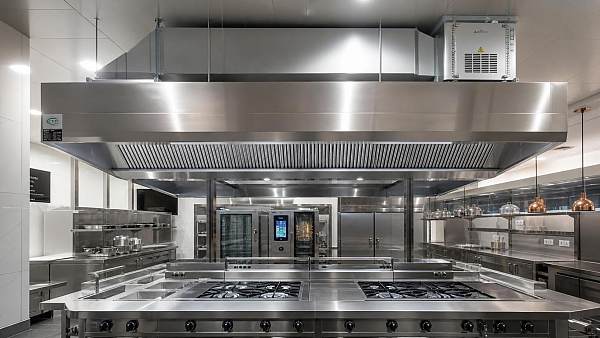
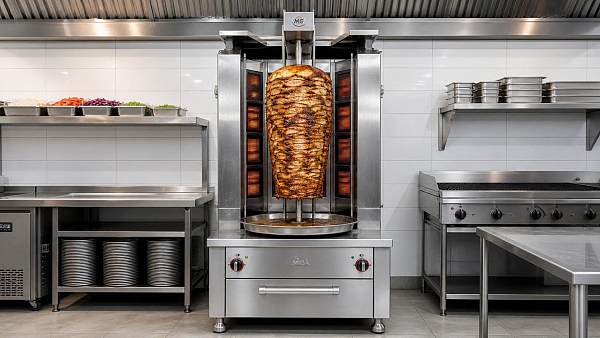
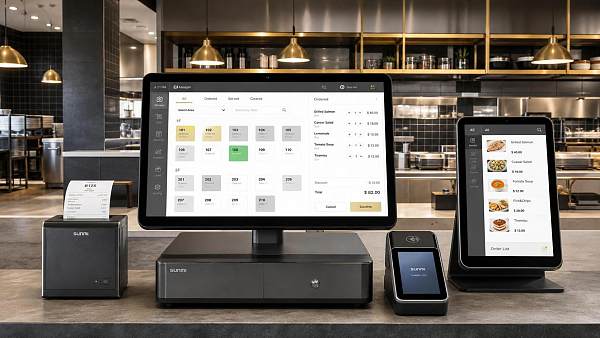
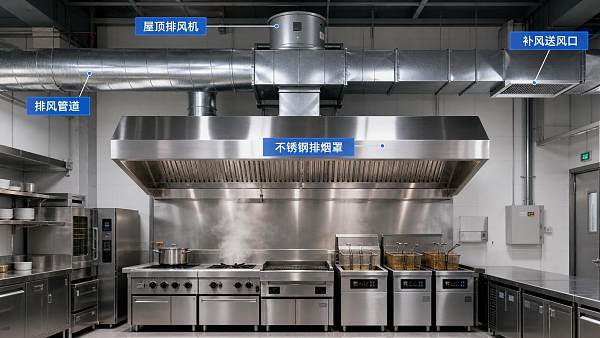
Capital equipment includes ovens, refrigeration units, dishwashers, extraction systems, and point-of-sale hardware, which require lifecycle and service planning.
These purchases should be governed by approval thresholds, technical specifications, installation requirements, warranty coverage, and total cost of ownership.
Project-specific goods, such as custom furniture or branded tableware, require staged procurement schedules instead of normal replenishment settings.
Use Minimum, Maximum, and Safety Stock Levels Carefully
Minimum and maximum stock levels are valuable only when they reflect actual consumption, supplier lead times, delivery reliability, and available storage conditions.
A minimum level should trigger review or replenishment before stockouts occur. It should not automatically produce an oversized purchase order.
Maximum levels should protect cash and space by limiting how much inventory can be ordered without a documented operational reason.
Safety stock is justified when demand is volatile, lead times are uncertain, or a supply interruption would directly stop service.
However, safety stock should not become a permanent substitute for unreliable suppliers, inaccurate records, or weak internal approval processes.
Set different reorder parameters for each restaurant location when customer volume, menu composition, storage capacity, and delivery schedules differ materially.
A busy city-centre outlet may need frequent deliveries and low storage limits, while a resort restaurant may require more inventory resilience.
Review reorder points after major operational changes rather than leaving them unchanged for years because they were once configured in software.
For volatile products, buyers can use shorter ordering cycles instead of holding large buffer inventories that may never be consumed.
Choose Suppliers for Reliability, Not Just Quoted Price
Supplier selection has a direct effect on overordering. Buyers often place larger orders because they do not trust a supplier’s delivery consistency.
A lower-price supplier can become expensive when incomplete deliveries, damaged goods, inconsistent specifications, or late substitutions force emergency purchasing.
Evaluate suppliers against measurable criteria including order accuracy, on-time delivery, fill rate, quality consistency, responsiveness, payment terms, and complaint resolution.
For imported products, assess customs exposure, shipping frequency, packaging standards, country-of-origin documentation, and the supplier’s ability to maintain stock locally.
Restaurant buyers should also confirm whether suppliers can support smaller, more frequent deliveries without using excessive delivery fees to discourage flexibility.
Negotiate service-level expectations before placing regular volume. Define acceptable substitutions, delivery windows, product tolerances, and escalation contacts in writing.
Approved alternatives are especially important for items such as cleaning chemicals, takeaway packaging, replacement parts, and standardised tableware.
Where practical, maintain a qualified backup supplier for high-risk categories, but do not divide spend unnecessarily across many poorly managed vendors.
A focused supplier base can improve visibility, purchasing leverage, product standardisation, and communication when buyer requirements are clearly controlled.
Standardise Products Across Locations and Menus
Uncontrolled product variation is a common cause of excess inventory. Multiple sites may buy similar items with different sizes, colours, brands, or specifications.
Standardisation reduces duplicate stock, simplifies training, improves order accuracy, and makes it easier to transfer inventory between restaurant locations.
Create an approved product catalogue listing item descriptions, specifications, pack sizes, supplier codes, approved alternatives, and usage locations.
The catalogue should distinguish mandatory standards from optional choices. This prevents local managers from buying non-compliant items for convenience.
For guest-facing items, standardisation should preserve brand experience while allowing justified local adaptation for service style, concept, and customer expectations.
For example, a fine-dining venue may require different glassware than a casual outlet, yet both can use common back-of-house cleaning products.
Procurement should challenge requests for new stock-keeping units unless the requester can show operational, regulatory, quality, or revenue-related value.
Every additional SKU increases administrative work, forecasting complexity, storage needs, and the likelihood that small quantities become stranded stock.
Review the catalogue quarterly to remove discontinued products, replace poor-performing items, and consolidate specifications where practical.
Buy Equipment Through Lifecycle Planning
Equipment overordering usually appears as unnecessary duplication, premature replacement, oversized capacity, or purchases made without maintenance and installation planning.
Before buying equipment, confirm the operating requirement, expected production volume, utility availability, space constraints, safety requirements, and compatibility with existing assets.
Restaurant buyers should involve chefs, facilities teams, finance staff, and service engineers before committing to high-value hospitality equipment.
Chef preference matters, but it should be tested against throughput, energy use, maintenance needs, staff skill levels, and available kitchen space.
Evaluate total cost of ownership over the expected service life, including energy, consumables, repairs, downtime, training, spare parts, and disposal.
A cheaper appliance may create higher lifecycle costs if it requires frequent repairs or cannot be serviced quickly in the operating region.
For specialist equipment, ask suppliers about local technical support, guaranteed parts availability, response times, warranty exclusions, and operator training.
Leasing, rental, or trial arrangements may be suitable when demand is uncertain, technology changes quickly, or a restaurant is testing a new concept.
These approaches can protect capital and reduce the risk of purchasing equipment that becomes underused after the initial operating period.
Create Clear Approval and Receiving Controls
Even strong forecasts fail when staff can place informal orders, approve their own requests, or receive goods without checking quantities and quality.
Set approval thresholds based on category risk and purchase value. Routine replenishment can be streamlined, while exceptions require documented management review.
Purchase requests should state the business reason, stock on hand, forecast usage, requested quantity, supplier, agreed price, and required delivery date.
For non-routine purchases, require comparison quotes or a written sole-source justification that explains compatibility, quality, urgency, or contractual requirements.
Receiving teams should compare delivered goods with purchase orders, delivery notes, product specifications, expiry dates, and visible quality standards.
Record shortages, substitutions, damage, and temperature issues immediately. Delayed reporting makes supplier claims harder and distorts inventory records.
Receiving staff also need authority to reject unsuitable goods, particularly where food safety, hygiene, electrical safety, or brand presentation may be affected.
Three-way matching between purchase order, goods receipt, and supplier invoice helps prevent payment for undelivered, duplicated, or incorrectly priced items.
These controls should remain practical. Excessive approvals can encourage staff to bypass procurement and create the same unmanaged spending the process intends to prevent.
Use Procurement Metrics That Lead to Better Decisions
Restaurant procurement teams need a small set of practical metrics that show whether inventory is supporting service without absorbing unnecessary cash.
Track inventory turnover, stockout frequency, emergency purchases, supplier fill rate, obsolete stock value, forecast variance, and purchase price variance.
Inventory turnover indicates how frequently stock is used and replenished, but it should be interpreted by category rather than as one overall figure.
A slow turnover rate may be acceptable for critical spare parts, while it can indicate excessive purchasing for packaging, cleaning products, or tableware.
Emergency purchases deserve particular attention because they often signal inaccurate forecasts, poor supplier reliability, incorrect stock records, or unauthorised consumption.
Review recurring emergency orders by item and location. The solution may be a revised reorder point, not automatically increasing stock across all sites.
Supplier performance reviews should use actual delivery and quality data rather than anecdotal feedback gathered after a difficult service period.
Share concise performance reports with key suppliers. Constructive visibility supports better service discussions and makes contractual expectations easier to enforce.
Procurement data should ultimately help operators make decisions, not become a reporting exercise disconnected from restaurant service and financial outcomes.
Conclusion: Source for Availability, Not Accumulation
The goal of sourcing hospitality supplies for restaurants is not to hold the largest possible inventory or chase the lowest headline price.
Effective buyers balance availability, quality, service continuity, cash flow, safety requirements, and supplier reliability across every purchasing category.
Better forecasts, product standardisation, supplier service controls, and disciplined receiving processes reduce overordering without exposing restaurants to avoidable stockouts.
When procurement decisions are based on operating data and total cost, restaurant buyers can protect margins while giving teams the supplies needed to serve consistently.