When custom ATA road cases are worth the extra cost
For project managers and engineering leads, the decision to invest in custom ATA road cases often comes down to risk, lifecycle cost, and operational efficiency.
When equipment is expensive, fragile, or time-sensitive, custom ATA road cases often justify their higher purchase price through lower damage rates and faster deployment.
In commercial environments shaped by live events, hospitality installations, education, luxury retail, and technical transport, packaging is not a minor detail.
It affects asset lifespan, insurance exposure, technician workflow, and client-facing reliability.
This article explains when custom ATA road cases are worth the extra cost and how to assess value beyond the upfront quote.
Understanding custom ATA road cases
Custom ATA road cases are transport enclosures built to meet recognized durability expectations for repeated shipping and field handling.
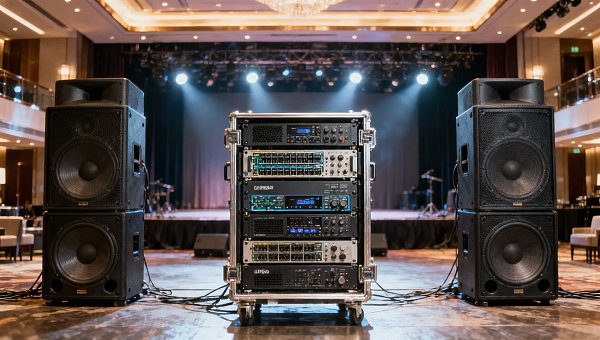
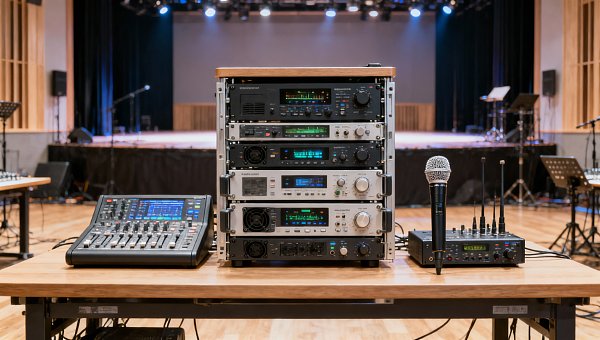
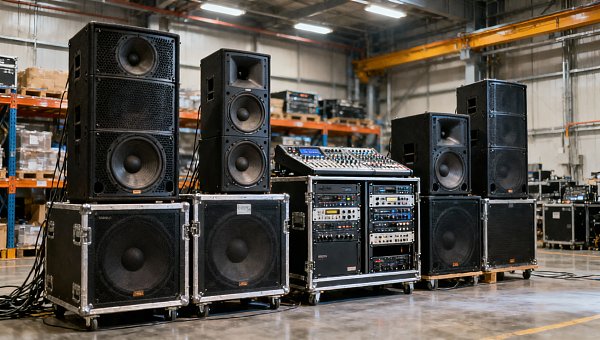
They are commonly used for audio systems, lighting fixtures, broadcast gear, instruments, control consoles, medical devices, and specialty retail displays.
The word custom matters.
Unlike generic flight cases, custom ATA road cases are engineered around exact dimensions, weight distribution, shock points, cable paths, and access requirements.
A proper design may include CNC-cut foam, compartmentalization, rack mounting, recessed hardware, casters, humidity barriers, and branding surfaces.
The result is not simply a box.
It is a protective transport system designed around the asset and the workflow surrounding it.
What drives the price difference
The higher cost of custom ATA road cases usually comes from engineering time, stronger materials, precision fabrication, and fit-tested interiors.
Additional cost can also reflect specialized hardware, export-ready labeling, stackability design, or access features that reduce setup labor on site.
Why the market is paying closer attention
Across commercial sectors, equipment is becoming more expensive, more compact, and more sensitive to vibration, dust, and temperature changes.
At the same time, deployment windows are shrinking.
A damaged processor, cracked display, or misaligned connector can delay an opening, interrupt an event, or trigger contractual penalties.
That is why custom ATA road cases are increasingly evaluated as operational infrastructure rather than optional accessories.
When custom ATA road cases create clear business value
The premium for custom ATA road cases is usually justified when the case prevents larger downstream costs.
Those costs may include repairs, rental replacements, rescheduling, labor inefficiency, or reputation damage.
High-value or mission-critical equipment
If a single device costs thousands of dollars, better protection often pays for itself after avoiding one significant incident.
This applies strongly to digital mixing consoles, wireless systems, cameras, smart control units, and precision display elements.
Frequent touring or inter-site transport
Repeated transit magnifies small weaknesses.
A generic case may work for occasional shipping, but daily or weekly movement demands more exact support and stronger hardware.
Tight setup and strike windows
Custom ATA road cases can be built for direct access, cable pass-throughs, rack-ready operation, and organized storage of accessories.
That shortens unloading, setup, troubleshooting, and repacking time.
Irregular shapes or delicate surfaces
Items with unusual geometries rarely fit safely in standard interiors.
Custom ATA road cases stabilize movement and protect vulnerable edges, finishes, screens, and protruding connectors.
Compliance and presentation requirements
In premium commercial settings, transport cases may be visible during delivery, backstage staging, or luxury installation workflows.
Consistent labeling, clean construction, and professional presentation support smoother handovers and stronger brand perception.
Typical scenarios where custom ATA road cases outperform stock options
How to evaluate total cost instead of unit price
A low purchase price can be misleading if the case causes hidden operational costs.
A better comparison looks at total cost of ownership across the expected service life.
- Repair cost avoided after fewer transport incidents.
- Labor saved during loading, setup, and repacking.
- Reduced downtime for revenue-generating equipment.
- Longer case life under repeated handling cycles.
- Lower risk of cosmetic damage to premium assets.
- Better space utilization in trucks, containers, and storage rooms.
When these factors are included, custom ATA road cases often compare favorably with standard cases over two to five years.
A simple evaluation framework
- Estimate annual transport frequency.
- Assign replacement or repair value to the protected item.
- Measure setup labor and delay sensitivity.
- Review failure history with current packaging.
- Compare expected lifespan of stock versus custom ATA road cases.
Design details that influence long-term performance
Not all custom ATA road cases deliver equal value.
The performance difference often comes from design discipline rather than appearance alone.
- Foam density should match equipment weight and fragility.
- Internal clearance must prevent pressure on knobs, ports, and screens.
- Caster selection should fit floor conditions and load ratings.
- Handles and latches should support safe team lifting and repeated use.
- Stacking design should protect the case shell from crushing points.
- Serviceability matters if foam inserts or hardware need replacement later.
Well-designed custom ATA road cases also improve inventory control through labels, serial references, and dedicated accessory compartments.
Practical sourcing and specification considerations
A strong brief improves case quality and avoids expensive redesigns.
Before ordering custom ATA road cases, define the transport environment and the real operating workflow.
- Provide accurate equipment dimensions, including mounted accessories.
- State whether the case must allow use without full unloading.
- Specify transport mode, including air, truck, sea, or mixed routes.
- Identify climate exposure, dust risk, and storage conditions.
- Request drawings or prototypes for complex layouts.
- Confirm replacement lead times for consumable components.
This process helps ensure custom ATA road cases solve real handling problems instead of adding unnecessary complexity.
Making the next decision with confidence
Custom ATA road cases are worth the extra cost when they protect high-value assets, support repeat transport, and reduce operational friction.
They are especially valuable when failure costs are high and timing matters.
The best decisions come from comparing lifecycle risk, labor efficiency, and asset protection instead of focusing on unit price alone.
For upcoming projects, review the most mobile or fragile equipment first, document transport pain points, and build specifications around real use conditions.
That approach makes it easier to identify where custom ATA road cases deliver measurable return and where standard solutions remain sufficient.
Search News
Hot Articles
- Restaurant FurnitureFast-Casual Restaurant Interiors: Design Choices That Improve Speed and Guest FlowOct 04, 2026
- Outdoor RidesHow to Select Leisure Park Equipment for Safe, High-Throughput Visitor AreasOct 03, 2026
- Fashion & Gem JewelryDiamond Tester Wholesale: How to Vet Accuracy, Calibration, and MOQ Before OrderingOct 02, 2026
Popular Tags
Need ExpertConsultation?
Connect with our specialized leisureengineering team for procurementstrategies.
Recommended News
 Sep 30, 2026How to Choose an Aluminum Projector Ceiling Mount for Load, Drop, and Ceiling TypeChoose an aluminum projector ceiling mount with confidence. Learn how load capacity, drop length, ceiling structure, safety retention, and service access shape a reliable commercial AV installation.● Pro Audio Engineer
 Sep 26, 2026How to Choose Dynamic Microphones for Vocals in Live Stage SettingsDynamic microphones for vocals: learn how to match polar patterns, feedback control, durability, and clarity to live stage needs for reliable, professional sound.● Pro Audio Engineer
 Sep 07, 2026How to Choose Wall Mount Speakers for Clear Audio in Commercial SpacesWall mount speakers for commercial spaces: learn how to optimize coverage, SPL, directivity, installation, and system design for clear, reliable audio.● Pro Audio Engineer
 Sep 03, 2026How to Choose Locking Speakon Speaker Cables for Reliable Live Sound ConnectionsLocking Speakon speaker cables: learn how to select the right gauge, connector pinout, strain relief, and durable construction for reliable live sound connections.● Pro Audio Engineer
 Sep 08, 2026Is It Worth Upgrading a Stage Sound System Mid-Project?Is it worth upgrading stage sound systems mid-project? Discover how to assess performance gaps, costs, compatibility, and long-term venue value.● Pro Audio Engineer
 Sep 04, 2026Can AV Systems Be Retrofitted Into Older Commercial Buildings?Can AV integration be retrofitted into older commercial buildings? Discover practical strategies for reliable, code-aware AV upgrades with minimal disruption.● Pro Audio Engineer
 Jul 17, 2026How to Choose a Crossover Networks Supplier: Key Specs, Quality Checks, and OEM FactorsFind the right crossover networks supplier with this practical guide to key specs, quality checks, OEM factors, and supply chain risks for better audio performance and sourcing confidence.● Pro Audio Engineer
 Jul 16, 2026How to Evaluate ODM Services for Pro Audio: Design, Certification, and Production CapabilitiesODM services for pro audio: learn how to assess design depth, certification readiness, and production strength to choose a reliable partner and launch better audio products with less risk.● Pro Audio Engineer
 Jul 15, 2026JETRO Flags Modular, Low-Power Shift in Pro Stage AudioPro Stage Audio buyers in Japan are shifting fast: JETRO flags modular amplifiers, IP65 line arrays, low standby power, and JIS compliance as key to channel entry.● Pro Audio Engineer
 Jul 15, 2026Paper Speaker Cones Explained: How Cone Weight and Stiffness Affect SoundPaper speaker cones explained: discover how cone weight and stiffness shape sensitivity, clarity, breakup control, and real-world speaker performance for smarter audio sourcing.● Pro Audio Engineer
 Jul 15, 2026Performance Venues Compliance Checklist: Fire Safety, Accessibility, and Crowd RulesPerformance venues compliance checklist covering fire safety, accessibility, and crowd rules. Learn how to reduce delays, improve approvals, and open safer, more resilient venues.● Pro Audio Engineer
 Jul 14, 2026Japan Adds EMC Immunity Test for Stage AmplifiersJapan Adds EMC Immunity Test for Stage Amplifiers: learn how Japan’s 2026 JIS update affects EMC testing, JIS marking, certification timing, and market access for exporters.● Pro Audio Engineer
 Jul 13, 2026CISCE 2026 Adds Pro Stage Audio ZoneCISCE 2026 Adds Pro Stage Audio Zone as free overseas pre-registration opens. Explore key updates for pro audio suppliers, distributors, and system integrators before the Shanghai expo.● Pro Audio Engineer
 Jul 12, 2026Japan Tightens Pro Stage Audio Efficiency Limits Under JIS C 8105-2026Japan Tightens Pro Stage Audio Efficiency Limits Under JIS C 8105-2026: learn how new PSE compliance rules reshape market access, product eligibility, and shipment planning in Japan.● Pro Audio Engineer
 Jul 12, 2026How to Choose Low Profile Ceiling Speakers for Hotels, Offices, and Retrofit ProjectsLow profile ceiling speakers for hotels, offices, and retrofit projects: learn how to compare depth, coverage, compliance, and installation factors to choose the right fit.● Pro Audio Engineer
 Jul 11, 2026Japan Tightens JIS C 8105-2026 for Pro AudioJapan Tightens JIS C 8105-2026 for Pro Audio: learn how stricter standby power, PSE diamond mark rules, and the 2026 deadline impact exports, compliance, and market access.● Pro Audio Engineer
 Jul 10, 2026JETRO Q2 Outlook Signals Higher Stage Audio DemandJETRO Q2 Outlook signals higher stage audio demand in Japan, with 37% procurement growth and stricter PSE Annex D compliance. See what importers, manufacturers, and rental channels must act on now.● Pro Audio Engineer
 Jul 10, 2026How to Choose Wall Mount Speakers for Restaurants by Layout, Coverage, and SPLWall mount speakers for restaurants should match layout, coverage, and SPL. Learn how to choose the right setup for even sound, guest comfort, and reliable performance.● Pro Audio Engineer
 Jul 09, 2026JIS T 9001:2026 Adds Mandatory AI Noise LabelsJIS T 9001:2026 adds mandatory AI noise labels for pro audio gear from October 2026. Learn how it impacts compliance, testing, exports, and product launches.● Pro Audio Engineer
 Jul 06, 2026Improving Sound Reinforcement Speech Clarity: Key Causes of Muddiness and How to Fix ThemSound reinforcement speech clarity starts with identifying reverberation, coverage, noise, and timing issues. Discover practical fixes that make announcements clearer and commercial spaces perform better.● Pro Audio Engineer
 Jul 05, 2026Saudi Rule Adds Arabic UI Requirement for Pro Audio ImportsSaudi Rule Adds Arabic UI Requirement for Pro Audio Imports: learn how SASO’s new Arabic UI mandate affects digital amplifiers, DSP processors, and network audio interfaces before Sept. 1, 2026.● Pro Audio Engineer
 Jul 02, 2026How to Choose Audio Mixing Consoles for Live Venues: Channels, Buses, and I/O ExplainedAudio mixing consoles explained for live venues: learn how to choose the right channels, buses, and I/O to improve workflow, support growth, and avoid costly mistakes.● Pro Audio Engineer
 Jul 01, 2026UL 62368-3:2026 Adds EMC Rules for Pro Stage AudioUL 62368-3:2026 adds EMC rules for Pro Stage Audio, requiring Level 4 immunity and manual labeling by Oct 1, 2026. See what exporters, makers, and buyers must do now.● Pro Audio Engineer
 Jun 30, 2026Sound Reinforcement Design Basics: How to Plan Coverage, SPL, and Speaker PlacementSound reinforcement design starts with smarter coverage, target SPL, and speaker placement. Learn how to plan clearer, more reliable audio performance for commercial spaces.● Pro Audio Engineer