Audio snakes and stage boxes explained for cleaner setups
Clean signal flow is one of the fastest ways to improve reliability in live sound, fixed AV systems, and studio environments.
For most buyers and technicians, the real question is simple: when do you need audio snakes, when do you need stage boxes, and how do they make setups cleaner?
The short answer is that both products reduce cable runs, organize multiple channels, and speed up deployment, but they solve these problems in different ways.
Audio snakes combine many input and output lines into one managed cable path, while stage boxes create practical connection points at the stage or source end.
Used well, they reduce clutter, lower setup mistakes, and make troubleshooting far easier in venues ranging from houses of worship to hotels and touring stages.
This guide explains audio snakes and stage boxes in practical terms, compares where each works best, and outlines what to evaluate before sourcing a system.
What most buyers are really trying to solve
People searching for audio snakes and stage boxes are usually not looking for theory first. They are trying to fix messy wiring, unreliable patching, or slow event turnover.
They may be planning a new venue, upgrading a conference hall, supporting live production, or standardizing rental inventory for repeated deployments.
The biggest concern is usually whether these products will simplify operation without creating new technical risks, compatibility issues, or unnecessary spending.
That means the most useful guidance is not abstract definitions. It is understanding application fit, signal integrity, durability, channel planning, and installation logic.
What is an audio snake, in plain language?
An audio snake is a bundled cable system that carries multiple audio channels between two points through one organized cable assembly instead of many separate lines.
In traditional live sound, that often means several microphone lines running from the stage area to the front-of-house mixer through one multicore cable.
This approach dramatically reduces floor clutter, keeps cable management cleaner, and lowers the chance of mispatching during setup, strike, or system changes.
Many audio snakes also include a fan-out or tail at one or both ends, making it easier to connect microphones, DI boxes, monitor sends, or console inputs.
Some are fully analog multicore snakes, while others are designed for digital audio transport depending on the console, protocol, and network architecture in use.
What is a stage box, and why is it useful?
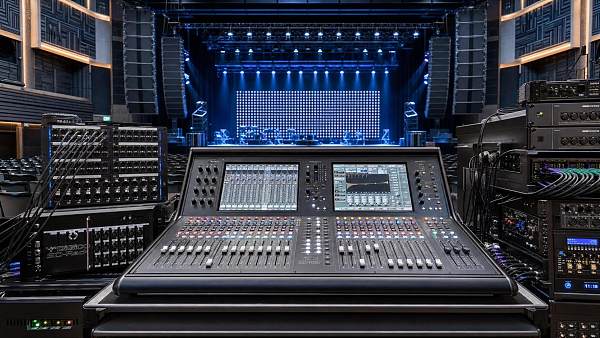
A stage box is the connection hub placed close to microphones, instruments, playback devices, or monitor systems so channels can be patched locally and neatly.
In an analog system, the stage box is often attached to the snake and provides labeled XLR inputs and returns in one durable enclosure.
In digital systems, a stage box may act as a remote I/O unit that converts local analog signals and sends them to a mixing console over network cable or fiber.
This makes stage boxes especially valuable where clean connection points, faster load-ins, and easier channel labeling are important for operational consistency.
Instead of tracing many long cable runs back to the control position, technicians can patch at the stage and manage distribution more predictably.
Audio snakes vs stage boxes: they are related, but not the same
Buyers often treat the terms as interchangeable, but they are not identical. An audio snake is usually the transmission path, while a stage box is the access point.
In simple analog systems, both may be part of one product assembly, which is why the distinction sometimes feels blurred in everyday use.
However, the difference matters when sourcing. You may need a multicore cable with fixed stage termination, a detachable stage box, or a digital remote I/O box.
If your priority is reducing long cable clutter, the snake is central. If your priority is convenient local patching, the stage box becomes the more visible solution.
For many professional setups, the cleanest result comes from treating them as complementary parts of one signal-management strategy rather than competing products.
Where audio snakes and stage boxes deliver the biggest value
These systems are most valuable where many channels must move reliably between performance, presentation, or recording zones and a control or processing location.
Hotels and event venues benefit because ballrooms often change layouts quickly, requiring repeatable signal paths that support both speed and visual cleanliness.
Schools and campuses use them in auditoriums, theaters, lecture halls, and multipurpose rooms where users may vary widely in technical experience.
Rental and production companies value them because cleaner setups reduce labor time, simplify inventory handling, and lower the risk of damaged or misplaced cables.
Studios and broadcast environments also benefit when tidy routing, labeled I/O access, and easier troubleshooting support consistent professional operation.
How they create cleaner setups in real practice
Cleaner setups are not only about appearance. They affect safety, setup speed, signal reliability, and the ability to operate smoothly under event pressure.
Bundling many channels into one managed route means fewer loose cables crossing walkways, fewer tangles during load-in, and fewer chances for accidental disconnection.
A well-labeled stage box helps technicians patch sources quickly and accurately, which is especially important when guest engineers or temporary crews are involved.
It also supports better troubleshooting. When every input, return, and destination is organized, problems can be isolated much faster than in a cable-heavy environment.
For fixed installations, clean infrastructure also improves the perceived quality of the venue because clients and end users see a more professional result.
Analog or digital: which path makes more sense?
One of the most important sourcing decisions is whether you need a traditional analog snake and stage box setup or a digital stage box architecture.
Analog systems are straightforward, widely understood, and often ideal where distances are moderate, budgets are tight, and compatibility across mixed equipment matters.
They can be excellent for small to mid-sized venues, portable rigs, and straightforward applications where technicians prefer direct, familiar signal paths.
Digital stage boxes are more attractive when channel counts are high, cable reduction is critical, or remote preamp control and networked workflows add value.
They may also reduce copper bulk significantly, but they require protocol compatibility, network knowledge, and careful planning around redundancy and system design.
For information-stage buyers, the key is not which option sounds more advanced, but which option best fits the actual scale, staffing, and operational demands.
How many channels do you actually need?
Channel count is one of the most common buying mistakes because users often choose only for today’s setup and ignore likely expansion.
A small venue may think it needs twelve inputs, then quickly add wireless microphones, playback devices, ambient mics, guest positions, and monitor returns.
That is why experienced specifiers usually build in headroom rather than sourcing a snake or stage box that is technically sufficient but operationally limiting.
Consider not only microphone inputs, but also outputs for powered speakers, monitors, intercom, recording feeds, livestream sends, and future system changes.
Clear labeling and sensible channel grouping matter as much as raw quantity because they affect everyday usability far more than a spec sheet alone suggests.
What to evaluate before sourcing audio snakes and stage boxes
Buyers should start with the venue layout and workflow rather than the product catalog. Distance, traffic flow, stage position, and control room location shape everything.
Next, check connector types and standards. XLR is common, but returns, multipin formats, network ports, and hybrid designs may be more appropriate in some systems.
Construction quality matters heavily in commercial use. Look at strain relief, jacket durability, connector robustness, enclosure strength, and serviceability of key parts.
For installed environments, cable routing method, wall or floor interfaces, rack integration, and code or safety requirements should be reviewed early.
For digital solutions, protocol support, console compatibility, latency expectations, firmware management, and redundancy options should be verified before purchase.
Finally, ask how easy the system is to label, train, maintain, and troubleshoot. Operational clarity often determines long-term value more than initial pricing.
Common mistakes that lead to messy or unreliable results
One frequent error is buying by channel count alone without considering returns, monitor feeds, or future expansion requirements.
Another is choosing products with inadequate mechanical durability for rental, touring, or high-turnover hospitality environments where repeated handling is unavoidable.
Some installations fail because the stage box ends up in the wrong physical location, forcing awkward patching and reintroducing the cable clutter it was meant to solve.
Digital systems can disappoint when buyers overlook ecosystem compatibility and assume any stage box will work with any console or networked audio environment.
Poor labeling is also a surprisingly expensive problem. Even excellent hardware delivers less value if crews cannot patch quickly or identify faults under time pressure.
Best-fit use cases by environment
For small live venues, an analog audio snake with a compact stage box often remains the most cost-effective choice for dependable, easy-to-understand routing.
For hotel ballrooms and conference spaces, detachable or installed stage box solutions help maintain a polished appearance while supporting fast room reconfiguration.
For theaters, houses of worship, and larger production spaces, higher channel counts and organized returns become increasingly important for stable daily operation.
For touring and rental applications, rugged housings, repairable connectors, and transport-friendly construction should carry significant weight in the selection process.
For digital-first venues, remote stage boxes can support cleaner infrastructure, fewer long copper runs, and more scalable system design if the ecosystem is planned properly.
How to think about return on investment
For business buyers, the value of audio snakes and stage boxes is not limited to cable neatness. It appears in labor savings, reliability, and event readiness.
Faster setup and strike reduce staffing pressure. Cleaner patching lowers mistakes. Better organization shortens troubleshooting time and helps protect event schedules.
In commercial venues, a tidier technical environment also supports client perception, especially when production areas remain partly visible during premium events.
Over time, that combination of efficiency and professionalism can justify a better specified solution instead of the cheapest available hardware.
The smartest purchase is usually the one that matches the environment’s real operating pattern and reduces daily friction for both technical teams and venue managers.
Final takeaway
Understanding audio snakes and stage boxes is really about understanding signal management, workflow, and the practical demands of your space.
If you need to reduce cable clutter, improve patching accuracy, and create cleaner setups, both tools can play an important role.
An audio snake is the organized pathway for multiple channels. A stage box is the local connection point that makes those channels usable and manageable at the source.
For smaller or straightforward systems, analog solutions often remain highly effective. For larger or more flexible environments, digital stage boxes may offer stronger long-term advantages.
The best sourcing decision comes from matching channel needs, venue layout, user skill level, and durability requirements to the right architecture.
When selected with those factors in mind, audio snakes and stage boxes do more than tidy a setup. They make the entire audio system easier to run, maintain, and trust.
Search News
Hot Articles
- Restaurant FurnitureFast-Casual Restaurant Interiors: Design Choices That Improve Speed and Guest FlowOct 04, 2026
- Outdoor RidesHow to Select Leisure Park Equipment for Safe, High-Throughput Visitor AreasOct 03, 2026
- Fashion & Gem JewelryDiamond Tester Wholesale: How to Vet Accuracy, Calibration, and MOQ Before OrderingOct 02, 2026
Popular Tags
Need ExpertConsultation?
Connect with our specialized leisureengineering team for procurementstrategies.
Recommended News
 Sep 30, 2026How to Choose an Aluminum Projector Ceiling Mount for Load, Drop, and Ceiling TypeChoose an aluminum projector ceiling mount with confidence. Learn how load capacity, drop length, ceiling structure, safety retention, and service access shape a reliable commercial AV installation.● Pro Audio Engineer
 Sep 26, 2026How to Choose Dynamic Microphones for Vocals in Live Stage SettingsDynamic microphones for vocals: learn how to match polar patterns, feedback control, durability, and clarity to live stage needs for reliable, professional sound.● Pro Audio Engineer
 Sep 07, 2026How to Choose Wall Mount Speakers for Clear Audio in Commercial SpacesWall mount speakers for commercial spaces: learn how to optimize coverage, SPL, directivity, installation, and system design for clear, reliable audio.● Pro Audio Engineer
 Sep 03, 2026How to Choose Locking Speakon Speaker Cables for Reliable Live Sound ConnectionsLocking Speakon speaker cables: learn how to select the right gauge, connector pinout, strain relief, and durable construction for reliable live sound connections.● Pro Audio Engineer
 Sep 08, 2026Is It Worth Upgrading a Stage Sound System Mid-Project?Is it worth upgrading stage sound systems mid-project? Discover how to assess performance gaps, costs, compatibility, and long-term venue value.● Pro Audio Engineer
 Sep 04, 2026Can AV Systems Be Retrofitted Into Older Commercial Buildings?Can AV integration be retrofitted into older commercial buildings? Discover practical strategies for reliable, code-aware AV upgrades with minimal disruption.● Pro Audio Engineer
 Jul 17, 2026How to Choose a Crossover Networks Supplier: Key Specs, Quality Checks, and OEM FactorsFind the right crossover networks supplier with this practical guide to key specs, quality checks, OEM factors, and supply chain risks for better audio performance and sourcing confidence.● Pro Audio Engineer
 Jul 16, 2026How to Evaluate ODM Services for Pro Audio: Design, Certification, and Production CapabilitiesODM services for pro audio: learn how to assess design depth, certification readiness, and production strength to choose a reliable partner and launch better audio products with less risk.● Pro Audio Engineer
 Jul 15, 2026JETRO Flags Modular, Low-Power Shift in Pro Stage AudioPro Stage Audio buyers in Japan are shifting fast: JETRO flags modular amplifiers, IP65 line arrays, low standby power, and JIS compliance as key to channel entry.● Pro Audio Engineer
 Jul 15, 2026Paper Speaker Cones Explained: How Cone Weight and Stiffness Affect SoundPaper speaker cones explained: discover how cone weight and stiffness shape sensitivity, clarity, breakup control, and real-world speaker performance for smarter audio sourcing.● Pro Audio Engineer
 Jul 15, 2026Performance Venues Compliance Checklist: Fire Safety, Accessibility, and Crowd RulesPerformance venues compliance checklist covering fire safety, accessibility, and crowd rules. Learn how to reduce delays, improve approvals, and open safer, more resilient venues.● Pro Audio Engineer
 Jul 14, 2026Japan Adds EMC Immunity Test for Stage AmplifiersJapan Adds EMC Immunity Test for Stage Amplifiers: learn how Japan’s 2026 JIS update affects EMC testing, JIS marking, certification timing, and market access for exporters.● Pro Audio Engineer
 Jul 13, 2026CISCE 2026 Adds Pro Stage Audio ZoneCISCE 2026 Adds Pro Stage Audio Zone as free overseas pre-registration opens. Explore key updates for pro audio suppliers, distributors, and system integrators before the Shanghai expo.● Pro Audio Engineer
 Jul 12, 2026Japan Tightens Pro Stage Audio Efficiency Limits Under JIS C 8105-2026Japan Tightens Pro Stage Audio Efficiency Limits Under JIS C 8105-2026: learn how new PSE compliance rules reshape market access, product eligibility, and shipment planning in Japan.● Pro Audio Engineer
 Jul 12, 2026How to Choose Low Profile Ceiling Speakers for Hotels, Offices, and Retrofit ProjectsLow profile ceiling speakers for hotels, offices, and retrofit projects: learn how to compare depth, coverage, compliance, and installation factors to choose the right fit.● Pro Audio Engineer
 Jul 11, 2026Japan Tightens JIS C 8105-2026 for Pro AudioJapan Tightens JIS C 8105-2026 for Pro Audio: learn how stricter standby power, PSE diamond mark rules, and the 2026 deadline impact exports, compliance, and market access.● Pro Audio Engineer
 Jul 10, 2026JETRO Q2 Outlook Signals Higher Stage Audio DemandJETRO Q2 Outlook signals higher stage audio demand in Japan, with 37% procurement growth and stricter PSE Annex D compliance. See what importers, manufacturers, and rental channels must act on now.● Pro Audio Engineer
 Jul 10, 2026How to Choose Wall Mount Speakers for Restaurants by Layout, Coverage, and SPLWall mount speakers for restaurants should match layout, coverage, and SPL. Learn how to choose the right setup for even sound, guest comfort, and reliable performance.● Pro Audio Engineer
 Jul 09, 2026JIS T 9001:2026 Adds Mandatory AI Noise LabelsJIS T 9001:2026 adds mandatory AI noise labels for pro audio gear from October 2026. Learn how it impacts compliance, testing, exports, and product launches.● Pro Audio Engineer
 Jul 06, 2026Improving Sound Reinforcement Speech Clarity: Key Causes of Muddiness and How to Fix ThemSound reinforcement speech clarity starts with identifying reverberation, coverage, noise, and timing issues. Discover practical fixes that make announcements clearer and commercial spaces perform better.● Pro Audio Engineer
 Jul 05, 2026Saudi Rule Adds Arabic UI Requirement for Pro Audio ImportsSaudi Rule Adds Arabic UI Requirement for Pro Audio Imports: learn how SASO’s new Arabic UI mandate affects digital amplifiers, DSP processors, and network audio interfaces before Sept. 1, 2026.● Pro Audio Engineer
 Jul 02, 2026How to Choose Audio Mixing Consoles for Live Venues: Channels, Buses, and I/O ExplainedAudio mixing consoles explained for live venues: learn how to choose the right channels, buses, and I/O to improve workflow, support growth, and avoid costly mistakes.● Pro Audio Engineer
 Jul 01, 2026UL 62368-3:2026 Adds EMC Rules for Pro Stage AudioUL 62368-3:2026 adds EMC rules for Pro Stage Audio, requiring Level 4 immunity and manual labeling by Oct 1, 2026. See what exporters, makers, and buyers must do now.● Pro Audio Engineer
 Jun 30, 2026Sound Reinforcement Design Basics: How to Plan Coverage, SPL, and Speaker PlacementSound reinforcement design starts with smarter coverage, target SPL, and speaker placement. Learn how to plan clearer, more reliable audio performance for commercial spaces.● Pro Audio Engineer