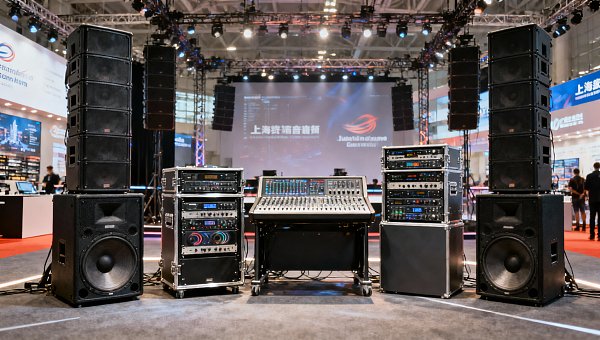
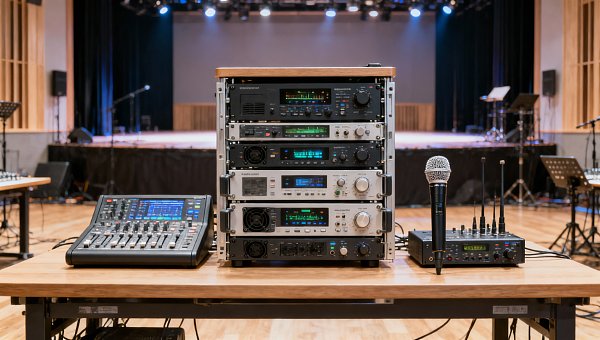
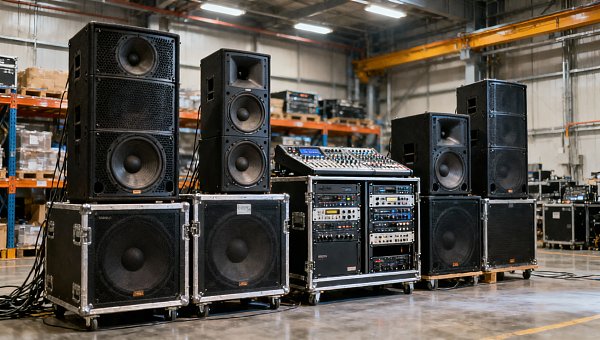
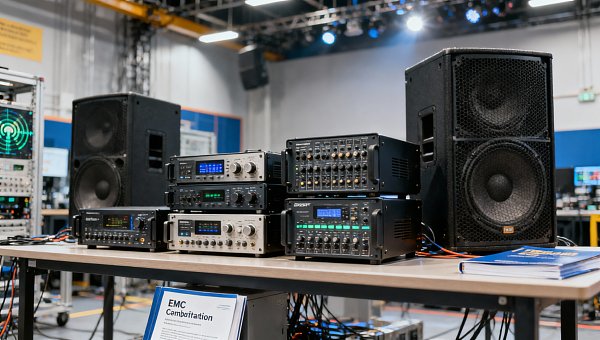
Audio racks and flight cases that hold up on the road
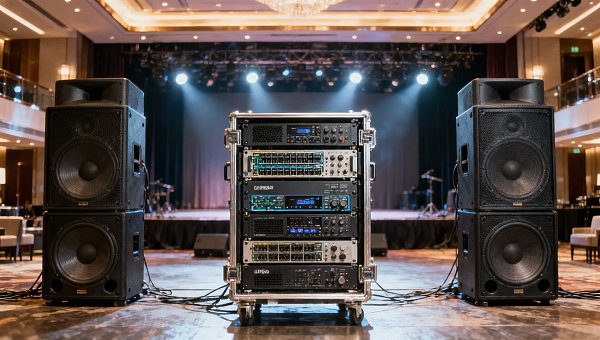
When gear travels from venue to venue, reliability is non-negotiable. Audio racks and flight cases protect sensitive equipment from impact, vibration, and constant handling while keeping setups organized and efficient. For buyers researching durable transport and storage solutions, understanding materials, build quality, and application fit is the first step toward making smarter sourcing decisions.
Why a checklist matters when choosing audio racks and flight cases
On the road, small specification gaps become expensive failures. A weak caster, thin panel, or poor latch can delay load-ins and expose high-value equipment to avoidable damage.
A checklist creates a faster comparison process. It also helps verify whether audio racks and flight cases match real transport conditions, handling frequency, and equipment sensitivity.
In commercial sourcing, this approach supports better consistency across venues, touring systems, rental fleets, education spaces, houses of worship, and fixed-install support operations.
Core checklist for durable audio racks and flight cases
Use the following checklist to evaluate audio racks and flight cases before shortlisting products, requesting samples, or comparing OEM and custom fabrication options.
- Check panel material first. Confirm whether plywood, laminated birch, HDPE, or composite panels suit repeated transport, weather exposure, and the total system weight.
- Verify edge protection. Look for aluminum extrusions, reinforced corners, and impact-resistant hardware that reduce damage during stacking, loading, and long-distance freight movement.
- Measure rack depth accurately. Ensure front and rear clearance supports amplifiers, wireless systems, power conditioners, patch panels, and cable routing without pressure on connectors.
- Confirm shock protection needs. Specify shock-mounted audio racks and flight cases when transporting fragile processors, recording gear, or vibration-sensitive broadcast equipment.
- Inspect hardware quality closely. Recessed handles, butterfly latches, hinges, and steel rack rails should feel rigid, align correctly, and resist deformation after repeated use.
- Review caster specifications. Select wheel diameter, brake type, tread material, and load rating based on ramps, rough backstage floors, warehouse transit, and truck loading frequency.
- Assess lid and door design. Removable front and rear covers improve access, while gasketed seals can help control dust and light moisture in mixed event environments.
- Plan airflow intentionally. Vent panels, fan spaces, and open rear access are essential when audio racks and flight cases carry amplifiers or heat-producing digital control units.
- Test internal organization. Foam blocking, cable storage, drawer modules, and labeling zones reduce setup errors and help crews deploy systems faster under time pressure.
- Match compliance and documentation. Confirm dimensions, load limits, hardware origin, and production consistency, especially when cases support institutional, export, or rental fleet use.
Key specifications worth comparing side by side
A side-by-side review often reveals whether two products that look similar will perform very differently after months of transport and handling.
How application changes the right case choice
Touring and live event production
Touring systems demand the toughest audio racks and flight cases. Units are rolled across loading docks, lifted into trucks, stacked tightly, and opened under strict turnaround schedules.
For this environment, reinforced corners, heavy-duty casters, shock mounting, and quick-access front and rear covers usually deliver the best operational value.
Rental inventory and AV service fleets
Rental use creates high handling frequency and mixed user behavior. Cases should prioritize standardized sizing, clear labeling, replaceable hardware, and robust surfaces that hide wear well.
Audio racks and flight cases in rental fleets benefit from modular layouts. That makes repacking easier and supports faster inspection between jobs.
Broadcast, recording, and control applications
Sensitive processors, converters, and recording interfaces often need more than basic protection. Vibration control, thermal planning, and connector clearance become major selection factors.
In these setups, well-built audio racks and flight cases reduce the risk of intermittent faults caused by transport stress, cable strain, or inadequate ventilation.
Education, worship, and semi-fixed commercial spaces
Not every application needs extreme road-case construction. Some environments need mobile protection for occasional reconfiguration, seasonal storage, or shared multi-room system transport.
Here, lighter audio racks and flight cases with practical access, moderate caster capacity, and clean appearance may outperform heavier touring-grade alternatives.
Commonly overlooked issues that create long-term problems
Ignore total loaded weight, and movement becomes unsafe. A case that looks manageable empty can become difficult to roll, lift, brake, or stack once equipment is installed.
Overlook cable bend radius, and rear connectors may fail early. Tight lid clearances often place repeated pressure on power, network, or audio terminations.
Underestimate heat buildup, and system reliability drops. Closed audio racks and flight cases carrying amplifiers or DSP units need ventilation space designed around actual operating loads.
Assume all hardware is equal, and maintenance costs rise. Inferior rivets, rails, latches, or caster plates often fail first, even when outer panels still appear acceptable.
Skip dimensional checks, and truck packing suffers. External size affects freight efficiency, backstage storage, door clearance, and compatibility with existing carts or staging layouts.
Practical steps for evaluating suppliers and samples
- Map the equipment list by rack unit height, depth, connector clearance, and total loaded mass before requesting quotations for audio racks and flight cases.
- Ask for full material and hardware specifications, including panel thickness, rail material, caster brand or rating, and latch construction details.
- Request photos or videos showing corners, lid fit, wheel mounting, interior rails, and rear access rather than relying only on front-facing catalog images.
- Review customization capability for drawer bays, cable compartments, foam inserts, branding, and shock-mount configurations if standard models do not fit the application.
- Test one sample under realistic movement and loading conditions. Roll it, stack it, open it repeatedly, and inspect hardware alignment after use.
- Confirm replacement part availability. Long service life depends on access to wheels, latches, rails, handles, and corner hardware after delivery.
Final takeaway on sourcing audio racks and flight cases
The best audio racks and flight cases are not defined by appearance alone. They are defined by fit, protection level, serviceability, and how consistently they perform across real transport conditions.
Start with a checklist, compare specifications in context, and validate construction details through samples or documented production standards. That process leads to better equipment protection, smoother logistics, and lower lifetime replacement cost.
For the next step, build a short specification sheet covering equipment dimensions, route conditions, access needs, and ventilation requirements. It will make sourcing audio racks and flight cases faster and far more accurate.
Search News
Hot Articles
- Restaurant FurnitureFast-Casual Restaurant Interiors: Design Choices That Improve Speed and Guest FlowOct 04, 2026
- Outdoor RidesHow to Select Leisure Park Equipment for Safe, High-Throughput Visitor AreasOct 03, 2026
- Fashion & Gem JewelryDiamond Tester Wholesale: How to Vet Accuracy, Calibration, and MOQ Before OrderingOct 02, 2026
Popular Tags
Need ExpertConsultation?
Connect with our specialized leisureengineering team for procurementstrategies.
Recommended News
 Sep 30, 2026How to Choose an Aluminum Projector Ceiling Mount for Load, Drop, and Ceiling TypeChoose an aluminum projector ceiling mount with confidence. Learn how load capacity, drop length, ceiling structure, safety retention, and service access shape a reliable commercial AV installation.● Pro Audio Engineer
 Sep 26, 2026How to Choose Dynamic Microphones for Vocals in Live Stage SettingsDynamic microphones for vocals: learn how to match polar patterns, feedback control, durability, and clarity to live stage needs for reliable, professional sound.● Pro Audio Engineer
 Sep 07, 2026How to Choose Wall Mount Speakers for Clear Audio in Commercial SpacesWall mount speakers for commercial spaces: learn how to optimize coverage, SPL, directivity, installation, and system design for clear, reliable audio.● Pro Audio Engineer
 Sep 03, 2026How to Choose Locking Speakon Speaker Cables for Reliable Live Sound ConnectionsLocking Speakon speaker cables: learn how to select the right gauge, connector pinout, strain relief, and durable construction for reliable live sound connections.● Pro Audio Engineer
 Sep 08, 2026Is It Worth Upgrading a Stage Sound System Mid-Project?Is it worth upgrading stage sound systems mid-project? Discover how to assess performance gaps, costs, compatibility, and long-term venue value.● Pro Audio Engineer
 Sep 04, 2026Can AV Systems Be Retrofitted Into Older Commercial Buildings?Can AV integration be retrofitted into older commercial buildings? Discover practical strategies for reliable, code-aware AV upgrades with minimal disruption.● Pro Audio Engineer
 Jul 17, 2026How to Choose a Crossover Networks Supplier: Key Specs, Quality Checks, and OEM FactorsFind the right crossover networks supplier with this practical guide to key specs, quality checks, OEM factors, and supply chain risks for better audio performance and sourcing confidence.● Pro Audio Engineer
 Jul 16, 2026How to Evaluate ODM Services for Pro Audio: Design, Certification, and Production CapabilitiesODM services for pro audio: learn how to assess design depth, certification readiness, and production strength to choose a reliable partner and launch better audio products with less risk.● Pro Audio Engineer
 Jul 15, 2026JETRO Flags Modular, Low-Power Shift in Pro Stage AudioPro Stage Audio buyers in Japan are shifting fast: JETRO flags modular amplifiers, IP65 line arrays, low standby power, and JIS compliance as key to channel entry.● Pro Audio Engineer
 Jul 15, 2026Paper Speaker Cones Explained: How Cone Weight and Stiffness Affect SoundPaper speaker cones explained: discover how cone weight and stiffness shape sensitivity, clarity, breakup control, and real-world speaker performance for smarter audio sourcing.● Pro Audio Engineer
 Jul 15, 2026Performance Venues Compliance Checklist: Fire Safety, Accessibility, and Crowd RulesPerformance venues compliance checklist covering fire safety, accessibility, and crowd rules. Learn how to reduce delays, improve approvals, and open safer, more resilient venues.● Pro Audio Engineer
 Jul 14, 2026Japan Adds EMC Immunity Test for Stage AmplifiersJapan Adds EMC Immunity Test for Stage Amplifiers: learn how Japan’s 2026 JIS update affects EMC testing, JIS marking, certification timing, and market access for exporters.● Pro Audio Engineer
 Jul 13, 2026CISCE 2026 Adds Pro Stage Audio ZoneCISCE 2026 Adds Pro Stage Audio Zone as free overseas pre-registration opens. Explore key updates for pro audio suppliers, distributors, and system integrators before the Shanghai expo.● Pro Audio Engineer
 Jul 12, 2026Japan Tightens Pro Stage Audio Efficiency Limits Under JIS C 8105-2026Japan Tightens Pro Stage Audio Efficiency Limits Under JIS C 8105-2026: learn how new PSE compliance rules reshape market access, product eligibility, and shipment planning in Japan.● Pro Audio Engineer
 Jul 12, 2026How to Choose Low Profile Ceiling Speakers for Hotels, Offices, and Retrofit ProjectsLow profile ceiling speakers for hotels, offices, and retrofit projects: learn how to compare depth, coverage, compliance, and installation factors to choose the right fit.● Pro Audio Engineer
 Jul 11, 2026Japan Tightens JIS C 8105-2026 for Pro AudioJapan Tightens JIS C 8105-2026 for Pro Audio: learn how stricter standby power, PSE diamond mark rules, and the 2026 deadline impact exports, compliance, and market access.● Pro Audio Engineer
 Jul 10, 2026JETRO Q2 Outlook Signals Higher Stage Audio DemandJETRO Q2 Outlook signals higher stage audio demand in Japan, with 37% procurement growth and stricter PSE Annex D compliance. See what importers, manufacturers, and rental channels must act on now.● Pro Audio Engineer
 Jul 10, 2026How to Choose Wall Mount Speakers for Restaurants by Layout, Coverage, and SPLWall mount speakers for restaurants should match layout, coverage, and SPL. Learn how to choose the right setup for even sound, guest comfort, and reliable performance.● Pro Audio Engineer
 Jul 09, 2026JIS T 9001:2026 Adds Mandatory AI Noise LabelsJIS T 9001:2026 adds mandatory AI noise labels for pro audio gear from October 2026. Learn how it impacts compliance, testing, exports, and product launches.● Pro Audio Engineer
 Jul 06, 2026Improving Sound Reinforcement Speech Clarity: Key Causes of Muddiness and How to Fix ThemSound reinforcement speech clarity starts with identifying reverberation, coverage, noise, and timing issues. Discover practical fixes that make announcements clearer and commercial spaces perform better.● Pro Audio Engineer
 Jul 05, 2026Saudi Rule Adds Arabic UI Requirement for Pro Audio ImportsSaudi Rule Adds Arabic UI Requirement for Pro Audio Imports: learn how SASO’s new Arabic UI mandate affects digital amplifiers, DSP processors, and network audio interfaces before Sept. 1, 2026.● Pro Audio Engineer
 Jul 02, 2026How to Choose Audio Mixing Consoles for Live Venues: Channels, Buses, and I/O ExplainedAudio mixing consoles explained for live venues: learn how to choose the right channels, buses, and I/O to improve workflow, support growth, and avoid costly mistakes.● Pro Audio Engineer
 Jul 01, 2026UL 62368-3:2026 Adds EMC Rules for Pro Stage AudioUL 62368-3:2026 adds EMC rules for Pro Stage Audio, requiring Level 4 immunity and manual labeling by Oct 1, 2026. See what exporters, makers, and buyers must do now.● Pro Audio Engineer
 Jun 30, 2026Sound Reinforcement Design Basics: How to Plan Coverage, SPL, and Speaker PlacementSound reinforcement design starts with smarter coverage, target SPL, and speaker placement. Learn how to plan clearer, more reliable audio performance for commercial spaces.● Pro Audio Engineer