Audio mixing consoles buying tips for reliable long term use
Choosing audio mixing consoles for reliable long term use is not only a technical purchase. It affects uptime, workflow continuity, service costs, and user satisfaction across commercial environments.
A console that performs well in a demo may fail under daily pressure. Heat, transport, operator turnover, firmware neglect, and poor support often create higher lifetime costs than the purchase price.
This guide explains how to compare audio mixing consoles by application, durability, serviceability, integration, and lifecycle value. The goal is dependable performance with lower risk over many years.
Why application context changes the best audio mixing consoles choice
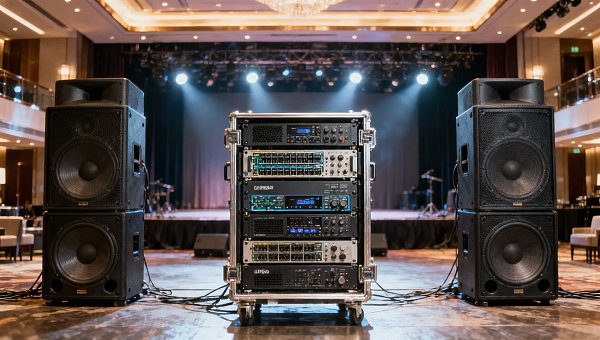
Not every venue stresses equipment in the same way. A ballroom, lecture hall, worship space, touring stage, and retail event area create very different reliability demands.
The right buying decision starts with usage frequency, operator skill level, input complexity, expansion plans, and downtime tolerance. These factors shape which audio mixing consoles truly fit long term use.
When the application is clear, features become easier to prioritize. You can then separate necessary durability and support functions from attractive but low value extras.
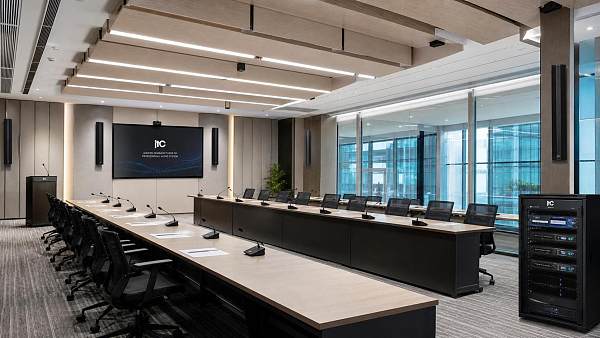
Scenario 1: Fixed commercial venues need stability before advanced features
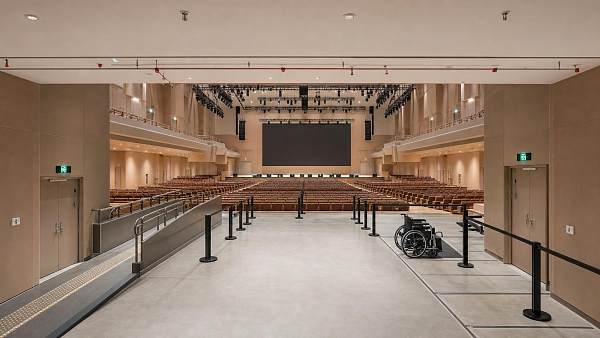
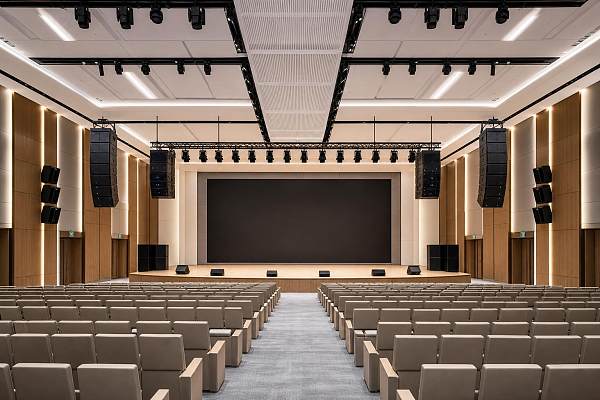
Hotels, conference centers, auditoriums, and education spaces usually need predictable operation. In these settings, audio mixing consoles should favor stable firmware, easy scene recall, and clear signal routing.
Look for solid chassis construction, protected connectors, and front panels that resist accidental changes. Consoles used by rotating staff benefit from simple layouts and permission control.
Key checks for fixed installations
- Reliable startup and shutdown behavior after power interruptions
- Scene memory that recovers quickly for recurring events
- Quiet cooling design for meeting and education spaces
- Remote control options for technical rooms and AV networks
- Local service access and spare parts availability
For these environments, less complexity often means better reliability. A console with disciplined design and strong support can outperform a feature heavy model over time.
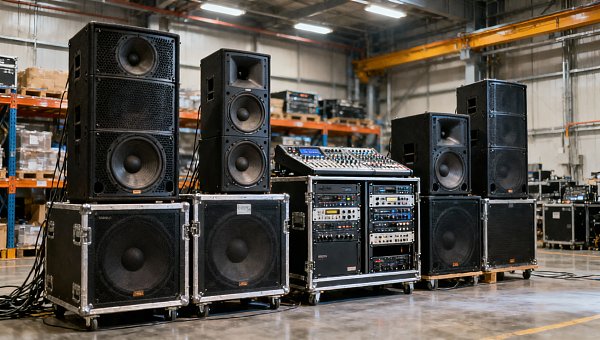
Scenario 2: Live events and touring demand rugged audio mixing consoles
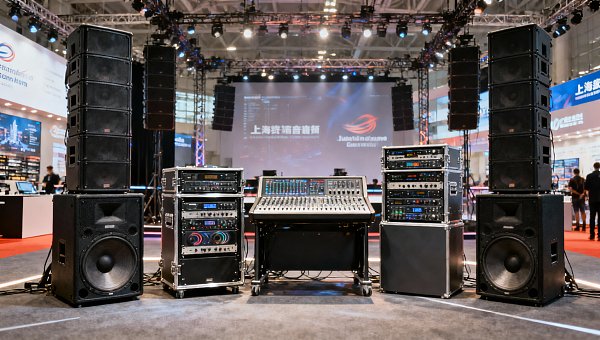
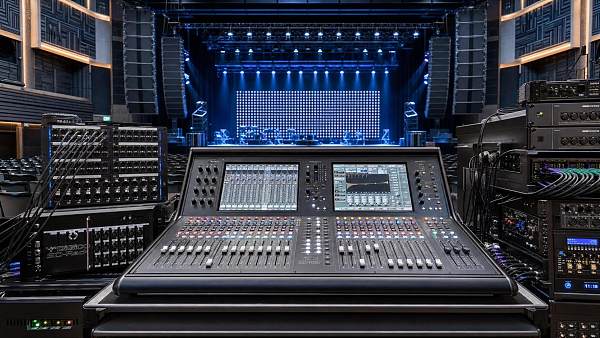
Portable systems face vibration, frequent setup, rushed cable handling, and weather changes. Here, audio mixing consoles must survive transport stress without losing connector integrity or control accuracy.
Evaluate frame rigidity, fader quality, corner protection, and flight case compatibility. Physical durability matters as much as audio performance in mobile event operations.
Key checks for mobile use
- Shock resistance during loading and transport
- Fast patching with clearly labeled inputs and outputs
- Readable screens under changing light conditions
- Redundant power supply or rapid recovery features
- Network audio compatibility for scalable stage systems
For touring and event rental, calculate the cost of a failed show. It usually justifies investing in higher grade audio mixing consoles with proven field reliability.
Scenario 3: Houses of worship and community spaces need flexible simplicity
These venues often host speech, music, streaming, and seasonal events. Their audio mixing consoles must balance flexibility with fast training for changing volunteer or mixed skill operators.
Interfaces should be intuitive, while presets should protect important settings. Good remote apps can simplify monitor adjustments and reduce unnecessary access to core controls.
Long term reliability here includes operational reliability. If a system is difficult to use correctly, errors will feel like hardware failure even when the unit is functioning normally.
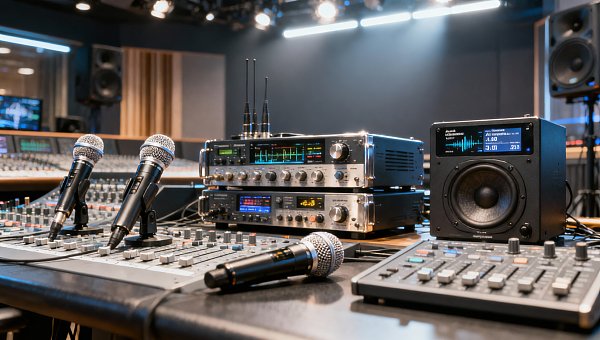
Scenario 4: Broadcast, streaming, and hybrid spaces require clean integration
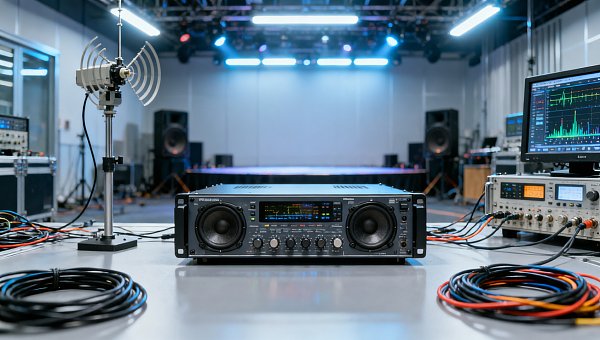
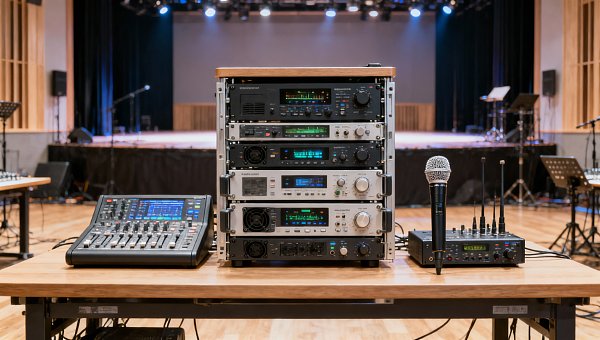
Studios and hybrid presentation rooms place greater value on routing precision, low noise, recording integration, and repeatable output. Their audio mixing consoles must work smoothly with digital workflows.
Check driver stability, USB or network recording options, clocking behavior, and compatibility with video switching or control systems. Reliable integration prevents hidden workflow bottlenecks.
Questions worth asking
- Can the console handle multitrack recording without instability?
- Does firmware history show regular bug fixes?
- Are latency and routing options suitable for hybrid events?
- Can backup scenes be restored quickly after changes?
How scenario needs differ when comparing audio mixing consoles
Practical buying tips for reliable long term use
1. Judge build quality beyond marketing claims
Inspect panel rigidity, knob resistance, fader smoothness, connector anchoring, and ventilation design. Well built audio mixing consoles usually reveal their quality through physical consistency.
2. Check the service ecosystem
A strong support network often matters more than a slightly lower purchase price. Verify response times, regional repair centers, spare parts policies, and firmware update history.
3. Plan for system growth
Choose audio mixing consoles that can expand with stage boxes, digital snakes, Dante, AVB, or similar network audio options where relevant.
4. Prioritize operational resilience
Look for user permissions, scene backup, clear metering, and quick recovery tools. These reduce human error and improve day to day dependability.
5. Review total lifecycle cost
Include training, accessories, maintenance, downtime risk, and replacement cycles. Reliable audio mixing consoles often deliver lower ownership cost over several years.
Recommended matching approach by scenario
- List current inputs, outputs, and routing paths for the actual venue.
- Estimate operator skill variation during normal operation.
- Define acceptable downtime and recovery expectations.
- Check future expansion needs within three to five years.
- Compare service coverage and firmware maturity before final selection.
This method prevents overbuying and underbuying. It also makes comparisons between audio mixing consoles more objective and easier to document.
Common mistakes when selecting audio mixing consoles
- Choosing by channel count alone while ignoring workflow
- Underestimating service and spare parts access
- Ignoring heat, dust, and transport conditions
- Buying features that operators will never use
- Skipping compatibility checks with existing audio networks
- Assuming all digital consoles are equally stable after updates
Many reliability problems start as specification mistakes. A good fit between scenario and console reduces troubleshooting, operator confusion, and surprise replacement costs.
Next steps for a confident purchase decision
Create a short evaluation matrix before requesting quotations. Score audio mixing consoles on durability, service support, integration, usability, and future expansion.
Where possible, request application specific demonstrations rather than generic product demos. Test startup behavior, scene recall, routing logic, and operator learning speed in realistic conditions.
Reliable long term value comes from matching the console to the environment, not from chasing the longest feature list. The best audio mixing consoles are the ones that stay dependable when real usage becomes demanding.
Search News
Hot Articles
- Restaurant FurnitureFast-Casual Restaurant Interiors: Design Choices That Improve Speed and Guest FlowOct 04, 2026
- Outdoor RidesHow to Select Leisure Park Equipment for Safe, High-Throughput Visitor AreasOct 03, 2026
- Fashion & Gem JewelryDiamond Tester Wholesale: How to Vet Accuracy, Calibration, and MOQ Before OrderingOct 02, 2026
Popular Tags
Need ExpertConsultation?
Connect with our specialized leisureengineering team for procurementstrategies.
Recommended News
 Sep 30, 2026How to Choose an Aluminum Projector Ceiling Mount for Load, Drop, and Ceiling TypeChoose an aluminum projector ceiling mount with confidence. Learn how load capacity, drop length, ceiling structure, safety retention, and service access shape a reliable commercial AV installation.● Pro Audio Engineer
 Sep 26, 2026How to Choose Dynamic Microphones for Vocals in Live Stage SettingsDynamic microphones for vocals: learn how to match polar patterns, feedback control, durability, and clarity to live stage needs for reliable, professional sound.● Pro Audio Engineer
 Sep 07, 2026How to Choose Wall Mount Speakers for Clear Audio in Commercial SpacesWall mount speakers for commercial spaces: learn how to optimize coverage, SPL, directivity, installation, and system design for clear, reliable audio.● Pro Audio Engineer
 Sep 03, 2026How to Choose Locking Speakon Speaker Cables for Reliable Live Sound ConnectionsLocking Speakon speaker cables: learn how to select the right gauge, connector pinout, strain relief, and durable construction for reliable live sound connections.● Pro Audio Engineer
 Sep 08, 2026Is It Worth Upgrading a Stage Sound System Mid-Project?Is it worth upgrading stage sound systems mid-project? Discover how to assess performance gaps, costs, compatibility, and long-term venue value.● Pro Audio Engineer
 Sep 04, 2026Can AV Systems Be Retrofitted Into Older Commercial Buildings?Can AV integration be retrofitted into older commercial buildings? Discover practical strategies for reliable, code-aware AV upgrades with minimal disruption.● Pro Audio Engineer
 Jul 17, 2026How to Choose a Crossover Networks Supplier: Key Specs, Quality Checks, and OEM FactorsFind the right crossover networks supplier with this practical guide to key specs, quality checks, OEM factors, and supply chain risks for better audio performance and sourcing confidence.● Pro Audio Engineer
 Jul 16, 2026How to Evaluate ODM Services for Pro Audio: Design, Certification, and Production CapabilitiesODM services for pro audio: learn how to assess design depth, certification readiness, and production strength to choose a reliable partner and launch better audio products with less risk.● Pro Audio Engineer
 Jul 15, 2026JETRO Flags Modular, Low-Power Shift in Pro Stage AudioPro Stage Audio buyers in Japan are shifting fast: JETRO flags modular amplifiers, IP65 line arrays, low standby power, and JIS compliance as key to channel entry.● Pro Audio Engineer
 Jul 15, 2026Paper Speaker Cones Explained: How Cone Weight and Stiffness Affect SoundPaper speaker cones explained: discover how cone weight and stiffness shape sensitivity, clarity, breakup control, and real-world speaker performance for smarter audio sourcing.● Pro Audio Engineer
 Jul 15, 2026Performance Venues Compliance Checklist: Fire Safety, Accessibility, and Crowd RulesPerformance venues compliance checklist covering fire safety, accessibility, and crowd rules. Learn how to reduce delays, improve approvals, and open safer, more resilient venues.● Pro Audio Engineer
 Jul 14, 2026Japan Adds EMC Immunity Test for Stage AmplifiersJapan Adds EMC Immunity Test for Stage Amplifiers: learn how Japan’s 2026 JIS update affects EMC testing, JIS marking, certification timing, and market access for exporters.● Pro Audio Engineer
 Jul 13, 2026CISCE 2026 Adds Pro Stage Audio ZoneCISCE 2026 Adds Pro Stage Audio Zone as free overseas pre-registration opens. Explore key updates for pro audio suppliers, distributors, and system integrators before the Shanghai expo.● Pro Audio Engineer
 Jul 12, 2026Japan Tightens Pro Stage Audio Efficiency Limits Under JIS C 8105-2026Japan Tightens Pro Stage Audio Efficiency Limits Under JIS C 8105-2026: learn how new PSE compliance rules reshape market access, product eligibility, and shipment planning in Japan.● Pro Audio Engineer
 Jul 12, 2026How to Choose Low Profile Ceiling Speakers for Hotels, Offices, and Retrofit ProjectsLow profile ceiling speakers for hotels, offices, and retrofit projects: learn how to compare depth, coverage, compliance, and installation factors to choose the right fit.● Pro Audio Engineer
 Jul 11, 2026Japan Tightens JIS C 8105-2026 for Pro AudioJapan Tightens JIS C 8105-2026 for Pro Audio: learn how stricter standby power, PSE diamond mark rules, and the 2026 deadline impact exports, compliance, and market access.● Pro Audio Engineer
 Jul 10, 2026JETRO Q2 Outlook Signals Higher Stage Audio DemandJETRO Q2 Outlook signals higher stage audio demand in Japan, with 37% procurement growth and stricter PSE Annex D compliance. See what importers, manufacturers, and rental channels must act on now.● Pro Audio Engineer
 Jul 10, 2026How to Choose Wall Mount Speakers for Restaurants by Layout, Coverage, and SPLWall mount speakers for restaurants should match layout, coverage, and SPL. Learn how to choose the right setup for even sound, guest comfort, and reliable performance.● Pro Audio Engineer
 Jul 09, 2026JIS T 9001:2026 Adds Mandatory AI Noise LabelsJIS T 9001:2026 adds mandatory AI noise labels for pro audio gear from October 2026. Learn how it impacts compliance, testing, exports, and product launches.● Pro Audio Engineer
 Jul 06, 2026Improving Sound Reinforcement Speech Clarity: Key Causes of Muddiness and How to Fix ThemSound reinforcement speech clarity starts with identifying reverberation, coverage, noise, and timing issues. Discover practical fixes that make announcements clearer and commercial spaces perform better.● Pro Audio Engineer
 Jul 05, 2026Saudi Rule Adds Arabic UI Requirement for Pro Audio ImportsSaudi Rule Adds Arabic UI Requirement for Pro Audio Imports: learn how SASO’s new Arabic UI mandate affects digital amplifiers, DSP processors, and network audio interfaces before Sept. 1, 2026.● Pro Audio Engineer
 Jul 02, 2026How to Choose Audio Mixing Consoles for Live Venues: Channels, Buses, and I/O ExplainedAudio mixing consoles explained for live venues: learn how to choose the right channels, buses, and I/O to improve workflow, support growth, and avoid costly mistakes.● Pro Audio Engineer
 Jul 01, 2026UL 62368-3:2026 Adds EMC Rules for Pro Stage AudioUL 62368-3:2026 adds EMC rules for Pro Stage Audio, requiring Level 4 immunity and manual labeling by Oct 1, 2026. See what exporters, makers, and buyers must do now.● Pro Audio Engineer
 Jun 30, 2026Sound Reinforcement Design Basics: How to Plan Coverage, SPL, and Speaker PlacementSound reinforcement design starts with smarter coverage, target SPL, and speaker placement. Learn how to plan clearer, more reliable audio performance for commercial spaces.● Pro Audio Engineer