What Changes Sound First in Professional Power Amplifiers?
What Changes Sound First in Professional Power Amplifiers?
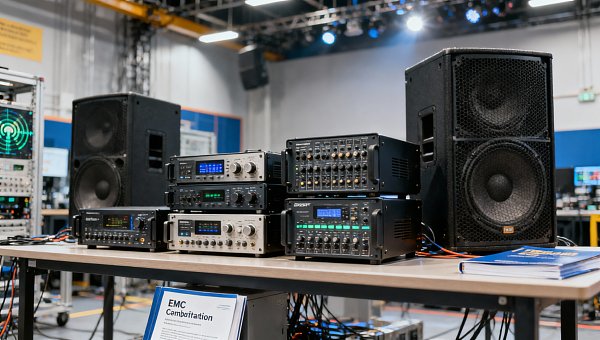
When evaluating professional power amplifiers, the first audible changes rarely come from headline wattage alone. Technical assessors need to focus on how damping, transient response, noise floor, and tonal stability shift under real-world loads. Understanding what changes sound first helps separate marketing claims from meaningful performance indicators and leads to more reliable specification decisions.
In commercial audio systems, small sonic differences become operational issues very quickly. A venue, campus, hotel, or leisure installation needs repeatable clarity, control, and reliability under changing conditions.
That is why professional power amplifiers should be judged through a structured listening and measurement process. A checklist reduces guesswork and keeps attention on the variables that actually change sound first.
Why a Structured Evaluation Matters
Many amplifier comparisons fail because they focus on published power ratings, brand reputation, or isolated listening impressions. Those factors matter, but they do not reveal the earliest audible shifts.
Professional power amplifiers interact with loudspeaker impedance, cable runs, DSP settings, heat buildup, and program material. Sound often changes first when these variables expose weaknesses in control and consistency.
A structured method helps identify whether a unit loses low-frequency grip, blurs transients, raises background hiss, or hardens its top end under sustained load.
Core Points to Check First
- Check bass control before overall loudness. In professional power amplifiers, weak damping usually appears first as softer kick attack, looser sub response, and less precise low-end stopping.
- Listen for transient speed with drums, piano, and speech consonants. Early sonic decline often sounds like rounded attacks, slower impact, and reduced articulation at moderate volume.
- Measure and monitor noise floor at idle and low signal levels. Hiss, hum, or fan-related noise can become the first practical sound problem in quiet hospitality or education spaces.
- Observe tonal stability after extended operation. Some professional power amplifiers sound balanced when cold, then become sharper, flatter, or more compressed after thermal stress rises.
- Test behavior into difficult speaker loads, not only nominal ratings. Audible strain may appear first when impedance dips cause thinner mids, weaker bass authority, or harsher upper frequencies.
- Compare stereo imaging and separation at matched levels. A degrading amplifier can collapse depth and placement before obvious distortion becomes easy to hear.
- Verify headroom with dynamic program material instead of sine-wave assumptions. Musical peaks expose clipping character, compression onset, and recovery speed faster than static specifications do.
- Assess gain structure with source, DSP, and speaker sensitivity together. Poor level matching can hide the real performance of professional power amplifiers and lead to false conclusions.
What Typically Changes Sound First
1. Low-Frequency Damping and Driver Control
The earliest audible change often appears in bass behavior. Professional power amplifiers with weaker output control can sound bigger at first, yet less accurate over time.
Listen for kick drums that bloom too long, bass notes that overlap, or subwoofers that feel slower than expected. Those symptoms usually appear before obvious distortion.
2. Transient Response and Attack Definition
Fast transient handling shapes perceived detail. When professional power amplifiers begin to struggle, snare hits, speech edges, and piano attacks lose precision first.
This does not always sound dramatic. It may simply feel less engaging, less immediate, or harder to understand in reverberant commercial environments.
3. Noise Floor in Quiet Passages
In premium installations, background noise is a serious sound quality issue. Hiss, grounding noise, or fan noise may be the first thing users notice.
Professional power amplifiers used in hotels, meeting rooms, and luxury retail must stay quiet during low-level playback, spoken word, and silent transitions.
4. Tonal Balance Under Heat and Load
An amplifier may sound neutral during a short demo, then change under real duty cycles. Heat buildup can alter perceived smoothness, especially in upper mids and highs.
The key question is consistency. Good professional power amplifiers keep similar tonal behavior from first track to last track, not only during ideal lab conditions.
Application Notes Across Commercial Environments
Hotel and Catering Spaces
In banquet halls and lounges, intelligibility and low background noise matter more than peak spectacle. The first sound change often appears as speech blur or hiss during quiet program sections.
Check how professional power amplifiers behave at low to medium output, especially with distributed speakers and long cable runs.
Office and Educational Environments
Classrooms, lecture spaces, and hybrid meeting rooms expose transient weakness quickly. If consonants soften, spoken content becomes harder to follow even before users notice distortion.
Focus on speech clarity, idle noise, and thermal stability during long operating sessions.
Amusement and Leisure Venues
These spaces stress professional power amplifiers with continuous high energy and changing load demands. Low-frequency looseness and top-end hardness usually appear before complete clipping.
Test with sustained playback, not short bursts, and verify recovery after dynamic peaks.
Pro Audio and Performance Systems
For music reinforcement, differences in punch and image definition often reveal amplifier quality faster than rated wattage. Transient recovery and damping become critical under live dynamics.
Use familiar reference tracks and matched gain when comparing professional power amplifiers in this category.
Commonly Missed Risks
Listening Too Loud Too Soon
High volume can hide subtle control problems. Start at moderate levels, where bass grip, imaging, and noise floor differences are easier to detect.
Ignoring Speaker Load Behavior
A stable result on an easy test cabinet may not predict field performance. Professional power amplifiers should be checked against realistic impedance and crossover demands.
Comparing Without Level Matching
A slightly louder amplifier often sounds more detailed and powerful. Match levels carefully before judging tonal balance, punch, or clarity.
Overlooking Cooling and Fan Acoustics
Mechanical noise can become the first audible failure in quiet commercial spaces. Acoustic comfort matters as much as electronic performance in many installations.
Practical Execution Steps
- Build one repeatable test chain with fixed source, DSP, cables, and speakers.
- Use three content types: speech, transient-rich music, and sustained low-frequency material.
- Begin at low volume, then move to typical operating levels before high-output checks.
- Log bass control, attack sharpness, hiss, tonal shift, and thermal behavior separately.
- Repeat the test after warm-up to confirm whether changes remain stable.
FAQ About Professional Power Amplifiers
Does higher wattage always sound better?
No. Higher wattage helps headroom, but the first audible improvements often come from better damping, lower noise, and stronger transient control.
What is the first warning sign of a poor amplifier match?
Usually weaker bass control or reduced speech clarity. Those signs appear earlier than obvious clipping in many professional power amplifiers.
Should listening or measurement come first?
Both should work together. Listening identifies practical sound changes first, while measurements confirm whether noise, load behavior, or thermal limits caused them.
Conclusion and Next Step
The first changes in professional power amplifiers usually emerge through bass control, transient definition, noise floor, and tonal stability under load. These factors reveal real-world quality faster than headline wattage alone.
A disciplined comparison process leads to better specification outcomes across hospitality, education, leisure, and performance applications. Use a repeatable checklist, test under realistic conditions, and document what changes sound first before making final amplifier decisions.
Search News
Hot Articles
- Restaurant FurnitureFast-Casual Restaurant Interiors: Design Choices That Improve Speed and Guest FlowOct 04, 2026
- Outdoor RidesHow to Select Leisure Park Equipment for Safe, High-Throughput Visitor AreasOct 03, 2026
- Fashion & Gem JewelryDiamond Tester Wholesale: How to Vet Accuracy, Calibration, and MOQ Before OrderingOct 02, 2026
Popular Tags
Need ExpertConsultation?
Connect with our specialized leisureengineering team for procurementstrategies.
Recommended News
 Sep 30, 2026How to Choose an Aluminum Projector Ceiling Mount for Load, Drop, and Ceiling TypeChoose an aluminum projector ceiling mount with confidence. Learn how load capacity, drop length, ceiling structure, safety retention, and service access shape a reliable commercial AV installation.● Pro Audio Engineer
 Sep 26, 2026How to Choose Dynamic Microphones for Vocals in Live Stage SettingsDynamic microphones for vocals: learn how to match polar patterns, feedback control, durability, and clarity to live stage needs for reliable, professional sound.● Pro Audio Engineer
 Sep 07, 2026How to Choose Wall Mount Speakers for Clear Audio in Commercial SpacesWall mount speakers for commercial spaces: learn how to optimize coverage, SPL, directivity, installation, and system design for clear, reliable audio.● Pro Audio Engineer
 Sep 03, 2026How to Choose Locking Speakon Speaker Cables for Reliable Live Sound ConnectionsLocking Speakon speaker cables: learn how to select the right gauge, connector pinout, strain relief, and durable construction for reliable live sound connections.● Pro Audio Engineer
 Sep 08, 2026Is It Worth Upgrading a Stage Sound System Mid-Project?Is it worth upgrading stage sound systems mid-project? Discover how to assess performance gaps, costs, compatibility, and long-term venue value.● Pro Audio Engineer
 Sep 04, 2026Can AV Systems Be Retrofitted Into Older Commercial Buildings?Can AV integration be retrofitted into older commercial buildings? Discover practical strategies for reliable, code-aware AV upgrades with minimal disruption.● Pro Audio Engineer
 Jul 17, 2026How to Choose a Crossover Networks Supplier: Key Specs, Quality Checks, and OEM FactorsFind the right crossover networks supplier with this practical guide to key specs, quality checks, OEM factors, and supply chain risks for better audio performance and sourcing confidence.● Pro Audio Engineer
 Jul 16, 2026How to Evaluate ODM Services for Pro Audio: Design, Certification, and Production CapabilitiesODM services for pro audio: learn how to assess design depth, certification readiness, and production strength to choose a reliable partner and launch better audio products with less risk.● Pro Audio Engineer
 Jul 15, 2026JETRO Flags Modular, Low-Power Shift in Pro Stage AudioPro Stage Audio buyers in Japan are shifting fast: JETRO flags modular amplifiers, IP65 line arrays, low standby power, and JIS compliance as key to channel entry.● Pro Audio Engineer
 Jul 15, 2026Paper Speaker Cones Explained: How Cone Weight and Stiffness Affect SoundPaper speaker cones explained: discover how cone weight and stiffness shape sensitivity, clarity, breakup control, and real-world speaker performance for smarter audio sourcing.● Pro Audio Engineer
 Jul 15, 2026Performance Venues Compliance Checklist: Fire Safety, Accessibility, and Crowd RulesPerformance venues compliance checklist covering fire safety, accessibility, and crowd rules. Learn how to reduce delays, improve approvals, and open safer, more resilient venues.● Pro Audio Engineer
 Jul 14, 2026Japan Adds EMC Immunity Test for Stage AmplifiersJapan Adds EMC Immunity Test for Stage Amplifiers: learn how Japan’s 2026 JIS update affects EMC testing, JIS marking, certification timing, and market access for exporters.● Pro Audio Engineer
 Jul 13, 2026CISCE 2026 Adds Pro Stage Audio ZoneCISCE 2026 Adds Pro Stage Audio Zone as free overseas pre-registration opens. Explore key updates for pro audio suppliers, distributors, and system integrators before the Shanghai expo.● Pro Audio Engineer
 Jul 12, 2026Japan Tightens Pro Stage Audio Efficiency Limits Under JIS C 8105-2026Japan Tightens Pro Stage Audio Efficiency Limits Under JIS C 8105-2026: learn how new PSE compliance rules reshape market access, product eligibility, and shipment planning in Japan.● Pro Audio Engineer
 Jul 12, 2026How to Choose Low Profile Ceiling Speakers for Hotels, Offices, and Retrofit ProjectsLow profile ceiling speakers for hotels, offices, and retrofit projects: learn how to compare depth, coverage, compliance, and installation factors to choose the right fit.● Pro Audio Engineer
 Jul 11, 2026Japan Tightens JIS C 8105-2026 for Pro AudioJapan Tightens JIS C 8105-2026 for Pro Audio: learn how stricter standby power, PSE diamond mark rules, and the 2026 deadline impact exports, compliance, and market access.● Pro Audio Engineer
 Jul 10, 2026JETRO Q2 Outlook Signals Higher Stage Audio DemandJETRO Q2 Outlook signals higher stage audio demand in Japan, with 37% procurement growth and stricter PSE Annex D compliance. See what importers, manufacturers, and rental channels must act on now.● Pro Audio Engineer
 Jul 10, 2026How to Choose Wall Mount Speakers for Restaurants by Layout, Coverage, and SPLWall mount speakers for restaurants should match layout, coverage, and SPL. Learn how to choose the right setup for even sound, guest comfort, and reliable performance.● Pro Audio Engineer
 Jul 09, 2026JIS T 9001:2026 Adds Mandatory AI Noise LabelsJIS T 9001:2026 adds mandatory AI noise labels for pro audio gear from October 2026. Learn how it impacts compliance, testing, exports, and product launches.● Pro Audio Engineer
 Jul 06, 2026Improving Sound Reinforcement Speech Clarity: Key Causes of Muddiness and How to Fix ThemSound reinforcement speech clarity starts with identifying reverberation, coverage, noise, and timing issues. Discover practical fixes that make announcements clearer and commercial spaces perform better.● Pro Audio Engineer
 Jul 05, 2026Saudi Rule Adds Arabic UI Requirement for Pro Audio ImportsSaudi Rule Adds Arabic UI Requirement for Pro Audio Imports: learn how SASO’s new Arabic UI mandate affects digital amplifiers, DSP processors, and network audio interfaces before Sept. 1, 2026.● Pro Audio Engineer
 Jul 02, 2026How to Choose Audio Mixing Consoles for Live Venues: Channels, Buses, and I/O ExplainedAudio mixing consoles explained for live venues: learn how to choose the right channels, buses, and I/O to improve workflow, support growth, and avoid costly mistakes.● Pro Audio Engineer
 Jul 01, 2026UL 62368-3:2026 Adds EMC Rules for Pro Stage AudioUL 62368-3:2026 adds EMC rules for Pro Stage Audio, requiring Level 4 immunity and manual labeling by Oct 1, 2026. See what exporters, makers, and buyers must do now.● Pro Audio Engineer
 Jun 30, 2026Sound Reinforcement Design Basics: How to Plan Coverage, SPL, and Speaker PlacementSound reinforcement design starts with smarter coverage, target SPL, and speaker placement. Learn how to plan clearer, more reliable audio performance for commercial spaces.● Pro Audio Engineer