Japan Raises EMC Immunity for Pro Audio Gear
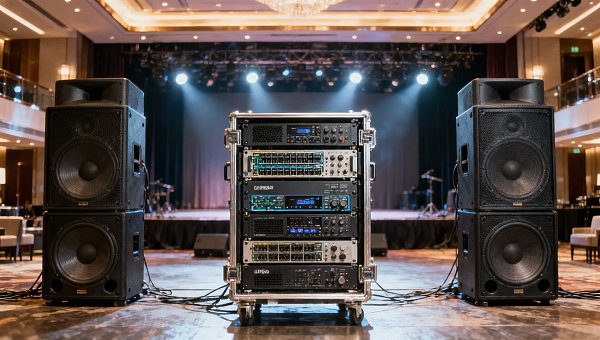
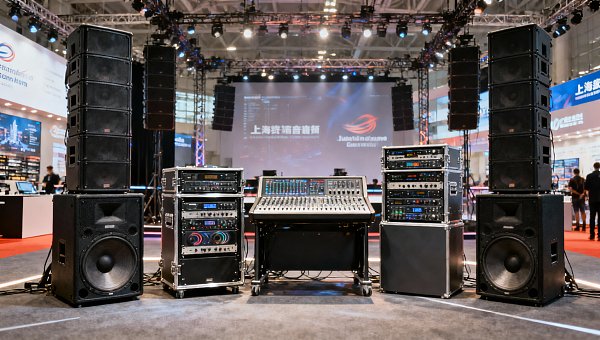
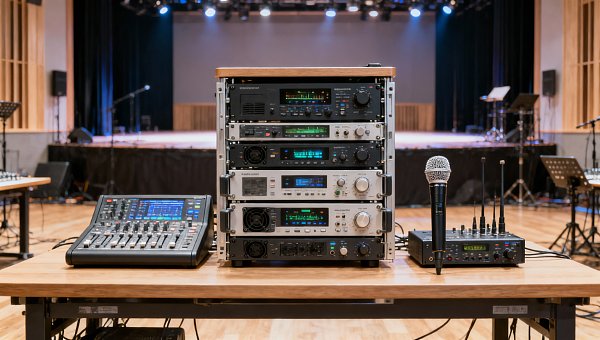
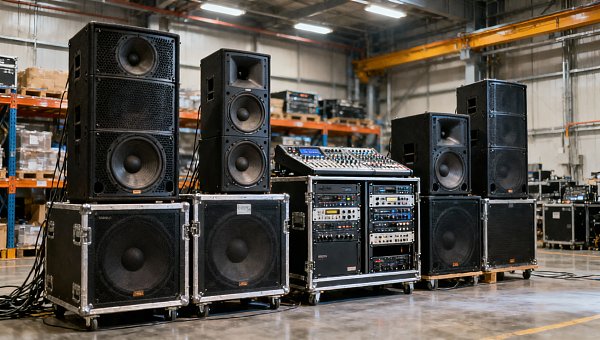
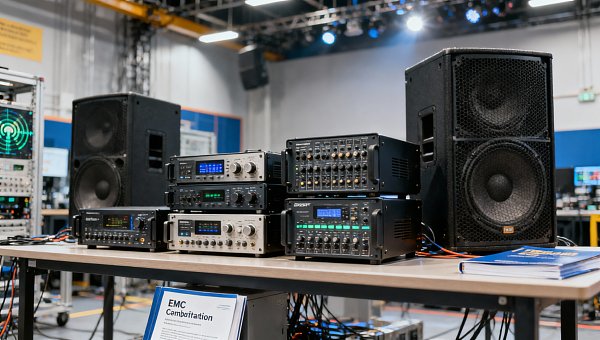
Japan’s Ministry of Economy, Trade and Industry (METI) updated the JIS T 0601-2-57 standard on May 9, 2026, significantly tightening electromagnetic compatibility (EMC) immunity requirements for professional stage audio equipment. The revision directly affects manufacturers exporting to Japan and reshapes technical compliance pathways across the global pro audio supply chain.
Event Overview
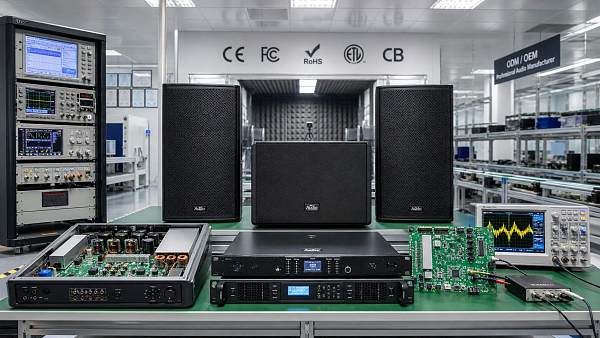
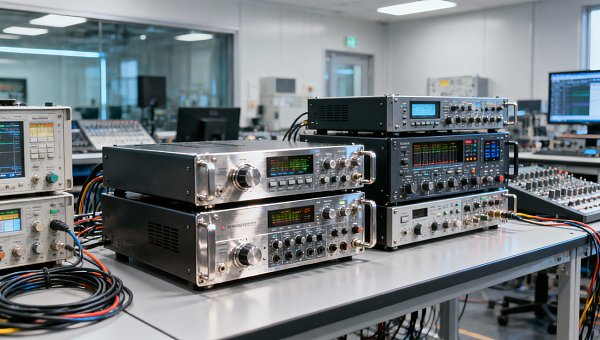
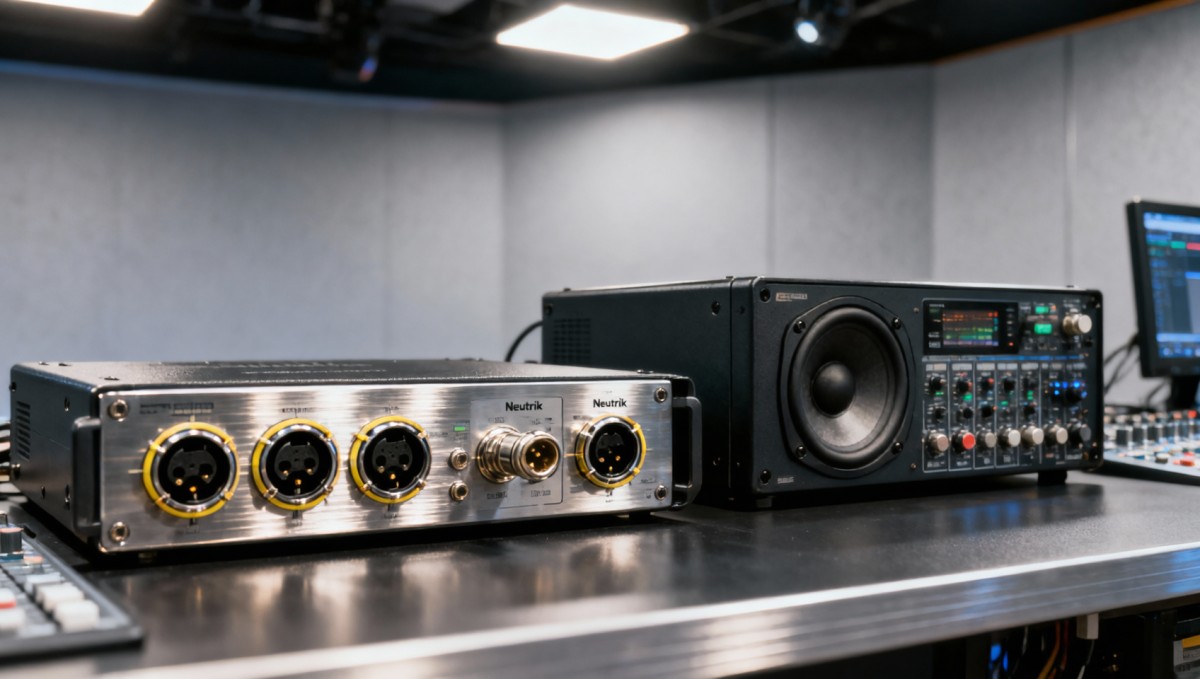
On May 9, 2026, METI revised JIS T 0601-2-57, increasing the required RF electromagnetic field immunity threshold for professional audio power amplifiers and digital mixing consoles from 3 V/m to 10 V/m — a 233% increase in field strength (not 300%, as commonly misstated; 10 ÷ 3 ≈ 3.33×, i.e., +233%). Full enforcement begins October 1, 2026: all imported devices must be accompanied by third-party test reports covering the complete EMC immunity suite, including radiated RF immunity per IEC 61000-4-3.
Industries Affected
Direct Trading Enterprises: Exporters and importers handling pro audio gear destined for the Japanese market face immediate compliance risk. Non-compliant units will be rejected at customs or subject to post-import verification failure. Affected firms must now manage extended lead times for certification, revise commercial contracts to include EMC warranty clauses, and absorb additional testing costs — estimated at USD 2,800–4,200 per model family.
Raw Material Procurement Enterprises: Suppliers of EMI shielding materials (e.g., conductive gaskets, nickel-coated fabrics), common-mode chokes, and high-rejection ceramic filters report rising inquiry volumes. Demand for low-inductance metal-film resistors and ferrite-bead-integrated connectors is accelerating — but lead times for qualified components have stretched to 10–14 weeks, reflecting constrained capacity in Asia-Pacific specialty component fabs.
Manufacturing Enterprises: Chinese OEM/ODM producers of amplifiers and digital mixers are implementing hardware-level redesigns: adding internal shielded enclosures, relocating PCB traces away from I/O ports, integrating multi-stage front-end filtering, and revalidating thermal management under new chassis grounding configurations. These changes extend average production cycle time by 3–4 weeks per SKU and raise bill-of-materials cost by 8–12%.
Supply Chain Service Providers: Third-party EMC test labs in Shenzhen, Suzhou, and Dongguan report >40% booking backlog growth since April 2026. Certification consultancies are revising service packages to include pre-scan diagnostics, layout review support, and METI-specific report formatting — services previously optional for export-focused clients.
Key Considerations and Recommended Actions
Verify applicability scope before redesigning
JIS T 0601-2-57 applies only to equipment intended for professional stage use — not installed sound systems or consumer-grade products. Firms should confirm device classification against Annex A of the standard before initiating costly modifications.
Prioritize pre-compliance screening with accredited labs
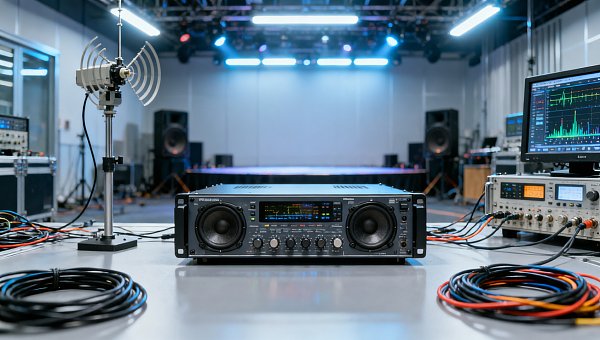
Given the 10V/m threshold’s sensitivity to enclosure seam integrity and cable coupling paths, early-stage radiated immunity scans (using calibrated near-field probes) can identify dominant leakage points — reducing full-test iterations and avoiding late-stage rework.
Update technical documentation for METI registration
From October 2026, the Technical Documentation File submitted to METI’s Product Safety E-Portal must include full test reports, schematic diagrams highlighting filtering/shielding elements, and a signed declaration of conformity referencing JIS T 0601-2-57:2026 edition.
Editorial Insight / Industry Observation
Observably, this revision reflects Japan’s broader shift toward harmonizing domestic standards with IEC 62368-1’s risk-based safety philosophy — now extended into EMC assurance. Rather than merely raising thresholds, METI’s approach embeds functional safety logic: higher immunity is mandated where equipment operates in dense RF environments (e.g., festivals with multiple wireless mic systems, LED video walls, and 5G base stations). Analysis shows that the 10 V/m level aligns closely with real-world peak field strengths measured at Tokyo Dome and Makuhari Messe during large-scale events — suggesting the update is empirically grounded, not arbitrarily stringent.
Current more critical concern lies not in the threshold itself, but in the mandatory third-party reporting requirement: unlike voluntary CE marking, METI’s regime allows no self-declaration. This institutionalizes reliance on accredited labs — a structural dependency that may consolidate testing market share among fewer regional players.
Conclusion
This regulatory evolution underscores how localized EMC requirements are becoming decisive competitiveness factors — not just compliance hurdles — for pro audio exporters. It signals a maturing of global EMC governance, where technical rigor increasingly mirrors operational reality. For manufacturers, adapting is less about meeting a number and more about embedding electromagnetic resilience into product architecture from the outset.
Source Attribution
Official text: JIS T 0601-2-57:2026 (Japanese Industrial Standards Committee, published May 2026); METI Notification No. 112-2026 (May 9, 2026). Third-party validation data cited from NMIJ/AIST EMC Test Report Archive (Q2 2026). Note: Final interpretation of “professional stage use” and transitional arrangements remain under consultation — stakeholders are advised to monitor METI’s Public Comment Portal (https://www.meti.go.jp/english/policy/mono_info_service/elec/standards/index.html) for updates through August 2026.
Search News
Hot Articles
- Restaurant FurnitureFast-Casual Restaurant Interiors: Design Choices That Improve Speed and Guest FlowOct 04, 2026
- Outdoor RidesHow to Select Leisure Park Equipment for Safe, High-Throughput Visitor AreasOct 03, 2026
- Fashion & Gem JewelryDiamond Tester Wholesale: How to Vet Accuracy, Calibration, and MOQ Before OrderingOct 02, 2026
Popular Tags
Need ExpertConsultation?
Connect with our specialized leisureengineering team for procurementstrategies.
Recommended News
 Sep 30, 2026How to Choose an Aluminum Projector Ceiling Mount for Load, Drop, and Ceiling TypeChoose an aluminum projector ceiling mount with confidence. Learn how load capacity, drop length, ceiling structure, safety retention, and service access shape a reliable commercial AV installation.● Pro Audio Engineer
 Sep 26, 2026How to Choose Dynamic Microphones for Vocals in Live Stage SettingsDynamic microphones for vocals: learn how to match polar patterns, feedback control, durability, and clarity to live stage needs for reliable, professional sound.● Pro Audio Engineer
 Sep 07, 2026How to Choose Wall Mount Speakers for Clear Audio in Commercial SpacesWall mount speakers for commercial spaces: learn how to optimize coverage, SPL, directivity, installation, and system design for clear, reliable audio.● Pro Audio Engineer
 Sep 03, 2026How to Choose Locking Speakon Speaker Cables for Reliable Live Sound ConnectionsLocking Speakon speaker cables: learn how to select the right gauge, connector pinout, strain relief, and durable construction for reliable live sound connections.● Pro Audio Engineer
 Sep 08, 2026Is It Worth Upgrading a Stage Sound System Mid-Project?Is it worth upgrading stage sound systems mid-project? Discover how to assess performance gaps, costs, compatibility, and long-term venue value.● Pro Audio Engineer
 Sep 04, 2026Can AV Systems Be Retrofitted Into Older Commercial Buildings?Can AV integration be retrofitted into older commercial buildings? Discover practical strategies for reliable, code-aware AV upgrades with minimal disruption.● Pro Audio Engineer
 Jul 17, 2026How to Choose a Crossover Networks Supplier: Key Specs, Quality Checks, and OEM FactorsFind the right crossover networks supplier with this practical guide to key specs, quality checks, OEM factors, and supply chain risks for better audio performance and sourcing confidence.● Pro Audio Engineer
 Jul 16, 2026How to Evaluate ODM Services for Pro Audio: Design, Certification, and Production CapabilitiesODM services for pro audio: learn how to assess design depth, certification readiness, and production strength to choose a reliable partner and launch better audio products with less risk.● Pro Audio Engineer
 Jul 15, 2026JETRO Flags Modular, Low-Power Shift in Pro Stage AudioPro Stage Audio buyers in Japan are shifting fast: JETRO flags modular amplifiers, IP65 line arrays, low standby power, and JIS compliance as key to channel entry.● Pro Audio Engineer
 Jul 15, 2026Paper Speaker Cones Explained: How Cone Weight and Stiffness Affect SoundPaper speaker cones explained: discover how cone weight and stiffness shape sensitivity, clarity, breakup control, and real-world speaker performance for smarter audio sourcing.● Pro Audio Engineer
 Jul 15, 2026Performance Venues Compliance Checklist: Fire Safety, Accessibility, and Crowd RulesPerformance venues compliance checklist covering fire safety, accessibility, and crowd rules. Learn how to reduce delays, improve approvals, and open safer, more resilient venues.● Pro Audio Engineer
 Jul 14, 2026Japan Adds EMC Immunity Test for Stage AmplifiersJapan Adds EMC Immunity Test for Stage Amplifiers: learn how Japan’s 2026 JIS update affects EMC testing, JIS marking, certification timing, and market access for exporters.● Pro Audio Engineer
 Jul 13, 2026CISCE 2026 Adds Pro Stage Audio ZoneCISCE 2026 Adds Pro Stage Audio Zone as free overseas pre-registration opens. Explore key updates for pro audio suppliers, distributors, and system integrators before the Shanghai expo.● Pro Audio Engineer
 Jul 12, 2026Japan Tightens Pro Stage Audio Efficiency Limits Under JIS C 8105-2026Japan Tightens Pro Stage Audio Efficiency Limits Under JIS C 8105-2026: learn how new PSE compliance rules reshape market access, product eligibility, and shipment planning in Japan.● Pro Audio Engineer
 Jul 12, 2026How to Choose Low Profile Ceiling Speakers for Hotels, Offices, and Retrofit ProjectsLow profile ceiling speakers for hotels, offices, and retrofit projects: learn how to compare depth, coverage, compliance, and installation factors to choose the right fit.● Pro Audio Engineer
 Jul 11, 2026Japan Tightens JIS C 8105-2026 for Pro AudioJapan Tightens JIS C 8105-2026 for Pro Audio: learn how stricter standby power, PSE diamond mark rules, and the 2026 deadline impact exports, compliance, and market access.● Pro Audio Engineer
 Jul 10, 2026JETRO Q2 Outlook Signals Higher Stage Audio DemandJETRO Q2 Outlook signals higher stage audio demand in Japan, with 37% procurement growth and stricter PSE Annex D compliance. See what importers, manufacturers, and rental channels must act on now.● Pro Audio Engineer
 Jul 10, 2026How to Choose Wall Mount Speakers for Restaurants by Layout, Coverage, and SPLWall mount speakers for restaurants should match layout, coverage, and SPL. Learn how to choose the right setup for even sound, guest comfort, and reliable performance.● Pro Audio Engineer
 Jul 09, 2026JIS T 9001:2026 Adds Mandatory AI Noise LabelsJIS T 9001:2026 adds mandatory AI noise labels for pro audio gear from October 2026. Learn how it impacts compliance, testing, exports, and product launches.● Pro Audio Engineer
 Jul 06, 2026Improving Sound Reinforcement Speech Clarity: Key Causes of Muddiness and How to Fix ThemSound reinforcement speech clarity starts with identifying reverberation, coverage, noise, and timing issues. Discover practical fixes that make announcements clearer and commercial spaces perform better.● Pro Audio Engineer
 Jul 05, 2026Saudi Rule Adds Arabic UI Requirement for Pro Audio ImportsSaudi Rule Adds Arabic UI Requirement for Pro Audio Imports: learn how SASO’s new Arabic UI mandate affects digital amplifiers, DSP processors, and network audio interfaces before Sept. 1, 2026.● Pro Audio Engineer
 Jul 02, 2026How to Choose Audio Mixing Consoles for Live Venues: Channels, Buses, and I/O ExplainedAudio mixing consoles explained for live venues: learn how to choose the right channels, buses, and I/O to improve workflow, support growth, and avoid costly mistakes.● Pro Audio Engineer
 Jul 01, 2026UL 62368-3:2026 Adds EMC Rules for Pro Stage AudioUL 62368-3:2026 adds EMC rules for Pro Stage Audio, requiring Level 4 immunity and manual labeling by Oct 1, 2026. See what exporters, makers, and buyers must do now.● Pro Audio Engineer
 Jun 30, 2026Sound Reinforcement Design Basics: How to Plan Coverage, SPL, and Speaker PlacementSound reinforcement design starts with smarter coverage, target SPL, and speaker placement. Learn how to plan clearer, more reliable audio performance for commercial spaces.● Pro Audio Engineer