Global Smart Campus Tech Demand Rises with Sports Venue Boom
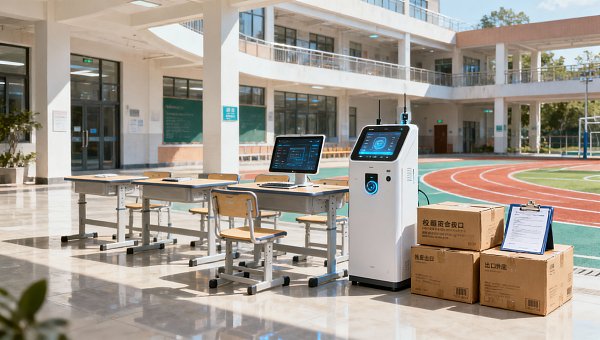
On May 10, 2026, the International Sports Building Association (ISBA) reported a surge in global campus sports facility construction and renovation — with 218 new or upgraded venues completed in Q1 2026 — driving heightened demand for integrated smart campus technologies. This development is especially relevant for companies involved in intelligent infrastructure exports, AI-powered sports analytics, sustainable building systems, and cross-border project delivery.
Event Overview
According to the ISBA report released on May 10, 2026, 218 new or renovated campus sports venues were completed globally in Q1 2026. Of these, 63% mandated integration of AI-based motion capture, contactless physical assessment, and carbon footprint tracking modules. Chinese leading Smart Campus Tech suppliers indicated that export orders rose 47% year-on-year, with Middle Eastern and Latin American markets now accounting for 58% of total orders. Delivery schedules for confirmed orders are fully booked through Q1 2027.
Impact on Specific Industry Segments
Export-oriented technology integrators: These firms face increased tendering activity and longer lead times due to capacity constraints. The shift toward AI- and sustainability-integrated specifications means technical compliance requirements — particularly around data interoperability, privacy-by-design, and environmental reporting — have become more stringent.
Hardware manufacturers (sensors, edge computing units, IoT gateways): Demand for certified, low-power, outdoor-rated sensing hardware and embedded AI inference modules has intensified. Suppliers must align production planning with extended delivery windows and regional certification timelines (e.g., GCC Conformity Mark, INMETRO).
Project logistics and commissioning service providers: With over half of new orders concentrated in Middle East and Latin America, localization of installation support, multilingual technical documentation, and post-deployment calibration services are becoming critical differentiators. Remote commissioning capabilities are increasingly required but not yet standardized across vendors.
Sustainability compliance consultants: Carbon footprint tracking is no longer optional in 63% of projects. This elevates the relevance of verified lifecycle assessment (LCA) data for installed equipment and requires alignment between hardware specs, software reporting frameworks, and regional GHG protocol standards.
What Relevant Companies or Practitioners Should Focus On
Monitor regional regulatory updates on smart infrastructure procurement
Several Gulf Cooperation Council (GCC) states and Andean Community members have recently published draft guidelines for AI-enabled public infrastructure. While not yet mandatory, these documents signal upcoming tender evaluation criteria — especially around data sovereignty, algorithmic transparency, and third-party verification of carbon metrics.
Track order concentration shifts by geography and module type
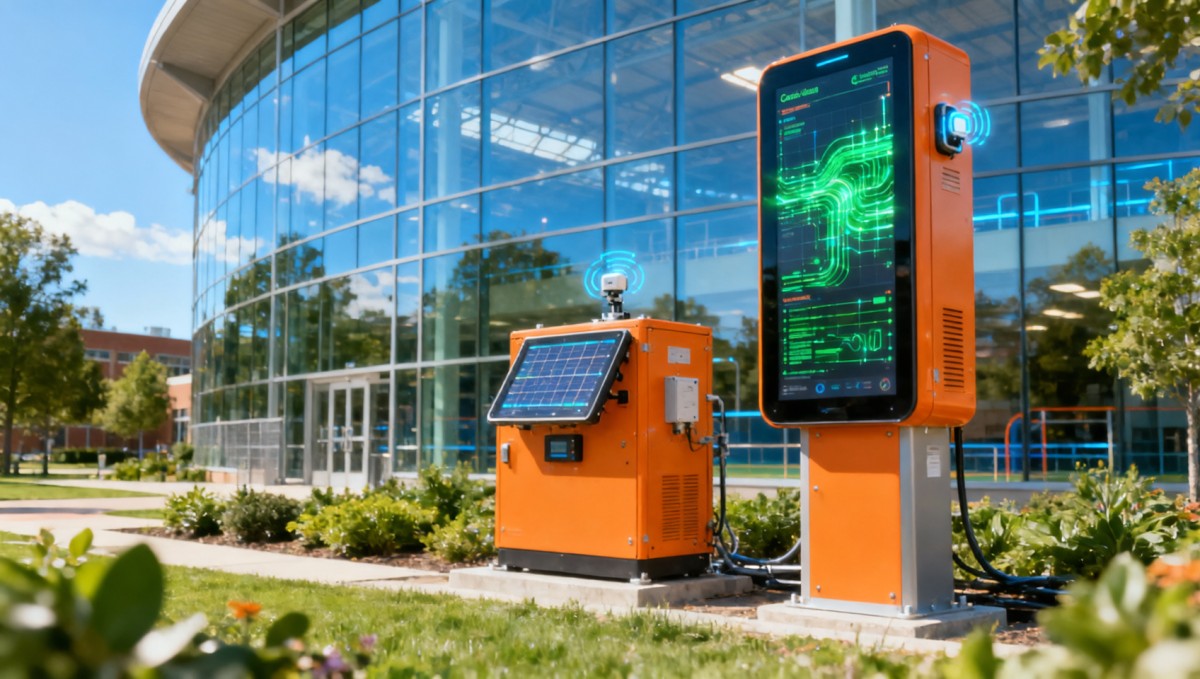
The 58% Middle East–Latin America order share reflects both funding mechanisms (e.g., sovereign wealth-backed education modernization programs) and technical priorities (e.g., heat-resilient sensor deployment, solar-powered edge nodes). Firms should map current pipeline against these drivers rather than treating regional growth as uniform.
Distinguish between specification mandates and implementation readiness
While 63% of venues require carbon tracking, ISBA’s report does not indicate whether all projects include budgeted integration pathways or rely on vendor-provided APIs. Procurement teams should verify whether ‘required’ modules are defined at the architectural, system integration, or software layer — as this affects scope definition and subcontractor engagement.
Prepare for extended lead-time coordination across supply tiers
With deliveries scheduled through Q1 2027, upstream component suppliers (e.g., custom ASICs for motion analysis, certified environmental sensors) may face cascading pressure. Export integrators should formalize early-bird allocation agreements and pre-validate alternative sourcing paths — particularly for dual-use components subject to evolving export controls.
Editorial Perspective / Industry Observation
Observably, this trend signals a structural shift from ‘smart campus’ as a branding initiative to a procurement-mandated capability — especially within publicly funded education infrastructure. Analysis shows the 47% export growth is not merely cyclical but tied to codified technical requirements in tender documents, suggesting institutionalization rather than pilot-phase adoption. From an industry perspective, it is better understood as an early-stage inflection point: while delivery capacity remains constrained, standardization of interoperable modules (e.g., IEEE 2793 for campus carbon data exchange) is still nascent — meaning competitive advantage currently favors adaptability over scale. Continued attention is warranted as regional certification bodies begin publishing conformance test protocols later this year.
In summary, the ISBA data reflects growing institutional demand for verifiable, integrated smart campus capabilities — not just digital dashboards, but interoperable systems with measurable operational and environmental outcomes. For stakeholders, this is less about chasing growth headlines and more about calibrating technical readiness, compliance scaffolding, and cross-regional execution capacity against concrete, tender-backed requirements.
Source: International Sports Building Association (ISBA), May 10, 2026 report. Note: Regional certification timelines and LCA framework adoption remain under observation and are not confirmed in the source material.
Search News
Hot Articles
- Restaurant FurnitureFast-Casual Restaurant Interiors: Design Choices That Improve Speed and Guest FlowOct 04, 2026
- Outdoor RidesHow to Select Leisure Park Equipment for Safe, High-Throughput Visitor AreasOct 03, 2026
- Fashion & Gem JewelryDiamond Tester Wholesale: How to Vet Accuracy, Calibration, and MOQ Before OrderingOct 02, 2026
Popular Tags
Need ExpertConsultation?
Connect with our specialized leisureengineering team for procurementstrategies.
Recommended News
 Sep 28, 2026How U.S. Schools Can Choose Laboratory Equipment for Safe, Compliant Science LabsSchool laboratory equipment USA: learn how to select safe, compliant lab furniture, ventilation, emergency systems, and durable tools for K–12 science labs.● Institutional Buyer
 Sep 16, 2026How to Source Educational Furniture Worldwide for Safe, Flexible Learning SpacesEducational furniture worldwide: learn how to source safe, flexible, durable learning-space solutions while controlling compliance, logistics, and lifecycle costs.● Institutional Buyer
 Aug 31, 2026How to Plan Smart Classroom Solutions That Improve Learning and IT ManageabilitySmart classroom solutions: learn how to plan secure, scalable teaching spaces that improve learning, simplify IT management, and reduce lifecycle costs.● Institutional Buyer
 Aug 01, 2026How to Specify an EN54 School PA System for Safe, Compliant Campus Voice EvacuationEN54 school PA system specification guide for safer, compliant campus voice evacuation. Learn zoning, intelligibility, monitoring, tender tips, and handover checks.● Institutional Buyer
 Jul 15, 2026Vietnam Tightens Import Rules for Smart Campus TechVietnam Tightens Import Rules for Smart Campus Tech: learn how MOIT’s 2026 data hosting and NEP connection rules may reshape import approval, sourcing timelines, and delivery planning.● Institutional Buyer
 Jul 14, 2026Thailand TISI Tightens Rules for Smart Campus TerminalsThailand TISI tightens rules for smart campus terminals, requiring Thai speech recognition and local biometric data storage. Learn the compliance impact, timeline risks, and what exporters must do now.● Institutional Buyer
 Jul 13, 2026Red Sea Rerouting Lifts Smart Campus Tech Shipping CostsRed Sea rerouting lifts Smart Campus Tech shipping costs, extends Asia-Europe booking lead times, and delays delivery. See what exporters, buyers, and logistics teams should do now.● Institutional Buyer
 Jul 12, 2026Event Technology for Live Venues: What Systems Matter Most for Seamless Operations?Event technology defines how live venues handle ticketing, AV, access, and monitoring. Discover which systems matter most for seamless operations, higher uptime, and better guest experiences.● Institutional Buyer
 Jul 11, 2026What Is a Campus Procurement Platform and How Does It Improve School Purchasing Workflows?Campus procurement platform explained: learn how it streamlines school purchasing workflows, improves approval control, boosts spend visibility, and reduces delays across campus buying.● Institutional Buyer
 Jul 10, 2026Vietnam Raises Smart Campus Tech Import Tariff to 12%Vietnam Raises Smart Campus Tech Import Tariff to 12%: explore how the new Vietnam smart campus tech tariff impacts pricing, sourcing, and local assembly strategies across Southeast Asia.● Institutional Buyer
 Jul 10, 2026Interactive Document Camera vs Webcam: Which Works Better for Smart Classrooms?Interactive document camera vs webcam: discover which delivers clearer content sharing, faster lesson flow, and better hybrid teaching performance for smart classrooms.● Institutional Buyer
 Jul 09, 2026RCEP Rule Adds Carbon Footprint Filings for Smart Campus Tech ExportsRCEP Rule reshapes Smart Campus Tech exports: learn how new carbon footprint filings for Singapore, Thailand, and Vietnam affect customs clearance, lead times, and compliance planning before October 1, 2026.● Institutional Buyer
 Jul 09, 2026Basketball Hoops for Campuses: Which Backboard, Rim, and Mounting Type Fits Your Site?Basketball hoops for campuses: compare backboard, rim, and mounting options by site needs. Learn how to choose safer, longer-lasting systems for outdoor courts, gyms, and multipurpose halls.● Institutional Buyer
 Jul 09, 2026Modular Educational Furniture: What to Check Before Planning Flexible ClassroomsModular educational furniture: learn what to check before planning flexible classrooms, from safety and durability to teaching fit, supplier quality, and long-term value.● Institutional Buyer
 Jul 08, 2026Shenzhen-Yokohama Port Delays Fall to 2.1 DaysShenzhen-Yokohama Port Delays fall to 2.1 days, cutting shipment cycles by 5–7 days for smart campus equipment. See how faster port efficiency can ease Q3 school delivery pressure.● Institutional Buyer
 Jul 07, 2026FBX Slide Pushes Smart Campus Freight Below $980/FEUFBX Slide Pushes Smart Campus Freight Below $980/FEU as Asia-Europe rates tumble. Discover what this means for smart campus shipments, booking risks, and cost-saving opportunities.● Institutional Buyer
 Jul 07, 2026Math Manipulatives Bulk Price Guide: Cost Drivers, Pack Sizes, and School Budget PlanningMath manipulatives bulk price explained: compare cost drivers, pack sizes, landed costs, and school budget planning tips to source smarter and avoid hidden expenses.● Institutional Buyer
 Jul 04, 2026RCEP Update Expands Indonesia Duty-Free Quota for Edu DevicesRCEP Update Expands Indonesia Duty-Free Quota for Edu Devices: learn how the new 80,000-unit quota reshapes export costs, compliance, and school procurement opportunities in Indonesia.● Institutional Buyer
 Jul 03, 2026Indonesia Enforces ID-SNI Labels on Smart Campus ImportsIndonesia Enforces ID-SNI Labels on Smart Campus Imports: learn how the new rule affects labeling, customs clearance, certification, and delivery readiness for compliant market entry.● Institutional Buyer
 Jul 03, 2026How to Choose Indoor School Sports Equipment for Age Groups, Space, and Safety NeedsIndoor school sports equipment buying guide for schools: learn how to match age groups, space limits, and safety standards to choose durable, efficient solutions.● Institutional Buyer
 Jul 02, 2026Chromebook Charging Stations for Schools: Cart vs Cabinet vs Wall-Mount OptionsChromebook charging stations for schools compared: cart, cabinet, and wall-mount options. Discover the best fit for security, space, mobility, and budget before you buy.● Institutional Buyer
 Jul 01, 2026Indonesia Opens RCEP Fast Track for Smart Campus IoTIndonesia opens an RCEP fast track for Smart Campus IoT, cutting Jakarta customs clearance to 12 hours for eligible HS 8517.62 devices. See who qualifies and how to prepare.● Institutional Buyer
 Jun 30, 2026Flexible Learning Spaces for K-12 and Higher Ed: Layout Ideas, Furniture, and Tech NeedsFlexible learning spaces for K-12 and higher ed: explore practical layout ideas, durable furniture, and smart tech strategies that improve teaching, flexibility, and long-term campus value.● Institutional Buyer
 Jun 30, 2026Campus Equipment Procurement Checklist: How to Compare Specs, Warranties, and Total CostCampus equipment procurement made practical: compare specs, warranty terms, supplier reliability, and total cost to avoid hidden expenses and make smarter campus buying decisions.● Institutional Buyer