IOC Grants Priority Access to Chinese Audio/Lighting Firms for LA28
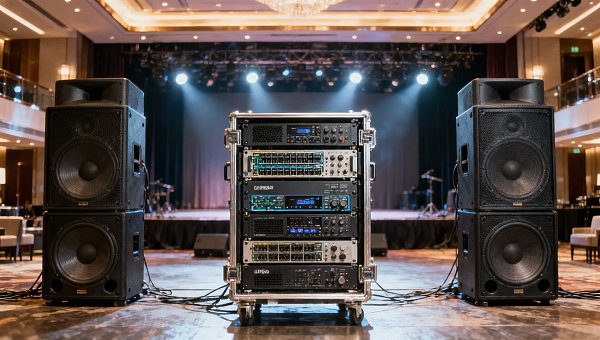
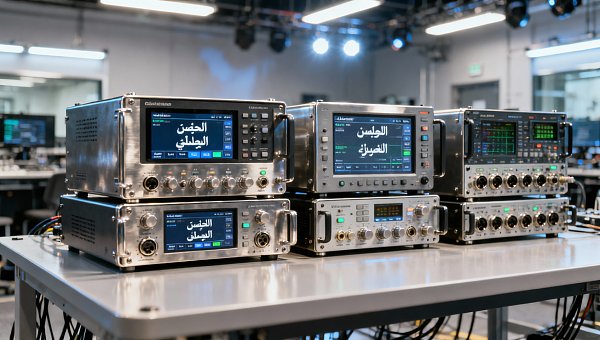
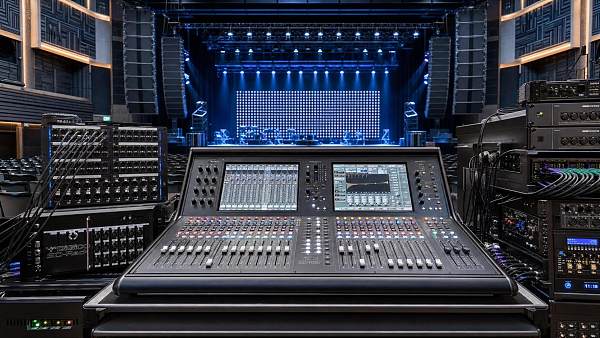
On May 11, 2026, the International Olympic Committee (IOC) updated its supplier framework for the 2028 Los Angeles Olympic Games—marking a pivotal shift in how professional audio and stage lighting providers engage with mega-sport event procurement. By elevating these technologies to ‘core infrastructure supplier’ status and designating the China Audio Industry Association (CAIA) as the sole pre-assessment partner for the Asia-Pacific region, the IOC has effectively reconfigured global access pathways for firms in this specialized sector.
Event Overview
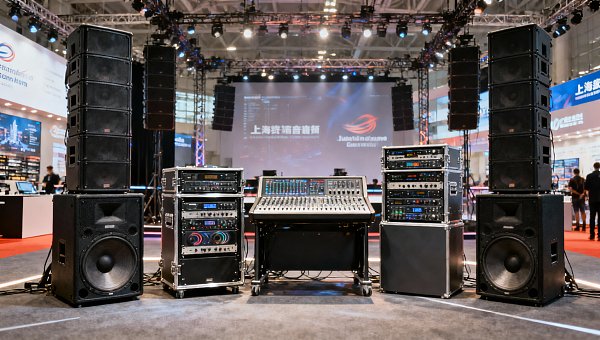
The IOC published the LA28 Venue Tech Supplier Framework on May 11, 2026. For the first time, professional sound reinforcement systems and theatrical stage lighting equipment are classified as ‘core infrastructure suppliers’—a designation previously reserved for IT, power, broadcast, and security vendors. The framework identifies CAIA as the only authorized pre-screening body for APAC-based applicants. Companies successfully vetted by CAIA bypass standard IOC qualification checks and enter directly into the IOC’s technical solution shortlist pool.
Industries Affected
Direct trade enterprises—including export-oriented manufacturers and brand-owning distributors—face accelerated market entry potential but also heightened compliance expectations. Their ability to leverage CAIA endorsement determines speed of inclusion in IOC’s competitive bidding process; however, success hinges not only on product certification but also on documented venue integration experience and multilingual technical documentation readiness.
Raw material procurement enterprises, particularly those supplying high-grade aluminum alloys for rigging structures, IP65-rated LED modules, and low-latency digital audio signal processors, may see demand volatility. While no immediate volume surge is confirmed, procurement planning cycles for LA28 venues are now expected to align with CAIA’s pre-assessment timelines—introducing tighter lead-time dependencies for upstream suppliers.
Contract manufacturing and OEM/ODM enterprises serving international brands face dual pressure: increased audit scrutiny from both CAIA and IOC-appointed third-party assessors, and growing client demand for traceable sustainability credentials (e.g., ISO 14067 carbon footprint declarations per product line). Notably, the framework does not waive manufacturing site inspections—even for CAIA-prequalified firms.
Supply chain service enterprises, such as specialized logistics providers handling oversized lighting trusses or climate-controlled audio console shipments, must adapt to new IOC-mandated data interoperability requirements. These include real-time shipment tracking APIs compatible with the LA28 Integrated Logistics Dashboard—a system that becomes mandatory for all Tier-1 suppliers post-CAIA approval.
Key Focus Areas and Recommended Actions
Verify CAIA Pre-Assessment Eligibility Criteria Immediately
Firms should cross-check current CAIA membership status, ISO 9001/IECQ QC080000 certifications, and minimum three-year proven deployment history in Tier-1 entertainment venues. Applications opened May 15, 2026; CAIA confirms review windows close August 30, 2026.
Align Technical Documentation with IOC’s Multilingual Requirements
All product datasheets, safety manuals, and firmware update protocols must be available in English, Spanish, and French prior to CAIA submission. Machine-translated documents are explicitly excluded under Section 4.2 of the Framework.
Prepare for On-Site Capability Validation
CAIA’s pre-assessment includes unannounced facility visits focused on production traceability, ESD-safe assembly lines, and cybersecurity safeguards for networked lighting/audio controllers. Firms reporting remote firmware updates without local fail-safes risk automatic disqualification.
Editorial Perspective / Industry Observation
Observably, the IOC’s move reflects a broader recalibration of ‘infrastructure’ beyond physical utilities—recognizing that audience immersion, broadcast fidelity, and real-time operational responsiveness now depend critically on integrated AV systems. Analysis shows this is less about expanding vendor pools and more about tightening technical accountability: CAIA’s role as gatekeeper introduces regional quality curation, potentially raising global benchmarks—but also concentrating risk if regional capacity bottlenecks emerge. From an industry standpoint, this signals a structural shift toward ‘certified ecosystem readiness’ over standalone product compliance.
Conclusion
This framework does not guarantee contracts—but it does redefine eligibility architecture. For Chinese Pro Stage Audio and Stage Lighting enterprises, LA28 represents the first Olympics where technical credibility, regional validation, and interoperability discipline collectively outweigh traditional cost or scale advantages. A rational interpretation is that the IOC is institutionalizing performance assurance—not just for venues, but for the entire supply chain behind them.
Source Attribution
Official source: IOC Press Release No. IOC/PR/2026/0511, LA28 Venue Tech Supplier Framework, published May 11, 2026, via olympics.com. Supporting detail: CAIA Circular CAIA-2026-017 (May 12, 2026), outlining APAC pre-assessment procedures. Note: IOC has not yet released the full technical annexes covering cybersecurity, acoustic modeling standards, or legacy system integration waivers—these remain under observation.
Search News
Hot Articles
- Restaurant FurnitureFast-Casual Restaurant Interiors: Design Choices That Improve Speed and Guest FlowOct 04, 2026
- Outdoor RidesHow to Select Leisure Park Equipment for Safe, High-Throughput Visitor AreasOct 03, 2026
- Fashion & Gem JewelryDiamond Tester Wholesale: How to Vet Accuracy, Calibration, and MOQ Before OrderingOct 02, 2026
Popular Tags
Need ExpertConsultation?
Connect with our specialized leisureengineering team for procurementstrategies.
Recommended News
 Sep 30, 2026How to Choose an Aluminum Projector Ceiling Mount for Load, Drop, and Ceiling TypeChoose an aluminum projector ceiling mount with confidence. Learn how load capacity, drop length, ceiling structure, safety retention, and service access shape a reliable commercial AV installation.● Pro Audio Engineer
 Sep 26, 2026How to Choose Dynamic Microphones for Vocals in Live Stage SettingsDynamic microphones for vocals: learn how to match polar patterns, feedback control, durability, and clarity to live stage needs for reliable, professional sound.● Pro Audio Engineer
 Sep 07, 2026How to Choose Wall Mount Speakers for Clear Audio in Commercial SpacesWall mount speakers for commercial spaces: learn how to optimize coverage, SPL, directivity, installation, and system design for clear, reliable audio.● Pro Audio Engineer
 Sep 03, 2026How to Choose Locking Speakon Speaker Cables for Reliable Live Sound ConnectionsLocking Speakon speaker cables: learn how to select the right gauge, connector pinout, strain relief, and durable construction for reliable live sound connections.● Pro Audio Engineer
 Sep 08, 2026Is It Worth Upgrading a Stage Sound System Mid-Project?Is it worth upgrading stage sound systems mid-project? Discover how to assess performance gaps, costs, compatibility, and long-term venue value.● Pro Audio Engineer
 Sep 04, 2026Can AV Systems Be Retrofitted Into Older Commercial Buildings?Can AV integration be retrofitted into older commercial buildings? Discover practical strategies for reliable, code-aware AV upgrades with minimal disruption.● Pro Audio Engineer
 Jul 17, 2026How to Choose a Crossover Networks Supplier: Key Specs, Quality Checks, and OEM FactorsFind the right crossover networks supplier with this practical guide to key specs, quality checks, OEM factors, and supply chain risks for better audio performance and sourcing confidence.● Pro Audio Engineer
 Jul 16, 2026How to Evaluate ODM Services for Pro Audio: Design, Certification, and Production CapabilitiesODM services for pro audio: learn how to assess design depth, certification readiness, and production strength to choose a reliable partner and launch better audio products with less risk.● Pro Audio Engineer
 Jul 15, 2026JETRO Flags Modular, Low-Power Shift in Pro Stage AudioPro Stage Audio buyers in Japan are shifting fast: JETRO flags modular amplifiers, IP65 line arrays, low standby power, and JIS compliance as key to channel entry.● Pro Audio Engineer
 Jul 15, 2026Paper Speaker Cones Explained: How Cone Weight and Stiffness Affect SoundPaper speaker cones explained: discover how cone weight and stiffness shape sensitivity, clarity, breakup control, and real-world speaker performance for smarter audio sourcing.● Pro Audio Engineer
 Jul 15, 2026Performance Venues Compliance Checklist: Fire Safety, Accessibility, and Crowd RulesPerformance venues compliance checklist covering fire safety, accessibility, and crowd rules. Learn how to reduce delays, improve approvals, and open safer, more resilient venues.● Pro Audio Engineer
 Jul 14, 2026Japan Adds EMC Immunity Test for Stage AmplifiersJapan Adds EMC Immunity Test for Stage Amplifiers: learn how Japan’s 2026 JIS update affects EMC testing, JIS marking, certification timing, and market access for exporters.● Pro Audio Engineer
 Jul 13, 2026CISCE 2026 Adds Pro Stage Audio ZoneCISCE 2026 Adds Pro Stage Audio Zone as free overseas pre-registration opens. Explore key updates for pro audio suppliers, distributors, and system integrators before the Shanghai expo.● Pro Audio Engineer
 Jul 12, 2026Japan Tightens Pro Stage Audio Efficiency Limits Under JIS C 8105-2026Japan Tightens Pro Stage Audio Efficiency Limits Under JIS C 8105-2026: learn how new PSE compliance rules reshape market access, product eligibility, and shipment planning in Japan.● Pro Audio Engineer
 Jul 12, 2026How to Choose Low Profile Ceiling Speakers for Hotels, Offices, and Retrofit ProjectsLow profile ceiling speakers for hotels, offices, and retrofit projects: learn how to compare depth, coverage, compliance, and installation factors to choose the right fit.● Pro Audio Engineer
 Jul 11, 2026Japan Tightens JIS C 8105-2026 for Pro AudioJapan Tightens JIS C 8105-2026 for Pro Audio: learn how stricter standby power, PSE diamond mark rules, and the 2026 deadline impact exports, compliance, and market access.● Pro Audio Engineer
 Jul 10, 2026JETRO Q2 Outlook Signals Higher Stage Audio DemandJETRO Q2 Outlook signals higher stage audio demand in Japan, with 37% procurement growth and stricter PSE Annex D compliance. See what importers, manufacturers, and rental channels must act on now.● Pro Audio Engineer
 Jul 10, 2026How to Choose Wall Mount Speakers for Restaurants by Layout, Coverage, and SPLWall mount speakers for restaurants should match layout, coverage, and SPL. Learn how to choose the right setup for even sound, guest comfort, and reliable performance.● Pro Audio Engineer
 Jul 09, 2026JIS T 9001:2026 Adds Mandatory AI Noise LabelsJIS T 9001:2026 adds mandatory AI noise labels for pro audio gear from October 2026. Learn how it impacts compliance, testing, exports, and product launches.● Pro Audio Engineer
 Jul 06, 2026Improving Sound Reinforcement Speech Clarity: Key Causes of Muddiness and How to Fix ThemSound reinforcement speech clarity starts with identifying reverberation, coverage, noise, and timing issues. Discover practical fixes that make announcements clearer and commercial spaces perform better.● Pro Audio Engineer
 Jul 05, 2026Saudi Rule Adds Arabic UI Requirement for Pro Audio ImportsSaudi Rule Adds Arabic UI Requirement for Pro Audio Imports: learn how SASO’s new Arabic UI mandate affects digital amplifiers, DSP processors, and network audio interfaces before Sept. 1, 2026.● Pro Audio Engineer
 Jul 02, 2026How to Choose Audio Mixing Consoles for Live Venues: Channels, Buses, and I/O ExplainedAudio mixing consoles explained for live venues: learn how to choose the right channels, buses, and I/O to improve workflow, support growth, and avoid costly mistakes.● Pro Audio Engineer
 Jul 01, 2026UL 62368-3:2026 Adds EMC Rules for Pro Stage AudioUL 62368-3:2026 adds EMC rules for Pro Stage Audio, requiring Level 4 immunity and manual labeling by Oct 1, 2026. See what exporters, makers, and buyers must do now.● Pro Audio Engineer
 Jun 30, 2026Sound Reinforcement Design Basics: How to Plan Coverage, SPL, and Speaker PlacementSound reinforcement design starts with smarter coverage, target SPL, and speaker placement. Learn how to plan clearer, more reliable audio performance for commercial spaces.● Pro Audio Engineer