FIFA Cuts World Cup Broadcast Rights Fees by Over 50%
On May 14, 2026, FIFA Secretary General visited China and held negotiations with the Chinese Football Association and China Central Television (CCTV) regarding broadcast rights for the 2026 FIFA World Cup in the United States, Canada, and Mexico. A key outcome was FIFA’s formal offer to reduce broadcast licensing fees by more than 50%. This policy shift signals a strategic recalibration in global sports media rights distribution — and is poised to reshape procurement dynamics across several commercial AV and interactive entertainment equipment sectors.
Event Overview
On May 14, 2026, FIFA Secretary General met in Beijing with representatives from the Chinese Football Association and CCTV to discuss broadcast rights for the 2026 FIFA World Cup. During the meeting, FIFA confirmed its willingness to lower broadcast authorization fees by over 50% compared to previous cycles. No final agreement has been signed; terms remain under discussion.
Industries Affected
Direct Export-Oriented Trading Enterprises
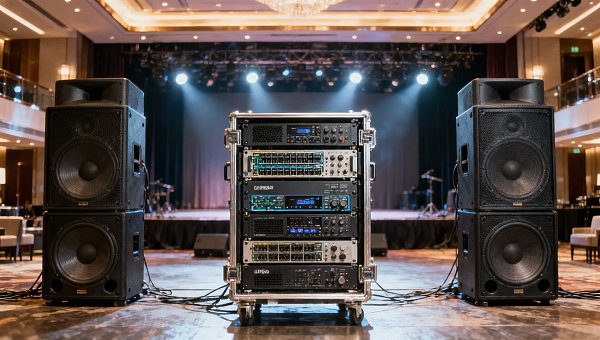
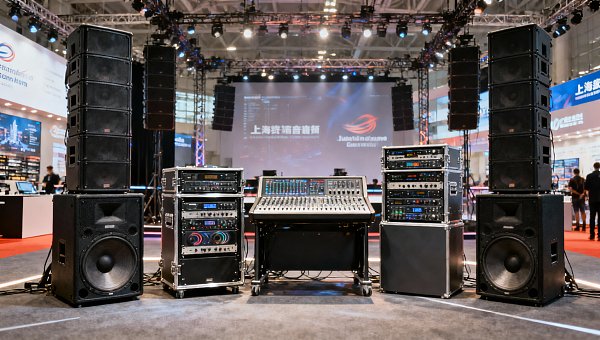
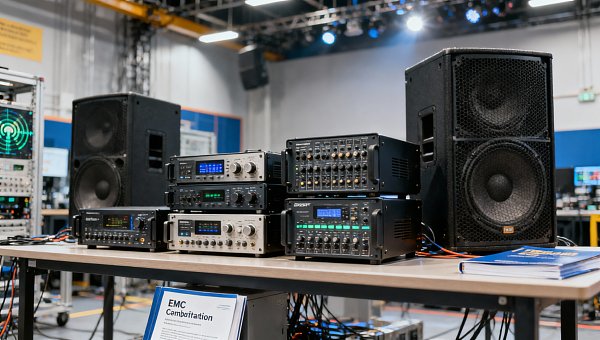
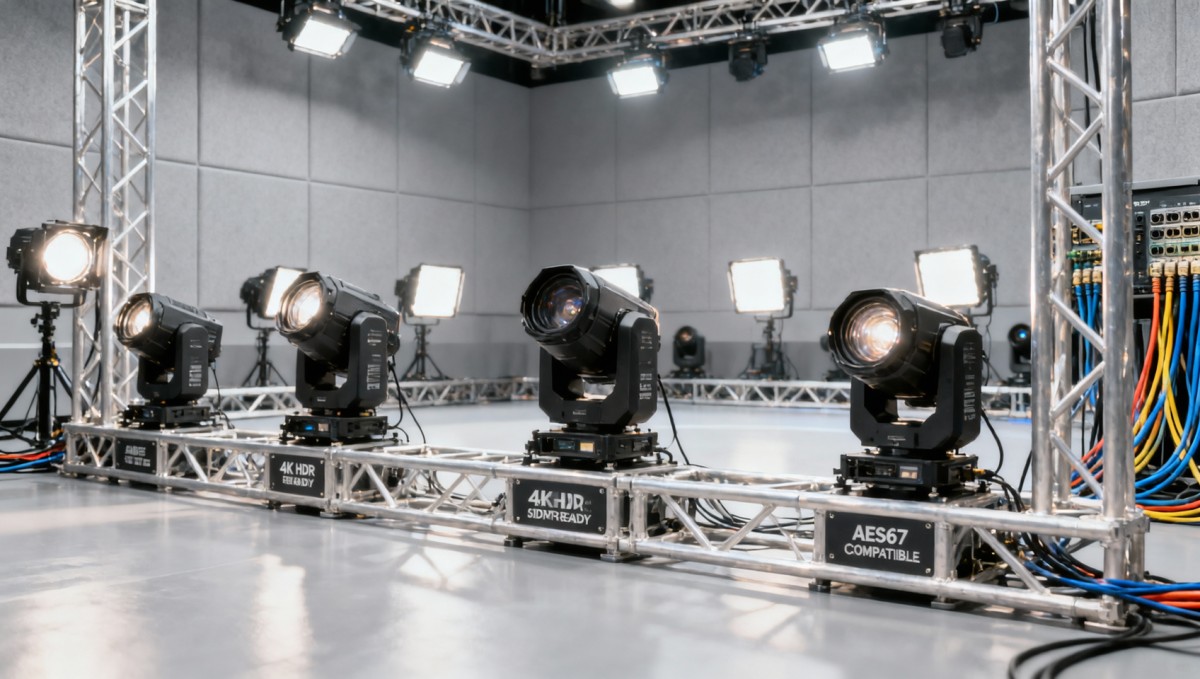
Companies specializing in the export of professional stage audio systems, stage lighting & trussing solutions, and arcade/VR machines face renewed opportunity. With broadcasters seeking cost-efficient, modular, and rapidly deployable production infrastructure — especially amid compressed pre-tournament timelines — Chinese OEM suppliers may gain faster entry into international broadcast compound setups. The impact manifests as increased inbound inquiry volume, accelerated RFP responsiveness requirements, and greater emphasis on compliance with international broadcast standards (e.g., SMPTE, AES67).
Raw Material Procurement Enterprises
Suppliers of aluminum extrusions (for trussing), high-CRI LED chips (for broadcast lighting), and low-latency audio DSP components may see demand volatility. While overall order volume could rise, tighter margin expectations from downstream OEMs may pressure pricing discipline. Notably, demand shifts are likely to favor materials certified for rapid assembly and field serviceability — not just raw throughput.
Contract Manufacturing & Assembly Enterprises
OEM/ODM manufacturers serving AV hardware brands will encounter intensified pressure to demonstrate scalable modularity — e.g., standardized mounting interfaces, plug-and-play signal routing, and pre-certified EMC performance. The 50% fee reduction implies broadcasters’ budgets are being reallocated toward technical agility rather than legacy infrastructure scale. As such, manufacturing partners with agile NPI (New Product Introduction) pipelines and multi-market compliance documentation (CE, FCC, IC) stand to benefit disproportionately.
Supply Chain Service Providers
Freight forwarders, customs brokers, and logistics integrators handling time-sensitive AV shipments — particularly those supporting last-mile delivery to broadcast venues — may observe higher request frequency for expedited air freight, bonded warehousing near major hubs (e.g., Los Angeles, Toronto), and bilingual technical documentation support. Compliance verification services for broadcast-grade electromagnetic compatibility (EMC) and safety standards are also expected to see elevated demand.
Key Considerations and Recommended Actions
Assess Broadcast-Specific Certification Readiness
Enterprises should audit existing product certifications against common broadcast venue requirements: IEC 60950-1 / IEC 62368-1 (safety), EN 55032 (EMI), and SMPTE ST 2110 conformance for IP-based video/audio transport. Gaps here represent immediate barriers to tender eligibility.
Develop Modular, Venue-Agnostic System Configurations
Rather than custom-engineering per broadcaster, companies should prioritize standardized subsystems — e.g., ‘lighting node kits’, ‘audio interface clusters’, or ‘VR rig deployment bundles’ — that can be recombined across different venue footprints and broadcast workflows.
Engage Early with Broadcast-Tech Integrators
Instead of targeting broadcasters directly, firms should identify Tier-2 system integrators already embedded in FIFA-affiliated broadcast consortia (e.g., NEP, IMG, Host Broadcast Services). These intermediaries often drive equipment selection based on interoperability, lead time, and field service capacity — criteria where Chinese OEMs hold comparative advantages.
Editorial Perspective / Industry Observation
Observably, FIFA’s move reflects broader structural pressures in live sports media: declining linear TV ad yields, rising streaming infrastructure costs, and compressed production windows ahead of mega-events. The 50% fee cut is less a concession than a strategic pivot — shifting budget weight from rights acquisition toward scalable, reusable, and interoperable technology stacks. Analysis shows this does not necessarily indicate weakened commercial value of the tournament, but rather a deliberate rebalancing toward operational efficiency and technical adaptability. From an industry perspective, it marks a rare inflection point where cost sensitivity aligns with functional innovation — creating space for non-traditional suppliers to demonstrate differentiated value beyond price alone.
Conclusion
This development does not guarantee market access, but it does lower one significant institutional barrier: the upfront financial threshold for broadcasters to experiment with alternative equipment ecosystems. For Chinese AV and interactive entertainment manufacturers, the opportunity lies not in replacing incumbents overnight, but in becoming trusted enablers of broadcast agility — where speed, modularity, and compliance readiness outweigh legacy brand dominance. A rational interpretation is that this represents a tactical opening, not a structural shift — yet one that rewards preparedness far more than speculation.
Source Attribution
Official statements issued by FIFA during the May 14, 2026 delegation visit to Beijing; public remarks by Chinese Football Association officials following the meeting; preliminary reporting by CCTV Sports Channel (May 14, 2026). Note: Final terms of any broadcast rights agreement, including fee structure, duration, and territorial scope, remain subject to formal signing and are pending confirmation. Ongoing monitoring is recommended for updates on FIFA’s official broadcast partner announcements and associated equipment procurement guidelines.
Search News
Hot Articles
- Restaurant FurnitureFast-Casual Restaurant Interiors: Design Choices That Improve Speed and Guest FlowOct 04, 2026
- Outdoor RidesHow to Select Leisure Park Equipment for Safe, High-Throughput Visitor AreasOct 03, 2026
- Fashion & Gem JewelryDiamond Tester Wholesale: How to Vet Accuracy, Calibration, and MOQ Before OrderingOct 02, 2026
Popular Tags
Need ExpertConsultation?
Connect with our specialized leisureengineering team for procurementstrategies.
Recommended News
 Sep 30, 2026How to Choose an Aluminum Projector Ceiling Mount for Load, Drop, and Ceiling TypeChoose an aluminum projector ceiling mount with confidence. Learn how load capacity, drop length, ceiling structure, safety retention, and service access shape a reliable commercial AV installation.● Pro Audio Engineer
 Sep 26, 2026How to Choose Dynamic Microphones for Vocals in Live Stage SettingsDynamic microphones for vocals: learn how to match polar patterns, feedback control, durability, and clarity to live stage needs for reliable, professional sound.● Pro Audio Engineer
 Sep 07, 2026How to Choose Wall Mount Speakers for Clear Audio in Commercial SpacesWall mount speakers for commercial spaces: learn how to optimize coverage, SPL, directivity, installation, and system design for clear, reliable audio.● Pro Audio Engineer
 Sep 03, 2026How to Choose Locking Speakon Speaker Cables for Reliable Live Sound ConnectionsLocking Speakon speaker cables: learn how to select the right gauge, connector pinout, strain relief, and durable construction for reliable live sound connections.● Pro Audio Engineer
 Sep 08, 2026Is It Worth Upgrading a Stage Sound System Mid-Project?Is it worth upgrading stage sound systems mid-project? Discover how to assess performance gaps, costs, compatibility, and long-term venue value.● Pro Audio Engineer
 Sep 04, 2026Can AV Systems Be Retrofitted Into Older Commercial Buildings?Can AV integration be retrofitted into older commercial buildings? Discover practical strategies for reliable, code-aware AV upgrades with minimal disruption.● Pro Audio Engineer
 Jul 17, 2026How to Choose a Crossover Networks Supplier: Key Specs, Quality Checks, and OEM FactorsFind the right crossover networks supplier with this practical guide to key specs, quality checks, OEM factors, and supply chain risks for better audio performance and sourcing confidence.● Pro Audio Engineer
 Jul 16, 2026How to Evaluate ODM Services for Pro Audio: Design, Certification, and Production CapabilitiesODM services for pro audio: learn how to assess design depth, certification readiness, and production strength to choose a reliable partner and launch better audio products with less risk.● Pro Audio Engineer
 Jul 15, 2026JETRO Flags Modular, Low-Power Shift in Pro Stage AudioPro Stage Audio buyers in Japan are shifting fast: JETRO flags modular amplifiers, IP65 line arrays, low standby power, and JIS compliance as key to channel entry.● Pro Audio Engineer
 Jul 15, 2026Paper Speaker Cones Explained: How Cone Weight and Stiffness Affect SoundPaper speaker cones explained: discover how cone weight and stiffness shape sensitivity, clarity, breakup control, and real-world speaker performance for smarter audio sourcing.● Pro Audio Engineer
 Jul 15, 2026Performance Venues Compliance Checklist: Fire Safety, Accessibility, and Crowd RulesPerformance venues compliance checklist covering fire safety, accessibility, and crowd rules. Learn how to reduce delays, improve approvals, and open safer, more resilient venues.● Pro Audio Engineer
 Jul 14, 2026Japan Adds EMC Immunity Test for Stage AmplifiersJapan Adds EMC Immunity Test for Stage Amplifiers: learn how Japan’s 2026 JIS update affects EMC testing, JIS marking, certification timing, and market access for exporters.● Pro Audio Engineer
 Jul 13, 2026CISCE 2026 Adds Pro Stage Audio ZoneCISCE 2026 Adds Pro Stage Audio Zone as free overseas pre-registration opens. Explore key updates for pro audio suppliers, distributors, and system integrators before the Shanghai expo.● Pro Audio Engineer
 Jul 12, 2026Japan Tightens Pro Stage Audio Efficiency Limits Under JIS C 8105-2026Japan Tightens Pro Stage Audio Efficiency Limits Under JIS C 8105-2026: learn how new PSE compliance rules reshape market access, product eligibility, and shipment planning in Japan.● Pro Audio Engineer
 Jul 12, 2026How to Choose Low Profile Ceiling Speakers for Hotels, Offices, and Retrofit ProjectsLow profile ceiling speakers for hotels, offices, and retrofit projects: learn how to compare depth, coverage, compliance, and installation factors to choose the right fit.● Pro Audio Engineer
 Jul 11, 2026Japan Tightens JIS C 8105-2026 for Pro AudioJapan Tightens JIS C 8105-2026 for Pro Audio: learn how stricter standby power, PSE diamond mark rules, and the 2026 deadline impact exports, compliance, and market access.● Pro Audio Engineer
 Jul 10, 2026JETRO Q2 Outlook Signals Higher Stage Audio DemandJETRO Q2 Outlook signals higher stage audio demand in Japan, with 37% procurement growth and stricter PSE Annex D compliance. See what importers, manufacturers, and rental channels must act on now.● Pro Audio Engineer
 Jul 10, 2026How to Choose Wall Mount Speakers for Restaurants by Layout, Coverage, and SPLWall mount speakers for restaurants should match layout, coverage, and SPL. Learn how to choose the right setup for even sound, guest comfort, and reliable performance.● Pro Audio Engineer
 Jul 09, 2026JIS T 9001:2026 Adds Mandatory AI Noise LabelsJIS T 9001:2026 adds mandatory AI noise labels for pro audio gear from October 2026. Learn how it impacts compliance, testing, exports, and product launches.● Pro Audio Engineer
 Jul 06, 2026Improving Sound Reinforcement Speech Clarity: Key Causes of Muddiness and How to Fix ThemSound reinforcement speech clarity starts with identifying reverberation, coverage, noise, and timing issues. Discover practical fixes that make announcements clearer and commercial spaces perform better.● Pro Audio Engineer
 Jul 05, 2026Saudi Rule Adds Arabic UI Requirement for Pro Audio ImportsSaudi Rule Adds Arabic UI Requirement for Pro Audio Imports: learn how SASO’s new Arabic UI mandate affects digital amplifiers, DSP processors, and network audio interfaces before Sept. 1, 2026.● Pro Audio Engineer
 Jul 02, 2026How to Choose Audio Mixing Consoles for Live Venues: Channels, Buses, and I/O ExplainedAudio mixing consoles explained for live venues: learn how to choose the right channels, buses, and I/O to improve workflow, support growth, and avoid costly mistakes.● Pro Audio Engineer
 Jul 01, 2026UL 62368-3:2026 Adds EMC Rules for Pro Stage AudioUL 62368-3:2026 adds EMC rules for Pro Stage Audio, requiring Level 4 immunity and manual labeling by Oct 1, 2026. See what exporters, makers, and buyers must do now.● Pro Audio Engineer
 Jun 30, 2026Sound Reinforcement Design Basics: How to Plan Coverage, SPL, and Speaker PlacementSound reinforcement design starts with smarter coverage, target SPL, and speaker placement. Learn how to plan clearer, more reliable audio performance for commercial spaces.● Pro Audio Engineer