Why Some Line Array Speakers Underperform After Installation
Many projects invest heavily in line array speakers, only to face uneven coverage, weak intelligibility, or disappointing SPL after installation. For project managers and engineering leads, these issues often trace back to design assumptions, venue mismatch, or commissioning gaps rather than product quality alone. Understanding why performance drops on site is essential to protecting system value, user experience, and long-term project success.
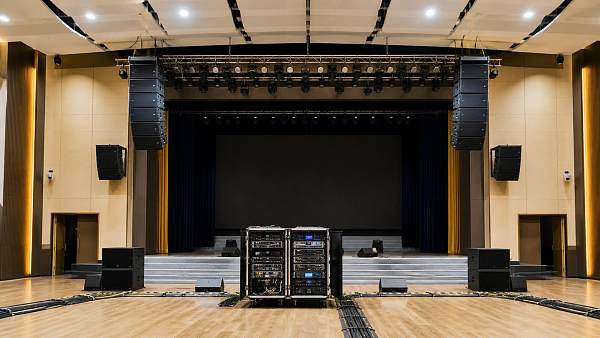
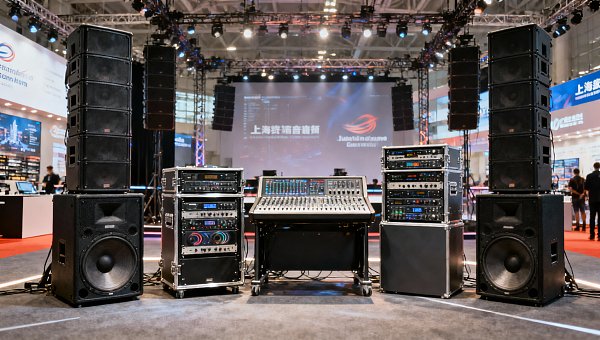
In commercial environments such as hotels, convention halls, campuses, houses of worship, leisure venues, and branded event spaces, audio performance is judged in real time by guests, operators, and stakeholders. A line array system that measures well on paper can still underdeliver if coverage angles, rigging height, room acoustics, DSP settings, or subwoofer integration are not aligned with the venue’s actual use case.
For B2B buyers, the lesson is practical: successful line array speakers depend on system design, installation discipline, and post-install tuning across at least 3 stages—pre-design, deployment, and commissioning. This article explains where underperformance usually begins, what project teams should verify, and how sourcing and implementation decisions can reduce risk before handover.
Why Installed Line Array Speakers Fail to Meet Expectations
When line array speakers disappoint after installation, the root cause is rarely a single fault. In most projects, performance losses come from a chain of 4 to 6 decisions made early in design and later repeated during setup. For engineering leads, that means the procurement brief must go beyond power ratings and cabinet count.
1. Venue Geometry Was Simplified Too Much
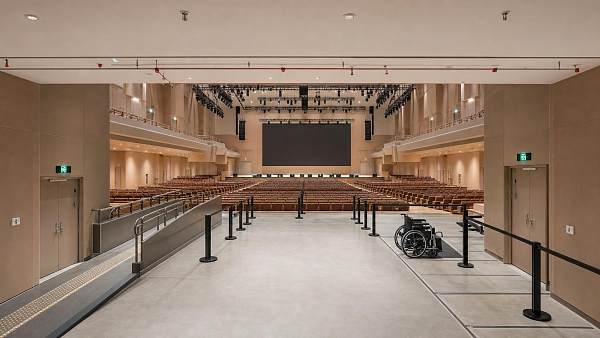
A ballroom with a 7 m ceiling behaves very differently from an auditorium with a 12 m trim height, even if both seat 500 people. If the design only uses room length and width, it may ignore balconies, low overhangs, reflective glass, or deep seating rake. Those details change the vertical coverage requirement and the acceptable aiming window.
Line array speakers rely on controlled coupling between elements. If the array length is too short for the throw distance, or the splay angles are chosen without audience mapping, the front rows may receive excessive energy while the rear third loses intelligibility by 3 dB to 6 dB or more.
Common geometry-related mistakes
- Assuming one audience plane in rooms that actually have 2 or 3 seating elevations
- Ignoring stage thrust, side seating, or temporary partitions
- Using nominal speaker coverage instead of modeled coverage at target trim height
- Choosing left-right arrays where a center cluster or distributed fill would reduce gaps
2. The System Was Sized for Marketing Specs, Not Project Duty
Many buyers compare line array speakers by peak SPL, amplifier wattage, or cabinet size. Those figures matter, but they do not define project success on their own. A venue used for speech-heavy conferences needs different headroom and voicing than one used for EDM playback, branded launches, or mixed-use hospitality programming.
A practical design target often includes 6 dB to 10 dB of usable headroom above the expected operating level. If the system is sized too tightly, operators will push limiters sooner, tonal balance will shift, and speech clarity will suffer during high-occupancy events when background noise increases by several decibels.
3. Acoustics Were Treated as a Secondary Issue
Even premium line array speakers cannot overcome poor room acoustics by themselves. In many commercial interiors, glass façades, stone finishes, exposed ceilings, and decorative metal create long reverberation tails. If reverberation time remains too high for the program type, more SPL can actually make the room less intelligible.
For speech-led applications, project teams often aim for a mid-band reverberation time closer to 0.8 to 1.5 seconds depending on room size. When the room sits well above that range, especially in the 1 kHz to 4 kHz region, direct sound from line array speakers competes with reflections instead of dominating them.
The table below highlights typical causes of underperformance and the project-stage where they usually appear.
For project managers, the key takeaway is that line array speakers usually underperform because one or more design assumptions were never validated against the actual room, operating mode, and commissioning standard. Early coordination saves more value than late troubleshooting.
Installation and Commissioning Gaps That Reduce Real-World Performance
Even a well-selected system can lose 15% to 30% of its practical effectiveness when installation quality is inconsistent. In commercial projects, scheduling pressure often compresses tuning time into the final 1 or 2 days before opening. That is rarely enough for full verification if multiple zones, fills, delays, and control presets are involved.
Rigging Height and Mechanical Execution
Line array speakers must be installed at the height and angle used in the acoustic model. A small deviation matters. Raising or lowering the array by even 0.5 m to 1.0 m can change front-row exposure, balcony shadowing, and floor bounce behavior. On projects with ornamental ceilings or MEP conflicts, installers sometimes compromise the intended trim without revising the model.
Mechanical tolerances also matter. If left and right arrays are not symmetrical, stereo imaging weakens and crossover consistency suffers. If hardware load limits force fewer cabinets than planned, the system may still turn on and pass a basic check while failing coverage targets during the first live event.
DSP, Delay, and Crossover Misalignment
Commissioning is where many line array speakers either come alive or disappoint. Factory presets are a starting point, not a guarantee. Delay alignment between mains, subs, front fills, under-balcony fills, and stage lip speakers should be verified on site. A timing error of just a few milliseconds can smear vocal definition and reduce low-frequency summation.
Subwoofer integration is especially critical in multipurpose venues. If crossover points are set without measurement or listening validation, the system may feel powerful near mix position but inconsistent across the audience. In hospitality and event venues, that inconsistency quickly becomes an operational complaint rather than a technical footnote.
Minimum commissioning checks
- Confirm cabinet order, splay angles, and final trim height against the approved drawing
- Verify polarity and wiring on every amplifier channel and loudspeaker zone
- Measure delay alignment for mains, subs, and supplementary fills
- Check limiter thresholds and operating headroom at target program level
- Create at least 3 operating presets for speech, background music, and full event mode
Power, Network, and Control Infrastructure
Some line array speakers appear to underperform when the real limitation lies in infrastructure. Undersized power distribution, unstable mains voltage, poor grounding, or unmanaged network audio settings can affect amplifier behavior, control reliability, and system safety. In large venues, these issues may only appear during peak load conditions when lighting, video, and HVAC all rise together.
For project teams, that means audio acceptance should include not only listening tests but also electrical and control verification. A system that sounds acceptable at 11 a.m. during a quiet test may behave differently at 8 p.m. under full operational demand.
The following table gives project managers a practical checklist for installation and handover of line array speakers.
These checkpoints are not excessive. They are often the difference between a system that merely passes installation and one that performs consistently for 3 to 5 years with fewer service calls and less operator frustration.
How Project Managers Can Specify Better Line Array Speaker Outcomes
The strongest protection against underperformance begins before procurement. If the employer’s requirement only says “install line array speakers” without defining operating conditions, the integrator is left to interpret coverage, SPL, intelligibility, and control expectations. That usually produces avoidable variation between bids.
Define Performance Targets, Not Just Product Categories
A better tender package sets measurable expectations. For example, identify primary use modes, approximate audience size, trim restrictions, target listening zones, and operational priorities. A 300-seat lecture hall, a 1,000-capacity banquet venue, and a themed entertainment hall may all use line array speakers, but their acceptance criteria are not the same.
Useful project definitions may include maximum throw distance, minimum speech clarity goals, available rigging points, acceptable visual impact, and required redundancy for networked control. These details help suppliers propose systems that fit the venue instead of overselling one-size-fits-all hardware.
Request Modeling, Coordination, and As-Built Deliverables
Any serious line array speakers proposal for commercial installation should include acoustic prediction, rigging details, amplifier and DSP architecture, and integration notes with architectural and MEP constraints. Without those documents, buyers are effectively purchasing a promise rather than a system design.
At minimum, ask for 4 categories of deliverables: pre-sales modeling, shop drawings, commissioning records, and final as-built documentation. This creates accountability across the full project cycle and gives facilities teams a usable reference after handover.
Procurement questions worth asking suppliers
- What audience coverage assumptions were used in the design model?
- How many presets will be created for daily operation and event mode?
- What commissioning time is included—half a day, 1 day, or 2 to 3 days?
- How will subwoofers, delays, and fills be aligned on site?
- What spares, training, and after-sales support are included in the handover package?
Match System Strategy to Commercial Use Case
In GCT-relevant sectors such as hotels, education, leisure, and pro audio procurement, line array speakers are often part of a broader experience strategy. The right sourcing decision balances sound quality, visual integration, safety compliance, service access, and operating simplicity. A technically impressive array that is hard to manage can still fail commercially.
Project leads should also plan for lifecycle realities. Filter cleaning, rigging inspection intervals, software backup, and periodic retuning after room changes should be discussed from day one. In many venues, seating layouts, decorative finishes, or stage usage change within 12 to 24 months, and the audio system must remain adaptable.
Common Misconceptions About Line Array Speakers in Commercial Projects
Several myths continue to distort buying and deployment decisions for line array speakers. Clearing them up helps project stakeholders avoid expensive corrections after installation.
“More Boxes Always Means Better Coverage”
Adding more cabinets can increase control and output, but only if the array geometry, amplification, and aiming remain coherent. More boxes in the wrong configuration can produce more comb filtering, more reflections, and more rigging complexity. Quantity alone is not a design strategy.
“If It Is Loud Enough, It Is Good Enough”
Commercial users notice clarity before they notice absolute SPL. In conference and hospitality spaces, intelligibility, tonal consistency, and low operator effort often matter more than extreme output. A system operating at 92 dB with clean vocal reproduction can outperform a 100 dB system that is harsh or uneven.
“Factory Presets Remove the Need for Site Tuning”
Presets do not account for every room, trim height, subwoofer position, or architectural finish. Site tuning remains essential. In practice, final adjustments to EQ, delay, polarity, and limiter behavior are normal and should be budgeted as part of the installation, not treated as optional extras.
A Practical Path to Better Results
When line array speakers underperform after installation, the fix is not always replacing hardware. More often, it is a matter of validating the original design, checking mechanical execution, refining DSP alignment, and matching the system to the venue’s actual program. For project managers, this means controlling 5 linked areas: room data, system sizing, installation accuracy, commissioning depth, and operator handover.
Commercial buyers who treat audio as part of the total user experience—rather than a late-stage equipment line item—usually achieve better long-term performance and lower remedial cost. Whether the venue is a hotel ballroom, education hall, themed attraction, or multipurpose event space, disciplined specification and sourcing can protect both budget and reputation.
If you are evaluating line array speakers for a new project or trying to solve post-installation performance issues, GCT can help you compare sourcing options, clarify technical requirements, and align suppliers with real commercial use cases. Contact us today to get a tailored solution, review your project brief, or learn more about practical audio sourcing strategies for complex venues.
Search News
Hot Articles
- Restaurant FurnitureFast-Casual Restaurant Interiors: Design Choices That Improve Speed and Guest FlowOct 04, 2026
- Outdoor RidesHow to Select Leisure Park Equipment for Safe, High-Throughput Visitor AreasOct 03, 2026
- Fashion & Gem JewelryDiamond Tester Wholesale: How to Vet Accuracy, Calibration, and MOQ Before OrderingOct 02, 2026
Popular Tags
Need ExpertConsultation?
Connect with our specialized leisureengineering team for procurementstrategies.
Recommended News
 Sep 30, 2026How to Choose an Aluminum Projector Ceiling Mount for Load, Drop, and Ceiling TypeChoose an aluminum projector ceiling mount with confidence. Learn how load capacity, drop length, ceiling structure, safety retention, and service access shape a reliable commercial AV installation.● Pro Audio Engineer
 Sep 26, 2026How to Choose Dynamic Microphones for Vocals in Live Stage SettingsDynamic microphones for vocals: learn how to match polar patterns, feedback control, durability, and clarity to live stage needs for reliable, professional sound.● Pro Audio Engineer
 Sep 07, 2026How to Choose Wall Mount Speakers for Clear Audio in Commercial SpacesWall mount speakers for commercial spaces: learn how to optimize coverage, SPL, directivity, installation, and system design for clear, reliable audio.● Pro Audio Engineer
 Sep 03, 2026How to Choose Locking Speakon Speaker Cables for Reliable Live Sound ConnectionsLocking Speakon speaker cables: learn how to select the right gauge, connector pinout, strain relief, and durable construction for reliable live sound connections.● Pro Audio Engineer
 Sep 08, 2026Is It Worth Upgrading a Stage Sound System Mid-Project?Is it worth upgrading stage sound systems mid-project? Discover how to assess performance gaps, costs, compatibility, and long-term venue value.● Pro Audio Engineer
 Sep 04, 2026Can AV Systems Be Retrofitted Into Older Commercial Buildings?Can AV integration be retrofitted into older commercial buildings? Discover practical strategies for reliable, code-aware AV upgrades with minimal disruption.● Pro Audio Engineer
 Jul 17, 2026How to Choose a Crossover Networks Supplier: Key Specs, Quality Checks, and OEM FactorsFind the right crossover networks supplier with this practical guide to key specs, quality checks, OEM factors, and supply chain risks for better audio performance and sourcing confidence.● Pro Audio Engineer
 Jul 16, 2026How to Evaluate ODM Services for Pro Audio: Design, Certification, and Production CapabilitiesODM services for pro audio: learn how to assess design depth, certification readiness, and production strength to choose a reliable partner and launch better audio products with less risk.● Pro Audio Engineer
 Jul 15, 2026JETRO Flags Modular, Low-Power Shift in Pro Stage AudioPro Stage Audio buyers in Japan are shifting fast: JETRO flags modular amplifiers, IP65 line arrays, low standby power, and JIS compliance as key to channel entry.● Pro Audio Engineer
 Jul 15, 2026Paper Speaker Cones Explained: How Cone Weight and Stiffness Affect SoundPaper speaker cones explained: discover how cone weight and stiffness shape sensitivity, clarity, breakup control, and real-world speaker performance for smarter audio sourcing.● Pro Audio Engineer
 Jul 15, 2026Performance Venues Compliance Checklist: Fire Safety, Accessibility, and Crowd RulesPerformance venues compliance checklist covering fire safety, accessibility, and crowd rules. Learn how to reduce delays, improve approvals, and open safer, more resilient venues.● Pro Audio Engineer
 Jul 14, 2026Japan Adds EMC Immunity Test for Stage AmplifiersJapan Adds EMC Immunity Test for Stage Amplifiers: learn how Japan’s 2026 JIS update affects EMC testing, JIS marking, certification timing, and market access for exporters.● Pro Audio Engineer
 Jul 13, 2026CISCE 2026 Adds Pro Stage Audio ZoneCISCE 2026 Adds Pro Stage Audio Zone as free overseas pre-registration opens. Explore key updates for pro audio suppliers, distributors, and system integrators before the Shanghai expo.● Pro Audio Engineer
 Jul 12, 2026Japan Tightens Pro Stage Audio Efficiency Limits Under JIS C 8105-2026Japan Tightens Pro Stage Audio Efficiency Limits Under JIS C 8105-2026: learn how new PSE compliance rules reshape market access, product eligibility, and shipment planning in Japan.● Pro Audio Engineer
 Jul 12, 2026How to Choose Low Profile Ceiling Speakers for Hotels, Offices, and Retrofit ProjectsLow profile ceiling speakers for hotels, offices, and retrofit projects: learn how to compare depth, coverage, compliance, and installation factors to choose the right fit.● Pro Audio Engineer
 Jul 11, 2026Japan Tightens JIS C 8105-2026 for Pro AudioJapan Tightens JIS C 8105-2026 for Pro Audio: learn how stricter standby power, PSE diamond mark rules, and the 2026 deadline impact exports, compliance, and market access.● Pro Audio Engineer
 Jul 10, 2026JETRO Q2 Outlook Signals Higher Stage Audio DemandJETRO Q2 Outlook signals higher stage audio demand in Japan, with 37% procurement growth and stricter PSE Annex D compliance. See what importers, manufacturers, and rental channels must act on now.● Pro Audio Engineer
 Jul 10, 2026How to Choose Wall Mount Speakers for Restaurants by Layout, Coverage, and SPLWall mount speakers for restaurants should match layout, coverage, and SPL. Learn how to choose the right setup for even sound, guest comfort, and reliable performance.● Pro Audio Engineer
 Jul 09, 2026JIS T 9001:2026 Adds Mandatory AI Noise LabelsJIS T 9001:2026 adds mandatory AI noise labels for pro audio gear from October 2026. Learn how it impacts compliance, testing, exports, and product launches.● Pro Audio Engineer
 Jul 06, 2026Improving Sound Reinforcement Speech Clarity: Key Causes of Muddiness and How to Fix ThemSound reinforcement speech clarity starts with identifying reverberation, coverage, noise, and timing issues. Discover practical fixes that make announcements clearer and commercial spaces perform better.● Pro Audio Engineer
 Jul 05, 2026Saudi Rule Adds Arabic UI Requirement for Pro Audio ImportsSaudi Rule Adds Arabic UI Requirement for Pro Audio Imports: learn how SASO’s new Arabic UI mandate affects digital amplifiers, DSP processors, and network audio interfaces before Sept. 1, 2026.● Pro Audio Engineer
 Jul 02, 2026How to Choose Audio Mixing Consoles for Live Venues: Channels, Buses, and I/O ExplainedAudio mixing consoles explained for live venues: learn how to choose the right channels, buses, and I/O to improve workflow, support growth, and avoid costly mistakes.● Pro Audio Engineer
 Jul 01, 2026UL 62368-3:2026 Adds EMC Rules for Pro Stage AudioUL 62368-3:2026 adds EMC rules for Pro Stage Audio, requiring Level 4 immunity and manual labeling by Oct 1, 2026. See what exporters, makers, and buyers must do now.● Pro Audio Engineer
 Jun 30, 2026Sound Reinforcement Design Basics: How to Plan Coverage, SPL, and Speaker PlacementSound reinforcement design starts with smarter coverage, target SPL, and speaker placement. Learn how to plan clearer, more reliable audio performance for commercial spaces.● Pro Audio Engineer