Digital audio mixers or analog gear for faster live setup
When every minute counts before doors open, the choice between digital audio mixers and analog gear can directly affect setup speed, consistency, and troubleshooting efficiency.
In live production, speed is never just about plugging in cables faster. It also depends on scene recall, routing flexibility, operator familiarity, and how well a system adapts to venue changes.
This guide compares digital audio mixers with analog systems in practical conditions. It focuses on faster setup, stable operation, and smarter evaluation for commercial venues, touring rigs, and event-driven installations.
What makes digital audio mixers faster in live setup?
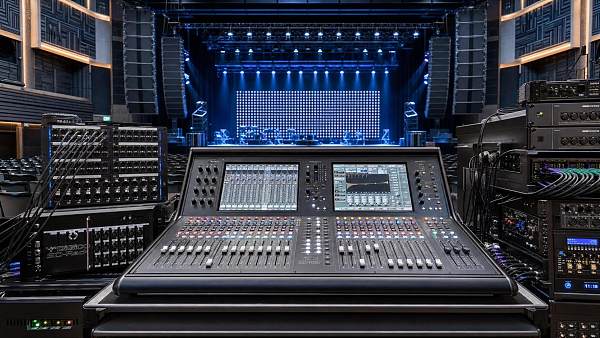
Digital audio mixers reduce repetitive manual work. Channel processing, monitor sends, effects, and routing can be stored and recalled within seconds.
With analog gear, every show often starts from scratch. Gain, EQ, aux levels, and outboard settings must be rebuilt by hand.
That difference becomes significant in multi-use venues. Ballrooms, worship spaces, campuses, and event halls rarely host only one program type.
Digital audio mixers also simplify stage patching. Many systems use digital stage boxes, reducing long analog snake runs and speeding cable management.
Touchscreen workflows and layer-based channel access can save time too. However, that only works when the show file is organized well.
For fast turnaround events, these features matter most:
- scene recall for repeatable setups
- built-in EQ, compression, and effects
- remote control from tablet or laptop
- digital patching and flexible output routing
- user presets for microphones and playback sources
In short, digital audio mixers compress setup tasks into a repeatable workflow. That is their biggest speed advantage over traditional analog chains.
When can analog gear still be quicker than digital?
Analog gear can still win in very small and simple systems. A basic mixer with a few microphones may be faster when no programming is needed.
Immediate one-knob-per-function control is valuable. There are no layers, no menu trees, and no risk of loading the wrong scene.
In emergency situations, analog troubleshooting is often direct. A bad cable, dead channel, or noisy insert path can usually be traced visibly.
Some operators also move faster on analog surfaces because every control stays in view. That matters in clubs, bars, rehearsal rooms, and compact event spaces.
Still, analog speed depends on system size. As channel counts grow, setup usually slows because the rig needs more outboard units, patching, and labeling.
Analog is often quicker when these conditions apply:
- fewer than 8 to 12 active inputs
- minimal monitor mixes
- no scene recall needed
- same room, same users, same signal flow
- basic speech or acoustic music reinforcement
So, analog gear is not outdated by default. It stays practical when simplicity is the real priority.
How do digital audio mixers compare with analog gear in real venues?
Venue type strongly affects the answer. A hotel ballroom has different setup pressure than a fixed theater or a touring festival stage.
In hotels and convention spaces, digital audio mixers usually perform better. Events change daily, and stored presets keep transitions controlled and predictable.
In educational spaces, digital systems support lectures, performances, and hybrid events. Multiple use cases justify the routing depth and profile management.
In amusement venues or themed attractions, show consistency matters. Digital audio mixers allow identical playback and cue routing across repeated performances.
For small lounges or pop-up retail activations, analog can remain efficient. If the setup is temporary and basic, fewer functions may actually mean less friction.
The comparison below highlights common setup realities:
For multi-scene commercial environments, digital audio mixers usually create faster and more consistent live setup outcomes.
What are the hidden risks that slow digital audio mixers down?
Digital audio mixers are fast only when preparation is solid. Poor file management can erase their speed advantage immediately.
A common issue is scene confusion. An outdated show file may overwrite routing, mute groups, or monitor settings during setup.
Another risk is overcomplication. Some systems are packed with features that operators never use, yet still must navigate under pressure.
Network dependency can also create delays. Remote apps, digital snakes, and control software need proper configuration and backup planning.
Firmware mismatches are another preventable problem. If console, stage box, and control devices are not aligned, setup can stop completely.
To keep digital audio mixers efficient, avoid these mistakes:
- saving scenes without clear naming rules
- using deep menus for basic tasks
- skipping offline programming and labeling
- relying on one control device without backup
- ignoring firmware and compatibility checks
The lesson is simple. Digital audio mixers save time through preparation, not through technology alone.
How should you choose between digital audio mixers and analog gear?
Start with workflow, not brand preference. The fastest setup solution is the one that matches channel count, event variation, and operator skill.
If the venue hosts conferences today and live bands tomorrow, digital audio mixers usually offer better value and speed.
If the system handles a few speech microphones in a fixed room, analog may remain more practical and easier to support.
Ask these questions before deciding:
- How often does the input list change?
- How many monitor mixes are needed?
- Will multiple users share the system?
- Is recallable consistency more important than tactile simplicity?
- Can the site support training, updates, and digital backup planning?
A balanced approach is often best. Some venues use digital audio mixers at front of house while keeping simple analog submixing where needed.
That hybrid path can protect flexibility while keeping local control intuitive for basic sources.
Quick decision guide
FAQ: what do buyers and evaluators ask most?
Do digital audio mixers always reduce setup time?
No. They reduce setup time when scenes, patching, and user profiles are prepared correctly. Without planning, they can become slower than expected.
Are analog mixers more reliable for live events?
Not automatically. Analog systems are often easier to understand physically, but reliability depends on maintenance, signal path design, and operator discipline.
Which option is better for commercial multi-use venues?
Digital audio mixers are usually better. They support repeatable presets, diverse event formats, and cleaner rack integration in spaces with changing technical demands.
Is training a major cost factor?
Yes. Training affects speed, consistency, and troubleshooting. A cheaper system becomes expensive if users cannot operate it efficiently under event pressure.
Can a hybrid system make sense?
Yes. Hybrid designs can combine digital audio mixers for recall and routing with simple analog control for specific local sources or fallback paths.
For faster live setup, digital audio mixers usually outperform analog gear in environments with frequent change, higher channel counts, and repeatable event formats.
Analog gear still holds value where systems are small, fixed, and intentionally simple. The smartest choice comes from workflow analysis, not assumptions.
Evaluate your room turnover, operator experience, routing needs, and recovery plan. Then choose the setup path that delivers speed without sacrificing control.
If consistency across commercial spaces matters, compare digital audio mixers using real event scenarios, not only feature lists. That is where faster setup becomes measurable.
Search News
Hot Articles
- Restaurant FurnitureFast-Casual Restaurant Interiors: Design Choices That Improve Speed and Guest FlowOct 04, 2026
- Outdoor RidesHow to Select Leisure Park Equipment for Safe, High-Throughput Visitor AreasOct 03, 2026
- Fashion & Gem JewelryDiamond Tester Wholesale: How to Vet Accuracy, Calibration, and MOQ Before OrderingOct 02, 2026
Popular Tags
Need ExpertConsultation?
Connect with our specialized leisureengineering team for procurementstrategies.
Recommended News
 Sep 30, 2026How to Choose an Aluminum Projector Ceiling Mount for Load, Drop, and Ceiling TypeChoose an aluminum projector ceiling mount with confidence. Learn how load capacity, drop length, ceiling structure, safety retention, and service access shape a reliable commercial AV installation.● Pro Audio Engineer
 Sep 26, 2026How to Choose Dynamic Microphones for Vocals in Live Stage SettingsDynamic microphones for vocals: learn how to match polar patterns, feedback control, durability, and clarity to live stage needs for reliable, professional sound.● Pro Audio Engineer
 Sep 07, 2026How to Choose Wall Mount Speakers for Clear Audio in Commercial SpacesWall mount speakers for commercial spaces: learn how to optimize coverage, SPL, directivity, installation, and system design for clear, reliable audio.● Pro Audio Engineer
 Sep 03, 2026How to Choose Locking Speakon Speaker Cables for Reliable Live Sound ConnectionsLocking Speakon speaker cables: learn how to select the right gauge, connector pinout, strain relief, and durable construction for reliable live sound connections.● Pro Audio Engineer
 Sep 08, 2026Is It Worth Upgrading a Stage Sound System Mid-Project?Is it worth upgrading stage sound systems mid-project? Discover how to assess performance gaps, costs, compatibility, and long-term venue value.● Pro Audio Engineer
 Sep 04, 2026Can AV Systems Be Retrofitted Into Older Commercial Buildings?Can AV integration be retrofitted into older commercial buildings? Discover practical strategies for reliable, code-aware AV upgrades with minimal disruption.● Pro Audio Engineer
 Jul 17, 2026How to Choose a Crossover Networks Supplier: Key Specs, Quality Checks, and OEM FactorsFind the right crossover networks supplier with this practical guide to key specs, quality checks, OEM factors, and supply chain risks for better audio performance and sourcing confidence.● Pro Audio Engineer
 Jul 16, 2026How to Evaluate ODM Services for Pro Audio: Design, Certification, and Production CapabilitiesODM services for pro audio: learn how to assess design depth, certification readiness, and production strength to choose a reliable partner and launch better audio products with less risk.● Pro Audio Engineer
 Jul 15, 2026JETRO Flags Modular, Low-Power Shift in Pro Stage AudioPro Stage Audio buyers in Japan are shifting fast: JETRO flags modular amplifiers, IP65 line arrays, low standby power, and JIS compliance as key to channel entry.● Pro Audio Engineer
 Jul 15, 2026Paper Speaker Cones Explained: How Cone Weight and Stiffness Affect SoundPaper speaker cones explained: discover how cone weight and stiffness shape sensitivity, clarity, breakup control, and real-world speaker performance for smarter audio sourcing.● Pro Audio Engineer
 Jul 15, 2026Performance Venues Compliance Checklist: Fire Safety, Accessibility, and Crowd RulesPerformance venues compliance checklist covering fire safety, accessibility, and crowd rules. Learn how to reduce delays, improve approvals, and open safer, more resilient venues.● Pro Audio Engineer
 Jul 14, 2026Japan Adds EMC Immunity Test for Stage AmplifiersJapan Adds EMC Immunity Test for Stage Amplifiers: learn how Japan’s 2026 JIS update affects EMC testing, JIS marking, certification timing, and market access for exporters.● Pro Audio Engineer
 Jul 13, 2026CISCE 2026 Adds Pro Stage Audio ZoneCISCE 2026 Adds Pro Stage Audio Zone as free overseas pre-registration opens. Explore key updates for pro audio suppliers, distributors, and system integrators before the Shanghai expo.● Pro Audio Engineer
 Jul 12, 2026Japan Tightens Pro Stage Audio Efficiency Limits Under JIS C 8105-2026Japan Tightens Pro Stage Audio Efficiency Limits Under JIS C 8105-2026: learn how new PSE compliance rules reshape market access, product eligibility, and shipment planning in Japan.● Pro Audio Engineer
 Jul 12, 2026How to Choose Low Profile Ceiling Speakers for Hotels, Offices, and Retrofit ProjectsLow profile ceiling speakers for hotels, offices, and retrofit projects: learn how to compare depth, coverage, compliance, and installation factors to choose the right fit.● Pro Audio Engineer
 Jul 11, 2026Japan Tightens JIS C 8105-2026 for Pro AudioJapan Tightens JIS C 8105-2026 for Pro Audio: learn how stricter standby power, PSE diamond mark rules, and the 2026 deadline impact exports, compliance, and market access.● Pro Audio Engineer
 Jul 10, 2026JETRO Q2 Outlook Signals Higher Stage Audio DemandJETRO Q2 Outlook signals higher stage audio demand in Japan, with 37% procurement growth and stricter PSE Annex D compliance. See what importers, manufacturers, and rental channels must act on now.● Pro Audio Engineer
 Jul 10, 2026How to Choose Wall Mount Speakers for Restaurants by Layout, Coverage, and SPLWall mount speakers for restaurants should match layout, coverage, and SPL. Learn how to choose the right setup for even sound, guest comfort, and reliable performance.● Pro Audio Engineer
 Jul 09, 2026JIS T 9001:2026 Adds Mandatory AI Noise LabelsJIS T 9001:2026 adds mandatory AI noise labels for pro audio gear from October 2026. Learn how it impacts compliance, testing, exports, and product launches.● Pro Audio Engineer
 Jul 06, 2026Improving Sound Reinforcement Speech Clarity: Key Causes of Muddiness and How to Fix ThemSound reinforcement speech clarity starts with identifying reverberation, coverage, noise, and timing issues. Discover practical fixes that make announcements clearer and commercial spaces perform better.● Pro Audio Engineer
 Jul 05, 2026Saudi Rule Adds Arabic UI Requirement for Pro Audio ImportsSaudi Rule Adds Arabic UI Requirement for Pro Audio Imports: learn how SASO’s new Arabic UI mandate affects digital amplifiers, DSP processors, and network audio interfaces before Sept. 1, 2026.● Pro Audio Engineer
 Jul 02, 2026How to Choose Audio Mixing Consoles for Live Venues: Channels, Buses, and I/O ExplainedAudio mixing consoles explained for live venues: learn how to choose the right channels, buses, and I/O to improve workflow, support growth, and avoid costly mistakes.● Pro Audio Engineer
 Jul 01, 2026UL 62368-3:2026 Adds EMC Rules for Pro Stage AudioUL 62368-3:2026 adds EMC rules for Pro Stage Audio, requiring Level 4 immunity and manual labeling by Oct 1, 2026. See what exporters, makers, and buyers must do now.● Pro Audio Engineer
 Jun 30, 2026Sound Reinforcement Design Basics: How to Plan Coverage, SPL, and Speaker PlacementSound reinforcement design starts with smarter coverage, target SPL, and speaker placement. Learn how to plan clearer, more reliable audio performance for commercial spaces.● Pro Audio Engineer