How to compare Hotel & Catering Equipment for new projects
Selecting the right Hotel & Catering Equipment for a new project can shape efficiency, guest experience, compliance, and long-term cost control.
A careful comparison helps avoid underperforming assets, installation conflicts, and expensive redesign during construction or opening phases.
This guide explains how to compare Hotel & Catering Equipment through a practical FAQ structure, covering specifications, suppliers, standards, cost, and project risks.
What should be compared first in Hotel & Catering Equipment for new projects?
Start with project intent, not product catalogs.
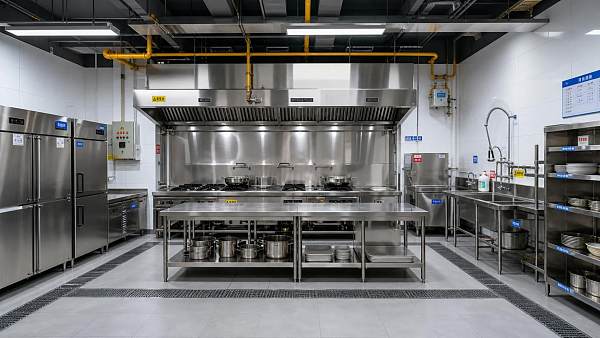
Hotel & Catering Equipment must match the service model, guest volume, menu complexity, and available utility infrastructure.
A resort kitchen, hospital dining unit, and boutique hotel pantry require different performance priorities.
The first comparison should focus on five baseline factors:
- Capacity and peak output requirements
- Space planning and workflow layout
- Energy source and utility compatibility
- Compliance with local and international standards
- Maintenance access and spare parts support
Without this baseline, comparing brands only by price creates misleading results.
For example, two combi ovens may appear similar, yet differ sharply in water treatment needs, venting demands, and cleaning automation.
Early comparison should also separate front-of-house and back-of-house needs.
Visible Hotel & Catering Equipment often needs stronger design consistency, quieter operation, and easier daily cleaning.
Why does workflow matter so much?
Poor workflow increases labor time, accident risk, and service delays.
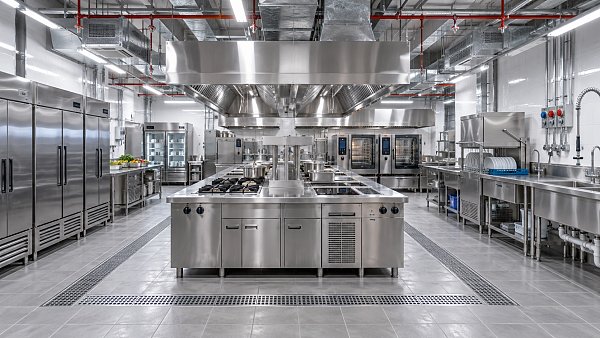
When comparing Hotel & Catering Equipment, review how each item supports receiving, storage, preparation, cooking, plating, and waste handling.
The best equipment choice is rarely the one with the longest feature list.
How can specifications be compared beyond size and price?
Technical specifications deserve deeper review than dimensions and power ratings.
Reliable Hotel & Catering Equipment comparison should examine operating performance under real service conditions.
Key specification areas include:
- Recovery time after heavy use
- Temperature stability and accuracy
- Material grade, especially stainless steel quality
- Noise level in guest-facing zones
- Programmability and smart control functions
- Cleaning system design and hygiene access points
Material quality matters more than many project teams expect.
Not all stainless steel offers equal resistance to corrosion, heat, detergents, and coastal environments.
The comparison should also consider integration with extraction, drainage, water softening, gas systems, and electrical loads.
A lower-cost unit may trigger hidden engineering changes, making total installed cost much higher.
Which documents help validate claims?
Ask for tested performance sheets, wiring diagrams, cut sheets, exploded views, and installation requirements.
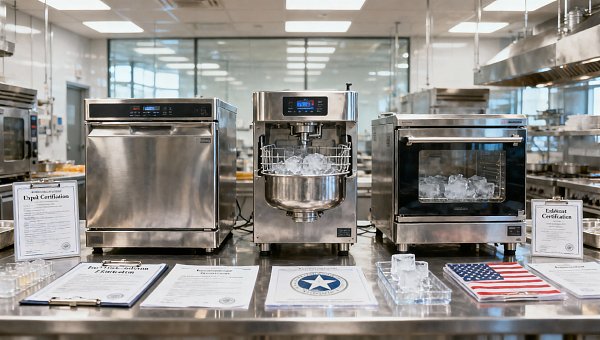
For Hotel & Catering Equipment, third-party certification and service manuals often reveal more than sales brochures.
How do compliance and safety standards affect the right choice?
Compliance is not an administrative detail.
It directly affects approvals, insurance, commissioning speed, and operational safety.
Hotel & Catering Equipment must be reviewed against market-specific rules for food safety, fire protection, electrical safety, sanitation, and energy use.
Common checkpoints may include CE, UL, NSF, ETL, ISO-related manufacturing controls, and local health authority requirements.
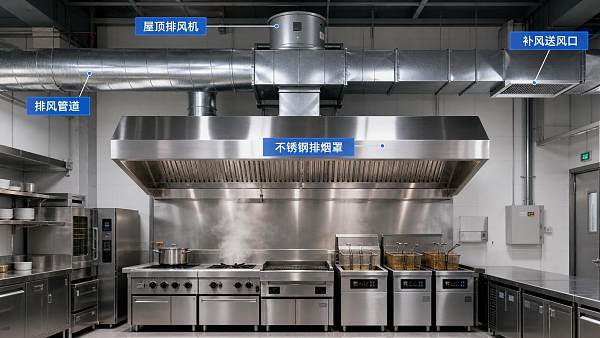
Ventilation and grease management are often overlooked during early comparison.
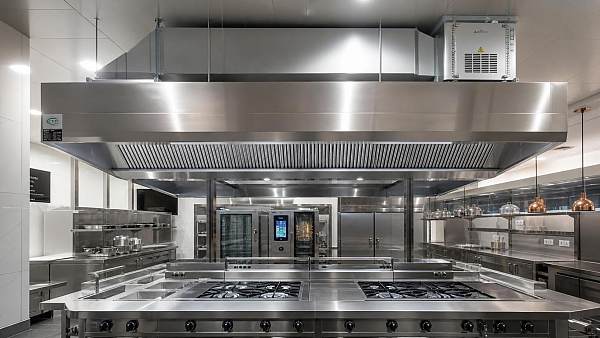
Cooking equipment with strong heat output may require upgraded hoods, ducting, suppression systems, and make-up air planning.
If these needs emerge late, opening schedules can slip.
How should suppliers of Hotel & Catering Equipment be compared?
A strong supplier offers more than a competitive quotation.
When comparing Hotel & Catering Equipment partners, assess execution capability across the whole project lifecycle.
Review these supplier criteria carefully:
- Experience with similar hospitality or foodservice projects
- Lead time reliability and production visibility
- Ability to support OEM or custom fabrication
- Installation guidance and commissioning support
- After-sales response, warranty terms, and spare part network
- Documentation quality and communication speed
For global sourcing, consistency matters as much as factory capacity.
Delays in one refrigeration line or dishwashing system can disrupt dependent trades and push back testing.
Reference projects are highly useful.
The best Hotel & Catering Equipment suppliers can demonstrate successful deliveries under similar climate, code, and service conditions.
What warning signs should be checked?
Be cautious when specifications are vague, certifications are expired, or warranty coverage excludes critical wearable parts.
Another warning sign is pricing that omits accessories required for compliance or normal operation.
What is the best way to compare lifecycle cost instead of purchase price?
Purchase price is only one layer of cost.
Hotel & Catering Equipment should be measured by total cost of ownership across installation, operation, maintenance, downtime, and replacement cycles.
A practical lifecycle review includes:
- Base equipment price
- Freight, duties, and site delivery conditions
- Installation accessories and engineering modifications
- Energy, water, and detergent consumption
- Preventive maintenance frequency
- Expected lifespan and residual value
Efficient Hotel & Catering Equipment often costs more upfront but reduces utility bills and labor pressure over time.
This is especially relevant for refrigeration, warewashing, ice systems, and heavy cooking equipment.
Downtime cost should also be estimated.
If a key unit fails during high occupancy or event service, lost revenue can exceed the original equipment savings.
Which common mistakes lead to poor Hotel & Catering Equipment decisions?
Several recurring mistakes weaken project outcomes.
- Choosing based only on unit price
- Ignoring local code and certification rules
- Over-specifying features that add complexity
- Underestimating utility and ventilation requirements
- Failing to compare service support and spare parts availability
- Skipping end-to-end layout validation
Another frequent issue is treating all Hotel & Catering Equipment categories the same.
Cooking, refrigeration, display, preparation, and beverage systems each have different risk profiles and comparison priorities.
For new projects, sample matrices help organize decisions clearly.
Comparing Hotel & Catering Equipment for new projects works best when decisions are tied to workflow, compliance, installation reality, and lifecycle value.
A disciplined review process reduces surprise costs and strengthens long-term operating performance.
Build a comparison matrix, collect technical evidence, verify standards, and test supplier reliability before final approval.
With the right method, Hotel & Catering Equipment becomes a strategic project asset rather than a late-stage procurement problem.
Search News
Hot Articles
- Restaurant FurnitureFast-Casual Restaurant Interiors: Design Choices That Improve Speed and Guest FlowOct 04, 2026
- Outdoor RidesHow to Select Leisure Park Equipment for Safe, High-Throughput Visitor AreasOct 03, 2026
- Fashion & Gem JewelryDiamond Tester Wholesale: How to Vet Accuracy, Calibration, and MOQ Before OrderingOct 02, 2026
Popular Tags
Need ExpertConsultation?
Connect with our specialized leisureengineering team for procurementstrategies.
Recommended News
 Sep 24, 2026Conveyor Pizza Oven Price: What Buyers Should Budget for Capacity and FeaturesConveyor pizza oven price guide: compare capacity, features, installation costs, and quote factors to choose the right commercial oven for your operation.● Hospitality Sourcing Dir
 Sep 23, 2026How Restaurant Buyers Can Source Hospitality Supplies Without OverorderingHospitality supplies for restaurants: learn practical sourcing strategies to cut excess inventory, protect cash flow, improve supplier reliability, and keep every service running smoothly.● Hospitality Sourcing Dir
 Sep 22, 2026Commercial Kitchen Design Price: Budgeting by Layout, Equipment, and MEP ScopeCommercial kitchen design price explained: budget smarter for layout, equipment, MEP scope, compliance, installation, and long-term operational performance.● Hospitality Sourcing Dir
 Sep 19, 2026How to Select a Spiral Dough Mixer for Bakery Batch Size and Dough HydrationSpiral dough mixer bakery guide: match batch size, flour load, and hydration to select reliable torque, temperature control, and consistent dough results.● Hospitality Sourcing Dir
 Sep 14, 2026How Restaurants Can Choose Disposable Wooden Cutlery for Takeout and CateringDisposable wooden cutlery fork spoon knife guide for restaurants: compare strength, finish, packaging, food-contact needs, and catering performance.● Hospitality Sourcing Dir
 Sep 12, 2026How to Size a Restaurant Walk-In Cooler for Peak Inventory and Kitchen LayoutRestaurant walk in coolers sized for peak inventory and kitchen workflow help improve food safety, staff efficiency, storage access, and long-term operational performance.● Hospitality Sourcing Dir
 Sep 10, 2026How to Choose a CE Hot Dog Roller for Safe, High-Volume Food Service?Choose a CE hot dog roller with confidence: compare compliance documents, heating consistency, cleaning design, capacity, and total cost for safe, high-volume food service.● Hospitality Sourcing Dir
 Sep 04, 2026How to Evaluate a Commercial Food Warmer Manufacturer for Bulk Catering ProjectsCommercial food warmer manufacturer evaluation guide for bulk catering projects: compare thermal performance, compliance, customization, costs, and after-sales support.● Hospitality Sourcing Dir
 Aug 30, 2026How Can Buyers Verify Supplier Qualifications Before a Bulk Order?How to confirm supplier qualifications before placing a bulk order: verify legal identity, factory capability, certificates, samples, quality controls, and payment safeguards.● Hospitality Sourcing Dir
 Aug 28, 2026Commercial Kitchen Design Standards: A Planning Checklist for Code-Compliant LayoutsCommercial kitchen design standards: use this practical checklist to plan safer, code-compliant layouts, streamline approvals, and avoid costly rework.● Hospitality Sourcing Dir
 Aug 06, 2026How to Choose Flake Ice Makers for Seafood Displays, Bars, and Food Prep?Flake ice makers buying guide: compare output, hygiene, storage, energy use, and reliability to choose the best solution for seafood displays, bars, and food prep.● Hospitality Sourcing Dir
 Aug 03, 2026Commercial Kitchen Design Price: What Drives Cost in a New Build Project?Commercial kitchen design price explained: discover what drives cost in a new build, from layout and equipment to ventilation, compliance, and hidden budget risks.● Hospitality Sourcing Dir
 Jul 30, 2026How to Choose a Countertop Commercial Pizza Oven for Capacity, Speed, and Space?Countertop commercial pizza oven buying guide: learn how to match capacity, bake speed, and kitchen space for consistent output, lower costs, and smarter purchasing decisions.● Hospitality Sourcing Dir
 Jul 22, 2026How to Evaluate a Cotton Candy Machine Supplier for Quality, Lead Time, and MOQCotton candy machine supplier selection starts with quality, lead time, and MOQ. Learn how to compare suppliers, reduce sourcing risk, and choose a partner that supports reliable growth.● Hospitality Sourcing Dir
 Jul 21, 2026How to Choose a Charcoal Commercial Grill for Capacity, Heat Control, and Menu FitCharcoal commercial grill buying guide: learn how to match capacity, heat control, and menu fit to boost consistency, service speed, and ROI in commercial kitchens.● Hospitality Sourcing Dir
 Jul 10, 2026FDA Import Alert Adds NSF/ANSI 50-2026 for Commercial Kitchen EquipmentFDA Import Alert now highlights NSF/ANSI 50-2026 for commercial kitchen equipment. Learn how dishwashers, ice machines, and steam cabinets can avoid U.S. port detention.● Hospitality Sourcing Dir
 Jul 05, 2026How to Select Energy Efficient Display Cabinets for Food Retail and HospitalityEnergy efficient display cabinets can cut operating costs while improving food safety, visibility, and service efficiency. Learn how to choose the right model for retail and hospitality.● Hospitality Sourcing Dir
 Jul 04, 2026CPSC Flags New UL 2595 Label Rule for Commercial Ice MakersCPSC flags a new UL 2595 label rule for commercial ice makers entering the U.S. after Aug. 1, 2026. Learn who is affected, key compliance steps, and how to avoid port delays and recall risk.● Hospitality Sourcing Dir
 Jun 29, 2026How to Choose Thermal Receipt Printers for Retail and Restaurant CountersThermal receipt printers for retail and restaurant counters: learn how to compare speed, durability, connectivity, and total operating cost to choose a model that supports smoother service.● Hospitality Sourcing Dir
 Jun 28, 2026Stainless Steel Kitchen Ventilation Systems: Key Specifications for Commercial ProjectsStainless steel kitchen ventilation systems: compare material grades, airflow capture, hygiene, fire safety, and installation specs for commercial projects before you buy.● Hospitality Sourcing Dir
 Jun 27, 2026Commercial Shawarma Machines: What to Check Before Buying for High-Volume ServiceShawarma machines commercial buying guide: learn how to compare capacity, heat control, durability, compliance, and lifecycle cost before choosing equipment for high-volume service.● Hospitality Sourcing Dir
 Jun 26, 2026Restaurant POS Systems: How to Compare Features, Costs, and ScalabilityRestaurant POS systems: compare features, costs, and scalability to find the best fit for your restaurant and boost long-term efficiency.● Hospitality Sourcing Dir
 Jun 25, 2026Kitchen Ventilation Systems Design: How to Size Hoods, Airflow, and Make-Up AirKitchen ventilation systems design explained clearly: learn how to size hoods, set exhaust airflow, and balance make-up air for safer, more efficient commercial kitchens.● Hospitality Sourcing Dir
 Jun 14, 2026Hot Dog Rollers for Convenience Stores and Cafes: Capacity, Heating Zones, and Cleaning TipsHot dog rollers buying guide for convenience stores and cafes: compare real capacity, heating zones, energy use, and cleaning tips to choose a smarter, lower-waste setup.● Hospitality Sourcing Dir