What matters most when choosing lighting stands crank up?
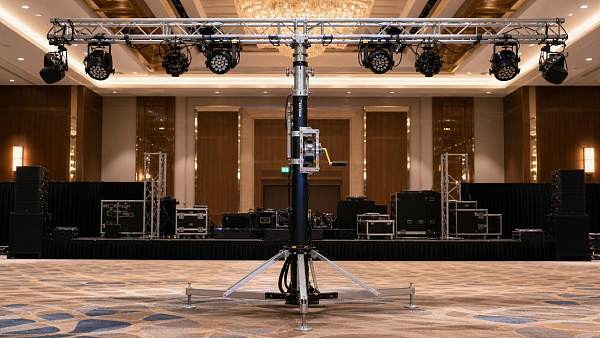
When evaluating lighting stands crank up systems for professional use, lift height alone is never enough. Real performance depends on structural stability, crank reliability, safe braking, rated loading, and compatibility with fixtures, trusses, and transport conditions. In commercial environments, the right stand reduces setup time, protects equipment, and supports safer project execution over repeated use cycles.
Why a checklist matters when choosing lighting stands crank up
A checklist prevents decisions based on brochure height, appearance, or price alone. It forces a review of performance factors that affect safety, maintenance cost, and operational consistency.
For event spaces, hospitality venues, education halls, retail activations, and production environments, lighting stands crank up often carry valuable loads overhead. That makes risk control as important as convenience.
A structured review also helps compare different stand designs fairly. Some models excel in mobility, while others are built for heavier fixtures, longer duty cycles, or tighter compliance demands.
Core checklist for selecting lighting stands crank up
- Confirm the safe working load at the intended height, not only the maximum load at minimum extension, because capacity often drops as the mast rises.
- Check the crank mechanism for smooth travel, anti-backdrive control, and gearbox durability, since inconsistent lifting increases operator effort and lifting risk.
- Inspect the mast material and wall thickness to verify resistance to bending, corrosion, and fatigue under repeated transport, setup, and load cycles.
- Measure the footprint and leg spread to ensure the stand remains stable in real operating zones, especially where floor space is restricted.
- Verify safety locking systems such as locking pins, secondary catches, and brake features, because crank-only retention should not be the sole protection method.
- Match the top fitting, spigot, or crossbar interface with existing lighting fixtures, truss adapters, and mounting hardware before purchase.
- Review the stand’s own weight and folded dimensions to balance portability with structural strength across touring, rental, and fixed installation workflows.
- Assess compliance documents, test records, and manufacturing traceability to support commercial procurement standards and reduce liability exposure.
- Examine cable management around moving sections so power and control lines do not snag, pinch, or add side loading during elevation.
- Compare spare parts availability, service instructions, and warranty terms, because long-term value depends on repairability as much as initial price.
Key technical points behind the checklist
The most common buying mistake is assuming all lighting stands crank up behave similarly. In practice, mast design, winch type, and leg geometry create major differences in load handling and user control.
Height ratings should always be read together with load charts. A stand that reaches impressive elevation may only support modest weight at that point.
Stability depends on more than the base diameter. Fixture shape, wind exposure, raised center of gravity, and uneven flooring all influence performance during live use.
How application scenario changes the right choice
Hotels, banquet halls, and conference venues
In hospitality settings, lighting stands crank up must combine discreet appearance with reliable overhead support. Quiet operation matters because setup often happens near guests or during schedule transitions.
Compact folded size is useful where storage rooms, elevators, and service corridors limit movement. Non-marking feet and controlled lowering also help protect finished interiors.
Schools, auditoriums, and multipurpose halls
These environments benefit from simple controls and visible safety features. Clear locking steps reduce setup error when equipment is handled by rotating technical teams.
Durability is critical because equipment may be shared across events, assemblies, and performances. Robust crank systems and replaceable hardware usually outperform lightweight designs over time.
Retail launches, exhibitions, and brand activations
Temporary commercial setups often prioritize fast deployment and transport efficiency. Here, lighting stands crank up should be easy to load, unload, and reposition without special tools.
However, visual speed should not replace engineering checks. Exhibition halls can have crowded circulation zones, making footprint planning and barricading especially important.
Production, rental, and touring use
For higher duty cycles, component wear becomes a major decision factor. Winches, cables, pulleys, and fasteners should tolerate frequent loading, vibration, and repeated packing.
Serviceability matters more in these conditions. Access to replacement parts, maintenance intervals, and inspection guidance can determine the actual lifetime of lighting stands crank up.
Commonly overlooked risks
Ignoring dynamic load conditions
Loads are rarely static in real projects. Handling shock, cable pull, accidental contact, or minor floor vibration can create forces beyond the listed fixture weight.
Treating maximum height as the main buying metric
Extra height has little value if the stand becomes unstable or under-rated near the top. Practical working height is the more relevant number.
Overlooking floor conditions
Carpet seams, stage edges, ramps, and uneven slabs affect the behavior of lighting stands crank up. Always review the actual venue surface, not an ideal flat-floor assumption.
Skipping inspection planning
Even a well-built stand can become unsafe if crank gears wear, cables fray, or locking pins deform. Inspection routines should be defined before deployment begins.
Buying without system compatibility checks
A strong stand still creates delays if adapters, bars, clamps, or fixture mounts do not align with existing lighting inventory. Compatibility should be verified as a full system review.
Practical execution advice before approval
- Request a load chart, material details, and brake or lock specifications instead of relying only on a product flyer.
- Run a trial lift with the intended fixture package, cable routing, and operating height to observe handling behavior.
- Check whether the stand can pass through storage doors, vehicle openings, and venue access paths when folded.
- Review inspection points for the crank, mast joints, pins, feet, and top fittings before placing the unit into service.
- Document a safe setup zone, including leg spread, exclusion space, and overhead clearance around each raised stand.
Final decision framework for lighting stands crank up
The best lighting stands crank up choice is the one that fits the real load, real height, real venue, and real operating frequency. Safety systems, stability, and service support should rank above headline specifications.
Use a shortlist based on load chart accuracy, crank quality, locking design, footprint suitability, and compliance evidence. Then validate each option under realistic conditions before final adoption.
That approach delivers better control over cost, uptime, and safety while ensuring lighting stands crank up perform reliably across commercial projects, live environments, and evolving technical requirements.
Search News
Hot Articles
- Restaurant FurnitureFast-Casual Restaurant Interiors: Design Choices That Improve Speed and Guest FlowOct 04, 2026
- Outdoor RidesHow to Select Leisure Park Equipment for Safe, High-Throughput Visitor AreasOct 03, 2026
- Fashion & Gem JewelryDiamond Tester Wholesale: How to Vet Accuracy, Calibration, and MOQ Before OrderingOct 02, 2026
Popular Tags
Need ExpertConsultation?
Connect with our specialized leisureengineering team for procurementstrategies.
Recommended News
 Jul 13, 2026Stage Riser Platforms Explained: Types, Load Ratings, and Best-Fit Event UsesStage riser platforms explained clearly: compare types, load ratings, safety factors, and best-fit event uses to choose smarter, safer solutions for conferences, schools, hotels, and live shows.● Pro Audio Engineer
 Jul 09, 2026SASO Fast Track Cuts Stage Lighting Export Lead TimeSASO Fast Track cuts stage lighting export lead time from 45 days to 12 working days. Learn how Saudi certification changes affect truss suppliers, OEMs, buyers, and shipment planning.● Pro Audio Engineer
 Jul 08, 2026SASO Updates Stage Lighting Label Rules for LED Moving HeadsSASO updates stage lighting label rules for LED moving heads, requiring three-level energy efficiency values and bilingual labels. See what exporters and buyers must do before October 2026.● Pro Audio Engineer
 Jul 07, 2026SASO Adds Energy Label Rules for Stage Lighting ImportsSASO Adds Energy Label Rules for Stage Lighting Imports: learn which stage lighting products now need Arabic energy labels and SASO-recognized test reports before Sept. 1, 2026.● Pro Audio Engineer
 Jul 06, 2026Saudi SASO Sets A+ Rule for Stage LED LightingSaudi SASO sets A+ rule for stage LED lighting from Oct 1, 2026. Learn how the new SASO label and IEC 62722-2-1:2026 standard impact compliance, shipping, and market access.● Pro Audio Engineer
 Jul 04, 2026SASO Tightens RF Test Rules for Wireless Stage ControlsSASO tightens RF test rules for wireless stage controls in Saudi Arabia. Learn how the new IEC 62368-3 requirement impacts stage lighting exports, compliance, and delivery.● Pro Audio Engineer
 Jul 03, 2026Saudi SASO Adds RF Approval Rule for Stage LightingSaudi SASO adds RF approval rule for stage lighting. Learn how the new SASO RoHS+RF certification affects wireless lighting, truss control exports, retail access, and project delivery in Saudi Arabia.● Pro Audio Engineer
 Jul 02, 2026SASO Starts EMC Pilot for Smart Stage Lighting in SaudiSASO starts an EMC pilot for smart stage lighting in Saudi Arabia, impacting dimming controllers, cloud access, and project compliance. See what suppliers and integrators must do now.● Pro Audio Engineer
 Jul 01, 2026Saudi SASO Tightens UV-C Limits for Stage LightingSaudi SASO tightens UV-C limits for stage lighting and truss products. Learn the 2026 SASO IEC 62471 update, retesting deadline, customs risks, and how to protect Saudi shipments.● Pro Audio Engineer
 Jun 30, 2026EN 62471:2026 Adds UV-C Limit for Stage LightingEN 62471:2026 adds a UV-C limit for stage lighting, impacting LED moving heads, laser fixtures, and truss lighting. Learn what changes before Dec 1, 2026.● Pro Audio Engineer
 Jun 29, 2026TUV Adds Wi-Fi 7 EMC Test for Stage LightingTUV Adds Wi-Fi 7 EMC Test for Stage Lighting sold into the EU. Learn the Oct 1, 2026 deadline, retesting rules, and how EN 55032:2024 impacts certificates, shipments, and compliance planning.● Pro Audio Engineer
 Jun 25, 2026LED PAR Cans Wholesale: What to Compare in Wattage, Beam Angle, and DMX ControlLED par cans wholesale buyers should compare wattage, beam angle, and DMX control before requesting quotes. Learn how to avoid costly mismatches and choose fixtures that fit each venue.● Pro Audio Engineer
 Jun 16, 2026Stage Lighting Equipment List for Small Venues: What You Need and How to Plan ItStage lighting equipment for small venues: discover a practical equipment list, planning tips, and smart setup ideas to improve performance, flexibility, and long-term value.● Pro Audio Engineer
 Jun 12, 2026Vietnam Tightens EMC Rules for Stage Lighting LEDsVietnam Tightens EMC Rules for Stage Lighting LEDs: learn how QCVN 139:2026 impacts imports, testing, sourcing, and delivery planning for stage lighting businesses.● Pro Audio Engineer
 Jun 11, 2026LPGA Shanghai Debut Lifts Stage Lighting OrdersStage lighting and truss demand is rising as LPGA Shanghai debuts in 2026. Learn how tighter delivery windows, compliance, and project execution are reshaping global orders.● Pro Audio Engineer
 Jun 04, 2026UK EPR Rules Expand to Stage Lighting and TrussUK EPR rules for stage lighting and truss expand in Q3 2026. Learn how UKCA-linked registration, reporting, recycling fees, and material documentation will affect compliance and market access.● Pro Audio Engineer
 Jun 03, 2026UK EPR Fee Hits Stage Truss Textiles in Q3 2026UK EPR Fee for stage truss textiles starts in Q3 2026. Learn what new recycling charges and UKCA-Flame rules mean for lighting and truss suppliers.● Pro Audio Engineer
 Jun 02, 2026UK EPR Fee Hits Stage Lighting & TrussUK EPR Fee Hits Stage Lighting & Truss products with textile components in 2026. Learn compliance risks, BOM updates, and cost impacts for UK exporters.● Pro Audio Engineer
 May 25, 2026China's Carbon Fiber Truss Strength Up 32% at 2026 Sports ExpoCarbon fiber truss strength up 32% at 2026 Sports Expo—UL 1598 certified, CE+UL ready. Discover how China’s stage infrastructure is winning European music festivals & global tenders.● Pro Audio Engineer
 May 23, 2026Vietnam Mandates Bilingual MSDS for Stage Lighting & Truss ImportsVietnam mandates bilingual MSDS (Vietnamese & Chinese) for stage lighting and truss imports — ensure compliance by July 1, 2026 to avoid shipment rejection.● Pro Audio Engineer
 May 20, 20263 Chinese Stage Lighting Firms Join LA28 Olympic Supplier List3 Chinese stage lighting firms join LA28 Olympic supplier list — showcasing ISO 20121 & UL 1574 compliance, sustainability leadership, and global credibility in live-event infrastructure.● Pro Audio Engineer
 May 20, 2026What matters most when choosing lighting stands crank up?Lighting stands crank up: learn what really matters beyond height—load capacity, crank safety, stability, compatibility, and serviceability—to choose the right stand with confidence.● Pro Audio Engineer
 May 19, 20263 Chinese Stage Lighting Firms Join IOC’s 2028 LA Olympics Supplier ListChinese stage lighting firms join IOC's 2028 LA Olympics supplier list — a major validation for OEM/ODM exporters and tech integrators in global sports & entertainment lighting.● Pro Audio Engineer
 May 19, 2026When are chain hoists for stage the better rigging choiceChain hoists for stage are the better rigging choice when you need precise lifting, compact headroom use, and reliable repeat performance. See key use cases and buyer tips.● Pro Audio Engineer