3 Chinese Stage Lighting Firms Join LA28 Official Supplier List
On May 15, 2026, the International Olympic Committee (IOC) updated the LA28 Official Supplier Directory, adding three Chinese stage lighting manufacturers to its core supplier roster — marking a milestone for China’s professional lighting industry in global mega-event procurement. This inclusion reflects formal recognition of technical compliance, quality consistency, and supply chain maturity under international benchmark standards.
Event Overview
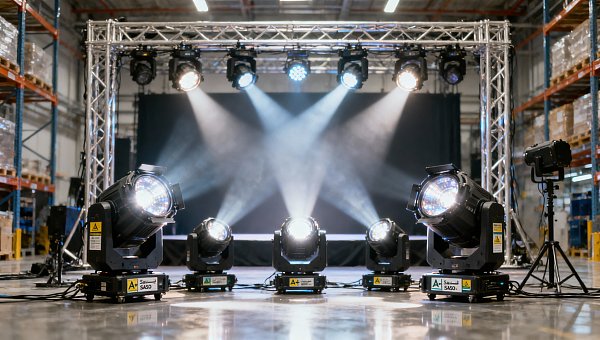
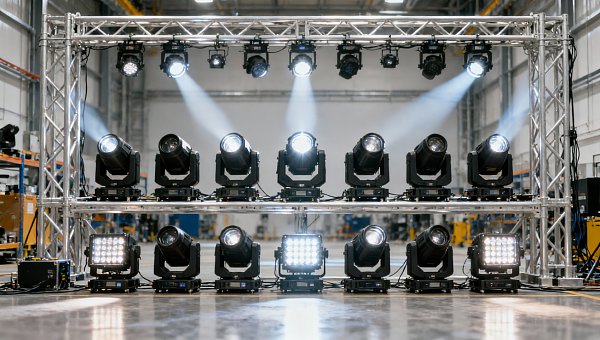
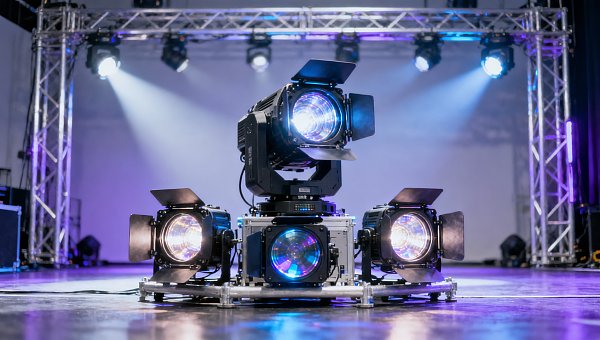
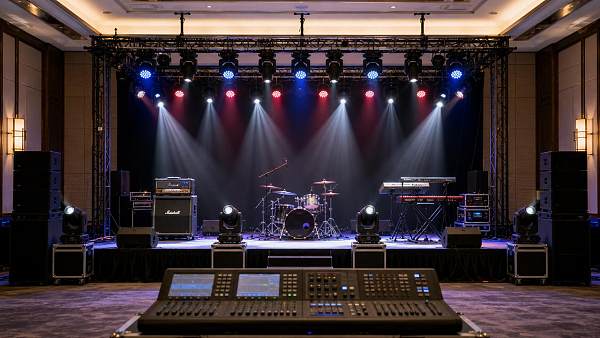
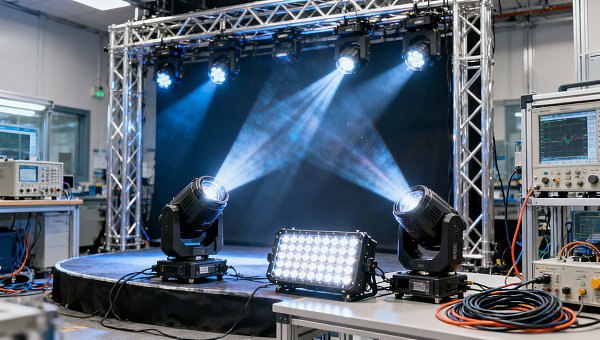
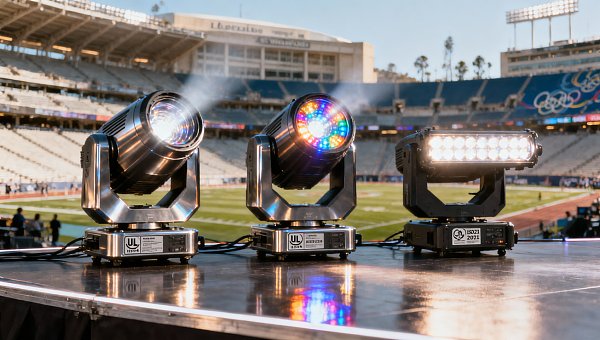
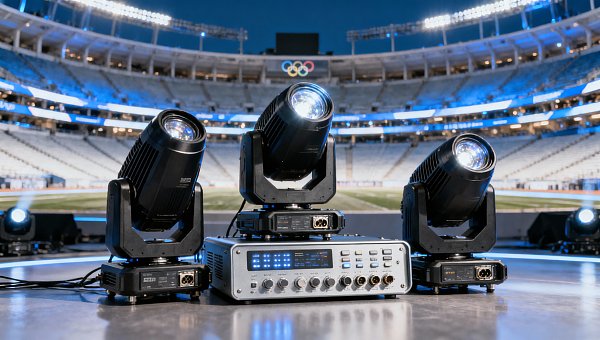
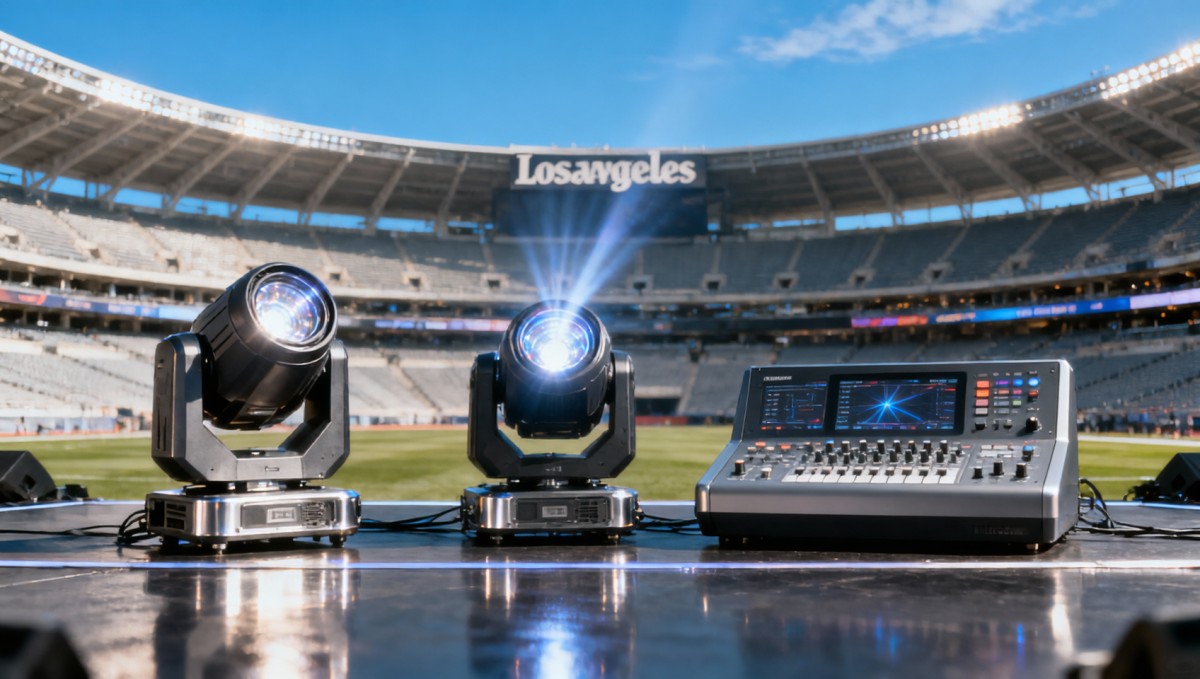
The International Olympic Committee (IOC) released an updated LA28 Official Supplier Directory on May 15, 2026. Three China-based stage lighting manufacturers — all certified to ETL, CE, and IEC 62471 standards — were newly listed as official suppliers for the 2028 Los Angeles Olympic Games. They cover three key product categories: LED moving head lights, laser special effects systems, and intelligent lighting control consoles.
Industries Affected
Direct Export Trading Enterprises
These firms serve as primary interface points between Chinese manufacturers and international event organizers. Their inclusion in the IOC directory significantly lowers market entry barriers for peer exporters targeting high-credibility tenders — especially for sports, cultural, and governmental mega-events. Impact manifests in increased bid eligibility, improved financing terms from export credit agencies, and stronger leverage in contract negotiations.
Raw Material Procurement Enterprises
Suppliers of critical components — including high-lumen LEDs, precision optical lenses, thermal management modules, and certified power supplies — face rising demand for traceable, standards-aligned inventory. The IOC’s requirement for full certification (ETL/CE/IEC 62471) means procurement partners must now provide documented conformity evidence, not just product specs — prompting tighter vendor qualification protocols and earlier engagement in design-phase sourcing.
Contract Manufacturing & OEM Facilities
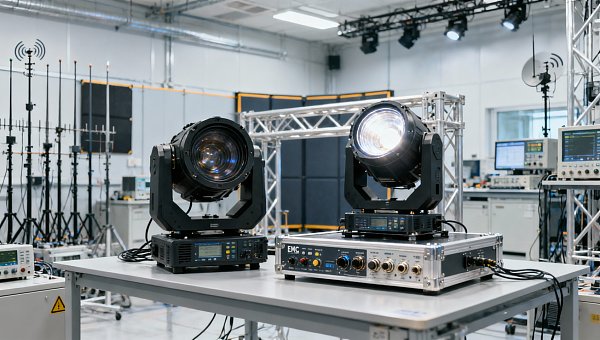
Manufacturers producing under white-label or co-development arrangements for the three newly listed firms may see revised quality gate requirements — particularly around photobiological safety testing (IEC 62471), electromagnetic compatibility (EMC), and batch-level documentation traceability. While no new certifications are mandated for subcontractors per se, tier-2 suppliers are increasingly expected to align with their clients’ LA28 compliance workflows to avoid delivery bottlenecks.
Supply Chain Service Providers
Logistics integrators, customs compliance consultants, and third-party testing laboratories report heightened inquiries related to IOC tender documentation packages — especially for pre-shipment verification of labeling, bilingual technical files, and certificate validity windows. Notably, some forwarders are now bundling ‘Olympic-ready documentation audits’ as a value-added service, reflecting evolving client expectations beyond basic freight execution.
Key Considerations and Recommended Actions
Verify Certification Currency and Scope
Enterprises should audit whether their existing ETL/CE/IEC 62471 certifications explicitly cover the exact product models, configurations, and firmware versions intended for LA28 deployment — as IOC validation requires model-level alignment, not just family-level approval.
Prepare for Tiered Documentation Requirements
Successful participation in IOC-supply-adjacent projects demands layered documentation: Type Test Reports (full IEC 62471), Factory Production Control (FPC) records, and real-time production batch logs. Firms lacking digitalized quality management systems may face delays during IOC spot audits or buyer due diligence.
Engage Early with Accredited Testing Labs
Lead times for IEC 62471 photobiological safety assessments have extended to 8–10 weeks at major accredited labs (e.g., UL, TÜV SÜD, SGS). Proactive scheduling — especially for laser-integrated systems requiring Class 3B/4 hazard classification — is advised to avoid timeline compression during final tender phases.
Editorial Perspective / Industry Observation
Observably, this development signals more than symbolic recognition: it represents a structural shift in how global event infrastructure procurement evaluates non-Western industrial capacity. Analysis shows that IOC’s supplier vetting now weighs process rigor — such as calibration traceability, change-control discipline, and post-delivery field performance reporting — equally with technical specification adherence. From an industry perspective, this elevates the importance of operational transparency over pure cost competitiveness. Current data does not suggest immediate tariff or regulatory changes, but it does indicate growing expectation for upstream standardization across Asia-Pacific lighting supply chains.
Conclusion
This inclusion is best understood not as an isolated commercial win, but as a validation milestone that recalibrates global benchmarks for reliability in mission-critical entertainment technology. It reinforces that consistent compliance execution — rather than one-off certification — is becoming the decisive differentiator for high-stakes international tenders. A rational interpretation is that sustained access to elite-tier events will depend less on scale and more on verifiable, auditable quality governance.
Source Attribution
Official source: International Olympic Committee – LA28 Official Supplier Directory (updated May 15, 2026).
Additional reference: IEC 62471:2006+A1:2013 ‘Photobiological safety of lamps and lamp systems’.
Note: IOC has not published detailed evaluation criteria for supplier selection; methodology remains under observation. Updates on subsequent LA28 supplier onboarding rounds and potential expansion to Paralympic or Youth Olympic programs will be tracked in upcoming advisories.
Search News
Hot Articles
- Restaurant FurnitureFast-Casual Restaurant Interiors: Design Choices That Improve Speed and Guest FlowOct 04, 2026
- Outdoor RidesHow to Select Leisure Park Equipment for Safe, High-Throughput Visitor AreasOct 03, 2026
- Fashion & Gem JewelryDiamond Tester Wholesale: How to Vet Accuracy, Calibration, and MOQ Before OrderingOct 02, 2026
Popular Tags
Need ExpertConsultation?
Connect with our specialized leisureengineering team for procurementstrategies.
Recommended News
 Jul 13, 2026Stage Riser Platforms Explained: Types, Load Ratings, and Best-Fit Event UsesStage riser platforms explained clearly: compare types, load ratings, safety factors, and best-fit event uses to choose smarter, safer solutions for conferences, schools, hotels, and live shows.● Pro Audio Engineer
 Jul 09, 2026SASO Fast Track Cuts Stage Lighting Export Lead TimeSASO Fast Track cuts stage lighting export lead time from 45 days to 12 working days. Learn how Saudi certification changes affect truss suppliers, OEMs, buyers, and shipment planning.● Pro Audio Engineer
 Jul 08, 2026SASO Updates Stage Lighting Label Rules for LED Moving HeadsSASO updates stage lighting label rules for LED moving heads, requiring three-level energy efficiency values and bilingual labels. See what exporters and buyers must do before October 2026.● Pro Audio Engineer
 Jul 07, 2026SASO Adds Energy Label Rules for Stage Lighting ImportsSASO Adds Energy Label Rules for Stage Lighting Imports: learn which stage lighting products now need Arabic energy labels and SASO-recognized test reports before Sept. 1, 2026.● Pro Audio Engineer
 Jul 06, 2026Saudi SASO Sets A+ Rule for Stage LED LightingSaudi SASO sets A+ rule for stage LED lighting from Oct 1, 2026. Learn how the new SASO label and IEC 62722-2-1:2026 standard impact compliance, shipping, and market access.● Pro Audio Engineer
 Jul 04, 2026SASO Tightens RF Test Rules for Wireless Stage ControlsSASO tightens RF test rules for wireless stage controls in Saudi Arabia. Learn how the new IEC 62368-3 requirement impacts stage lighting exports, compliance, and delivery.● Pro Audio Engineer
 Jul 03, 2026Saudi SASO Adds RF Approval Rule for Stage LightingSaudi SASO adds RF approval rule for stage lighting. Learn how the new SASO RoHS+RF certification affects wireless lighting, truss control exports, retail access, and project delivery in Saudi Arabia.● Pro Audio Engineer
 Jul 02, 2026SASO Starts EMC Pilot for Smart Stage Lighting in SaudiSASO starts an EMC pilot for smart stage lighting in Saudi Arabia, impacting dimming controllers, cloud access, and project compliance. See what suppliers and integrators must do now.● Pro Audio Engineer
 Jul 01, 2026Saudi SASO Tightens UV-C Limits for Stage LightingSaudi SASO tightens UV-C limits for stage lighting and truss products. Learn the 2026 SASO IEC 62471 update, retesting deadline, customs risks, and how to protect Saudi shipments.● Pro Audio Engineer
 Jun 30, 2026EN 62471:2026 Adds UV-C Limit for Stage LightingEN 62471:2026 adds a UV-C limit for stage lighting, impacting LED moving heads, laser fixtures, and truss lighting. Learn what changes before Dec 1, 2026.● Pro Audio Engineer
 Jun 29, 2026TUV Adds Wi-Fi 7 EMC Test for Stage LightingTUV Adds Wi-Fi 7 EMC Test for Stage Lighting sold into the EU. Learn the Oct 1, 2026 deadline, retesting rules, and how EN 55032:2024 impacts certificates, shipments, and compliance planning.● Pro Audio Engineer
 Jun 25, 2026LED PAR Cans Wholesale: What to Compare in Wattage, Beam Angle, and DMX ControlLED par cans wholesale buyers should compare wattage, beam angle, and DMX control before requesting quotes. Learn how to avoid costly mismatches and choose fixtures that fit each venue.● Pro Audio Engineer
 Jun 16, 2026Stage Lighting Equipment List for Small Venues: What You Need and How to Plan ItStage lighting equipment for small venues: discover a practical equipment list, planning tips, and smart setup ideas to improve performance, flexibility, and long-term value.● Pro Audio Engineer
 Jun 12, 2026Vietnam Tightens EMC Rules for Stage Lighting LEDsVietnam Tightens EMC Rules for Stage Lighting LEDs: learn how QCVN 139:2026 impacts imports, testing, sourcing, and delivery planning for stage lighting businesses.● Pro Audio Engineer
 Jun 11, 2026LPGA Shanghai Debut Lifts Stage Lighting OrdersStage lighting and truss demand is rising as LPGA Shanghai debuts in 2026. Learn how tighter delivery windows, compliance, and project execution are reshaping global orders.● Pro Audio Engineer
 Jun 04, 2026UK EPR Rules Expand to Stage Lighting and TrussUK EPR rules for stage lighting and truss expand in Q3 2026. Learn how UKCA-linked registration, reporting, recycling fees, and material documentation will affect compliance and market access.● Pro Audio Engineer
 Jun 03, 2026UK EPR Fee Hits Stage Truss Textiles in Q3 2026UK EPR Fee for stage truss textiles starts in Q3 2026. Learn what new recycling charges and UKCA-Flame rules mean for lighting and truss suppliers.● Pro Audio Engineer
 Jun 02, 2026UK EPR Fee Hits Stage Lighting & TrussUK EPR Fee Hits Stage Lighting & Truss products with textile components in 2026. Learn compliance risks, BOM updates, and cost impacts for UK exporters.● Pro Audio Engineer
 May 25, 2026China's Carbon Fiber Truss Strength Up 32% at 2026 Sports ExpoCarbon fiber truss strength up 32% at 2026 Sports Expo—UL 1598 certified, CE+UL ready. Discover how China’s stage infrastructure is winning European music festivals & global tenders.● Pro Audio Engineer
 May 23, 2026Vietnam Mandates Bilingual MSDS for Stage Lighting & Truss ImportsVietnam mandates bilingual MSDS (Vietnamese & Chinese) for stage lighting and truss imports — ensure compliance by July 1, 2026 to avoid shipment rejection.● Pro Audio Engineer
 May 20, 20263 Chinese Stage Lighting Firms Join LA28 Olympic Supplier List3 Chinese stage lighting firms join LA28 Olympic supplier list — showcasing ISO 20121 & UL 1574 compliance, sustainability leadership, and global credibility in live-event infrastructure.● Pro Audio Engineer
 May 20, 2026What matters most when choosing lighting stands crank up?Lighting stands crank up: learn what really matters beyond height—load capacity, crank safety, stability, compatibility, and serviceability—to choose the right stand with confidence.● Pro Audio Engineer
 May 19, 20263 Chinese Stage Lighting Firms Join IOC’s 2028 LA Olympics Supplier ListChinese stage lighting firms join IOC's 2028 LA Olympics supplier list — a major validation for OEM/ODM exporters and tech integrators in global sports & entertainment lighting.● Pro Audio Engineer
 May 19, 2026When are chain hoists for stage the better rigging choiceChain hoists for stage are the better rigging choice when you need precise lifting, compact headroom use, and reliable repeat performance. See key use cases and buyer tips.● Pro Audio Engineer