Moving head beam lights or wash lights for big venues?
For large venues, choosing between moving head beam lights and wash lights can directly impact visual intensity, coverage, and audience experience. This guide explores how moving head beam lights perform in expansive spaces compared with wash fixtures, helping information-focused buyers understand beam effects, application scenarios, and key selection factors before planning a professional lighting setup.
What are moving head beam lights, and how do they differ from wash lights?
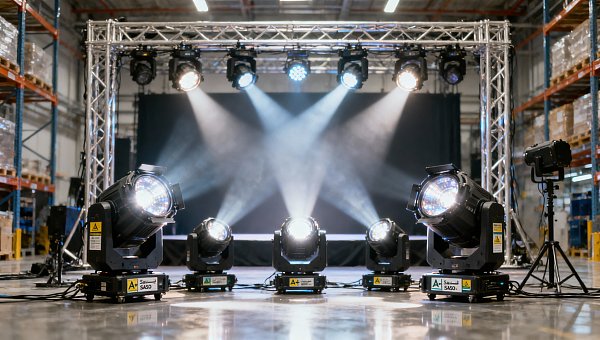
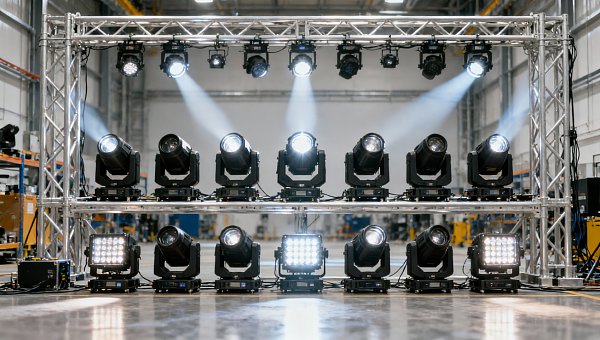
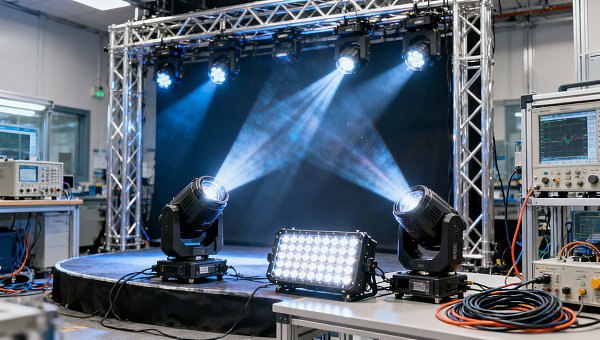
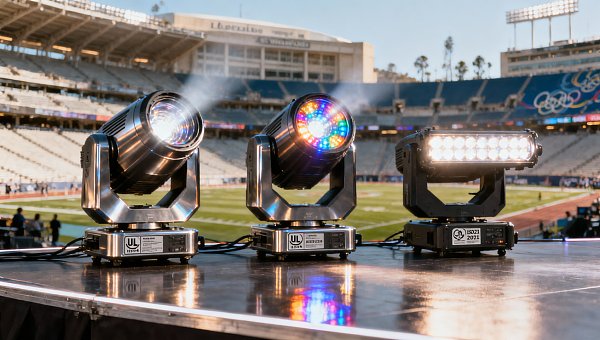
Moving head beam lights create narrow, concentrated shafts of light. They are designed for distance, punch, and aerial visibility in large-scale environments.
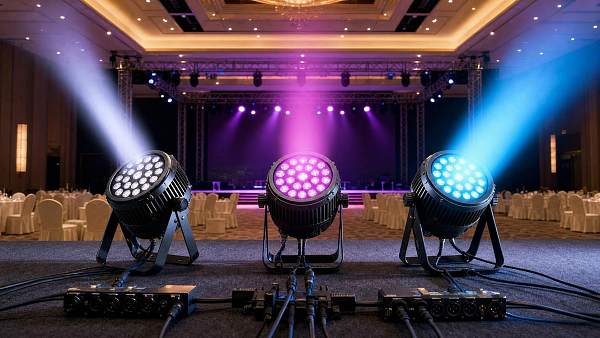
Wash lights produce broader, softer coverage. Their main role is filling space, coloring surfaces, and illuminating performers, stages, walls, or architectural features.
The difference starts with beam angle. A beam fixture may use a very tight angle, while a wash fixture spreads light much wider.
That means moving head beam lights excel at dramatic visual impact. Wash lights excel at even coverage and flexible atmosphere building.
In big venues, distance matters. A narrow beam can stay visible over long throws. A wash can lose intensity if the fixture is too far away.
Beam fixtures often include prisms, gobos, and fast movement. These features create dynamic concert-style effects with strong visual focus.
Wash fixtures usually prioritize zoom range, color mixing, and smooth fades. They support ambient scenes, branding colors, and balanced stage illumination.
So the decision is not only beam versus wash. It is also effect versus coverage, distance versus spread, and spectacle versus visibility balance.
Are moving head beam lights better for big venues?
Often, yes, but only for specific goals. Moving head beam lights are especially effective when a venue needs high-energy looks and long-throw effects.
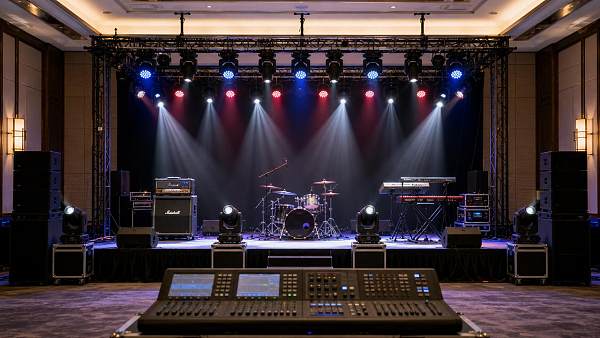
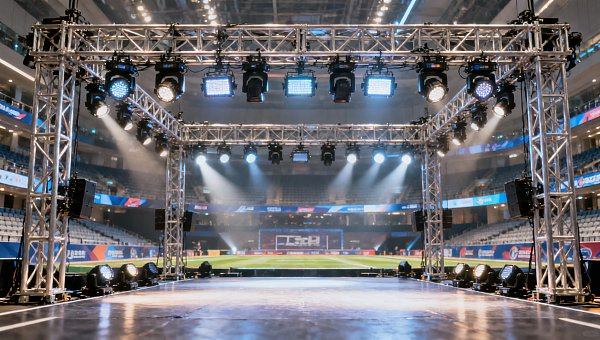
Large arenas, indoor stadiums, exhibition halls, themed entertainment venues, and outdoor festival grounds benefit from their concentrated output.
A tight beam cuts through haze and draws attention upward. This creates scale, motion, and excitement that broad wash lighting cannot fully replicate.
However, beam fixtures do not replace functional illumination. If faces, products, scenery, or architectural surfaces must remain clearly lit, wash fixtures remain important.
Big venues usually need layered lighting. Beam units shape visual drama. Wash units support legibility, color uniformity, and audience comfort.
The best answer depends on event type. A live concert may prioritize beams. A conference launch may require more wash coverage and restrained effects.
For multipurpose venues, relying only on moving head beam lights can limit flexibility. Relying only on wash lights can flatten the visual experience.
In practice, beam fixtures are better for impact, not for every lighting task. That distinction prevents many expensive planning mistakes.
Which venue types benefit most from moving head beam lights?
Moving head beam lights deliver the most value where long sightlines, large audiences, and immersive effects matter most.
Common applications include:
- Concert halls needing fast, rhythmic aerial effects
- Sports arenas requiring dramatic pre-show or halftime visuals
- Nightclubs and entertainment parks focused on energy and motion
- Large worship spaces with deep stages and audience zones
- Trade show launches wanting premium visual emphasis
- Outdoor events where punch and throw distance are critical
They are less ideal as the only fixture in lecture venues, banquet halls, or presentation-led spaces where visibility and balanced front light matter more.
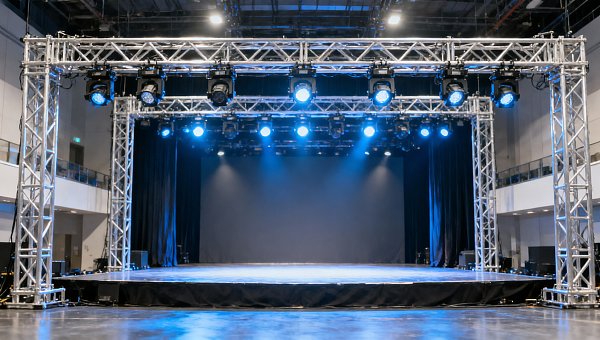
Large hospitality venues also vary. A grand ballroom may need elegant wash lighting, while a themed gala may benefit from beam-driven looks.
In commercial environments, lighting must serve both aesthetics and operational use. That is why application fit matters more than fixture popularity.
How should you compare moving head beam lights and wash lights before choosing?
A useful comparison starts with five practical factors: throw distance, coverage area, visual purpose, rigging layout, and environmental conditions.
If the venue has a high trim height, beam fixtures usually gain an advantage. Their focused shafts remain readable over long vertical and horizontal distances.
If the venue hosts mixed programs, zoom wash fixtures may offer broader utility. They can shift from tight accents to broad fills.
Control system compatibility also matters. Advanced moving head beam lights may need more programming attention for coordinated effects.
Power draw, fixture weight, maintenance access, and spare parts planning should be reviewed before finalizing any large venue lighting specification.
What mistakes happen when beam lights are chosen without enough planning?
One common mistake is expecting moving head beam lights to light people and surfaces as effectively as wash fixtures. They usually cannot.
Another mistake is ignoring haze strategy. Beam effects are often far more visible when the air supports the light path.
Some installations overemphasize effect quantity. Too many beam fixtures can produce clutter instead of clarity, especially in venues with reflective surfaces.
Mounting positions also matter. Poor spacing can create dead zones, crossing conflicts, or distracting hotspots in audience sightlines.
A further risk is underestimating maintenance. Moving fixtures contain motors, optics, and cooling systems that need routine care in busy venues.
Color expectations may cause confusion too. Some beam units prioritize intensity over color richness, while wash fixtures often deliver smoother color blending.
To avoid these issues, define the venue’s primary visual goals first. Then map fixture types to those goals instead of choosing by trend.
How can you decide between moving head beam lights, wash lights, or a hybrid setup?
Start with the venue’s core function. If the program is performance-heavy, moving head beam lights should likely play a major role.
If the venue supports conferences, hospitality events, education, launches, and entertainment, a mixed system is usually the smarter investment.
Use this simple selection guide:
Hybrid systems usually deliver the strongest result in big venues. They allow high-impact scenes without sacrificing practical illumination and visual comfort.
It is also wise to consider future use. Venue programming often evolves, and flexible lighting infrastructure protects long-term value.
When evaluating options, review photometric data, zoom range, movement speed, IP rating, control protocol, and lifecycle support.
In global commercial projects, reliable documentation and consistent supply capability are as important as brightness and beam angle.
Final answer: which one should large venues choose?
Large venues should choose based on purpose, not category alone. Moving head beam lights are ideal for dramatic, long-distance visual effects.
Wash lights remain essential for broad illumination, mood creation, and balanced scene coverage. In many cases, neither fixture type is enough alone.
For concerts, arenas, and high-energy entertainment, beam fixtures often deserve priority. For multifunction halls, a hybrid layout usually provides the best outcome.
Before specifying a system, compare throw distance, coverage goals, rigging height, haze use, maintenance needs, and programming complexity.
That process leads to better lighting performance, fewer compromises, and a more adaptable venue experience over time.
If a large space must impress from far away, moving head beam lights are often the visual engine. If the space must also function beautifully, pair them wisely.
Search News
Hot Articles
- Restaurant FurnitureFast-Casual Restaurant Interiors: Design Choices That Improve Speed and Guest FlowOct 04, 2026
- Outdoor RidesHow to Select Leisure Park Equipment for Safe, High-Throughput Visitor AreasOct 03, 2026
- Fashion & Gem JewelryDiamond Tester Wholesale: How to Vet Accuracy, Calibration, and MOQ Before OrderingOct 02, 2026
Popular Tags
Need ExpertConsultation?
Connect with our specialized leisureengineering team for procurementstrategies.
Recommended News
 Jul 13, 2026Stage Riser Platforms Explained: Types, Load Ratings, and Best-Fit Event UsesStage riser platforms explained clearly: compare types, load ratings, safety factors, and best-fit event uses to choose smarter, safer solutions for conferences, schools, hotels, and live shows.● Pro Audio Engineer
 Jul 09, 2026SASO Fast Track Cuts Stage Lighting Export Lead TimeSASO Fast Track cuts stage lighting export lead time from 45 days to 12 working days. Learn how Saudi certification changes affect truss suppliers, OEMs, buyers, and shipment planning.● Pro Audio Engineer
 Jul 08, 2026SASO Updates Stage Lighting Label Rules for LED Moving HeadsSASO updates stage lighting label rules for LED moving heads, requiring three-level energy efficiency values and bilingual labels. See what exporters and buyers must do before October 2026.● Pro Audio Engineer
 Jul 07, 2026SASO Adds Energy Label Rules for Stage Lighting ImportsSASO Adds Energy Label Rules for Stage Lighting Imports: learn which stage lighting products now need Arabic energy labels and SASO-recognized test reports before Sept. 1, 2026.● Pro Audio Engineer
 Jul 06, 2026Saudi SASO Sets A+ Rule for Stage LED LightingSaudi SASO sets A+ rule for stage LED lighting from Oct 1, 2026. Learn how the new SASO label and IEC 62722-2-1:2026 standard impact compliance, shipping, and market access.● Pro Audio Engineer
 Jul 04, 2026SASO Tightens RF Test Rules for Wireless Stage ControlsSASO tightens RF test rules for wireless stage controls in Saudi Arabia. Learn how the new IEC 62368-3 requirement impacts stage lighting exports, compliance, and delivery.● Pro Audio Engineer
 Jul 03, 2026Saudi SASO Adds RF Approval Rule for Stage LightingSaudi SASO adds RF approval rule for stage lighting. Learn how the new SASO RoHS+RF certification affects wireless lighting, truss control exports, retail access, and project delivery in Saudi Arabia.● Pro Audio Engineer
 Jul 02, 2026SASO Starts EMC Pilot for Smart Stage Lighting in SaudiSASO starts an EMC pilot for smart stage lighting in Saudi Arabia, impacting dimming controllers, cloud access, and project compliance. See what suppliers and integrators must do now.● Pro Audio Engineer
 Jul 01, 2026Saudi SASO Tightens UV-C Limits for Stage LightingSaudi SASO tightens UV-C limits for stage lighting and truss products. Learn the 2026 SASO IEC 62471 update, retesting deadline, customs risks, and how to protect Saudi shipments.● Pro Audio Engineer
 Jun 30, 2026EN 62471:2026 Adds UV-C Limit for Stage LightingEN 62471:2026 adds a UV-C limit for stage lighting, impacting LED moving heads, laser fixtures, and truss lighting. Learn what changes before Dec 1, 2026.● Pro Audio Engineer
 Jun 29, 2026TUV Adds Wi-Fi 7 EMC Test for Stage LightingTUV Adds Wi-Fi 7 EMC Test for Stage Lighting sold into the EU. Learn the Oct 1, 2026 deadline, retesting rules, and how EN 55032:2024 impacts certificates, shipments, and compliance planning.● Pro Audio Engineer
 Jun 25, 2026LED PAR Cans Wholesale: What to Compare in Wattage, Beam Angle, and DMX ControlLED par cans wholesale buyers should compare wattage, beam angle, and DMX control before requesting quotes. Learn how to avoid costly mismatches and choose fixtures that fit each venue.● Pro Audio Engineer
 Jun 16, 2026Stage Lighting Equipment List for Small Venues: What You Need and How to Plan ItStage lighting equipment for small venues: discover a practical equipment list, planning tips, and smart setup ideas to improve performance, flexibility, and long-term value.● Pro Audio Engineer
 Jun 12, 2026Vietnam Tightens EMC Rules for Stage Lighting LEDsVietnam Tightens EMC Rules for Stage Lighting LEDs: learn how QCVN 139:2026 impacts imports, testing, sourcing, and delivery planning for stage lighting businesses.● Pro Audio Engineer
 Jun 11, 2026LPGA Shanghai Debut Lifts Stage Lighting OrdersStage lighting and truss demand is rising as LPGA Shanghai debuts in 2026. Learn how tighter delivery windows, compliance, and project execution are reshaping global orders.● Pro Audio Engineer
 Jun 04, 2026UK EPR Rules Expand to Stage Lighting and TrussUK EPR rules for stage lighting and truss expand in Q3 2026. Learn how UKCA-linked registration, reporting, recycling fees, and material documentation will affect compliance and market access.● Pro Audio Engineer
 Jun 03, 2026UK EPR Fee Hits Stage Truss Textiles in Q3 2026UK EPR Fee for stage truss textiles starts in Q3 2026. Learn what new recycling charges and UKCA-Flame rules mean for lighting and truss suppliers.● Pro Audio Engineer
 Jun 02, 2026UK EPR Fee Hits Stage Lighting & TrussUK EPR Fee Hits Stage Lighting & Truss products with textile components in 2026. Learn compliance risks, BOM updates, and cost impacts for UK exporters.● Pro Audio Engineer
 May 25, 2026China's Carbon Fiber Truss Strength Up 32% at 2026 Sports ExpoCarbon fiber truss strength up 32% at 2026 Sports Expo—UL 1598 certified, CE+UL ready. Discover how China’s stage infrastructure is winning European music festivals & global tenders.● Pro Audio Engineer
 May 23, 2026Vietnam Mandates Bilingual MSDS for Stage Lighting & Truss ImportsVietnam mandates bilingual MSDS (Vietnamese & Chinese) for stage lighting and truss imports — ensure compliance by July 1, 2026 to avoid shipment rejection.● Pro Audio Engineer
 May 20, 20263 Chinese Stage Lighting Firms Join LA28 Olympic Supplier List3 Chinese stage lighting firms join LA28 Olympic supplier list — showcasing ISO 20121 & UL 1574 compliance, sustainability leadership, and global credibility in live-event infrastructure.● Pro Audio Engineer
 May 20, 2026What matters most when choosing lighting stands crank up?Lighting stands crank up: learn what really matters beyond height—load capacity, crank safety, stability, compatibility, and serviceability—to choose the right stand with confidence.● Pro Audio Engineer
 May 19, 20263 Chinese Stage Lighting Firms Join IOC’s 2028 LA Olympics Supplier ListChinese stage lighting firms join IOC's 2028 LA Olympics supplier list — a major validation for OEM/ODM exporters and tech integrators in global sports & entertainment lighting.● Pro Audio Engineer
 May 19, 2026When are chain hoists for stage the better rigging choiceChain hoists for stage are the better rigging choice when you need precise lifting, compact headroom use, and reliable repeat performance. See key use cases and buyer tips.● Pro Audio Engineer