China Customs Launches Smart HS Classification System V2.0
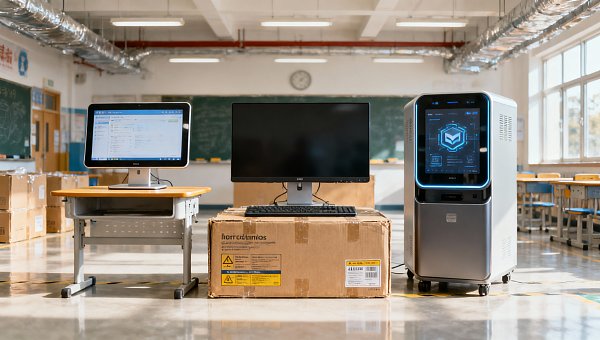
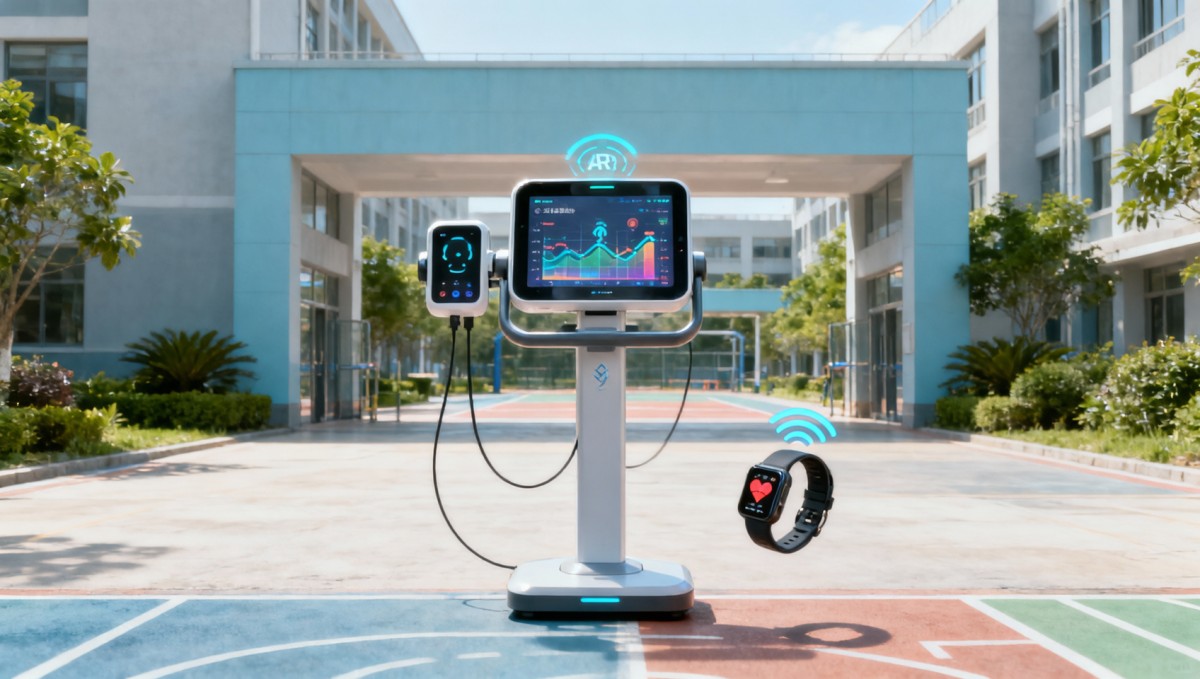
On May 18, 2026, China Customs officially launched the HS Code Intelligent Classification Assistance System V2.0 — a development with direct implications for exporters of smart education hardware, cross-border e-commerce logistics providers, and customs compliance officers. The system achieves 98.7% accuracy in HS code assignment for Smart Campus Tech products, including intelligent classroom desks, AI-powered attendance terminals, and campus AR navigation devices — making accurate tariff classification more predictable and reducing operational risk for firms engaged in high-tech educational equipment trade.
Event Overview
China Customs General Administration rolled out the HS Code Intelligent Classification Assistance System V2.0 on May 18, 2026. The system covers the full product range of Smart Campus Tech, such as smart classroom desks, AI-based attendance terminals, and campus AR guidance equipment. It supports OCR recognition of product manuals and automatically recommends optimal Harmonized System (HS) codes. Pilot enterprises reported a classification error rate reduction to 1.3%, helping avoid shipment rejections, retroactive duty assessments, and potential downgrades in Authorized Economic Operator (AEO) certification status.
Industries Affected by This Development
Direct Exporters of EdTech Hardware
Exporters of smart campus solutions face immediate implications because HS code accuracy directly affects customs clearance speed, duty liability, and AEO compliance status. Misclassification may trigger post-clearance audits or penalties — especially as China Customs increasingly relies on automated risk scoring. With V2.0 now live, consistent use of standardized technical documentation becomes critical for repeatable classification outcomes.
Contract Manufacturers & OEMs Serving EdTech Brands
OEMs and contract manufacturers supplying components or assembled units to Smart Campus Tech brands must ensure product specifications — particularly functional descriptions and intended end-use — align precisely with those used in the importer’s classification submissions. Discrepancies between factory-level BOM data and customs-facing technical documentation can undermine the reliability of V2.0’s recommendations, increasing the likelihood of manual review or correction requests.
Customs Brokerage & Trade Compliance Service Providers
Third-party brokers and compliance consultants are expected to integrate V2.0’s outputs into their internal classification workflows — not as a replacement for expert judgment, but as an input layer requiring verification. Since the system relies heavily on OCR quality and manual document completeness, service providers need updated training protocols for handling scanned manuals, multilingual spec sheets, and firmware-dependent functionality statements.
What Enterprises and Practitioners Should Monitor and Do Now
Track official rollout scope and integration timelines
While V2.0 is active as of May 18, 2026, its mandatory adoption timeline across all ports and customs districts remains unannounced. Enterprises should monitor official notices from China Customs General Administration regarding phased enforcement, API access for ERP integration, and eligibility criteria for pilot expansion beyond initial test participants.
Review and standardize technical documentation for key export SKUs
OCR performance depends on clarity, language consistency, and structural uniformity of product manuals. Firms should prioritize updating English- and Chinese-language technical documents for top 20 export SKUs — ensuring function descriptions, target user groups (e.g., ‘K–12 students’), and distinguishing features (e.g., ‘real-time facial recognition for attendance’) are explicitly stated and consistently formatted.
Distinguish between policy signal and operational readiness
The launch reflects China Customs’ broader digitalization strategy — but V2.0 does not replace human review or override existing classification rulings. Companies should treat its output as a pre-submission validation tool rather than an authoritative determination. Internal classification decisions must still be supported by binding tariff opinions or prior rulings where material value or regulatory exposure is high.
Prepare documentation templates and internal audit checklists
Given the 1.3% residual error rate observed in pilots, firms should develop internal HS code reconciliation checklists covering: (1) alignment between commercial invoice descriptions and manual-based OCR inputs; (2) consistency of firmware/software version references across documentation layers; and (3) traceability of classification rationale for AEO self-assessment records.
Editorial Perspective / Industry Observation
Observably, this update signals a shift toward algorithm-assisted classification as a baseline expectation — not just an optional efficiency tool. Analysis shows that while V2.0 improves consistency for well-documented, functionally distinct hardware like campus AR devices, its effectiveness remains contingent on upstream data quality and cross-departmental alignment (R&D → marketing → compliance). It is better understood as an operational enabler than a regulatory milestone: the underlying legal framework and binding classification principles remain unchanged. Industry attention should therefore focus less on the system itself and more on how it exposes gaps in documentation governance and inter-functional handoffs within export-oriented hardware firms.
China Customs General Administration official announcement (May 18, 2026). No further implementation details or nationwide enforcement schedule have been published as of publication date; these remain subjects for ongoing monitoring.
Search News
Hot Articles
- Restaurant FurnitureFast-Casual Restaurant Interiors: Design Choices That Improve Speed and Guest FlowOct 04, 2026
- Outdoor RidesHow to Select Leisure Park Equipment for Safe, High-Throughput Visitor AreasOct 03, 2026
- Fashion & Gem JewelryDiamond Tester Wholesale: How to Vet Accuracy, Calibration, and MOQ Before OrderingOct 02, 2026
Popular Tags
Need ExpertConsultation?
Connect with our specialized leisureengineering team for procurementstrategies.
Recommended News
 Sep 28, 2026How U.S. Schools Can Choose Laboratory Equipment for Safe, Compliant Science LabsSchool laboratory equipment USA: learn how to select safe, compliant lab furniture, ventilation, emergency systems, and durable tools for K–12 science labs.● Institutional Buyer
 Sep 16, 2026How to Source Educational Furniture Worldwide for Safe, Flexible Learning SpacesEducational furniture worldwide: learn how to source safe, flexible, durable learning-space solutions while controlling compliance, logistics, and lifecycle costs.● Institutional Buyer
 Aug 31, 2026How to Plan Smart Classroom Solutions That Improve Learning and IT ManageabilitySmart classroom solutions: learn how to plan secure, scalable teaching spaces that improve learning, simplify IT management, and reduce lifecycle costs.● Institutional Buyer
 Aug 01, 2026How to Specify an EN54 School PA System for Safe, Compliant Campus Voice EvacuationEN54 school PA system specification guide for safer, compliant campus voice evacuation. Learn zoning, intelligibility, monitoring, tender tips, and handover checks.● Institutional Buyer
 Jul 15, 2026Vietnam Tightens Import Rules for Smart Campus TechVietnam Tightens Import Rules for Smart Campus Tech: learn how MOIT’s 2026 data hosting and NEP connection rules may reshape import approval, sourcing timelines, and delivery planning.● Institutional Buyer
 Jul 14, 2026Thailand TISI Tightens Rules for Smart Campus TerminalsThailand TISI tightens rules for smart campus terminals, requiring Thai speech recognition and local biometric data storage. Learn the compliance impact, timeline risks, and what exporters must do now.● Institutional Buyer
 Jul 13, 2026Red Sea Rerouting Lifts Smart Campus Tech Shipping CostsRed Sea rerouting lifts Smart Campus Tech shipping costs, extends Asia-Europe booking lead times, and delays delivery. See what exporters, buyers, and logistics teams should do now.● Institutional Buyer
 Jul 12, 2026Event Technology for Live Venues: What Systems Matter Most for Seamless Operations?Event technology defines how live venues handle ticketing, AV, access, and monitoring. Discover which systems matter most for seamless operations, higher uptime, and better guest experiences.● Institutional Buyer
 Jul 11, 2026What Is a Campus Procurement Platform and How Does It Improve School Purchasing Workflows?Campus procurement platform explained: learn how it streamlines school purchasing workflows, improves approval control, boosts spend visibility, and reduces delays across campus buying.● Institutional Buyer
 Jul 10, 2026Vietnam Raises Smart Campus Tech Import Tariff to 12%Vietnam Raises Smart Campus Tech Import Tariff to 12%: explore how the new Vietnam smart campus tech tariff impacts pricing, sourcing, and local assembly strategies across Southeast Asia.● Institutional Buyer
 Jul 10, 2026Interactive Document Camera vs Webcam: Which Works Better for Smart Classrooms?Interactive document camera vs webcam: discover which delivers clearer content sharing, faster lesson flow, and better hybrid teaching performance for smart classrooms.● Institutional Buyer
 Jul 09, 2026RCEP Rule Adds Carbon Footprint Filings for Smart Campus Tech ExportsRCEP Rule reshapes Smart Campus Tech exports: learn how new carbon footprint filings for Singapore, Thailand, and Vietnam affect customs clearance, lead times, and compliance planning before October 1, 2026.● Institutional Buyer
 Jul 09, 2026Basketball Hoops for Campuses: Which Backboard, Rim, and Mounting Type Fits Your Site?Basketball hoops for campuses: compare backboard, rim, and mounting options by site needs. Learn how to choose safer, longer-lasting systems for outdoor courts, gyms, and multipurpose halls.● Institutional Buyer
 Jul 09, 2026Modular Educational Furniture: What to Check Before Planning Flexible ClassroomsModular educational furniture: learn what to check before planning flexible classrooms, from safety and durability to teaching fit, supplier quality, and long-term value.● Institutional Buyer
 Jul 08, 2026Shenzhen-Yokohama Port Delays Fall to 2.1 DaysShenzhen-Yokohama Port Delays fall to 2.1 days, cutting shipment cycles by 5–7 days for smart campus equipment. See how faster port efficiency can ease Q3 school delivery pressure.● Institutional Buyer
 Jul 07, 2026FBX Slide Pushes Smart Campus Freight Below $980/FEUFBX Slide Pushes Smart Campus Freight Below $980/FEU as Asia-Europe rates tumble. Discover what this means for smart campus shipments, booking risks, and cost-saving opportunities.● Institutional Buyer
 Jul 07, 2026Math Manipulatives Bulk Price Guide: Cost Drivers, Pack Sizes, and School Budget PlanningMath manipulatives bulk price explained: compare cost drivers, pack sizes, landed costs, and school budget planning tips to source smarter and avoid hidden expenses.● Institutional Buyer
 Jul 04, 2026RCEP Update Expands Indonesia Duty-Free Quota for Edu DevicesRCEP Update Expands Indonesia Duty-Free Quota for Edu Devices: learn how the new 80,000-unit quota reshapes export costs, compliance, and school procurement opportunities in Indonesia.● Institutional Buyer
 Jul 03, 2026Indonesia Enforces ID-SNI Labels on Smart Campus ImportsIndonesia Enforces ID-SNI Labels on Smart Campus Imports: learn how the new rule affects labeling, customs clearance, certification, and delivery readiness for compliant market entry.● Institutional Buyer
 Jul 03, 2026How to Choose Indoor School Sports Equipment for Age Groups, Space, and Safety NeedsIndoor school sports equipment buying guide for schools: learn how to match age groups, space limits, and safety standards to choose durable, efficient solutions.● Institutional Buyer
 Jul 02, 2026Chromebook Charging Stations for Schools: Cart vs Cabinet vs Wall-Mount OptionsChromebook charging stations for schools compared: cart, cabinet, and wall-mount options. Discover the best fit for security, space, mobility, and budget before you buy.● Institutional Buyer
 Jul 01, 2026Indonesia Opens RCEP Fast Track for Smart Campus IoTIndonesia opens an RCEP fast track for Smart Campus IoT, cutting Jakarta customs clearance to 12 hours for eligible HS 8517.62 devices. See who qualifies and how to prepare.● Institutional Buyer
 Jun 30, 2026Flexible Learning Spaces for K-12 and Higher Ed: Layout Ideas, Furniture, and Tech NeedsFlexible learning spaces for K-12 and higher ed: explore practical layout ideas, durable furniture, and smart tech strategies that improve teaching, flexibility, and long-term campus value.● Institutional Buyer
 Jun 30, 2026Campus Equipment Procurement Checklist: How to Compare Specs, Warranties, and Total CostCampus equipment procurement made practical: compare specs, warranty terms, supplier reliability, and total cost to avoid hidden expenses and make smarter campus buying decisions.● Institutional Buyer