Are stage laser lights worth it for indoor event effects?
Are stage laser lights really worth the investment for indoor event effects? For planners, venues, and buyers, the answer depends on impact, control, safety, and long-term value.
In indoor environments, stage laser lights can transform ordinary rooms into immersive experiences. Yet the best results come from matching power, programming, compliance, and venue conditions to event goals.
As commercial experiences become more visual and shareable, stage laser lights are gaining attention across hospitality, entertainment, education, and branded events. Their value is rising, but expectations are rising too.
Indoor event visuals are shifting from decoration to immersive impact
Indoor events no longer compete only on sound, seating, or service. Guests expect visual drama, social media moments, and a polished atmosphere that feels intentional from entry to finale.
This shift explains why stage laser lights now appear in hotel ballrooms, product launches, music venues, themed attractions, private clubs, and multipurpose halls.
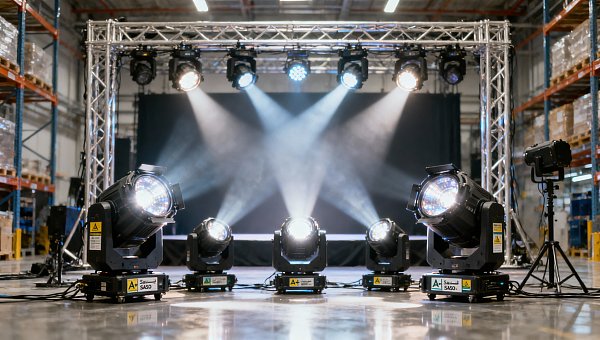
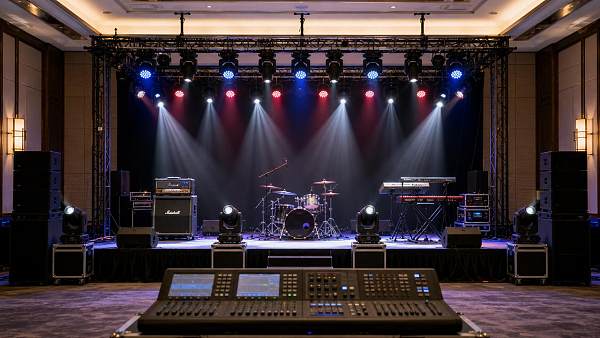
Compared with static uplighting, stage laser lights offer motion, precision, and spatial depth. Beams can cut through haze, frame performers, define ceilings, and create rhythm that follows music.
For indoor event effects, that difference matters. Audiences remember scenes that feel alive, not just bright. In many settings, lasers deliver that memorable layer more efficiently than bulky scenic builds.
The value of stage laser lights is growing because expectations changed
The market is not simply asking whether stage laser lights look impressive. It is asking whether they improve event quality, support flexible programming, and justify operating costs.
Several trend signals explain the stronger demand for laser-based indoor effects:
In short, the question is less about novelty now. It is more about whether stage laser lights can support repeatable, professional-grade indoor event effects.
Why some indoor setups make stage laser lights worth the investment
Not every room needs lasers. However, certain indoor conditions strongly improve return on investment and visual performance.
1. Controlled lighting environments
Ballrooms, black box venues, clubs, and indoor stages benefit most. Lower ambient light allows stage laser lights to appear sharper and more dramatic.
2. Use of haze or atmospheric effects
Lasers become visually powerful when beams are visible in air. Light haze often makes the difference between average lighting and a premium immersive effect.
3. Repeated event programming
If a venue hosts launches, performances, celebrations, or seasonal productions often, stage laser lights spread value across multiple events instead of a single night.
4. Strong technical operation
Worth depends on execution. Reliable mounting, clear programming, and trained operators turn lasers into precision tools rather than flashy but inconsistent add-ons.
- Stage reveals and performer framing
- Ceiling mapping in banquet spaces
- Branded visual signatures at product launches
- Rhythmic beam effects for music-driven events
- Themed walkthroughs in leisure attractions
The real decision comes down to performance, safety, and sourcing quality
Many buyers focus first on wattage or price. That is understandable, but indoor event success depends on a wider group of factors.
A lower-cost unit may appear attractive online. Yet poor scanners, unstable output, weak cooling, or limited control options can reduce effect quality and increase operational risk.
High-quality stage laser lights should be judged across these areas:
This is where strategic sourcing matters. Commercial buyers need products that perform consistently, align with safety rules, and fit the venue’s show control environment.
Different indoor use cases see different returns from stage laser lights
The value of stage laser lights changes by setting. One venue may gain emotional impact, while another gains branding flexibility or lower scenic production costs.
Hospitality and banquet spaces
Hotels and event halls use stage laser lights to elevate gala dinners, weddings, launches, and VIP functions. The strongest value comes from premium atmosphere and visual differentiation.
Entertainment venues
For clubs, concert rooms, and theaters, lasers often justify themselves faster. These spaces regularly need synchronized visual energy that supports music, choreography, and dramatic transitions.
Educational and institutional events
Auditoriums and campus spaces can use stage laser lights selectively for ceremonies, showcases, and performances. Here, ease of operation and strict safety settings are especially important.
Leisure attractions and themed interiors
Indoor attractions benefit from lasers when storytelling matters. Beam tunnels, scene transitions, and timed effects can create memorable immersion without rebuilding permanent structures.
What deserves the closest attention before choosing stage laser lights
Before buying, focus on practical fit instead of headline specifications alone. A well-matched system often outperforms a more powerful but poorly integrated one.
- Room size, ceiling height, and throw distance
- Expected ambient light during operation
- Need for haze and ventilation compatibility
- Audience sightlines and restricted beam zones
- Control workflow with existing lighting systems
- Maintenance access and service reliability
- Local compliance requirements and operator training
These points determine whether stage laser lights feel like a smart upgrade or an underused asset. Indoor effects depend on planning as much as hardware.
A practical way to judge whether stage laser lights are worth it
Use a simple evaluation framework before deciding:
- Define the event effect goal, not just the equipment wish list.
- Test whether the venue can support visible beams safely.
- Compare laser impact against moving heads, LED walls, and scenic décor.
- Review programming, maintenance, and compliance costs over time.
- Choose sourcing partners with documented technical and after-sales support.
If the room is controlled, the event calendar is active, and the technical setup is solid, stage laser lights are often worth it for indoor event effects.
If the venue lacks atmospheric support, runs few visual events, or cannot manage safety properly, the investment may be better directed elsewhere.
The next smart move is careful specification, not impulse buying
Stage laser lights can deliver exceptional indoor impact, but only when selected with clear performance goals and credible technical review.
For commercial projects, the strongest outcomes come from balancing visual ambition with safety, integration, and supplier trust. That is where long-term value becomes real.
When evaluating stage laser lights, prioritize verified specifications, compliance documentation, show control compatibility, and support capability. Those details shape better indoor experiences and more dependable returns.
Search News
Hot Articles
- Restaurant FurnitureFast-Casual Restaurant Interiors: Design Choices That Improve Speed and Guest FlowOct 04, 2026
- Outdoor RidesHow to Select Leisure Park Equipment for Safe, High-Throughput Visitor AreasOct 03, 2026
- Fashion & Gem JewelryDiamond Tester Wholesale: How to Vet Accuracy, Calibration, and MOQ Before OrderingOct 02, 2026
Popular Tags
Need ExpertConsultation?
Connect with our specialized leisureengineering team for procurementstrategies.
Recommended News
 Jul 13, 2026Stage Riser Platforms Explained: Types, Load Ratings, and Best-Fit Event UsesStage riser platforms explained clearly: compare types, load ratings, safety factors, and best-fit event uses to choose smarter, safer solutions for conferences, schools, hotels, and live shows.● Pro Audio Engineer
 Jul 09, 2026SASO Fast Track Cuts Stage Lighting Export Lead TimeSASO Fast Track cuts stage lighting export lead time from 45 days to 12 working days. Learn how Saudi certification changes affect truss suppliers, OEMs, buyers, and shipment planning.● Pro Audio Engineer
 Jul 08, 2026SASO Updates Stage Lighting Label Rules for LED Moving HeadsSASO updates stage lighting label rules for LED moving heads, requiring three-level energy efficiency values and bilingual labels. See what exporters and buyers must do before October 2026.● Pro Audio Engineer
 Jul 07, 2026SASO Adds Energy Label Rules for Stage Lighting ImportsSASO Adds Energy Label Rules for Stage Lighting Imports: learn which stage lighting products now need Arabic energy labels and SASO-recognized test reports before Sept. 1, 2026.● Pro Audio Engineer
 Jul 06, 2026Saudi SASO Sets A+ Rule for Stage LED LightingSaudi SASO sets A+ rule for stage LED lighting from Oct 1, 2026. Learn how the new SASO label and IEC 62722-2-1:2026 standard impact compliance, shipping, and market access.● Pro Audio Engineer
 Jul 04, 2026SASO Tightens RF Test Rules for Wireless Stage ControlsSASO tightens RF test rules for wireless stage controls in Saudi Arabia. Learn how the new IEC 62368-3 requirement impacts stage lighting exports, compliance, and delivery.● Pro Audio Engineer
 Jul 03, 2026Saudi SASO Adds RF Approval Rule for Stage LightingSaudi SASO adds RF approval rule for stage lighting. Learn how the new SASO RoHS+RF certification affects wireless lighting, truss control exports, retail access, and project delivery in Saudi Arabia.● Pro Audio Engineer
 Jul 02, 2026SASO Starts EMC Pilot for Smart Stage Lighting in SaudiSASO starts an EMC pilot for smart stage lighting in Saudi Arabia, impacting dimming controllers, cloud access, and project compliance. See what suppliers and integrators must do now.● Pro Audio Engineer
 Jul 01, 2026Saudi SASO Tightens UV-C Limits for Stage LightingSaudi SASO tightens UV-C limits for stage lighting and truss products. Learn the 2026 SASO IEC 62471 update, retesting deadline, customs risks, and how to protect Saudi shipments.● Pro Audio Engineer
 Jun 30, 2026EN 62471:2026 Adds UV-C Limit for Stage LightingEN 62471:2026 adds a UV-C limit for stage lighting, impacting LED moving heads, laser fixtures, and truss lighting. Learn what changes before Dec 1, 2026.● Pro Audio Engineer
 Jun 29, 2026TUV Adds Wi-Fi 7 EMC Test for Stage LightingTUV Adds Wi-Fi 7 EMC Test for Stage Lighting sold into the EU. Learn the Oct 1, 2026 deadline, retesting rules, and how EN 55032:2024 impacts certificates, shipments, and compliance planning.● Pro Audio Engineer
 Jun 25, 2026LED PAR Cans Wholesale: What to Compare in Wattage, Beam Angle, and DMX ControlLED par cans wholesale buyers should compare wattage, beam angle, and DMX control before requesting quotes. Learn how to avoid costly mismatches and choose fixtures that fit each venue.● Pro Audio Engineer
 Jun 16, 2026Stage Lighting Equipment List for Small Venues: What You Need and How to Plan ItStage lighting equipment for small venues: discover a practical equipment list, planning tips, and smart setup ideas to improve performance, flexibility, and long-term value.● Pro Audio Engineer
 Jun 12, 2026Vietnam Tightens EMC Rules for Stage Lighting LEDsVietnam Tightens EMC Rules for Stage Lighting LEDs: learn how QCVN 139:2026 impacts imports, testing, sourcing, and delivery planning for stage lighting businesses.● Pro Audio Engineer
 Jun 11, 2026LPGA Shanghai Debut Lifts Stage Lighting OrdersStage lighting and truss demand is rising as LPGA Shanghai debuts in 2026. Learn how tighter delivery windows, compliance, and project execution are reshaping global orders.● Pro Audio Engineer
 Jun 04, 2026UK EPR Rules Expand to Stage Lighting and TrussUK EPR rules for stage lighting and truss expand in Q3 2026. Learn how UKCA-linked registration, reporting, recycling fees, and material documentation will affect compliance and market access.● Pro Audio Engineer
 Jun 03, 2026UK EPR Fee Hits Stage Truss Textiles in Q3 2026UK EPR Fee for stage truss textiles starts in Q3 2026. Learn what new recycling charges and UKCA-Flame rules mean for lighting and truss suppliers.● Pro Audio Engineer
 Jun 02, 2026UK EPR Fee Hits Stage Lighting & TrussUK EPR Fee Hits Stage Lighting & Truss products with textile components in 2026. Learn compliance risks, BOM updates, and cost impacts for UK exporters.● Pro Audio Engineer
 May 25, 2026China's Carbon Fiber Truss Strength Up 32% at 2026 Sports ExpoCarbon fiber truss strength up 32% at 2026 Sports Expo—UL 1598 certified, CE+UL ready. Discover how China’s stage infrastructure is winning European music festivals & global tenders.● Pro Audio Engineer
 May 23, 2026Vietnam Mandates Bilingual MSDS for Stage Lighting & Truss ImportsVietnam mandates bilingual MSDS (Vietnamese & Chinese) for stage lighting and truss imports — ensure compliance by July 1, 2026 to avoid shipment rejection.● Pro Audio Engineer
 May 20, 20263 Chinese Stage Lighting Firms Join LA28 Olympic Supplier List3 Chinese stage lighting firms join LA28 Olympic supplier list — showcasing ISO 20121 & UL 1574 compliance, sustainability leadership, and global credibility in live-event infrastructure.● Pro Audio Engineer
 May 20, 2026What matters most when choosing lighting stands crank up?Lighting stands crank up: learn what really matters beyond height—load capacity, crank safety, stability, compatibility, and serviceability—to choose the right stand with confidence.● Pro Audio Engineer
 May 19, 20263 Chinese Stage Lighting Firms Join IOC’s 2028 LA Olympics Supplier ListChinese stage lighting firms join IOC's 2028 LA Olympics supplier list — a major validation for OEM/ODM exporters and tech integrators in global sports & entertainment lighting.● Pro Audio Engineer
 May 19, 2026When are chain hoists for stage the better rigging choiceChain hoists for stage are the better rigging choice when you need precise lifting, compact headroom use, and reliable repeat performance. See key use cases and buyer tips.● Pro Audio Engineer