What to check before choosing tour guide systems wholesale
Choosing a reliable tour guide systems wholesale partner affects sound quality, crowd control, safety compliance, and long-term ownership cost.
When orders scale across tourism, museums, factories, education, worship, and events, weak equipment quickly creates operational problems.
This guide explains what to check before selecting tour guide systems wholesale, from wireless performance to certifications, customization, support, and supply continuity.
What is included in a tour guide systems wholesale solution?
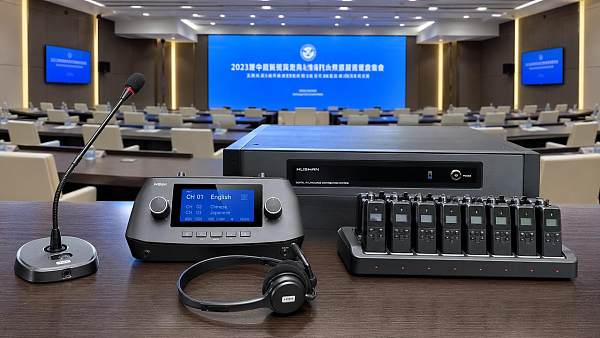
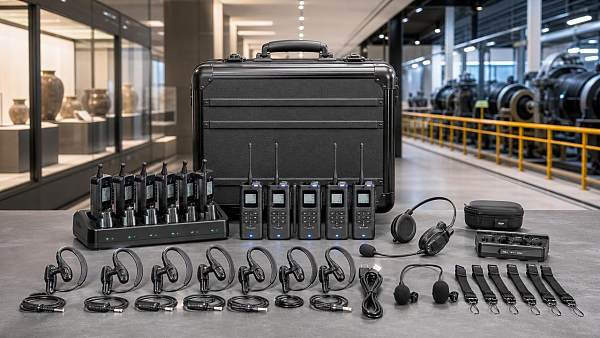
A complete tour guide systems wholesale package usually includes transmitters, receivers, microphones, chargers, batteries, carrying cases, and accessories.
Some suppliers also provide neck loops, single-ear headsets, hygiene earbuds, docking stations, and software for device grouping or monitoring.
The first checkpoint is scope clarity. A low unit price can hide missing components that raise the final landed cost.
Ask whether the quotation covers charging infrastructure, replacement parts, packaging, user manuals, labels, and spare percentages.
In many applications, tour guide systems wholesale must support more than tourism. They may serve interpretation, training, plant visits, and multi-language group communication.
That means compatibility matters. Check whether one platform can support different microphone types and listening accessories without changing the whole fleet.
Basic package questions
- Are transmitters and receivers sold as matched sets or separate units?
- Are chargers included, or priced separately?
- Are batteries built-in, removable, or replaceable by the user?
- What accessories are standard, optional, or discontinued?
How should audio performance and wireless stability be evaluated?
Audio clarity is the core reason buyers seek tour guide systems wholesale rather than consumer audio devices.
Poor speech intelligibility causes listener fatigue, repeated instructions, slower movement, and a weaker visitor experience.
Check the transmission technology first. Common options include UHF, 2.4GHz, and digital encrypted systems.
Each has trade-offs in interference resistance, channel capacity, latency, regional regulation, and operating range.
For crowded venues, stable performance matters more than headline range. Ask for real-world tests in buses, museums, metal-heavy buildings, and urban environments.
Speech frequency response should be optimized for human voice. Excessive bass is unnecessary and may reduce clarity.
Noise suppression, automatic gain control, and anti-howling features can improve use in busy public spaces.
Technical points worth confirming
- Operating frequency and legal market suitability
- Maximum simultaneous groups in one location
- Signal stability in mixed RF environments
- Latency between speaking and listening
- Coverage range with obstacles, not only open space
Reliable tour guide systems wholesale decisions should be supported by test reports, demonstration videos, or pilot samples, not brochure claims alone.
Why do battery life, charging design, and durability matter so much?
Many buying mistakes happen after deployment, when daily charging routines become inefficient or device failure rates rise.
For tour guide systems wholesale, battery strategy affects uptime, labor, spare inventory, and replacement budgets.
Built-in lithium batteries simplify handling, but lifecycle and serviceability should be reviewed carefully.
Replaceable batteries may extend total product life, especially in heavy-duty commercial use.
Ask for charging cycle estimates, full-charge time, standby time, and operating time under typical volume settings.
Also check whether charging cases support batch charging, status indicators, and overcharge protection.
Durability is equally important. Devices should withstand repeated transport, drops, sweat, dust, and frequent cleaning.
If hygiene protocols are strict, confirm material resistance to disinfectants and replacement availability for ear-contact components.
Practical durability checklist
- Housing material and drop resistance
- Connector durability after repeated plugging
- Battery health after long storage
- Ease of cleaning and sanitation
- Availability of replacement earbuds and microphones
Which certifications and compliance checks should come before price comparison?
Low pricing can become expensive if tour guide systems wholesale shipments fail customs, local regulations, or internal quality audits.
Certification needs depend on destination markets, wireless bands, battery transport rules, and end-use environments.
Common checks include CE, FCC, RoHS, UKCA, and battery transport documentation such as UN38.3 where required.
For charging systems, adapter safety and power compliance also deserve review. Ask whether reports belong to the exact offered model.
Do not accept expired or generic certificates without model matching, testing scope, and issuing body details.
If the devices will be used in schools, industrial tours, or public institutions, documentation quality often matters as much as product quality.
How can supplier reliability and customization capacity be judged?
A strong tour guide systems wholesale supplier does more than ship devices. It supports continuity, consistency, branding, and after-sales response.
Start with production stability. Ask about monthly capacity, lead times, component sourcing, and the policy for urgent replenishment orders.
Then review quality control. Useful indicators include incoming inspection, finished product testing, aging tests, and failure traceability.
Customization can add value when systems need private labels, branded charging cases, language-specific packaging, or special accessory bundles.
However, custom work should not weaken delivery reliability. Clarify sample approval, tooling needs, artwork deadlines, and minimum order quantities.
After-sales support is another major filter. Tour guide systems wholesale programs need spare parts, repair policy, firmware support, and response timelines.
Questions that reveal supplier strength
- Can serial numbers be tracked by production batch?
- What is the warranty period and claim process?
- Are spare units recommended for each deployment size?
- Can manuals, logos, and labels be customized?
- Is OEM or ODM support available without quality drift?
What cost risks and common mistakes should be avoided in tour guide systems wholesale?
The cheapest quote often ignores total cost. In tour guide systems wholesale, hidden expenses can outweigh the initial savings.
Frequent issues include missing accessories, short battery life, incompatible chargers, poor packaging, and weak support after installation.
Another mistake is choosing systems based only on range. Real value comes from stable daily use and manageable operating procedures.
Buyers should calculate the full ownership picture, including training, replacement parts, sanitation supplies, and downtime risk.
What final evaluation process leads to a better decision?
A practical decision framework makes tour guide systems wholesale sourcing faster and less risky.
Begin with use-case definition. Confirm group size, operating environment, daily duration, languages, charging routine, and hygiene needs.
Next, create a comparison sheet covering performance, certification, battery design, accessories, customization, lead time, and warranty.
Then request samples or a pilot lot. Test speech clarity, interference resistance, comfort, charging speed, and handling efficiency.
Finally, confirm commercial terms clearly. Include packaging standards, spare ratios, delivery milestones, and support responsibilities.
The best tour guide systems wholesale choice is rarely just the lowest quote. It is the option that balances performance, compliance, durability, and dependable supply.
For complex commercial sourcing, a structured checklist protects both user experience and long-term operating efficiency.
Use the checkpoints above to compare offers carefully, request evidence early, and move forward with clearer technical and commercial confidence.
Search News
Hot Articles
- Outdoor RidesHow to Select Leisure Park Equipment for Safe, High-Throughput Visitor AreasOct 03, 2026
- Fashion & Gem JewelryDiamond Tester Wholesale: How to Vet Accuracy, Calibration, and MOQ Before OrderingOct 02, 2026
- Hotel Room AmenitiesHow Hotels Can Choose Amenity Bottles That Balance Brand Image and Refill CostsOct 01, 2026
Popular Tags
Need ExpertConsultation?
Connect with our specialized leisureengineering team for procurementstrategies.
Recommended News
 Aug 19, 2026How to Choose Commercial Carpet Tiles for Hospitality Projects by Traffic and Maintenance NeedsCommercial carpet tiles hospitality buyers trust should match traffic, maintenance, and lifecycle cost. Learn how to specify durable, guest-ready flooring with confidence.● Hospitality Sourcing Dir
 Aug 15, 2026How to Evaluate Commercial Product Compliance for Hospitality Procurementcommercial product compliance hospitality guide to evaluating supplier documents, reducing risk, and choosing compliant products that protect guest safety and project timelines.● Hospitality Sourcing Dir
 Aug 10, 2026What Does Global Hospitality Procurement Cover and How to Reduce Sourcing Risk?Global hospitality procurement covers supplier screening, compliance, quality control, and logistics. Learn practical ways to reduce sourcing risk, avoid delays, and protect hotel project outcomes.● Hospitality Sourcing Dir
 Aug 07, 2026Hotel Operations Standards Explained: Key SOPs, Audits, and Compliance BasicsHotel operations standards explained clearly: learn the key SOPs, audit methods, and compliance basics that help hotels reduce risk, improve consistency, and strengthen guest experience.● Hospitality Sourcing Dir
 Jul 13, 2026Hotel Operations Metrics That Matter: Occupancy, ADR, RevPAR, and Labor CostHotel operations metrics explained: learn how occupancy, ADR, RevPAR, and labor cost shape revenue, staffing efficiency, and smarter hotel performance decisions.● Hospitality Sourcing Dir
 Jun 27, 2026Hotel Operations Management Basics: Key Departments, KPIs, and Daily WorkflowsHotel operations management made simple: explore key hotel departments, essential KPIs, and daily workflows that improve guest satisfaction, efficiency, and profitability.● Hospitality Sourcing Dir
 Jun 24, 2026Commercial Hospitality Procurement: What to Source First for Hotel OpeningsCommercial hospitality procurement starts with the right categories. Learn what hotels should source first to protect timelines, compliance, and opening readiness.● Hospitality Sourcing Dir
 Jun 05, 2026Safari Tents Wholesale: How to Compare Frame Materials, Sizes, and MOQSafari tents wholesale guide: compare frame materials, tent sizes, and MOQ to reduce sourcing risk, control costs, and choose a scalable supplier for profitable hospitality projects.● Hospitality Sourcing Dir
 May 18, 2026How to judge simultaneous interpretation equipment qualitySimultaneous interpretation equipment quality affects clarity, stability, and event success. Learn the key checklist, testing points, and sourcing tips to choose with confidence.● Hospitality Sourcing Dir
 May 18, 2026What to check before choosing tour guide systems wholesaleTour guide systems wholesale: learn what to check before buying, from audio stability and certifications to battery life, customization, and supplier support.● Hospitality Sourcing Dir
 May 13, 2026China's MCT Launches 'Travel Services' Overseas Compliance GuideChina's MCT Travel Services Compliance Guide: Essential for sports tourism, study-abroad & customized tour operators expanding to EU/US markets under GDPR, CCPA & CSDDD.● Hospitality Sourcing Dir
 May 09, 2026Inflatable clear bubble tents and the privacy trade-offInflatable clear bubble tents offer immersive appeal, but is the privacy trade-off worth it? Explore scenario-based insights for resorts, events, dining, and public spaces.● Hospitality Sourcing Dir
 May 09, 2026Camping glamping tents: what guests notice before anything elseCamping glamping tents guests love start with first impressions—space, privacy, materials, light, and comfort. Discover what buyers should prioritize to boost appeal and bookings.● Hospitality Sourcing Dir
 May 09, 2026Safari tents wholesale and the weatherproofing details that matterSafari tents wholesale buyers now prioritize weatherproofing. Learn which waterproof, windproof, ventilation, and corrosion details reduce risk, protect uptime, and improve long-term value.● Hospitality Sourcing Dir
 May 09, 2026Geodesic dome tents: are they practical for year-round stays?Geodesic dome tents can work for year-round stays—but only with the right insulation, ventilation, and structural planning. Discover what makes them practical, comfortable, and cost-effective.● Hospitality Sourcing Dir
 May 09, 2026Inflatable paddle boards commercial buyers often overlook thisInflatable paddle boards commercial buyers often miss the factors that drive long-term value—durability, safety, compliance, and supplier consistency. Learn what to check before you buy.● Hospitality Sourcing Dir
 May 09, 2026Why ski resort equipment budgets often miss hidden costsSki resort equipment budgets often miss freight, installation, compliance, and service costs. Learn the hidden drivers behind overruns and budget smarter for stronger ROI.● Hospitality Sourcing Dir
 May 09, 2026Artificial snow mats vs real snow for beginner ski zonesArtificial snow mats vs real snow: discover which option gives beginner ski zones safer training, longer seasons, lower operating risk, and stronger commercial value.● Hospitality Sourcing Dir
 Apr 25, 2026Discover the Best of the Silk Road: Top Xi'an Hot Tourism Routes for 2026● Hospitality Sourcing Dir
 Apr 22, 2026Peak of China: The Ultimate 7-Day Central Plains Heritage Odyssey 2026Plan a 7-day Henan heritage tour in 2026 with Luoyang, Shaolin Temple and Kaifeng highlights, plus visa-free transit and rail tips.● Hospitality Sourcing Dir