Safari tents wholesale and the weatherproofing details that matter
Why weatherproofing has become the defining factor in safari tents wholesale decisions
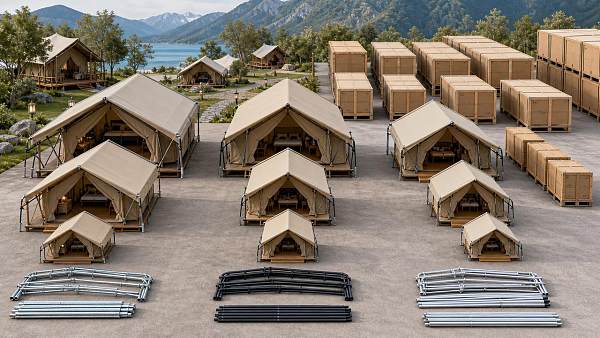
For procurement teams evaluating safari tents wholesale options, weatherproofing is more than a product feature—it is a long-term risk control factor. From waterproof fabrics and sealed seams to wind resistance and corrosion-proof frames, the right details directly affect durability, guest safety, and lifecycle cost. This guide highlights the weatherproofing elements that matter most when sourcing reliable safari tent solutions at scale.
Across hospitality, leisure parks, eco-resorts, outdoor education, and premium event spaces, safari tents wholesale demand is shifting. Buyers are no longer comparing tents only by size, appearance, or initial unit price. They are judging whether a structure can maintain performance through heavy rain, UV exposure, coastal humidity, seasonal wind, and repeated installation cycles. In this environment, weatherproofing details have moved from a technical appendix to a central buying criterion.
This shift matters in the broader commercial trade landscape because outdoor accommodation assets now carry brand expectations similar to fixed buildings. A weather failure does not only create repair cost; it can interrupt bookings, damage reputation, and raise insurance concerns. That is why safari tents wholesale evaluations increasingly focus on engineering evidence, material specifications, and climate suitability rather than brochure language alone.
The market signal is clear: safari tents wholesale is moving toward performance-led sourcing
Several industry signals show that safari tents wholesale is becoming more technical and more region-specific. Glamping operators are entering harsher climates, resort developers are extending seasonal use windows, and public-facing venues are under greater scrutiny for safety and maintenance standards. At the same time, freight costs and replacement lead times make early specification mistakes more expensive than before.
As a result, weatherproofing is now tied to asset planning. Buyers increasingly ask whether the roof membrane can resist hydrostatic pressure, whether the sidewalls can manage condensation, whether the frame coating will survive salt-laden air, and whether anchoring systems are designed for local ground conditions. In safari tents wholesale, the most competitive offers are often not the cheapest, but the ones that show reduced operational risk over three to ten years.
What is driving this shift
The weatherproofing details that separate reliable safari tents wholesale from risky offers
Not all weatherproofing claims mean the same thing. In safari tents wholesale, meaningful performance comes from the interaction of fabric, seams, frame, ventilation, anchoring, and finishing details. Weakness in one area can undermine the whole structure.
1. Roof fabric and waterproof ratings
The roof takes the heaviest environmental load, so membrane selection should be reviewed first. PVC-coated polyester, high-grade canvas with waterproof treatment, and composite roofing systems are common options. What matters is not only the material name but its actual resistance to water penetration, UV degradation, mildew, and tearing. In safari tents wholesale, suppliers should be able to clarify fabric weight, coating method, waterproof rating, and expected service life in the target climate.
2. Seams, joints, and leak control
A tent can use quality fabric and still fail in the rain if seams are poorly sealed. Heat-welded seams, taped seams, reinforced overlap areas, and properly engineered roof-to-wall transitions reduce leakage risk. Doors, windows, zippers, skylights, and cable entry points also deserve close inspection. In safari tents wholesale, these small details often determine whether units remain guest-ready after repeated storms.
3. Wind resistance and structural stability
Wind performance is not only about frame thickness. It depends on geometry, connection design, anchor depth, bracing, and the local terrain profile. Coastal, desert, mountain, and open grassland sites create very different wind loads. A strong safari tents wholesale offer should specify tested wind resistance, recommended foundation conditions, and optional reinforcement packages for exposed sites.
4. Corrosion protection for frames and fittings
Galvanized steel, powder-coated steel, aluminum alloy, and stainless hardware each perform differently depending on humidity and salinity. For tropical and coastal projects, corrosion is often the hidden cost driver. Rust at joints, bolts, or base plates can shorten service life even when the fabric remains usable. This is why safari tents wholesale comparisons should include coating thickness, metal grade, fastener quality, and maintenance intervals.
5. Ventilation, condensation, and thermal balance
Weatherproofing is not just about keeping rain out. Poor airflow can trap humidity inside, causing mold, odors, and occupant discomfort. Double-roof ventilation, mesh-protected openings, breathable sidewall design, and insulated liners help regulate internal moisture and temperature. In safari tents wholesale for high-end lodging, interior climate stability increasingly influences reviews, occupancy, and operating costs.
How these trends affect commercial projects, operating budgets, and brand performance
The move toward performance-driven safari tents wholesale affects more than procurement specifications. It changes project feasibility, maintenance planning, guest experience, and even site selection. A lower-priced structure may appear efficient during vendor comparison, but if it requires frequent fabric retreatment, premature hardware replacement, or temporary closure during bad weather, the cost equation changes quickly.
For commercial operators, strong weatherproofing improves uptime and lowers disruption risk. For designers and developers, it expands what climates and topographies are commercially viable. For brand owners, it protects the promise of comfort and safety that premium outdoor accommodation now demands. In safari tents wholesale, weather resilience increasingly supports both revenue continuity and asset reputation.
- Better waterproofing reduces room-out-of-service incidents during peak periods.
- Higher wind resistance lowers emergency reinforcement and seasonal dismantling costs.
- Corrosion-resistant frames extend replacement cycles and preserve structural integrity.
- Improved ventilation limits mold remediation, fabric odor, and negative guest feedback.
- Documented performance makes project approval and insurer discussions more straightforward.
What to examine closely before committing to safari tents wholesale supply
Because many offers look similar in catalogs, the safest approach is to evaluate weatherproofing through evidence rather than claims. The following checkpoints help identify whether safari tents wholesale options are engineered for commercial use or simply adapted from lighter-duty products.
- Material data: Request fabric GSM, coating type, UV resistance, mildew treatment, and waterproof test references.
- Seam construction: Confirm sealing method, reinforcement zones, and drainage design around openings.
- Structural documentation: Review wind load data, frame drawings, anchoring recommendations, and connection details.
- Hardware quality: Check bolt grade, anti-rust treatment, hinge protection, and spare-parts availability.
- Climate adaptation options: Ask about insulation liners, storm kits, elevated flooring, gutters, and shade systems.
- After-sales support: Clarify installation guidance, maintenance manuals, replacement lead times, and warranty scope.
A practical comparison framework
The next smart move in safari tents wholesale is climate-specific specification
The most important trend is not simply “buy stronger tents.” It is to align safari tents wholesale specifications with actual operating conditions. A safari tent for a humid rainforest retreat should not be configured the same way as one for a dry, high-UV desert camp or a windy coastal resort. Climate-specific sourcing reduces overengineering in some areas and underperformance in others.
A practical next step is to build a requirement sheet before vendor comparison: rainfall intensity, wind exposure, operating season, expected occupancy standard, maintenance capacity, and desired service life. Then match those conditions against supplier evidence, not generic promises. In safari tents wholesale, the suppliers that provide transparent technical detail, customization logic, and realistic maintenance guidance are usually the ones best equipped for dependable commercial deployment.
Well-specified weatherproofing protects revenue, improves resilience, and supports better long-term value. For any project planning outdoor accommodation at scale, that makes weatherproofing one of the most strategic details in safari tents wholesale—not an optional upgrade.
Search News
Hot Articles
- Stationery & UniformsHow Schools Can Cut Printing Costs When Buying Ink Cartridges in BulkSep 21, 2026
- Jewelry Packaging & DisplayHow to Evaluate a Luxury Retail Packaging Supplier for Premium Brand ConsistencySep 20, 2026
- Commercial KitchenHow to Select a Spiral Dough Mixer for Bakery Batch Size and Dough HydrationSep 19, 2026
Popular Tags
Need ExpertConsultation?
Connect with our specialized leisureengineering team for procurementstrategies.
Recommended News
 Aug 19, 2026How to Choose Commercial Carpet Tiles for Hospitality Projects by Traffic and Maintenance NeedsCommercial carpet tiles hospitality buyers trust should match traffic, maintenance, and lifecycle cost. Learn how to specify durable, guest-ready flooring with confidence.● Hospitality Sourcing Dir
 Aug 15, 2026How to Evaluate Commercial Product Compliance for Hospitality Procurementcommercial product compliance hospitality guide to evaluating supplier documents, reducing risk, and choosing compliant products that protect guest safety and project timelines.● Hospitality Sourcing Dir
 Aug 10, 2026What Does Global Hospitality Procurement Cover and How to Reduce Sourcing Risk?Global hospitality procurement covers supplier screening, compliance, quality control, and logistics. Learn practical ways to reduce sourcing risk, avoid delays, and protect hotel project outcomes.● Hospitality Sourcing Dir
 Aug 07, 2026Hotel Operations Standards Explained: Key SOPs, Audits, and Compliance BasicsHotel operations standards explained clearly: learn the key SOPs, audit methods, and compliance basics that help hotels reduce risk, improve consistency, and strengthen guest experience.● Hospitality Sourcing Dir
 Jul 13, 2026Hotel Operations Metrics That Matter: Occupancy, ADR, RevPAR, and Labor CostHotel operations metrics explained: learn how occupancy, ADR, RevPAR, and labor cost shape revenue, staffing efficiency, and smarter hotel performance decisions.● Hospitality Sourcing Dir
 Jun 27, 2026Hotel Operations Management Basics: Key Departments, KPIs, and Daily WorkflowsHotel operations management made simple: explore key hotel departments, essential KPIs, and daily workflows that improve guest satisfaction, efficiency, and profitability.● Hospitality Sourcing Dir
 Jun 24, 2026Commercial Hospitality Procurement: What to Source First for Hotel OpeningsCommercial hospitality procurement starts with the right categories. Learn what hotels should source first to protect timelines, compliance, and opening readiness.● Hospitality Sourcing Dir
 Jun 05, 2026Safari Tents Wholesale: How to Compare Frame Materials, Sizes, and MOQSafari tents wholesale guide: compare frame materials, tent sizes, and MOQ to reduce sourcing risk, control costs, and choose a scalable supplier for profitable hospitality projects.● Hospitality Sourcing Dir
 May 18, 2026How to judge simultaneous interpretation equipment qualitySimultaneous interpretation equipment quality affects clarity, stability, and event success. Learn the key checklist, testing points, and sourcing tips to choose with confidence.● Hospitality Sourcing Dir
 May 18, 2026What to check before choosing tour guide systems wholesaleTour guide systems wholesale: learn what to check before buying, from audio stability and certifications to battery life, customization, and supplier support.● Hospitality Sourcing Dir
 May 13, 2026China's MCT Launches 'Travel Services' Overseas Compliance GuideChina's MCT Travel Services Compliance Guide: Essential for sports tourism, study-abroad & customized tour operators expanding to EU/US markets under GDPR, CCPA & CSDDD.● Hospitality Sourcing Dir
 May 09, 2026Inflatable clear bubble tents and the privacy trade-offInflatable clear bubble tents offer immersive appeal, but is the privacy trade-off worth it? Explore scenario-based insights for resorts, events, dining, and public spaces.● Hospitality Sourcing Dir
 May 09, 2026Camping glamping tents: what guests notice before anything elseCamping glamping tents guests love start with first impressions—space, privacy, materials, light, and comfort. Discover what buyers should prioritize to boost appeal and bookings.● Hospitality Sourcing Dir
 May 09, 2026Safari tents wholesale and the weatherproofing details that matterSafari tents wholesale buyers now prioritize weatherproofing. Learn which waterproof, windproof, ventilation, and corrosion details reduce risk, protect uptime, and improve long-term value.● Hospitality Sourcing Dir
 May 09, 2026Geodesic dome tents: are they practical for year-round stays?Geodesic dome tents can work for year-round stays—but only with the right insulation, ventilation, and structural planning. Discover what makes them practical, comfortable, and cost-effective.● Hospitality Sourcing Dir
 May 09, 2026Inflatable paddle boards commercial buyers often overlook thisInflatable paddle boards commercial buyers often miss the factors that drive long-term value—durability, safety, compliance, and supplier consistency. Learn what to check before you buy.● Hospitality Sourcing Dir
 May 09, 2026Why ski resort equipment budgets often miss hidden costsSki resort equipment budgets often miss freight, installation, compliance, and service costs. Learn the hidden drivers behind overruns and budget smarter for stronger ROI.● Hospitality Sourcing Dir
 May 09, 2026Artificial snow mats vs real snow for beginner ski zonesArtificial snow mats vs real snow: discover which option gives beginner ski zones safer training, longer seasons, lower operating risk, and stronger commercial value.● Hospitality Sourcing Dir
 Apr 25, 2026Discover the Best of the Silk Road: Top Xi'an Hot Tourism Routes for 2026● Hospitality Sourcing Dir
 Apr 22, 2026Peak of China: The Ultimate 7-Day Central Plains Heritage Odyssey 2026Plan a 7-day Henan heritage tour in 2026 with Luoyang, Shaolin Temple and Kaifeng highlights, plus visa-free transit and rail tips.● Hospitality Sourcing Dir