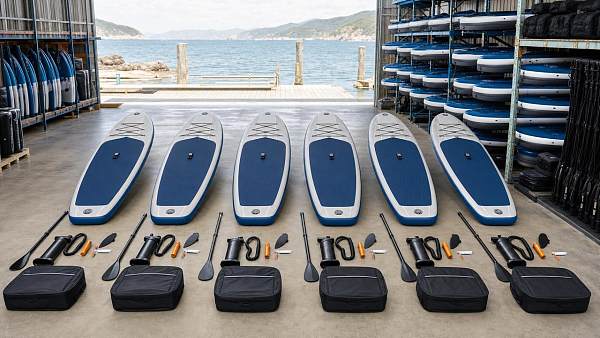
Inflatable paddle boards commercial buyers often overlook this
Many buyers evaluating inflatable paddle boards commercial options focus on price, dimensions, and branding, yet overlook the factors that most affect long-term value: material durability, safety compliance, storage efficiency, and supplier consistency. For commercial operators, these details directly shape customer experience, replacement costs, and operational reliability—making them essential before any sourcing decision is made.
Why do commercial buyers miss the real decision factors?
In the inflatable paddle boards commercial market, initial comparisons often look deceptively simple. A sourcing team may request length, width, thickness, logo options, and a target price, then shortlist suppliers based on quotation speed. That approach works for low-risk consumer retail, but it is weak for resorts, leisure operators, rental fleets, educational programs, and water activity venues where boards are used repeatedly by different users with different skill levels.
Commercial purchasing is not just about acquiring a board. It is about protecting uptime, user safety, storage space, maintenance budgets, and brand reputation. If a board deforms after one season, if valves fail during peak summer demand, or if the traction pad detaches under heavy use, the true cost appears long after the invoice is paid.
This is where information researchers need a sharper framework. Global Commercial Trade supports sourcing decisions by looking beyond headline specifications and into the commercial realities that matter across hospitality, institutional procurement, recreation, and premium customer experience design.
- High-use environments expose weak seams, low-density drop-stitch cores, and inconsistent accessory quality much faster than private ownership does.
- Commercial programs need predictable replenishment, packaging consistency, and documented production controls, not just attractive samples.
- The buyer often answers to operations, safety, finance, and guest experience teams at the same time, so the decision criteria must be broader.
The most commonly overlooked areas
When reviewing inflatable paddle boards commercial supply options, four areas tend to be underestimated: material construction, compliance readiness, storage and handling efficiency, and supplier continuity. These are not secondary details. They are the foundation of lifecycle value.
What makes an inflatable paddle board truly commercial grade?
A commercial-grade inflatable paddle board is designed for frequent use, variable users, repeated inflation cycles, and rougher handling during transport and storage. It should not be judged by cosmetic appearance alone. Construction choices determine how long the board keeps shape, pressure stability, and deck comfort.
The table below highlights the key technical and operational differences that matter when assessing inflatable paddle boards commercial procurement programs.
For an information researcher, the insight is simple: commercial suitability is not a marketing phrase. It is a combination of structural durability, repeatable quality, serviceability, and practical fleet management.
Technical points worth asking suppliers about
- Drop-stitch density and whether the board is optimized for stiffness at normal operating PSI, not just maximum PSI claims.
- Rail construction method and whether seam reinforcement is designed for repeated folding and transport.
- Valve brand compatibility, replacement availability, and maintenance guidance for fleet use.
- Deck pad adhesion and performance in wet, high-UV, or high-salinity environments.
Which commercial scenarios require different board specifications?
Not every inflatable paddle boards commercial project needs the same product profile. A beach resort, a school program, and an urban leisure operator may all buy inflatable SUP boards, but their risk exposure and operating model differ. Matching the board to the usage environment reduces replacement frequency and improves user satisfaction.
The following table can help buyers connect application scenarios with more practical sourcing priorities.
This scenario-based approach matters because the wrong board often fails operationally before it fails physically. A model that looks fine in a brochure may still be too narrow for beginners, too difficult to stack efficiently, or too fragile for back-to-back rentals.
How hospitality and leisure buyers should think differently
In experience-driven sectors, the board is part of the service environment. That means appearance, safety cues, easy onboarding, and low downtime all contribute to perceived quality. GCT’s cross-sector perspective is useful here because hospitality procurement is rarely isolated from space planning, guest flow, storage constraints, or brand positioning.
How should buyers evaluate durability, safety, and compliance?
Durability claims are easy to make and hard to verify without the right questions. Buyers of inflatable paddle boards commercial programs should ask how the board behaves under repeated inflation cycles, exposure to sunlight, movement across docks or sand, and storage in humid or marine environments. They should also ask what documentation the supplier can provide for materials and product controls.
Requirements vary by region and buyer type, but commercial procurement often benefits from checking general product safety practices, material declarations where relevant, labeling clarity, and accessory suitability. If boards are supplied to resorts, schools, or institutions, procurement teams may also need stronger traceability and packaging consistency.
- Request material and construction details in writing, including rail reinforcement and deck pad bonding method.
- Confirm whether pumps, leashes, fins, and repair kits are standardized across the batch.
- Review packaging specifications if the goods are for export, long-haul storage, or multi-site deployment.
- Ask how defects are handled across shipment batches and whether replacement components are stocked.
Compliance is also a sourcing efficiency issue
Many buyers treat compliance as a final checkpoint. In reality, it should be part of the early screening process. A supplier that cannot communicate clearly about materials, documentation, packaging, and market-specific expectations may create delays later. For commercial projects tied to opening dates or seasonal operations, delay risk can be as damaging as product risk.
What should be included in a practical procurement checklist?
Information researchers often need a way to turn broad evaluation criteria into a shortlist method. The table below is designed for inflatable paddle boards commercial sourcing and can be used during early supplier comparison.
A checklist like this keeps the sourcing conversation commercial, not superficial. It also helps internal teams compare offers on operating value instead of invoice price alone.
A useful internal scoring method
- Assign weight to durability if the boards will be rented frequently.
- Assign weight to storage and handling if site space is limited or staff turnover is high.
- Assign weight to documentation and packaging if the goods are entering regulated institutional or multi-country channels.
What cost issues are hidden behind a low quote?
A lower ex-factory price may still produce a higher total ownership cost. In inflatable paddle boards commercial sourcing, replacement cycles, freight efficiency, packaging losses, downtime, and maintenance labor all influence the true project budget. This is especially relevant for operators running seasonal programs, where one failed shipment can mean lost revenue during peak demand.
Commercial buyers should compare not only unit price but also how long the board is expected to remain fleet-ready, how quickly spare parts can be supplied, and how much training staff need to inflate, inspect, store, and repair the products correctly.
Common hidden cost drivers
- Frequent replacement due to seam issues or deck wear after one operating season.
- Higher labor time because bags, pumps, or fins are poorly standardized.
- Storage inefficiency caused by bulky packaging or inconsistent folding dimensions.
- Guest complaints or training disruptions when boards vary noticeably within the same batch.
For researchers building a business case, it helps to think in seasons, not transactions. A board that costs moderately more but survives longer and behaves more predictably often protects margins better.
FAQ: what do buyers ask before selecting inflatable paddle boards commercial supply?
How do I know if a board is suitable for rental or hospitality use?
Ask for details on reinforcement, wear surfaces, accessory consistency, and after-sales parts availability. A board intended for commercial use should be designed for repetitive handling, variable users, and frequent inflation cycles. It should also fit your operating model, whether that means easier stacking, stronger traction, or more forgiving stability for first-time riders.
What dimensions are usually safer for mixed-skill commercial users?
There is no single answer, but commercial programs often prefer shapes that favor stability over speed. Wider platforms can support beginners, training sessions, and hospitality users more comfortably. The correct choice depends on your water conditions, rider profile, and whether the board is for recreation, lessons, or guided experiences.
Should I prioritize branding or technical construction first?
Technical construction should come first. Branding matters for guest-facing or retail-integrated environments, but weak construction will damage the brand faster than plain graphics ever could. Start with structure, durability, and consistency, then refine appearance and packaging.
What lead-time questions matter most?
Beyond production days, ask about peak-season capacity, accessory synchronization, packaging completion, sampling time, and replenishment speed for repeat orders. Commercial procurement often fails not because of one late board, but because one late component holds the shipment.
Why work with GCT when researching commercial paddle board sourcing?
Commercial buyers rarely purchase in isolation. They source within larger projects shaped by hospitality standards, institutional requirements, leisure operations, and premium experience goals. GCT helps connect product evaluation with those broader business realities, making research more practical and less fragmented.
Instead of reducing the inflatable paddle boards commercial conversation to unit price and logo placement, GCT supports deeper sourcing judgment around compliance expectations, quality consistency, use-case fit, supplier communication, and project-level procurement logic. That is especially useful for buyers who need to compare several markets, vendors, or program types before moving to RFQ.
Why choose us
If you are screening inflatable paddle boards commercial supply for resorts, rental fleets, educational programs, leisure parks, or branded recreation projects, GCT can help structure the decision. You can consult on parameter confirmation, material and construction comparison, suitable board profiles for your user group, expected delivery windows, custom branding feasibility, packaging requirements, sample planning, and documentation expectations for your target market.
For teams moving from early research to supplier engagement, we can also help refine your selection checklist, shortlist evaluation points, and quotation comparison framework so that price, durability, compliance readiness, and operational value are reviewed together. That leads to better sourcing conversations and fewer surprises after order placement.
Search News
Hot Articles
- Stationery & UniformsHow Schools Can Cut Printing Costs When Buying Ink Cartridges in BulkSep 21, 2026
- Jewelry Packaging & DisplayHow to Evaluate a Luxury Retail Packaging Supplier for Premium Brand ConsistencySep 20, 2026
- Commercial KitchenHow to Select a Spiral Dough Mixer for Bakery Batch Size and Dough HydrationSep 19, 2026
Popular Tags
Need ExpertConsultation?
Connect with our specialized leisureengineering team for procurementstrategies.
Recommended News
 Aug 19, 2026How to Choose Commercial Carpet Tiles for Hospitality Projects by Traffic and Maintenance NeedsCommercial carpet tiles hospitality buyers trust should match traffic, maintenance, and lifecycle cost. Learn how to specify durable, guest-ready flooring with confidence.● Hospitality Sourcing Dir
 Aug 15, 2026How to Evaluate Commercial Product Compliance for Hospitality Procurementcommercial product compliance hospitality guide to evaluating supplier documents, reducing risk, and choosing compliant products that protect guest safety and project timelines.● Hospitality Sourcing Dir
 Aug 10, 2026What Does Global Hospitality Procurement Cover and How to Reduce Sourcing Risk?Global hospitality procurement covers supplier screening, compliance, quality control, and logistics. Learn practical ways to reduce sourcing risk, avoid delays, and protect hotel project outcomes.● Hospitality Sourcing Dir
 Aug 07, 2026Hotel Operations Standards Explained: Key SOPs, Audits, and Compliance BasicsHotel operations standards explained clearly: learn the key SOPs, audit methods, and compliance basics that help hotels reduce risk, improve consistency, and strengthen guest experience.● Hospitality Sourcing Dir
 Jul 13, 2026Hotel Operations Metrics That Matter: Occupancy, ADR, RevPAR, and Labor CostHotel operations metrics explained: learn how occupancy, ADR, RevPAR, and labor cost shape revenue, staffing efficiency, and smarter hotel performance decisions.● Hospitality Sourcing Dir
 Jun 27, 2026Hotel Operations Management Basics: Key Departments, KPIs, and Daily WorkflowsHotel operations management made simple: explore key hotel departments, essential KPIs, and daily workflows that improve guest satisfaction, efficiency, and profitability.● Hospitality Sourcing Dir
 Jun 24, 2026Commercial Hospitality Procurement: What to Source First for Hotel OpeningsCommercial hospitality procurement starts with the right categories. Learn what hotels should source first to protect timelines, compliance, and opening readiness.● Hospitality Sourcing Dir
 Jun 05, 2026Safari Tents Wholesale: How to Compare Frame Materials, Sizes, and MOQSafari tents wholesale guide: compare frame materials, tent sizes, and MOQ to reduce sourcing risk, control costs, and choose a scalable supplier for profitable hospitality projects.● Hospitality Sourcing Dir
 May 18, 2026How to judge simultaneous interpretation equipment qualitySimultaneous interpretation equipment quality affects clarity, stability, and event success. Learn the key checklist, testing points, and sourcing tips to choose with confidence.● Hospitality Sourcing Dir
 May 18, 2026What to check before choosing tour guide systems wholesaleTour guide systems wholesale: learn what to check before buying, from audio stability and certifications to battery life, customization, and supplier support.● Hospitality Sourcing Dir
 May 13, 2026China's MCT Launches 'Travel Services' Overseas Compliance GuideChina's MCT Travel Services Compliance Guide: Essential for sports tourism, study-abroad & customized tour operators expanding to EU/US markets under GDPR, CCPA & CSDDD.● Hospitality Sourcing Dir
 May 09, 2026Inflatable clear bubble tents and the privacy trade-offInflatable clear bubble tents offer immersive appeal, but is the privacy trade-off worth it? Explore scenario-based insights for resorts, events, dining, and public spaces.● Hospitality Sourcing Dir
 May 09, 2026Camping glamping tents: what guests notice before anything elseCamping glamping tents guests love start with first impressions—space, privacy, materials, light, and comfort. Discover what buyers should prioritize to boost appeal and bookings.● Hospitality Sourcing Dir
 May 09, 2026Safari tents wholesale and the weatherproofing details that matterSafari tents wholesale buyers now prioritize weatherproofing. Learn which waterproof, windproof, ventilation, and corrosion details reduce risk, protect uptime, and improve long-term value.● Hospitality Sourcing Dir
 May 09, 2026Geodesic dome tents: are they practical for year-round stays?Geodesic dome tents can work for year-round stays—but only with the right insulation, ventilation, and structural planning. Discover what makes them practical, comfortable, and cost-effective.● Hospitality Sourcing Dir
 May 09, 2026Inflatable paddle boards commercial buyers often overlook thisInflatable paddle boards commercial buyers often miss the factors that drive long-term value—durability, safety, compliance, and supplier consistency. Learn what to check before you buy.● Hospitality Sourcing Dir
 May 09, 2026Why ski resort equipment budgets often miss hidden costsSki resort equipment budgets often miss freight, installation, compliance, and service costs. Learn the hidden drivers behind overruns and budget smarter for stronger ROI.● Hospitality Sourcing Dir
 May 09, 2026Artificial snow mats vs real snow for beginner ski zonesArtificial snow mats vs real snow: discover which option gives beginner ski zones safer training, longer seasons, lower operating risk, and stronger commercial value.● Hospitality Sourcing Dir
 Apr 25, 2026Discover the Best of the Silk Road: Top Xi'an Hot Tourism Routes for 2026● Hospitality Sourcing Dir
 Apr 22, 2026Peak of China: The Ultimate 7-Day Central Plains Heritage Odyssey 2026Plan a 7-day Henan heritage tour in 2026 with Luoyang, Shaolin Temple and Kaifeng highlights, plus visa-free transit and rail tips.● Hospitality Sourcing Dir