Geodesic dome tents: are they practical for year-round stays?
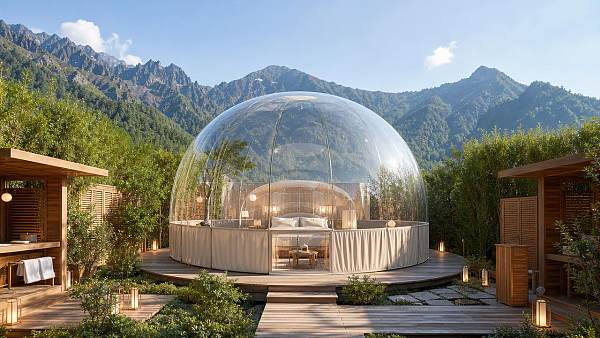
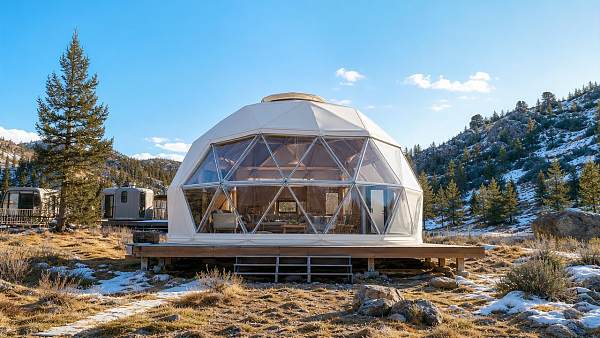
Geodesic dome tents are increasingly promoted as premium all-season spaces for glamping resorts, outdoor hospitality, event venues, eco-retreats, and even remote living. The visual appeal is undeniable: a distinctive curved profile, panoramic views, and efficient interior volume. Yet the practical question remains the same across most commercial and mixed-use applications: are geodesic dome tents truly suitable for year-round stays? The answer depends less on the shape alone and far more on insulation strategy, structural specification, local climate, utilities, maintenance planning, and long-term operating economics. For anyone evaluating geodesic dome tents as a serious accommodation or commercial space solution, a structured review is essential before committing to design, sourcing, or installation.
A checklist-based approach matters because geodesic dome tents can perform very differently from one project to another. Two domes may look nearly identical in marketing photos, yet one may be comfortable through winter storms while the other struggles with condensation, heat loss, and repeated fabric repairs. In hospitality, education, leisure, and broader commercial projects, year-round practicality is not just about whether a dome can stand outdoors. It is about whether occupants can remain safe, comfortable, and operationally supported in every season without excessive energy use, downtime, or maintenance cost.
What determines whether geodesic dome tents work all year?
The practical performance of geodesic dome tents comes down to the interaction between structure, envelope, site, systems, and use pattern. A dome used occasionally for weekend stays in a mild climate has a very different requirement profile from a dome expected to host guests continuously through snow, wind, humidity, or summer heat. This is why a simple “four-season” label is not enough. A proper review should focus on measurable factors such as wind rating, snow load, thermal resistance, ventilation design, moisture control, access to utilities, and replacement cycles for membranes, windows, and seals.
For commercial decision-making, geodesic dome tents should be assessed as part tent, part lightweight building, and part experience product. Their practicality for year-round stays improves significantly when the design is tailored to a specific site and operating model instead of relying on generic specifications.
Core points to check before choosing geodesic dome tents for year-round stays
- Confirm the climate profile first, including annual temperature range, snow load, wind exposure, humidity levels, UV intensity, and storm frequency at the exact installation site.
- Verify structural engineering data for the frame, connectors, anchors, and foundation interface rather than relying only on brochure claims about all-season durability.
- Check the insulation system in full, including wall layers, roof layers, thermal breaks, door seals, window performance, and floor insulation details.
- Review condensation control carefully, because geodesic dome tents can trap warm moist air unless ventilation, vapor management, and internal air circulation are planned properly.
- Assess heating and cooling loads based on occupancy, glazing area, internal equipment, and local weather, not on nominal floor area alone.
- Inspect membrane material quality, including fire rating, UV resistance, tear strength, coating durability, cleanability, and expected service life under real exposure conditions.
- Examine windows and skylights closely, since transparent sections often become the weakest points for heat gain, heat loss, leakage, and condensation.
- Confirm whether the flooring system can support long-term use, moisture protection, underfloor insulation, and interior finishing without sagging or cold bridging.
- Check utility integration early, including electrical routing, plumbing freeze protection, wastewater handling, internet access, and backup power for critical systems.
- Review code compliance requirements for the target jurisdiction, especially fire safety, emergency egress, occupancy rules, and permit classification.
- Estimate maintenance frequency for fabrics, seals, zippers, fasteners, HVAC filters, and external cleaning, because year-round use accelerates wear significantly.
- Compare lifecycle cost instead of purchase price alone, including replacement components, seasonal energy demand, labor, downtime, and guest comfort impact.
How geodesic dome tents perform in different real-world settings
Glamping and resort accommodation
In glamping and resort use, geodesic dome tents can be practical for year-round stays when the guest experience has been engineered around climate comfort rather than only aesthetics. A dome in a mild coastal or temperate mountain environment may perform well with multilayer insulation, efficient HVAC, elevated flooring, and controlled ventilation. However, large panoramic windows can quickly undermine performance if solar gain and nighttime heat loss are not managed with high-performance glazing and shading.
For hospitality projects, operational continuity is just as important as comfort. Cleaning access, mold prevention, acoustic control, and quick turnaround between stays should all be reviewed. Geodesic dome tents used continuously by guests need a stronger interior finish strategy than domes used occasionally for events.
Remote living and staff housing
For remote living, site isolation changes the calculation. Geodesic dome tents may be practical if they are paired with robust foundations, dependable off-grid utilities, and redundancy for heating, water, and power. In cold regions, weak insulation or unreliable heating turns a dome into a high-maintenance shelter rather than a stable living space. In very hot regions, cooling loads and interior overheating become the dominant challenge.
Long-term occupancy also increases demand for storage, privacy, kitchen ventilation, bathroom moisture control, and durable interior surfaces. A dome that looks spacious in photos may feel limited for extended daily living unless furniture layout and service zones are planned carefully.
Event, leisure, and hybrid commercial spaces
In amusement, leisure, education, and event-related settings, geodesic dome tents often succeed as multipurpose spaces that host seasonal programs, dining, exhibitions, lounges, or wellness activities. Their year-round practicality depends on whether occupancy is intermittent or continuous. Intermittent use allows more flexibility, while daily use requires more building-like performance from insulation, access, drainage, and climate control systems.
If the dome will host audiences, equipment, or commercial fixtures, floor loading, emergency exits, acoustics, and HVAC distribution must be treated seriously. Shape alone does not guarantee practical all-season operation.
Commonly overlooked issues that affect year-round practicality
Condensation is often a bigger problem than rain leakage
Many geodesic dome tents fail in year-round use not because water enters from outside, but because moisture builds up inside. Cooking, bathing, breathing, and wet clothing all increase indoor humidity. Without proper ventilation and thermal control, condensation can form on membranes, frames, and glazing, leading to mold, discomfort, staining, and reduced material life.
Heating costs can rise faster than expected
Even though geodesic dome tents are structurally efficient, their thermal performance depends heavily on envelope quality. Large clear panels, lightweight skins, and air leakage can cause high winter heating demand. Buyers often underestimate the cost of maintaining stable indoor temperatures through cold nights or shoulder seasons.
Summer comfort may require more than fans and open vents
In sunny climates, geodesic dome tents can heat up quickly, especially with dark flooring, direct glazing, and limited shade. Passive ventilation helps, but it may not be enough in humid or low-wind conditions. Cooling strategy should include orientation, reflective outer materials, shading devices, and mechanical support where needed.
Fabric and seal replacement should be budgeted from day one
Unlike permanent masonry or steel-clad buildings, geodesic dome tents include exposed soft components that age under UV, wind friction, dirt, and repeated weather cycling. Membranes, transparent panels, gaskets, and zippers all have service lives. Ignoring replacement schedules can disrupt operations and erode long-term value.
Permits and insurance may not follow tent marketing language
A product sold as a tent may still be treated by authorities or insurers as a semi-permanent or occupied structure. Fire resistance, anchoring, occupancy load, and sanitation standards may all apply. Practical year-round use requires documentation that goes beyond product appearance and promotional labels.
Practical steps to improve the performance of geodesic dome tents
- Match dome specification to microclimate, not just region. Valley frost, coastal wind, and mountain snow can vary greatly within the same destination.
- Use insulated flooring and a moisture-managed foundation system to reduce heat loss, improve comfort, and protect interior finishes over time.
- Limit oversized transparent sections unless they use high-performance glazing and are paired with shading, curtains, or seasonal thermal control measures.
- Specify mechanical ventilation or dehumidification where occupancy is frequent, especially for domes with bathrooms, kitchens, or spa-related functions.
- Plan service access for repairs and cleaning so membranes, windows, HVAC units, and roof areas can be maintained without major operational disruption.
- Request real project references in similar climates to verify how geodesic dome tents actually perform through multiple seasons in the field.
Are geodesic dome tents practical for year-round stays?
Yes, geodesic dome tents can be practical for year-round stays, but only when they are specified and operated as climate-responsive structures rather than decorative shelters. In moderate climates and well-designed hospitality environments, they can deliver strong experiential value with acceptable comfort and operating performance. In harsher climates, they remain viable only if insulation, ventilation, utilities, anchoring, and maintenance are treated with the same seriousness applied to permanent commercial spaces.
The key point is that geodesic dome tents are not automatically practical just because they are marketed as four-season products. Their success depends on disciplined evaluation, realistic performance targets, and careful sourcing. A visually impressive dome that lacks proper thermal control or service planning may become expensive to run and difficult to maintain, while a correctly specified dome can support profitable and reliable year-round use.
Final decision and next steps
Before selecting geodesic dome tents for year-round stays, gather site climate data, define occupancy patterns, list utility constraints, and compare full lifecycle costs against alternative modular or lightweight building systems. Then review frame engineering, insulation layers, weatherproofing, condensation control, and compliance documentation in one decision matrix rather than as separate issues. This approach reduces risk and makes it easier to identify whether a dome solution truly fits the intended commercial experience.
When geodesic dome tents are aligned with climate, comfort expectations, and maintenance capacity, they can be a practical and distinctive all-season solution. The smartest next step is a specification-first review: test the dome against your site, your operating model, and your long-term cost assumptions before moving into procurement or installation.
Search News
Hot Articles
Popular Tags
Need ExpertConsultation?
Connect with our specialized leisureengineering team for procurementstrategies.
Recommended News
![]() Aug 07, 2026Hotel Operations Standards Explained: Key SOPs, Audits, and Compliance BasicsHotel operations standards explained clearly: learn the key SOPs, audit methods, and compliance basics that help hotels reduce risk, improve consistency, and strengthen guest experience.● Hospitality Sourcing Dir
Aug 07, 2026Hotel Operations Standards Explained: Key SOPs, Audits, and Compliance BasicsHotel operations standards explained clearly: learn the key SOPs, audit methods, and compliance basics that help hotels reduce risk, improve consistency, and strengthen guest experience.● Hospitality Sourcing Dir![]() Jul 13, 2026Hotel Operations Metrics That Matter: Occupancy, ADR, RevPAR, and Labor CostHotel operations metrics explained: learn how occupancy, ADR, RevPAR, and labor cost shape revenue, staffing efficiency, and smarter hotel performance decisions.● Hospitality Sourcing Dir
Jul 13, 2026Hotel Operations Metrics That Matter: Occupancy, ADR, RevPAR, and Labor CostHotel operations metrics explained: learn how occupancy, ADR, RevPAR, and labor cost shape revenue, staffing efficiency, and smarter hotel performance decisions.● Hospitality Sourcing Dir Jun 27, 2026Hotel Operations Management Basics: Key Departments, KPIs, and Daily WorkflowsHotel operations management made simple: explore key hotel departments, essential KPIs, and daily workflows that improve guest satisfaction, efficiency, and profitability.● Hospitality Sourcing Dir
 Jun 24, 2026Commercial Hospitality Procurement: What to Source First for Hotel OpeningsCommercial hospitality procurement starts with the right categories. Learn what hotels should source first to protect timelines, compliance, and opening readiness.● Hospitality Sourcing Dir
 Jun 05, 2026Safari Tents Wholesale: How to Compare Frame Materials, Sizes, and MOQSafari tents wholesale guide: compare frame materials, tent sizes, and MOQ to reduce sourcing risk, control costs, and choose a scalable supplier for profitable hospitality projects.● Hospitality Sourcing Dir
 May 18, 2026How to judge simultaneous interpretation equipment qualitySimultaneous interpretation equipment quality affects clarity, stability, and event success. Learn the key checklist, testing points, and sourcing tips to choose with confidence.● Hospitality Sourcing Dir
 May 18, 2026What to check before choosing tour guide systems wholesaleTour guide systems wholesale: learn what to check before buying, from audio stability and certifications to battery life, customization, and supplier support.● Hospitality Sourcing Dir
 May 13, 2026China's MCT Launches 'Travel Services' Overseas Compliance GuideChina's MCT Travel Services Compliance Guide: Essential for sports tourism, study-abroad & customized tour operators expanding to EU/US markets under GDPR, CCPA & CSDDD.● Hospitality Sourcing Dir
 May 09, 2026Inflatable clear bubble tents and the privacy trade-offInflatable clear bubble tents offer immersive appeal, but is the privacy trade-off worth it? Explore scenario-based insights for resorts, events, dining, and public spaces.● Hospitality Sourcing Dir
 May 09, 2026Camping glamping tents: what guests notice before anything elseCamping glamping tents guests love start with first impressions—space, privacy, materials, light, and comfort. Discover what buyers should prioritize to boost appeal and bookings.● Hospitality Sourcing Dir
 May 09, 2026Safari tents wholesale and the weatherproofing details that matterSafari tents wholesale buyers now prioritize weatherproofing. Learn which waterproof, windproof, ventilation, and corrosion details reduce risk, protect uptime, and improve long-term value.● Hospitality Sourcing Dir
 May 09, 2026Geodesic dome tents: are they practical for year-round stays?Geodesic dome tents can work for year-round stays—but only with the right insulation, ventilation, and structural planning. Discover what makes them practical, comfortable, and cost-effective.● Hospitality Sourcing Dir
 May 09, 2026Inflatable paddle boards commercial buyers often overlook thisInflatable paddle boards commercial buyers often miss the factors that drive long-term value—durability, safety, compliance, and supplier consistency. Learn what to check before you buy.● Hospitality Sourcing Dir
 May 09, 2026Why ski resort equipment budgets often miss hidden costsSki resort equipment budgets often miss freight, installation, compliance, and service costs. Learn the hidden drivers behind overruns and budget smarter for stronger ROI.● Hospitality Sourcing Dir
 May 09, 2026Artificial snow mats vs real snow for beginner ski zonesArtificial snow mats vs real snow: discover which option gives beginner ski zones safer training, longer seasons, lower operating risk, and stronger commercial value.● Hospitality Sourcing Dir
 Apr 25, 2026Discover the Best of the Silk Road: Top Xi'an Hot Tourism Routes for 2026● Hospitality Sourcing Dir
 Apr 22, 2026Peak of China: The Ultimate 7-Day Central Plains Heritage Odyssey 2026Plan a 7-day Henan heritage tour in 2026 with Luoyang, Shaolin Temple and Kaifeng highlights, plus visa-free transit and rail tips.● Hospitality Sourcing Dir