Camping glamping tents: what guests notice before anything else
When people evaluate camping glamping tents, the first judgment is rarely about thread count, minibar choices, or even the exact nightly rate. Guests usually decide within seconds whether a tent feels desirable, safe, private, and worth the premium. That first impression is shaped by visible size, silhouette, entrance design, fabric quality, interior light, spacing from neighboring units, and the way the tent sits within the landscape.
For operators, developers, and sourcing teams, this matters because glamping is sold before it is experienced. A guest books based on photos, arrives with expectations, and immediately checks whether reality matches the promise. If the tent looks cramped, exposed, cheaply finished, or visually disconnected from the setting, perceived value drops before the guest opens the door. If it looks intentional, comfortable, and quietly luxurious, satisfaction starts earlier and pricing power becomes easier to defend.
The practical takeaway is simple: the most successful camping glamping tents are not just weatherproof shelters. They are visual and spatial products designed to signal comfort, exclusivity, and trust at first glance. Buyers comparing options should therefore prioritize what guests notice instantly, not only what appears in technical specifications.
Why first impressions matter so much in glamping
Traditional camping can tolerate a degree of roughness because the experience is built around simplicity and self-sufficiency. Glamping operates differently. Guests are paying for nature without giving up emotional comfort, aesthetic pleasure, and a sense of hospitality. That means the tent itself functions as both accommodation and brand message.
Before guests test the mattress or bathroom fittings, they ask a rapid set of visual questions: Is it beautiful? Does it feel private? Will it be hot, cold, dark, damp, or noisy? Is it big enough for luggage, children, or a longer stay? Does it look premium or improvised? These judgments happen almost automatically and they strongly influence online reviews, social sharing, and willingness to return.
For commercial buyers, this is why product selection should begin with guest perception. A tent that is technically durable but visually underwhelming may satisfy procurement checklists while disappointing the market. In glamping, design credibility and operational performance must work together from the first second of arrival.
What guests notice first: the exterior shape and silhouette
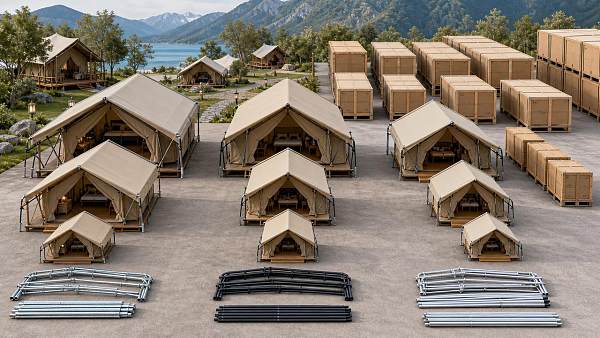
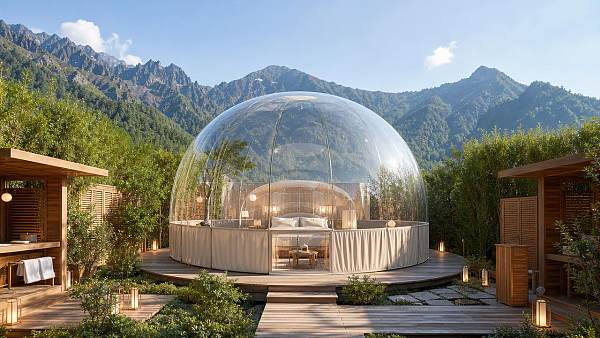
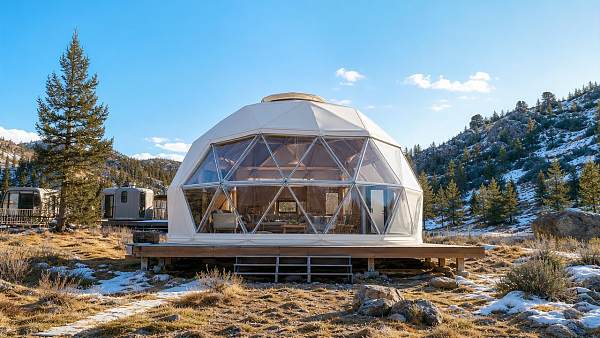
The overall form of a tent is often the very first thing guests register, both online and on site. Bell tents, safari tents, domes, cabin-style structures, ridge tents, and tensile luxury units all create different emotional signals. Some feel adventurous and romantic. Others feel architectural, futuristic, or family-oriented. The silhouette sets expectations before guests come close enough to inspect details.
A strong silhouette does three jobs at once. First, it photographs well for marketing. Second, it gives the unit a clear identity that stands apart from ordinary camping gear. Third, it helps justify rate positioning. If the outline looks too similar to a basic recreational tent, guests may question why they are paying a hospitality-level price.
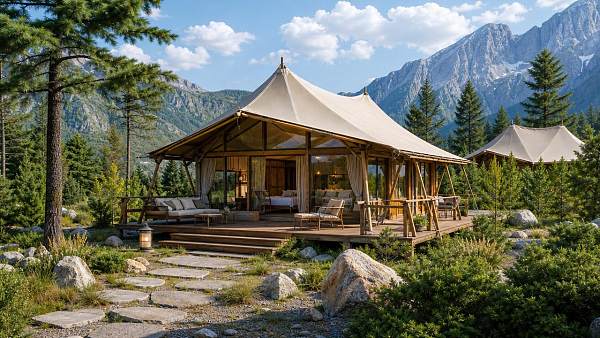
This does not mean every property needs the most unusual design. In many cases, a timeless safari or lodge-style format performs better than a novelty shape because it signals space, stability, and comfort. The key is fit. A forest retreat, desert camp, mountain resort, or coastal eco-lodge may each require a different visual language. The best camping glamping tents look like they belong exactly where they are placed.
Perceived space matters before actual square footage does
Guests are highly sensitive to spatial cues. Even before entering, they estimate how roomy the interior will feel based on wall height, roof pitch, door scale, window placement, and deck proportion. A tent may offer acceptable measured floor area, but if the roof drops too quickly or the entrance looks narrow, it can still feel restrictive.
That is why vertical volume matters almost as much as footprint. High center ceilings, upright walls, and a clear visual line from entrance to sleeping area make a tent feel more generous. This is especially important for premium and family segments, where guests expect room to move, unpack, and relax without feeling they are “making do.”
Buyers should be careful not to judge only by listed dimensions. Ask how much of the floor area is truly usable, whether furniture placement reduces movement, and whether standing height extends beyond a small center zone. If a guest has to crouch around the bed edges or struggles to manage luggage, the tent will not feel luxurious no matter how attractive the brochure sounds.
Materials send an immediate message about quality
Most guests cannot identify fabric weights, coating systems, or frame engineering in technical terms. But they can instantly sense whether materials look robust and premium or thin and temporary. Canvas texture, stitching neatness, zipper quality, wood finishes, window framing, and hardware choice all communicate quality before a single feature is tested.
Cheap-looking materials create several negative assumptions at once. Guests may worry about heat retention, rain resistance, insect control, hygiene, and long-term maintenance. Even if those fears are not fully justified, perception affects trust. In hospitality, trust is part of the product.
Commercial buyers should therefore assess materials from both performance and visual standpoints. A successful glamping structure must withstand weather, UV exposure, transport, and repeated turnover, but it must also present well in natural light and close-up photography. Materials that age poorly can erode guest confidence over time, especially at corners, seams, flooring transitions, and entrance points where wear becomes most visible.
Privacy is visible long before it is experienced
Privacy is one of the most underestimated elements in glamping tent selection. Guests notice distance between units, doorway orientation, deck exposure, window transparency, and landscaping buffers almost immediately. Even a beautiful tent can lose appeal if it appears overly exposed to neighboring guests or service routes.
This is especially important because glamping guests often seek a balance between immersion in nature and personal retreat. They want openness to the landscape, not constant visibility to strangers. If they suspect they will hear every conversation next door or be seen while relaxing outside, the sense of escape weakens.
For operators, privacy is not just a site-planning issue. Tent design contributes directly through vestibules, partition options, covered porches, layered entrances, and strategic window placement. Buyers evaluating camping glamping tents should consider how much privacy the unit itself can create even on tighter land layouts. This can protect guest satisfaction where spacing is constrained.
Windows, light, and views shape emotional value
Natural light is one of the fastest ways a guest decides whether a tent feels uplifting or disappointing. Bright interiors read as clean, spacious, and welcoming. Dark interiors, unless intentionally dramatic, often feel smaller and less premium. The right window design can transform perceived value without dramatically increasing structural complexity.
However, more glazing is not automatically better. Guests want views, but they also want temperature control, privacy, and restful sleep. The best solutions balance panoramic appeal with practical shading, ventilation, and selective screening. A tent that frames sunrise beautifully but becomes an overheated greenhouse by mid-morning may generate impressive photos but weaker reviews.
When sourcing units, buyers should assess window placement from the guest’s actual line of sight: from the bed, seating area, bath access, and entry. A thoughtfully framed landscape view can elevate a stay. Poorly placed openings that face roads, back-of-house zones, or neighboring decks undermine the entire atmosphere.
The entrance experience influences perceived hospitality
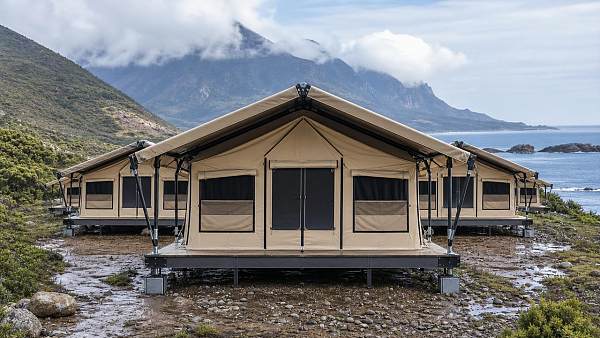
The transition from outside to inside is a major first-impression moment. Guests notice whether the entrance feels ceremonial and welcoming or awkward and utilitarian. A stable deck, clean threshold, weather-protected doorway, and easy-open entry system all signal preparedness and care.
Many operational headaches also show up here first. Muddy transitions, flapping door panels, weak fasteners, difficult zippers, and poorly protected entry points make a tent feel less refined. Guests may interpret these details as signs of broader quality issues, even if the interior is well furnished.
From a commercial perspective, the entrance should support both emotional arrival and daily operations. It should handle luggage movement, housekeeping access, rain events, and repeated use without deteriorating quickly. This is one area where a small investment in better design and hardware often produces visible gains in guest perception.
Interior layout often matters more than décor alone
Décor attracts attention online, but layout determines whether the space works in real use. Guests first notice whether the room feels intuitive. Can they enter without stepping directly into the bed? Is there space to place bags? Is seating usable, not decorative? Can two people move comfortably at once?
In many underperforming glamping units, the problem is not lack of styling but lack of planning. Operators may install attractive bedding, rugs, and lighting, yet guests still feel cramped because circulation is poor. If the bed blocks storage, or the restroom route feels awkward, the tent loses functional credibility.
For buyers, this means sample walk-throughs and plan reviews are essential. Ask suppliers for furniture-ready layouts, not empty-shell dimensions only. A commercially successful glamping tent must support the operating model, guest profile, and average stay length. Couples on short romantic stays, families with children, and high-end eco-travelers all use space differently.
Thermal comfort and weather confidence are part of visual trust
Guests often judge climate comfort before they experience the local temperature. They look at roof thickness, ventilation openings, shade coverage, floor elevation, liner quality, and the general sturdiness of the structure. If a tent appears flimsy or poorly sealed, they may assume it will be too hot, too cold, or too noisy in bad weather.
This matters because glamping is often sold in destinations with strong sun, rain, wind, humidity, or cool nights. The tent must reassure guests visually that they will remain comfortable. A solid frame, tensioned fabric, proper fly systems, elevated platforms, and controlled ventilation all contribute to that reassurance.
For sourcing decisions, thermal and weather performance should be translated into guest-facing outcomes. Instead of thinking only in engineering terms, buyers should ask: will this tent look cool and airy in summer marketing images, feel secure during storms, and maintain a premium appearance after seasonal use? The best camping glamping tents perform technically while visibly suggesting comfort and resilience.
Bathrooms and service integration can make or break premium perception
In higher-value glamping, bathroom expectations begin before guests enter the unit. They want to know whether the accommodation is self-contained, how the wet area connects to the sleeping space, and whether plumbing additions look integrated or improvised. A premium tent paired with a visibly awkward bathroom solution creates brand tension.
Where ensuite facilities are included, transitions should feel intentional. Flooring, drainage design, privacy partitions, ventilation, and material changes must look clean and durable. Where detached bathrooms are used, the path, cover, lighting, and privacy become part of the experience. Guests quickly notice whether the arrangement feels luxurious, acceptable, or inconvenient.
Operators and buyers should also consider hidden service needs: water, power, waste systems, cleaning access, and maintenance frequency. A tent that looks excellent on opening day but is difficult to service will often lose presentation quality fast. Long-term guest perception depends on how well the design supports operations behind the scenes.
How buyers should evaluate camping glamping tents beyond the brochure
For information researchers, the most useful evaluation method is to think like both guest and operator. The guest asks, “Would I feel excited, comfortable, and protected here?” The operator asks, “Will this unit photograph well, justify our rate, hold up in climate conditions, and remain efficient to run?” A good sourcing decision satisfies both.
During evaluation, focus on five practical areas. First, visual impact: does the tent look premium and distinctive in its intended setting? Second, usable comfort: does the layout support real hospitality use? Third, privacy and placement: can the unit preserve exclusivity across the site? Fourth, durability and maintenance: will materials age well? Fifth, commercial fit: does the structure align with target market, ADR strategy, and operating complexity?
It is also wise to request installation references, case studies in similar climates, maintenance guidance, and photos after real-world use rather than launch-day staging alone. For serious buyers, a tent is not simply a product purchase. It is a revenue-generating hospitality asset whose visual credibility directly affects conversion and guest satisfaction.
What to prioritize and what to avoid
If the goal is stronger guest response, prioritize tents that create an immediate sense of space, privacy, design coherence, and material quality. Look for structures with strong arrival presence, intuitive layouts, controlled natural light, and details that feel purpose-built rather than adapted from standard camping equipment.
Be cautious about overvaluing novelty for its own sake. An unusual shape may attract clicks, but if it reduces usable interior space, complicates climate control, or raises maintenance costs, it may not support long-term commercial performance. Likewise, very low-cost options can become expensive if they age poorly, photograph badly, or fail to meet guest expectations in person.
The strongest investments usually come from matching the tent type to the property’s positioning, climate, and guest profile. Luxury eco-retreats, family resorts, wellness camps, and adventure-led sites each need different balances of openness, robustness, and visual drama.
Conclusion
Guests notice the truth of glamping almost immediately. Before they evaluate the bed, amenities, or service details, they judge the tent’s shape, scale, privacy, materials, light, and overall sense of comfort. Those first signals influence whether the stay feels premium, trustworthy, and worth the price.
For anyone researching camping glamping tents, the clearest conclusion is that first-glance perception is not superficial. It is central to commercial success. The tents that perform best are the ones that combine operational durability with instant emotional appeal. When buyers prioritize what guests notice before anything else, they make better sourcing decisions and build stronger hospitality experiences from the very start.
Search News
Hot Articles
- Stationery & UniformsHow Schools Can Cut Printing Costs When Buying Ink Cartridges in BulkSep 21, 2026
- Jewelry Packaging & DisplayHow to Evaluate a Luxury Retail Packaging Supplier for Premium Brand ConsistencySep 20, 2026
- Commercial KitchenHow to Select a Spiral Dough Mixer for Bakery Batch Size and Dough HydrationSep 19, 2026
Popular Tags
Need ExpertConsultation?
Connect with our specialized leisureengineering team for procurementstrategies.
Recommended News
 Aug 19, 2026How to Choose Commercial Carpet Tiles for Hospitality Projects by Traffic and Maintenance NeedsCommercial carpet tiles hospitality buyers trust should match traffic, maintenance, and lifecycle cost. Learn how to specify durable, guest-ready flooring with confidence.● Hospitality Sourcing Dir
 Aug 15, 2026How to Evaluate Commercial Product Compliance for Hospitality Procurementcommercial product compliance hospitality guide to evaluating supplier documents, reducing risk, and choosing compliant products that protect guest safety and project timelines.● Hospitality Sourcing Dir
 Aug 10, 2026What Does Global Hospitality Procurement Cover and How to Reduce Sourcing Risk?Global hospitality procurement covers supplier screening, compliance, quality control, and logistics. Learn practical ways to reduce sourcing risk, avoid delays, and protect hotel project outcomes.● Hospitality Sourcing Dir
 Aug 07, 2026Hotel Operations Standards Explained: Key SOPs, Audits, and Compliance BasicsHotel operations standards explained clearly: learn the key SOPs, audit methods, and compliance basics that help hotels reduce risk, improve consistency, and strengthen guest experience.● Hospitality Sourcing Dir
 Jul 13, 2026Hotel Operations Metrics That Matter: Occupancy, ADR, RevPAR, and Labor CostHotel operations metrics explained: learn how occupancy, ADR, RevPAR, and labor cost shape revenue, staffing efficiency, and smarter hotel performance decisions.● Hospitality Sourcing Dir
 Jun 27, 2026Hotel Operations Management Basics: Key Departments, KPIs, and Daily WorkflowsHotel operations management made simple: explore key hotel departments, essential KPIs, and daily workflows that improve guest satisfaction, efficiency, and profitability.● Hospitality Sourcing Dir
 Jun 24, 2026Commercial Hospitality Procurement: What to Source First for Hotel OpeningsCommercial hospitality procurement starts with the right categories. Learn what hotels should source first to protect timelines, compliance, and opening readiness.● Hospitality Sourcing Dir
 Jun 05, 2026Safari Tents Wholesale: How to Compare Frame Materials, Sizes, and MOQSafari tents wholesale guide: compare frame materials, tent sizes, and MOQ to reduce sourcing risk, control costs, and choose a scalable supplier for profitable hospitality projects.● Hospitality Sourcing Dir
 May 18, 2026How to judge simultaneous interpretation equipment qualitySimultaneous interpretation equipment quality affects clarity, stability, and event success. Learn the key checklist, testing points, and sourcing tips to choose with confidence.● Hospitality Sourcing Dir
 May 18, 2026What to check before choosing tour guide systems wholesaleTour guide systems wholesale: learn what to check before buying, from audio stability and certifications to battery life, customization, and supplier support.● Hospitality Sourcing Dir
 May 13, 2026China's MCT Launches 'Travel Services' Overseas Compliance GuideChina's MCT Travel Services Compliance Guide: Essential for sports tourism, study-abroad & customized tour operators expanding to EU/US markets under GDPR, CCPA & CSDDD.● Hospitality Sourcing Dir
 May 09, 2026Inflatable clear bubble tents and the privacy trade-offInflatable clear bubble tents offer immersive appeal, but is the privacy trade-off worth it? Explore scenario-based insights for resorts, events, dining, and public spaces.● Hospitality Sourcing Dir
 May 09, 2026Camping glamping tents: what guests notice before anything elseCamping glamping tents guests love start with first impressions—space, privacy, materials, light, and comfort. Discover what buyers should prioritize to boost appeal and bookings.● Hospitality Sourcing Dir
 May 09, 2026Safari tents wholesale and the weatherproofing details that matterSafari tents wholesale buyers now prioritize weatherproofing. Learn which waterproof, windproof, ventilation, and corrosion details reduce risk, protect uptime, and improve long-term value.● Hospitality Sourcing Dir
 May 09, 2026Geodesic dome tents: are they practical for year-round stays?Geodesic dome tents can work for year-round stays—but only with the right insulation, ventilation, and structural planning. Discover what makes them practical, comfortable, and cost-effective.● Hospitality Sourcing Dir
 May 09, 2026Inflatable paddle boards commercial buyers often overlook thisInflatable paddle boards commercial buyers often miss the factors that drive long-term value—durability, safety, compliance, and supplier consistency. Learn what to check before you buy.● Hospitality Sourcing Dir
 May 09, 2026Why ski resort equipment budgets often miss hidden costsSki resort equipment budgets often miss freight, installation, compliance, and service costs. Learn the hidden drivers behind overruns and budget smarter for stronger ROI.● Hospitality Sourcing Dir
 May 09, 2026Artificial snow mats vs real snow for beginner ski zonesArtificial snow mats vs real snow: discover which option gives beginner ski zones safer training, longer seasons, lower operating risk, and stronger commercial value.● Hospitality Sourcing Dir
 Apr 25, 2026Discover the Best of the Silk Road: Top Xi'an Hot Tourism Routes for 2026● Hospitality Sourcing Dir
 Apr 22, 2026Peak of China: The Ultimate 7-Day Central Plains Heritage Odyssey 2026Plan a 7-day Henan heritage tour in 2026 with Luoyang, Shaolin Temple and Kaifeng highlights, plus visa-free transit and rail tips.● Hospitality Sourcing Dir