How to judge simultaneous interpretation equipment quality
Choosing reliable simultaneous interpretation equipment is critical when multilingual communication must remain clear, stable, and uninterrupted. Weak audio, dropouts, or poor compatibility can damage the credibility of a conference, training session, government meeting, or premium commercial event. This guide explains how to judge simultaneous interpretation equipment quality through measurable performance indicators, compliance checks, and sourcing criteria that support practical, confident decisions.
Why a checklist matters when evaluating simultaneous interpretation equipment
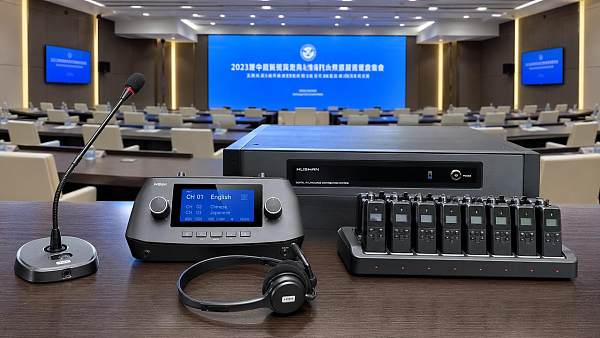
Simultaneous interpretation equipment is not a single device. It is a working system of interpreter consoles, transmitters, receivers, microphones, headphones, chargers, and control software.
A checklist reduces subjective judgment. It helps compare brands, OEM options, rental-grade systems, and permanent installations using the same technical standards and operational expectations.
This matters across commercial sectors, including hotels, education, exhibitions, worship spaces, convention centers, and high-end international business environments where communication failures carry financial risk.
Core checklist to judge simultaneous interpretation equipment quality
Use the following checklist to evaluate simultaneous interpretation equipment in a structured way before purchase, tender review, pilot testing, or long-term integration.
- Check audio intelligibility first. Speech must remain natural, crisp, and free from hiss, clipping, distortion, and listener fatigue during continuous multilingual sessions.
- Verify signal stability under load. Test the simultaneous interpretation equipment with full channel usage, moving receivers, and crowded RF or IR conditions.
- Measure latency between source speech and interpreted audio. Excessive delay confuses listeners, disrupts turn-taking, and reduces confidence in professional events.
- Confirm channel capacity and switching speed. Users should change languages quickly without audible pops, lag, or accidental channel selection errors.
- Inspect interpreter console ergonomics. Buttons, mute controls, relay functions, microphone stems, and visual indicators must support long sessions without operating mistakes.
- Review receiver design and battery endurance. Lightweight receivers with reliable charging cycles reduce listener complaints and simplify event logistics.
- Test coverage consistency across the venue. Simultaneous interpretation equipment should deliver stable listening quality in front rows, corners, and overflow spaces.
- Examine compatibility with existing AV systems. Inputs, outputs, Dante, analog interfaces, camera feeds, and recording paths must integrate without signal conversion problems.
- Assess build quality physically. Durable housings, secure connectors, robust charging contacts, and protected transport cases indicate stronger long-term value.
- Validate compliance and documentation. Certifications, user manuals, frequency declarations, safety data, and service records reveal whether quality claims are credible.
- Request stress testing evidence. Reliable suppliers can show performance data from continuous operation, firmware stability checks, and multi-day event usage.
- Compare support capability, not just price. Spare parts access, firmware updates, repair turnaround, and technical training affect the real lifecycle cost.
What technical performance deserves the closest attention
Audio quality should be judged with spoken-word material, not music. Interpretation depends on consonant clarity, controlled sibilance, and speech reproduction that remains understandable at moderate volume.
Transmission method also matters. Infrared systems offer privacy and reduced interference concerns indoors. RF systems may offer flexibility, but they require stronger spectrum planning and interference management.
Battery architecture is another quality signal. Replaceable batteries can help rental operations. Smart charging docks and battery health indicators better support fixed venues and frequent event turnover.
How to assess simultaneous interpretation equipment in different applications
Conference hotels and convention venues
In hospitality environments, simultaneous interpretation equipment must work smoothly alongside ballroom audio, wireless microphones, streaming tools, and hybrid meeting platforms. Fast setup and reliable handover between events are essential.
Focus on charging efficiency, transport durability, and clean integration with installed sound systems. Cosmetic finish also matters in premium venues where visible equipment must match upscale event expectations.
Educational and institutional spaces
Universities, training centers, and public institutions often need simultaneous interpretation equipment that is simple to operate by rotating teams. Straightforward interfaces reduce errors during repeated multilingual sessions.
Look for durable receivers, clear labeling, and low-maintenance charging systems. Documentation quality matters more here because systems are used across changing schedules and mixed technical skill levels.
Exhibitions, trade fairs, and temporary events
Temporary event environments create constant setup pressure. Simultaneous interpretation equipment should be modular, easy to deploy, and resistant to connector wear, accidental drops, and transport vibration.
Short test windows make signal reliability especially important. Ask for fast field diagnostics, spare receiver ratios, and clear procedures for replacing failed units during live sessions.
Government, legal, and high-security meetings
These settings demand privacy, stable operation, and documented compliance. Simultaneous interpretation equipment should support secure transmission, controlled distribution, and predictable audio performance over long sessions.
In this context, published specifications alone are not enough. Require proof of system stability, maintenance records, and a clear service path for firmware, calibration, and replacement parts.
Commonly overlooked issues that weaken equipment quality
Ignore headset comfort at your own risk. Even if the core simultaneous interpretation equipment performs well, uncomfortable earpieces reduce listener concentration during extended sessions.
Overlook charging turnaround and storage design, and operations become inefficient. A good system includes organized docking, battery tracking, and transport protection that supports repeated use.
Assume all channels perform equally, and quality problems may appear later. Some lower-grade simultaneous interpretation equipment degrades when multiple language channels run simultaneously.
Rely only on catalog specifications, and practical flaws stay hidden. Real testing should include movement, full attendance, nearby wireless activity, and long-duration sessions.
Choose solely on unit price, and total ownership cost may rise. Repairs, downtime, poor batteries, limited spares, and weak support can make cheaper systems more expensive over time.
Practical execution steps before committing
- Define the use case clearly, including room size, expected languages, audience count, security level, and whether the setup is mobile or fixed.
- Request a full system demo, not isolated components, because simultaneous interpretation equipment quality depends on end-to-end performance.
- Run a live test using speech material in real room conditions, then evaluate clarity, delay, channel switching, and listener coverage.
- Inspect service documents, warranty terms, spare part availability, and firmware support before comparing commercial quotations.
- Score each option against the same checklist so technical quality, support quality, and operational suitability remain visible.
Conclusion and next action
To judge simultaneous interpretation equipment quality well, focus on system performance, not marketing language. Clear speech reproduction, stable transmission, practical ergonomics, compliance, and dependable support define real value.
A structured evaluation process helps identify simultaneous interpretation equipment that performs reliably across commercial, institutional, and premium event environments. The best next step is to convert this checklist into a test scorecard and apply it during demo review, sourcing comparison, or project specification development.
Search News
Hot Articles
- Outdoor RidesHow to Select Leisure Park Equipment for Safe, High-Throughput Visitor AreasOct 03, 2026
- Fashion & Gem JewelryDiamond Tester Wholesale: How to Vet Accuracy, Calibration, and MOQ Before OrderingOct 02, 2026
- Hotel Room AmenitiesHow Hotels Can Choose Amenity Bottles That Balance Brand Image and Refill CostsOct 01, 2026
Popular Tags
Need ExpertConsultation?
Connect with our specialized leisureengineering team for procurementstrategies.
Recommended News
 Aug 19, 2026How to Choose Commercial Carpet Tiles for Hospitality Projects by Traffic and Maintenance NeedsCommercial carpet tiles hospitality buyers trust should match traffic, maintenance, and lifecycle cost. Learn how to specify durable, guest-ready flooring with confidence.● Hospitality Sourcing Dir
 Aug 15, 2026How to Evaluate Commercial Product Compliance for Hospitality Procurementcommercial product compliance hospitality guide to evaluating supplier documents, reducing risk, and choosing compliant products that protect guest safety and project timelines.● Hospitality Sourcing Dir
 Aug 10, 2026What Does Global Hospitality Procurement Cover and How to Reduce Sourcing Risk?Global hospitality procurement covers supplier screening, compliance, quality control, and logistics. Learn practical ways to reduce sourcing risk, avoid delays, and protect hotel project outcomes.● Hospitality Sourcing Dir
 Aug 07, 2026Hotel Operations Standards Explained: Key SOPs, Audits, and Compliance BasicsHotel operations standards explained clearly: learn the key SOPs, audit methods, and compliance basics that help hotels reduce risk, improve consistency, and strengthen guest experience.● Hospitality Sourcing Dir
 Jul 13, 2026Hotel Operations Metrics That Matter: Occupancy, ADR, RevPAR, and Labor CostHotel operations metrics explained: learn how occupancy, ADR, RevPAR, and labor cost shape revenue, staffing efficiency, and smarter hotel performance decisions.● Hospitality Sourcing Dir
 Jun 27, 2026Hotel Operations Management Basics: Key Departments, KPIs, and Daily WorkflowsHotel operations management made simple: explore key hotel departments, essential KPIs, and daily workflows that improve guest satisfaction, efficiency, and profitability.● Hospitality Sourcing Dir
 Jun 24, 2026Commercial Hospitality Procurement: What to Source First for Hotel OpeningsCommercial hospitality procurement starts with the right categories. Learn what hotels should source first to protect timelines, compliance, and opening readiness.● Hospitality Sourcing Dir
 Jun 05, 2026Safari Tents Wholesale: How to Compare Frame Materials, Sizes, and MOQSafari tents wholesale guide: compare frame materials, tent sizes, and MOQ to reduce sourcing risk, control costs, and choose a scalable supplier for profitable hospitality projects.● Hospitality Sourcing Dir
 May 18, 2026How to judge simultaneous interpretation equipment qualitySimultaneous interpretation equipment quality affects clarity, stability, and event success. Learn the key checklist, testing points, and sourcing tips to choose with confidence.● Hospitality Sourcing Dir
 May 18, 2026What to check before choosing tour guide systems wholesaleTour guide systems wholesale: learn what to check before buying, from audio stability and certifications to battery life, customization, and supplier support.● Hospitality Sourcing Dir
 May 13, 2026China's MCT Launches 'Travel Services' Overseas Compliance GuideChina's MCT Travel Services Compliance Guide: Essential for sports tourism, study-abroad & customized tour operators expanding to EU/US markets under GDPR, CCPA & CSDDD.● Hospitality Sourcing Dir
 May 09, 2026Inflatable clear bubble tents and the privacy trade-offInflatable clear bubble tents offer immersive appeal, but is the privacy trade-off worth it? Explore scenario-based insights for resorts, events, dining, and public spaces.● Hospitality Sourcing Dir
 May 09, 2026Camping glamping tents: what guests notice before anything elseCamping glamping tents guests love start with first impressions—space, privacy, materials, light, and comfort. Discover what buyers should prioritize to boost appeal and bookings.● Hospitality Sourcing Dir
 May 09, 2026Safari tents wholesale and the weatherproofing details that matterSafari tents wholesale buyers now prioritize weatherproofing. Learn which waterproof, windproof, ventilation, and corrosion details reduce risk, protect uptime, and improve long-term value.● Hospitality Sourcing Dir
 May 09, 2026Geodesic dome tents: are they practical for year-round stays?Geodesic dome tents can work for year-round stays—but only with the right insulation, ventilation, and structural planning. Discover what makes them practical, comfortable, and cost-effective.● Hospitality Sourcing Dir
 May 09, 2026Inflatable paddle boards commercial buyers often overlook thisInflatable paddle boards commercial buyers often miss the factors that drive long-term value—durability, safety, compliance, and supplier consistency. Learn what to check before you buy.● Hospitality Sourcing Dir
 May 09, 2026Why ski resort equipment budgets often miss hidden costsSki resort equipment budgets often miss freight, installation, compliance, and service costs. Learn the hidden drivers behind overruns and budget smarter for stronger ROI.● Hospitality Sourcing Dir
 May 09, 2026Artificial snow mats vs real snow for beginner ski zonesArtificial snow mats vs real snow: discover which option gives beginner ski zones safer training, longer seasons, lower operating risk, and stronger commercial value.● Hospitality Sourcing Dir
 Apr 25, 2026Discover the Best of the Silk Road: Top Xi'an Hot Tourism Routes for 2026● Hospitality Sourcing Dir
 Apr 22, 2026Peak of China: The Ultimate 7-Day Central Plains Heritage Odyssey 2026Plan a 7-day Henan heritage tour in 2026 with Luoyang, Shaolin Temple and Kaifeng highlights, plus visa-free transit and rail tips.● Hospitality Sourcing Dir