Hotel & Catering Equipment costs more for these hidden reasons
Why does Hotel & Catering Equipment often cost more than the first quotation suggests? The answer usually sits beyond steel grades and brand labels.
In commercial projects, visible purchase price is only one layer. Hidden cost drivers shape sourcing decisions, installation timelines, compliance exposure, and long-term operating performance.
For hotels, resorts, central kitchens, canteens, and mixed-use properties, understanding these factors improves budget control and reduces expensive rework.
What Hotel & Catering Equipment Really Includes
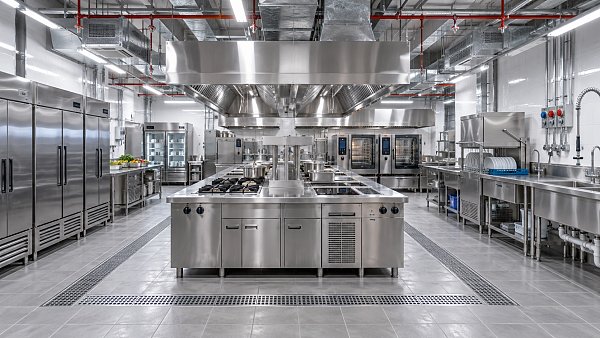
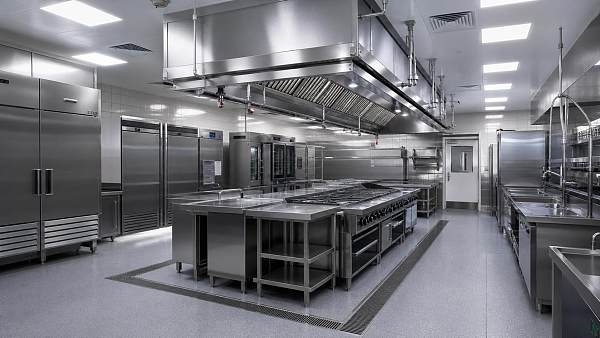
Hotel & Catering Equipment covers a wide commercial range. It includes kitchen lines, refrigeration, buffet systems, warewashing, ventilation, preparation tables, storage, and service equipment.
It also extends to guest-facing products. Examples include banquet carts, beverage stations, heated displays, housekeeping support units, and back-of-house transport systems.
Unlike residential appliances, commercial units operate longer hours, under heavier loads, and within stricter health and fire rules. That difference changes engineering, testing, and pricing.
The result is simple: two products may look similar, yet their commercial design requirements make their cost structures fundamentally different.
Why Industry Attention on Equipment Cost Has Intensified
Recent market conditions have increased scrutiny across the Hotel & Catering Equipment category. Capital projects now face tighter scheduling, certification pressure, and more volatile freight conditions.
- Energy regulations are pushing higher-efficiency components and smarter controls.
- Labor shortages are increasing demand for ergonomic and automated systems.
- Premium hospitality concepts require custom finishes and integrated aesthetics.
- Cross-border sourcing adds certification, customs, and after-sales coordination risks.
- Project delays create cost escalation through storage, rescheduling, and replacement orders.
These signals explain why budget assumptions based only on unit price often fail in real commercial environments.
The Hidden Reasons Hotel & Catering Equipment Costs More
Compliance and certification
One major hidden cost is compliance. Commercial kitchens and hospitality facilities must satisfy electrical, food safety, fire, gas, ventilation, and sanitation standards.
Testing under CE, UL, NSF, ETL, or equivalent frameworks requires engineering time, laboratory fees, documentation, and repeated validation during production changes.
Material upgrades beyond visible surfaces
Buyers often compare stainless steel thickness or finish quality. However, hidden materials inside the unit often drive cost more strongly.
Examples include food-grade seals, insulated panels, copper lines, compressor quality, heat-resistant wiring, reinforced hinges, and anti-corrosion treatment for humid operating environments.
Custom fabrication and project adaptation
Many Hotel & Catering Equipment projects require non-standard dimensions. Ceiling height, drainage points, door widths, and service corridors can force redesign.
Custom fabrication increases drawing work, prototype checks, tooling adjustments, and production complexity. Even small dimensional changes can affect insulation, airflow, and maintenance access.
Logistics, handling, and delivery risk
Commercial hospitality equipment is bulky, heavy, and damage-sensitive. Freight cost is not just transport rate. Packaging design, shock protection, fumigation, crane access, and delivery sequencing matter.
A low equipment price can become expensive if damaged doors, scratched panels, or bent frames delay opening schedules.
Installation and site integration
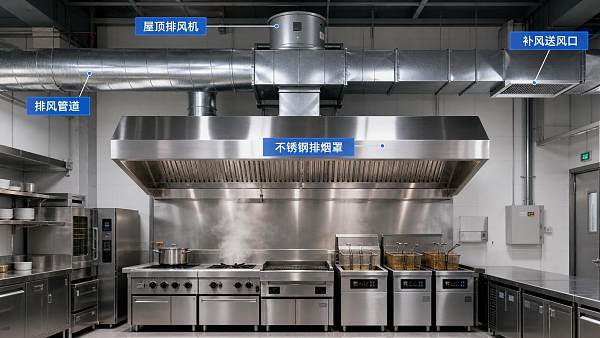
Proper installation may need gas connections, electrical upgrades, extraction coordination, drainage alignment, leveling, sealing, and commissioning tests.
Where several systems meet, hidden interface costs appear. A combi oven may require water treatment, floor loading checks, and software setup, not just floor placement.
Lifecycle performance and downtime prevention
Reliable Hotel & Catering Equipment often costs more because it is designed to reduce breakdowns, energy waste, and sanitation failures over years of continuous use.
That premium can protect occupancy revenue, banquet operations, and food service continuity. In hospitality, downtime carries commercial consequences far beyond repair invoices.
Cost Drivers Mapped Across the Equipment Lifecycle
Business Value of Understanding True Equipment Cost
Knowing what sits behind the price of Hotel & Catering Equipment improves decision quality across design, construction, and operations.
- More accurate budgeting from concept stage onward.
- Fewer specification gaps during tender and supplier comparison.
- Lower risk of non-compliant imports or rejected installations.
- Better alignment between kitchen workflow and equipment layout.
- Stronger lifecycle value through durability and easier maintenance.
This approach matters in the broader commercial landscape, where guest experience, operating uptime, and brand consistency all depend on infrastructure reliability.
Typical Scenarios Where Hidden Costs Appear
Practical Steps to Control Hotel & Catering Equipment Costs
Cost control does not mean choosing the cheapest line item. It means building a complete commercial view before commitment.
- Define performance requirements first, including output, hygiene, energy, and service conditions.
- Verify all destination-market certifications before production begins.
- Request detailed drawings for utility points, maintenance clearance, and delivery access.
- Compare total landed cost, not factory price alone.
- Review spare parts policy, response times, and technical documentation availability.
- Check how equipment integrates with ventilation, drainage, software, and adjacent fabrication.
These steps reduce the chance that Hotel & Catering Equipment becomes a late-stage budget problem or an operational weakness after opening.
A More Reliable Sourcing Perspective
In complex commercial environments, the real cost of Hotel & Catering Equipment includes compliance, engineering, logistics, installation, and lifecycle resilience.
When these hidden reasons are recognized early, commercial projects gain clearer budgeting, smoother execution, and stronger long-term operational value.
For organizations navigating global sourcing decisions, structured market intelligence and verified supplier evaluation help turn price comparison into informed commercial planning.
Use that framework to assess every Hotel & Catering Equipment package against standards, site realities, service expectations, and total ownership outcomes before final selection.
Search News
Hot Articles
- Restaurant FurnitureFast-Casual Restaurant Interiors: Design Choices That Improve Speed and Guest FlowOct 04, 2026
- Outdoor RidesHow to Select Leisure Park Equipment for Safe, High-Throughput Visitor AreasOct 03, 2026
- Fashion & Gem JewelryDiamond Tester Wholesale: How to Vet Accuracy, Calibration, and MOQ Before OrderingOct 02, 2026
Popular Tags
Need ExpertConsultation?
Connect with our specialized leisureengineering team for procurementstrategies.
Recommended News
 Sep 24, 2026Conveyor Pizza Oven Price: What Buyers Should Budget for Capacity and FeaturesConveyor pizza oven price guide: compare capacity, features, installation costs, and quote factors to choose the right commercial oven for your operation.● Hospitality Sourcing Dir
 Sep 23, 2026How Restaurant Buyers Can Source Hospitality Supplies Without OverorderingHospitality supplies for restaurants: learn practical sourcing strategies to cut excess inventory, protect cash flow, improve supplier reliability, and keep every service running smoothly.● Hospitality Sourcing Dir
 Sep 22, 2026Commercial Kitchen Design Price: Budgeting by Layout, Equipment, and MEP ScopeCommercial kitchen design price explained: budget smarter for layout, equipment, MEP scope, compliance, installation, and long-term operational performance.● Hospitality Sourcing Dir
 Sep 19, 2026How to Select a Spiral Dough Mixer for Bakery Batch Size and Dough HydrationSpiral dough mixer bakery guide: match batch size, flour load, and hydration to select reliable torque, temperature control, and consistent dough results.● Hospitality Sourcing Dir
 Sep 14, 2026How Restaurants Can Choose Disposable Wooden Cutlery for Takeout and CateringDisposable wooden cutlery fork spoon knife guide for restaurants: compare strength, finish, packaging, food-contact needs, and catering performance.● Hospitality Sourcing Dir
 Sep 12, 2026How to Size a Restaurant Walk-In Cooler for Peak Inventory and Kitchen LayoutRestaurant walk in coolers sized for peak inventory and kitchen workflow help improve food safety, staff efficiency, storage access, and long-term operational performance.● Hospitality Sourcing Dir
 Sep 10, 2026How to Choose a CE Hot Dog Roller for Safe, High-Volume Food Service?Choose a CE hot dog roller with confidence: compare compliance documents, heating consistency, cleaning design, capacity, and total cost for safe, high-volume food service.● Hospitality Sourcing Dir
 Sep 04, 2026How to Evaluate a Commercial Food Warmer Manufacturer for Bulk Catering ProjectsCommercial food warmer manufacturer evaluation guide for bulk catering projects: compare thermal performance, compliance, customization, costs, and after-sales support.● Hospitality Sourcing Dir
 Aug 30, 2026How Can Buyers Verify Supplier Qualifications Before a Bulk Order?How to confirm supplier qualifications before placing a bulk order: verify legal identity, factory capability, certificates, samples, quality controls, and payment safeguards.● Hospitality Sourcing Dir
 Aug 28, 2026Commercial Kitchen Design Standards: A Planning Checklist for Code-Compliant LayoutsCommercial kitchen design standards: use this practical checklist to plan safer, code-compliant layouts, streamline approvals, and avoid costly rework.● Hospitality Sourcing Dir
 Aug 06, 2026How to Choose Flake Ice Makers for Seafood Displays, Bars, and Food Prep?Flake ice makers buying guide: compare output, hygiene, storage, energy use, and reliability to choose the best solution for seafood displays, bars, and food prep.● Hospitality Sourcing Dir
 Aug 03, 2026Commercial Kitchen Design Price: What Drives Cost in a New Build Project?Commercial kitchen design price explained: discover what drives cost in a new build, from layout and equipment to ventilation, compliance, and hidden budget risks.● Hospitality Sourcing Dir
 Jul 30, 2026How to Choose a Countertop Commercial Pizza Oven for Capacity, Speed, and Space?Countertop commercial pizza oven buying guide: learn how to match capacity, bake speed, and kitchen space for consistent output, lower costs, and smarter purchasing decisions.● Hospitality Sourcing Dir
 Jul 22, 2026How to Evaluate a Cotton Candy Machine Supplier for Quality, Lead Time, and MOQCotton candy machine supplier selection starts with quality, lead time, and MOQ. Learn how to compare suppliers, reduce sourcing risk, and choose a partner that supports reliable growth.● Hospitality Sourcing Dir
 Jul 21, 2026How to Choose a Charcoal Commercial Grill for Capacity, Heat Control, and Menu FitCharcoal commercial grill buying guide: learn how to match capacity, heat control, and menu fit to boost consistency, service speed, and ROI in commercial kitchens.● Hospitality Sourcing Dir
 Jul 10, 2026FDA Import Alert Adds NSF/ANSI 50-2026 for Commercial Kitchen EquipmentFDA Import Alert now highlights NSF/ANSI 50-2026 for commercial kitchen equipment. Learn how dishwashers, ice machines, and steam cabinets can avoid U.S. port detention.● Hospitality Sourcing Dir
 Jul 05, 2026How to Select Energy Efficient Display Cabinets for Food Retail and HospitalityEnergy efficient display cabinets can cut operating costs while improving food safety, visibility, and service efficiency. Learn how to choose the right model for retail and hospitality.● Hospitality Sourcing Dir
 Jul 04, 2026CPSC Flags New UL 2595 Label Rule for Commercial Ice MakersCPSC flags a new UL 2595 label rule for commercial ice makers entering the U.S. after Aug. 1, 2026. Learn who is affected, key compliance steps, and how to avoid port delays and recall risk.● Hospitality Sourcing Dir
 Jun 29, 2026How to Choose Thermal Receipt Printers for Retail and Restaurant CountersThermal receipt printers for retail and restaurant counters: learn how to compare speed, durability, connectivity, and total operating cost to choose a model that supports smoother service.● Hospitality Sourcing Dir
 Jun 28, 2026Stainless Steel Kitchen Ventilation Systems: Key Specifications for Commercial ProjectsStainless steel kitchen ventilation systems: compare material grades, airflow capture, hygiene, fire safety, and installation specs for commercial projects before you buy.● Hospitality Sourcing Dir
 Jun 27, 2026Commercial Shawarma Machines: What to Check Before Buying for High-Volume ServiceShawarma machines commercial buying guide: learn how to compare capacity, heat control, durability, compliance, and lifecycle cost before choosing equipment for high-volume service.● Hospitality Sourcing Dir
 Jun 26, 2026Restaurant POS Systems: How to Compare Features, Costs, and ScalabilityRestaurant POS systems: compare features, costs, and scalability to find the best fit for your restaurant and boost long-term efficiency.● Hospitality Sourcing Dir
 Jun 25, 2026Kitchen Ventilation Systems Design: How to Size Hoods, Airflow, and Make-Up AirKitchen ventilation systems design explained clearly: learn how to size hoods, set exhaust airflow, and balance make-up air for safer, more efficient commercial kitchens.● Hospitality Sourcing Dir
 Jun 14, 2026Hot Dog Rollers for Convenience Stores and Cafes: Capacity, Heating Zones, and Cleaning TipsHot dog rollers buying guide for convenience stores and cafes: compare real capacity, heating zones, energy use, and cleaning tips to choose a smarter, lower-waste setup.● Hospitality Sourcing Dir