What matters most when buying Hotel & Catering Equipment
When buying Hotel & Catering Equipment, procurement teams must look beyond price to assess durability, compliance, supplier reliability, and long-term operating value. In a market where guest experience and operational efficiency directly affect profitability, the right sourcing decisions can strengthen brand standards and reduce risk. This guide highlights the factors that matter most for informed commercial purchasing.
What should procurement teams evaluate first in Hotel & Catering Equipment?
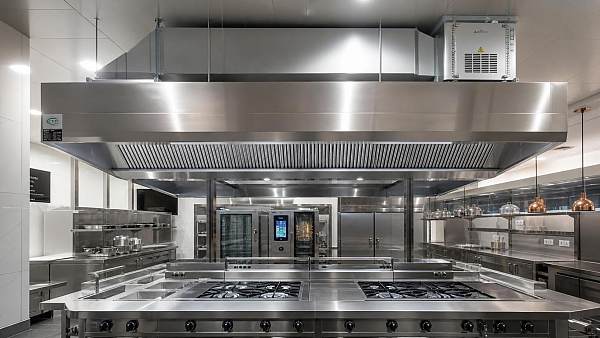
Hotel & Catering Equipment is not a single product category. It covers kitchen production lines, buffet systems, refrigeration, food preparation units, dishwashing systems, service trolleys, bar equipment, and front-of-house presentation tools. For procurement teams, the first priority is to define operational purpose before comparing quotations.
A hotel serving breakfast for 300 guests has very different requirements from a boutique property with limited back-of-house space. Likewise, a central kitchen for banqueting needs different output, ventilation, and cleaning standards than a cafe, staff canteen, or all-day dining restaurant.
This is where many purchasing mistakes begin. Buyers often compare unit prices across suppliers before confirming volume capacity, installation conditions, utility load, material grade, and service support. Lower acquisition cost can quickly become higher operating cost if the equipment is oversized, underpowered, difficult to maintain, or not aligned with the menu concept.
- Define the service model: room service, buffet, banqueting, fine dining, quick-service, or institutional catering.
- Map peak workload: meals per hour, covers per shift, and turnover expectations.
- Confirm site constraints: floor load, utility access, drainage, ventilation, and delivery path.
- Set performance priorities: speed, hygiene, energy efficiency, aesthetics, or modularity.
A practical evaluation framework
For procurement professionals, good sourcing starts with a structured review process. The table below helps compare Hotel & Catering Equipment across the commercial criteria that most often affect project outcomes.
Procurement teams that use this framework tend to make clearer supplier comparisons. It shifts the discussion from simple price competition to commercial fit, operational resilience, and lifecycle value.
Which performance factors matter most beyond the purchase price?
In Hotel & Catering Equipment, the visible purchase price is only one part of the total investment. Energy use, water consumption, cleaning time, spare part frequency, and maintenance complexity often have a bigger impact over three to seven years than the original invoice value.
Durability should be reviewed in operational terms. A unit that works well in a light-duty outlet may fail early in a banquet kitchen running long shifts. Procurement teams should ask how many cycles a machine is designed for, how it performs under peak loads, and whether replacement parts are standard or proprietary.
Key technical and operating indicators
- Thermal efficiency: faster heating and better insulation reduce wasted energy during service.
- Temperature stability: critical for food safety, quality consistency, and buffet holding.
- Ease of sanitation: rounded corners, removable parts, and accessible drainage shorten cleaning time.
- Noise and heat release: especially important for open kitchens, bars, and guest-facing areas.
- Modularity: valuable for hotels that renovate in phases or need flexible event formats.
A strong procurement decision considers how equipment behaves during daily use, not just in a showroom demonstration. This is particularly important in hospitality environments where service quality and kitchen workflow directly influence guest perception.
How do application scenarios change the right buying decision?
Different hospitality formats demand different specifications for Hotel & Catering Equipment. Purchasing the wrong configuration can create underutilized assets, workflow bottlenecks, or guest-facing service issues. Scenario-based sourcing is therefore essential.
The following comparison shows how procurement priorities shift across common commercial settings.
This table shows why one specification does not suit every hospitality model. Procurement teams should match equipment to service style, user skill level, and commercial expectations rather than buying from a generic list.
Common scenario-based mistakes
- Buying heavy-duty equipment for light-duty operations and locking unnecessary capital into low-utilization assets.
- Choosing visually appealing buffet equipment without checking holding performance and cleaning practicality.
- Ignoring staff capability and selecting systems that require technical training the site cannot maintain.
Why do compliance, certification, and documentation matter so much?
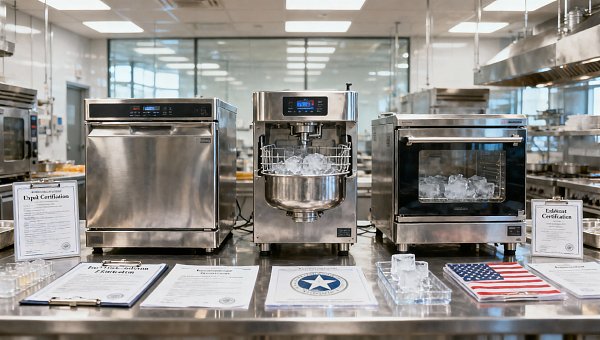
For international buyers, compliance is not a paperwork exercise. It affects customs clearance, installation approval, insurance acceptance, food safety, and future liability. Hotel & Catering Equipment often involves electrical, gas, thermal, water, and food-contact considerations, so missing documentation can delay entire projects.
Requirements vary by market, but procurement teams should always ask for documentation relevant to the destination country and operating environment. Generic statements from suppliers are not enough. What matters is product-specific evidence, test references where applicable, and consistency between specification sheets and shipment details.
Compliance checklist before issuing a purchase order
- Electrical compatibility with local voltage, frequency, plugs, and protection requirements.
- Food-contact material suitability for commercial kitchen use and cleaning chemicals.
- Gas component conformity where applicable, including valves, pressure, and installation conditions.
- User manuals, wiring diagrams, spare part lists, and installation instructions in the required language.
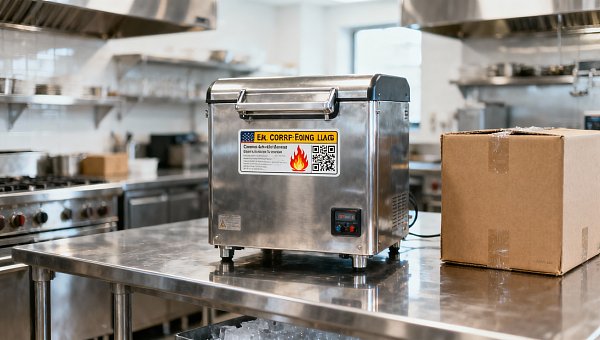
- Packing labels and model references that match commercial invoices and technical documents.
Well-prepared documentation reduces procurement risk. It also helps facilities teams, consultants, and contractors coordinate utility connections and site readiness before equipment arrives.
How should buyers compare suppliers of Hotel & Catering Equipment?
A reliable supplier does more than ship equipment. In commercial hospitality projects, the best suppliers support specification alignment, production clarity, packing accuracy, delivery coordination, and after-sales response. This becomes even more important for multi-site rollouts, custom fabrication, or mixed product sourcing.
Procurement teams should evaluate suppliers across both manufacturing capability and commercial communication. Delays often come not from production alone, but from inconsistent drawings, incomplete approvals, unclear lead times, or missing accessories during installation.
Supplier comparison points that deserve attention
- Quotation clarity: Are inclusions, exclusions, accessories, and utility requirements clearly stated?
- Customization capability: Can the supplier adapt dimensions, finishes, or configurations to project needs?
- Quality consistency: Are material details and production tolerances stable across batches?
- Logistics readiness: Is export packing suitable for long-distance transport and site delivery conditions?
- After-sales structure: Who handles troubleshooting, parts replacement, and technical follow-up?
How GCT supports better supplier selection
Global Commercial Trade helps procurement teams approach Hotel & Catering Equipment sourcing with greater commercial intelligence. Instead of relying only on supplier self-description, buyers can use structured market insights, category-focused sourcing guidance, and cross-sector commercial understanding tailored to hospitality and project purchasing.
This matters when the brief includes aesthetic standards, safety expectations, custom manufacturing, and dependable supply chain coordination. GCT is built around the needs of professional buyers who need clearer comparisons, stronger sourcing logic, and better visibility across international options.
What are the most common buying mistakes and how can they be avoided?
Many Hotel & Catering Equipment issues are preventable. They usually come from rushed tendering, incomplete technical schedules, or choosing on price without checking operational realities. Procurement teams can reduce these risks through a disciplined pre-purchase review.
Frequent misconceptions
“If the dimensions fit, the equipment will work.”
Physical fit is only the starting point. Utility demand, service clearance, door swing, operator movement, and maintenance access are just as important. Equipment that fits tightly but cannot be serviced easily becomes costly over time.
“The lowest quote protects the budget.”
The lowest quote may exclude accessories, installation requirements, local compliance adjustments, or after-sales support. A more complete offer can produce lower total cost once downtime, rework, and replacement risk are considered.
“Standard products are always safer than customized solutions.”
Standardization helps in many projects, but not all sites are standard. In constrained kitchens or premium front-of-house environments, moderate customization can improve workflow, visual consistency, and space efficiency without creating unnecessary complexity.
FAQ about buying Hotel & Catering Equipment
How do I choose the right Hotel & Catering Equipment for a new property opening?
Start with the operating concept, projected covers, menu style, and available utilities. Then build an equipment schedule by zone: production, holding, washing, storage, transport, and service. This prevents overbuying and helps suppliers quote accurately against real operational needs.
What should buyers ask about lead time?
Ask whether the quoted lead time includes drawing approval, customization, testing, export packing, shipping preparation, and spare part bundling. For project procurement, a short factory lead time means little if documentation or packaging causes downstream delays.
Is energy-efficient Hotel & Catering Equipment always worth the premium?
In high-usage environments, energy-efficient models often justify the premium through lower operating cost and reduced heat load. In lower-usage applications, the case depends on local utility pricing, maintenance profile, and expected service life. Buyers should assess payback by usage intensity, not by label alone.
What documentation should be confirmed before shipment?
At minimum, confirm technical specifications, model list, packing list, operating manuals, installation requirements, and any compliance-related documents required by the destination market. Matching documentation reduces import confusion and site-level installation errors.
Why choose us for Hotel & Catering Equipment sourcing support?
Global Commercial Trade supports procurement teams that need more than a vendor list. We help buyers navigate Hotel & Catering Equipment decisions through category-focused sourcing insight, practical comparison logic, and a commercial understanding of hospitality, institutional, and premium project environments.
If you are evaluating suppliers, refining specifications, or preparing a new project tender, you can consult us on key purchasing issues such as parameter confirmation, product selection, lead time planning, customization options, certification expectations, sample coordination, and quotation comparison.
This is especially valuable when your team must balance budget limits with design standards, safety compliance, operational efficiency, and long-term reliability. A better sourcing process does not simply reduce cost. It reduces uncertainty, protects project timelines, and improves commercial outcomes.
If you need structured support for Hotel & Catering Equipment procurement, contact GCT to discuss your application scenario, technical priorities, delivery schedule, required documentation, and supplier evaluation criteria before you commit to purchase.
Search News
Hot Articles
- Restaurant FurnitureFast-Casual Restaurant Interiors: Design Choices That Improve Speed and Guest FlowOct 04, 2026
- Outdoor RidesHow to Select Leisure Park Equipment for Safe, High-Throughput Visitor AreasOct 03, 2026
- Fashion & Gem JewelryDiamond Tester Wholesale: How to Vet Accuracy, Calibration, and MOQ Before OrderingOct 02, 2026
Popular Tags
Need ExpertConsultation?
Connect with our specialized leisureengineering team for procurementstrategies.
Recommended News
 Sep 24, 2026Conveyor Pizza Oven Price: What Buyers Should Budget for Capacity and FeaturesConveyor pizza oven price guide: compare capacity, features, installation costs, and quote factors to choose the right commercial oven for your operation.● Hospitality Sourcing Dir
 Sep 23, 2026How Restaurant Buyers Can Source Hospitality Supplies Without OverorderingHospitality supplies for restaurants: learn practical sourcing strategies to cut excess inventory, protect cash flow, improve supplier reliability, and keep every service running smoothly.● Hospitality Sourcing Dir
 Sep 22, 2026Commercial Kitchen Design Price: Budgeting by Layout, Equipment, and MEP ScopeCommercial kitchen design price explained: budget smarter for layout, equipment, MEP scope, compliance, installation, and long-term operational performance.● Hospitality Sourcing Dir
 Sep 19, 2026How to Select a Spiral Dough Mixer for Bakery Batch Size and Dough HydrationSpiral dough mixer bakery guide: match batch size, flour load, and hydration to select reliable torque, temperature control, and consistent dough results.● Hospitality Sourcing Dir
 Sep 14, 2026How Restaurants Can Choose Disposable Wooden Cutlery for Takeout and CateringDisposable wooden cutlery fork spoon knife guide for restaurants: compare strength, finish, packaging, food-contact needs, and catering performance.● Hospitality Sourcing Dir
 Sep 12, 2026How to Size a Restaurant Walk-In Cooler for Peak Inventory and Kitchen LayoutRestaurant walk in coolers sized for peak inventory and kitchen workflow help improve food safety, staff efficiency, storage access, and long-term operational performance.● Hospitality Sourcing Dir
 Sep 10, 2026How to Choose a CE Hot Dog Roller for Safe, High-Volume Food Service?Choose a CE hot dog roller with confidence: compare compliance documents, heating consistency, cleaning design, capacity, and total cost for safe, high-volume food service.● Hospitality Sourcing Dir
 Sep 04, 2026How to Evaluate a Commercial Food Warmer Manufacturer for Bulk Catering ProjectsCommercial food warmer manufacturer evaluation guide for bulk catering projects: compare thermal performance, compliance, customization, costs, and after-sales support.● Hospitality Sourcing Dir
 Aug 30, 2026How Can Buyers Verify Supplier Qualifications Before a Bulk Order?How to confirm supplier qualifications before placing a bulk order: verify legal identity, factory capability, certificates, samples, quality controls, and payment safeguards.● Hospitality Sourcing Dir
 Aug 28, 2026Commercial Kitchen Design Standards: A Planning Checklist for Code-Compliant LayoutsCommercial kitchen design standards: use this practical checklist to plan safer, code-compliant layouts, streamline approvals, and avoid costly rework.● Hospitality Sourcing Dir
 Aug 06, 2026How to Choose Flake Ice Makers for Seafood Displays, Bars, and Food Prep?Flake ice makers buying guide: compare output, hygiene, storage, energy use, and reliability to choose the best solution for seafood displays, bars, and food prep.● Hospitality Sourcing Dir
 Aug 03, 2026Commercial Kitchen Design Price: What Drives Cost in a New Build Project?Commercial kitchen design price explained: discover what drives cost in a new build, from layout and equipment to ventilation, compliance, and hidden budget risks.● Hospitality Sourcing Dir
 Jul 30, 2026How to Choose a Countertop Commercial Pizza Oven for Capacity, Speed, and Space?Countertop commercial pizza oven buying guide: learn how to match capacity, bake speed, and kitchen space for consistent output, lower costs, and smarter purchasing decisions.● Hospitality Sourcing Dir
 Jul 22, 2026How to Evaluate a Cotton Candy Machine Supplier for Quality, Lead Time, and MOQCotton candy machine supplier selection starts with quality, lead time, and MOQ. Learn how to compare suppliers, reduce sourcing risk, and choose a partner that supports reliable growth.● Hospitality Sourcing Dir
 Jul 21, 2026How to Choose a Charcoal Commercial Grill for Capacity, Heat Control, and Menu FitCharcoal commercial grill buying guide: learn how to match capacity, heat control, and menu fit to boost consistency, service speed, and ROI in commercial kitchens.● Hospitality Sourcing Dir
 Jul 10, 2026FDA Import Alert Adds NSF/ANSI 50-2026 for Commercial Kitchen EquipmentFDA Import Alert now highlights NSF/ANSI 50-2026 for commercial kitchen equipment. Learn how dishwashers, ice machines, and steam cabinets can avoid U.S. port detention.● Hospitality Sourcing Dir
 Jul 05, 2026How to Select Energy Efficient Display Cabinets for Food Retail and HospitalityEnergy efficient display cabinets can cut operating costs while improving food safety, visibility, and service efficiency. Learn how to choose the right model for retail and hospitality.● Hospitality Sourcing Dir
 Jul 04, 2026CPSC Flags New UL 2595 Label Rule for Commercial Ice MakersCPSC flags a new UL 2595 label rule for commercial ice makers entering the U.S. after Aug. 1, 2026. Learn who is affected, key compliance steps, and how to avoid port delays and recall risk.● Hospitality Sourcing Dir
 Jun 29, 2026How to Choose Thermal Receipt Printers for Retail and Restaurant CountersThermal receipt printers for retail and restaurant counters: learn how to compare speed, durability, connectivity, and total operating cost to choose a model that supports smoother service.● Hospitality Sourcing Dir
 Jun 28, 2026Stainless Steel Kitchen Ventilation Systems: Key Specifications for Commercial ProjectsStainless steel kitchen ventilation systems: compare material grades, airflow capture, hygiene, fire safety, and installation specs for commercial projects before you buy.● Hospitality Sourcing Dir
 Jun 27, 2026Commercial Shawarma Machines: What to Check Before Buying for High-Volume ServiceShawarma machines commercial buying guide: learn how to compare capacity, heat control, durability, compliance, and lifecycle cost before choosing equipment for high-volume service.● Hospitality Sourcing Dir
 Jun 26, 2026Restaurant POS Systems: How to Compare Features, Costs, and ScalabilityRestaurant POS systems: compare features, costs, and scalability to find the best fit for your restaurant and boost long-term efficiency.● Hospitality Sourcing Dir
 Jun 25, 2026Kitchen Ventilation Systems Design: How to Size Hoods, Airflow, and Make-Up AirKitchen ventilation systems design explained clearly: learn how to size hoods, set exhaust airflow, and balance make-up air for safer, more efficient commercial kitchens.● Hospitality Sourcing Dir
 Jun 14, 2026Hot Dog Rollers for Convenience Stores and Cafes: Capacity, Heating Zones, and Cleaning TipsHot dog rollers buying guide for convenience stores and cafes: compare real capacity, heating zones, energy use, and cleaning tips to choose a smarter, lower-waste setup.● Hospitality Sourcing Dir