Is It Worth Upgrading a Stage Sound System Mid-Project?
The question is it worth upgrading stage sound systems mid-project usually comes up after a design review, a disappointing demo, or a late change in how the space will be used. The practical answer is: sometimes, and delaying the decision can be more expensive than making it now. An upgrade is justified when the existing design cannot reliably deliver intelligible speech, even audience coverage, required production flexibility, or a maintainable system for the venue’s expected life.
It is not justified simply because a newer loudspeaker series has appeared, or because someone prefers a different brand. Mid-project changes affect engineering, construction sequencing, power, network infrastructure, rigging, commissioning, and accountability. The right decision is based on a clear performance gap and a realistic view of what the change will disturb.
A good starting point is to separate a genuine operational problem from a specification preference. If the system is already installed, the question becomes more urgent. If cabling, ceiling closure, speaker rigging, and control infrastructure are still open, the project has more room to change course without creating avoidable rework.
When Is It Worth Upgrading Stage Sound Systems Mid-Project?
It is generally worth upgrading when the current system is unlikely to meet a requirement that cannot be solved through tuning, placement adjustments, or a small supporting component. In performance and multipurpose spaces, the most consequential gaps tend to be speech intelligibility, coverage consistency, headroom, system control, and future expansion capacity.
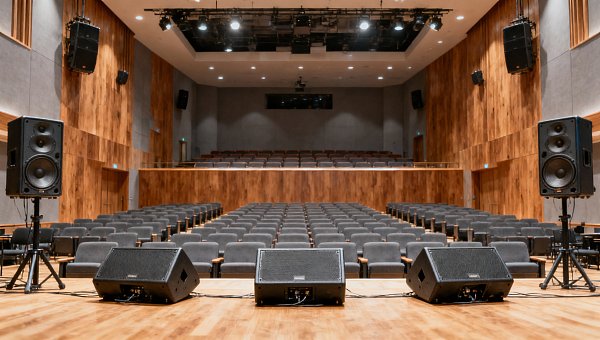
For example, a ballroom designed mainly for background music may later need to host conferences, product launches, or panel discussions. A system that produces adequate music level can still leave spoken words unclear at the rear of the room. Adding volume will not fix that problem; it may make reflections and listener fatigue worse. A change to loudspeaker positioning, coverage pattern, delay strategy, or processing architecture may be necessary.
Likewise, an outdoor amphitheater or theme-park stage may have moved from occasional programmed shows to frequent live events. In that case, the original system may lack weather-resilient hardware, monitoring options, redundant signal paths, or the level margin needed for a larger audience. Those are operational issues, not cosmetic upgrades.
A concise rule is useful here: upgrade mid-project when the cost of accepting the current limitation over the next several years is likely to exceed the cost, disruption, and risk of correcting it before handover.
First, Identify the Failure You Are Actually Trying to Prevent
“The sound needs to be better” is not a procurement brief. It is too broad for an integrator, consultant, or supplier to price responsibly. Before changing equipment, document what is failing and where.
Ask the project team to assess the system against the actual operating scenarios: a presenter using a wireless microphone, a small acoustic act, a DJ or playback-led event, a full band, emergency announcements where applicable, and normal day-to-day background programming. A system can perform well in one scenario and poorly in another.
- Uneven coverage: Some audience areas are much louder or quieter than others.
- Poor vocal clarity: Speech is difficult to understand even when overall level is sufficient.
- Insufficient headroom: The system reaches its practical limit before the required event level is achieved cleanly.
- Feedback risk: Presenters or performers cannot use microphones at workable levels without ringing or instability.
- Limited routing and control: Operators cannot divide zones, manage delays, handle multiple sources, or recall dependable event settings.
- Weak serviceability: Replacement parts, amplifier channels, software support, or qualified local technicians may be difficult to access.
These findings should be supported by drawings, listening tests, system measurements, and an updated acoustic assessment where practical. Do not treat a single walk-through with unfamiliar content as proof that a complete replacement is needed. A poorly commissioned system can sound far worse than its equipment list suggests.
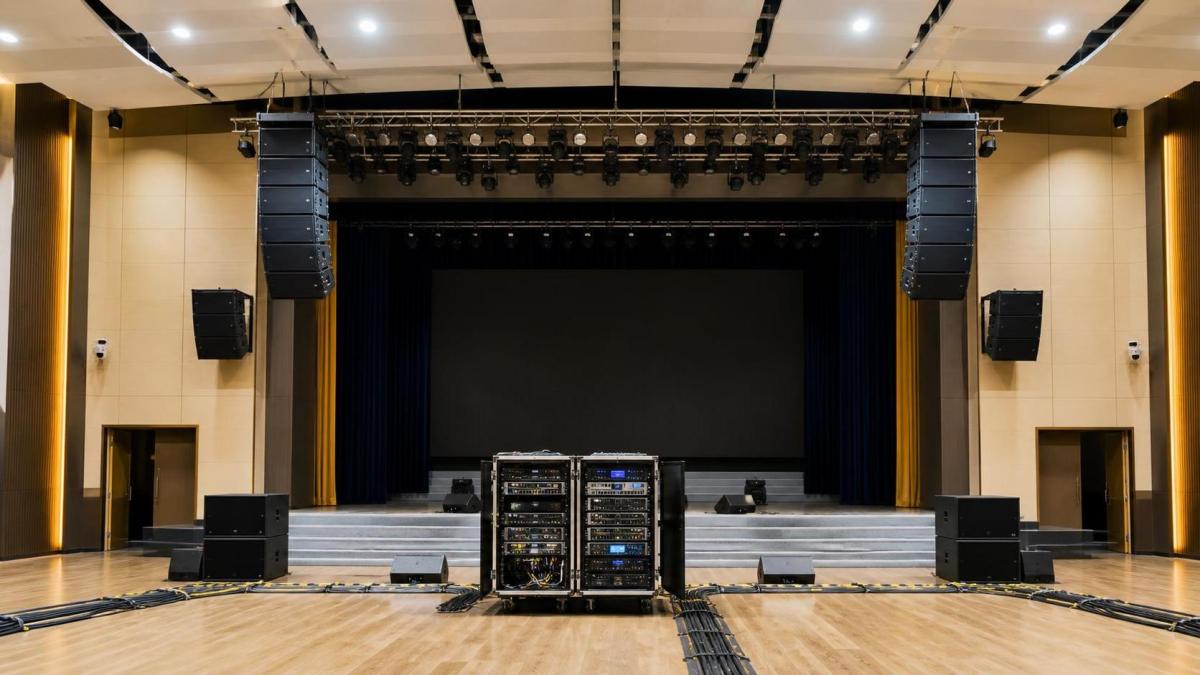
Check Whether the Problem Is Design, Acoustics, or Equipment
This distinction prevents costly mistakes. Many venue teams replace loudspeakers when the real cause is an untreated reflective room, an incorrect delay setting, poor microphone technique, or an amplifier and DSP configuration that was never properly finalized.
Acoustics matter especially in venues with glass, stone, exposed concrete, high ceilings, or wide hard surfaces. Excess reverberation reduces speech clarity after the loudspeaker signal has already left the cabinet. Installing a more powerful system may increase level, but it will not necessarily make announcements easier to understand. In some projects, targeted acoustic treatment, revised speaker aiming, and careful commissioning deliver more value than a wholesale equipment upgrade.
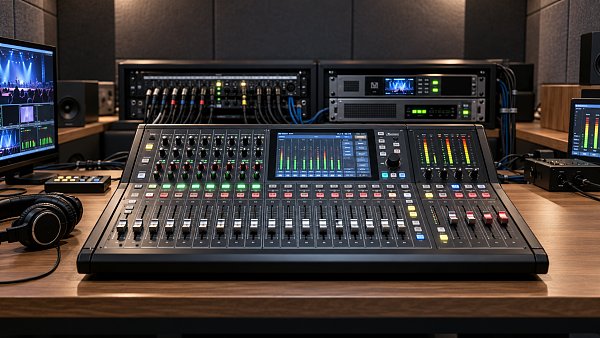
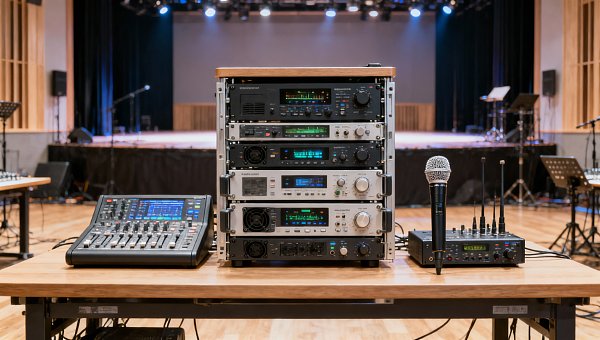
On the other hand, hardware limitations are real. A distributed system with the wrong dispersion pattern cannot always be corrected with software. A stage monitor setup with too few independent mixes will continue to frustrate performers. An undersized console, fixed analog routing, or a non-expandable DSP platform can become a bottleneck as event requirements grow.
Request a written gap analysis from the audio consultant or system integrator. It should show the existing design intent, the revised operating requirements, the specific shortfall, and the options for closing it. If the answer skips directly to a preferred product list, ask for the engineering rationale before approving the spend.
The Mid-Project Cost Is Larger Than the Equipment Quote
One common error is comparing only the price of the old loudspeaker package with the price of the proposed replacement. Mid-project sound upgrades can affect structural support, cable pathways, power distribution, network switches, equipment-rack space, fire-rated penetrations, ceiling finishes, lift access, and labor scheduling.
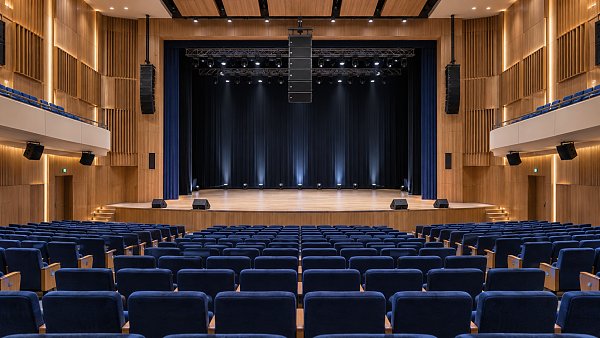
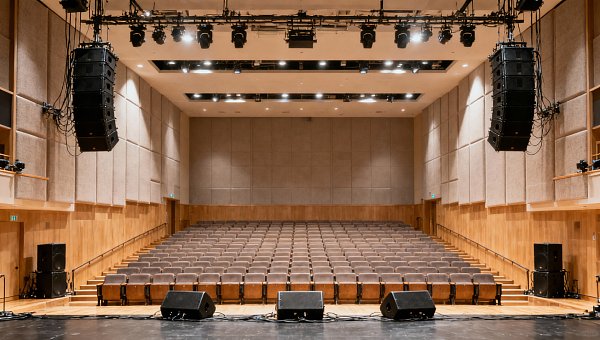
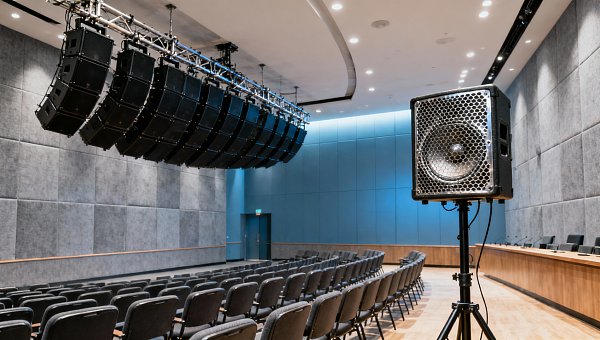
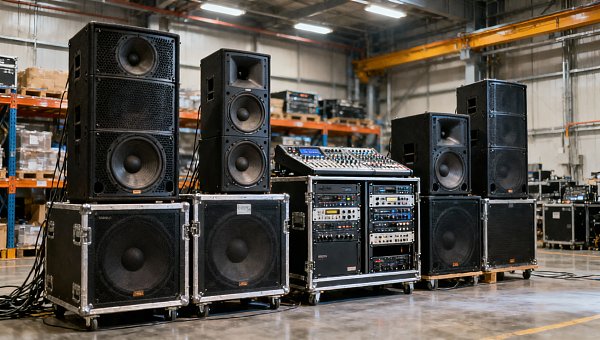
Consider a change from compact point-source speakers to a flown array or larger distributed loudspeakers. The revised solution may need structural verification, new rigging points, different mounting hardware, and a new sightline review. If ceilings are already finished, labor can increase sharply even when the equipment delta looks reasonable.
There is also a less obvious cost: responsibility for the final result. When a change is made after several trades have completed their work, it is easy for each party to blame another for noise, missing conduits, inadequate support, or late access. The change order should state who owns design coordination, installation, programming, testing, and final acceptance.
That does not mean teams should avoid changing course. It means the decision needs a full project impact review. A cheaper system that forces repeated post-opening corrections is rarely the economical choice for a premium venue.
Use a Decision Gate Before You Approve the Upgrade
A short, disciplined review can keep an emotional decision from becoming an expensive one. Bring the venue operator, project manager, audio designer or integrator, electrical contractor, and facilities representative into the same discussion. If the space will host third-party productions, include someone who understands real event workflows.
Work through these questions in order:
- What has changed? Identify the revised audience capacity, event format, operating hours, production needs, or brand standard.
- Can the current system meet that need after proper commissioning? Ask for evidence, not assumptions.
- What is the smallest change that resolves the gap? It may be additional fills, a revised DSP and amplifier package, improved monitoring, or acoustic work rather than a full replacement.
- What construction work will the change trigger? Confirm rigging, cable, power, network, access, finish repairs, and schedule effects.
- How will success be verified? Set acceptance criteria before equipment is ordered.
Acceptance criteria should match venue use. They may include coverage targets at audience locations, clear microphone operation in normal presentation positions, successful recall of event presets, zone-control tests, and operator training. Exact technical targets should be defined by the project’s qualified audio professional and local requirements, rather than copied from an unrelated venue.
Compatibility Can Make a Sensible Upgrade Fail
Stage sound systems are ecosystems. Loudspeakers, amplifiers, DSP, consoles, wireless microphones, networked audio, control interfaces, and monitoring all need to work together. A high-quality component can still create a poor outcome if it is added without considering the wider signal chain.
Pay particular attention to amplifier and loudspeaker pairing, network protocol compatibility, available DSP inputs and outputs, latency across digital devices, control-system integration, and electrical loading. Confirm that firmware, configuration software, and licensing are available for the intended handover period. A venue should not become dependent on one technician’s laptop or an undocumented set of settings.
For projects sourcing across borders, the practical questions extend beyond sound performance. Verify regional electrical compatibility, required safety markings, warranty coverage, spares availability, shipping lead times, and whether the manufacturer supports commissioning in the project location. A lower purchase price can lose its advantage quickly when a replacement module is difficult to obtain during a busy event season.
Global Commercial Trade (GCT) is useful as a sourcing and market-intelligence reference when procurement teams need to compare pro-audio manufacturers and assess commercial supply considerations alongside technical requirements. The important point is not to select from a catalog alone. Use product information to support an approved design, documented compatibility review, and a service plan that suits the venue.
Situations Where Waiting Is Usually the Better Choice
Not every concern calls for a mid-project replacement. Waiting may be sensible when the alleged issue has not been measured, when the system has not yet been commissioned by a qualified technician, or when the revised requirement is still changing week to week.
It may also be better to defer when the proposed upgrade primarily serves an occasional event type that can be handled through temporary production rental. A hotel ballroom that hosts one major concert each year may not need a permanently installed concert-scale reinforcement system. Permanent infrastructure should fit the normal operating model, not only the most demanding imaginable use case.
Another caution: do not replace a complete system solely to obtain a marginal specification improvement. If the existing architecture is sound, a targeted upgrade at the console, processing, microphones, front fills, or operator interface can be more effective and easier to maintain.
Protect the Project If You Decide to Upgrade
Once the decision is made, freeze the revised performance brief before placing purchase orders. Confirm final drawings and responsibilities, then coordinate the work with ceiling, lighting, scenic, electrical, IT, and structural trades. Stage sound is often physically close to all of them, and late clashes are common.
Ask for an updated signal-flow diagram, rack layout, loudspeaker locations, cable schedule, power and network requirements, and commissioning plan. Keep copies of final DSP files, console show files, passwords, firmware versions, warranties, and as-built documentation in a location the operator controls.
Training should be part of the handover, not an optional extra. A well-designed system can be undermined by an operator who does not know how to select the correct preset, manage wireless microphones, recognize overload, or restore a known-good configuration after an event. For venues with frequent staff turnover, simple operating procedures and clearly named presets are often more valuable than sophisticated features no one uses.
Make the Decision for the Venue You Will Actually Run
When asking is it worth upgrading stage sound systems mid-project, focus less on whether the new equipment is objectively better and more on whether it solves a verified problem in the finished venue. Upgrade now when it protects speech clarity, coverage, operational flexibility, safety coordination, or long-term maintainability. Wait when the need is unproven, the space has not been properly tuned, or a temporary solution covers a rare use case.
The best mid-project upgrades are not dramatic equipment swaps. They are controlled corrections: properly specified, coordinated with construction, tested against real event scenarios, and documented so the venue can operate confidently after the installers leave.
Frequently Asked Questions
Can better speakers fix poor speech intelligibility?
Sometimes, but not automatically. Poor intelligibility may come from room reverberation, speaker placement, aiming, microphone use, or tuning. Diagnose the cause before replacing loudspeakers.
Should we upgrade the PA system before the venue opens?
If a confirmed design gap exists and construction access is still available, pre-opening is usually the least disruptive time to make the change. Late changes after opening can interfere with bookings and require costly access work.
Is a complete system replacement always necessary?
No. Additional delay speakers, better processing, revised amplification, improved monitoring, or acoustic measures may address the issue with less disruption. The smallest effective scope is often the strongest commercial decision.
What should be included in final system acceptance?
Include testing for the venue’s real uses, documented configuration files, operator training, as-built drawings, warranty details, and a clear process for service support and replacement parts.
Search News
Hot Articles
- Office Furniture & EquipOffice Phone Booths: How to Evaluate Speech Privacy Before You BuyOct 24, 2026
- Outdoor RidesComcast Q3 Earnings: Universal Theme Park Revenue Falls 4.4% to $2.6 BillionOct 23, 2026
- Restaurant FurnitureHotel Bar Furniture Prices: What to Budget for Stools, Tables, and DeliveryOct 23, 2026
Popular Tags
Need ExpertConsultation?
Connect with our specialized leisureengineering team for procurementstrategies.
Recommended News
 Oct 22, 2026Audio Production for Streaming: How to Build a Dedicated Live Event MixMaster audio production for streaming with a dedicated live event mix. Learn routing, loudness control, and monitoring techniques to deliver clear, balanced sound your online audience will love.● Pro Audio Engineer
 Oct 15, 2026Designing Theater Sound Systems for Clear Dialogue and Even Audience CoverageOptimize stage sound for theaters with practical tips on acoustics, speaker placement, and tuning. Discover how to deliver clear dialogue and consistent coverage across audience seating.● Pro Audio Engineer
 Oct 22, 2026Which Professional Sound System Specs Matter Most for Live Venues?Discover what professional sound system specs matter most for live venues. Compare SPL, coverage, frequency response, and headroom to choose a PA that delivers clear, powerful sound.● Pro Audio Engineer
 Oct 20, 2026Should You Prioritize Stage Sound or Audience Coverage?Should I prioritize stage sound or audience coverage first? Discover how to balance clear audience audio, reliable monitoring, and smarter sound-system upgrades for your venue.● Pro Audio Engineer
 Oct 18, 2026How Much Does Studio Acoustic Treatment Cost per Square Meter?How much does studio acoustic treatment cost per square meter? Learn how to compare panel prices, installation fees, and complete budgets to choose the right treatment without overspending.● Pro Audio Engineer
 Oct 17, 2026How Do Line Array and Point Source Sound Systems Differ?What is the difference between line array and point source systems? Compare coverage, costs, and venue fit to find the right solution for clearer sound.● Pro Audio Engineer
 Oct 16, 2026Are Standard Acoustic Panels Enough for Performance Venues?Are standard acoustic panels enough for performance venues? Discover their limits, explore bass control and diffusion, and learn how to choose treatments that improve sound without wasting budget.● Pro Audio Engineer
 Sep 30, 2026How to Choose an Aluminum Projector Ceiling Mount for Load, Drop, and Ceiling TypeChoose an aluminum projector ceiling mount with confidence. Learn how load capacity, drop length, ceiling structure, safety retention, and service access shape a reliable commercial AV installation.● Pro Audio Engineer
 Sep 26, 2026How to Choose Dynamic Microphones for Vocals in Live Stage SettingsDynamic microphones for vocals: learn how to match polar patterns, feedback control, durability, and clarity to live stage needs for reliable, professional sound.● Pro Audio Engineer
 Sep 07, 2026How to Choose Wall Mount Speakers for Clear Audio in Commercial SpacesWall mount speakers for commercial spaces: learn how to optimize coverage, SPL, directivity, installation, and system design for clear, reliable audio.● Pro Audio Engineer
 Sep 03, 2026How to Choose Locking Speakon Speaker Cables for Reliable Live Sound ConnectionsLocking Speakon speaker cables: learn how to select the right gauge, connector pinout, strain relief, and durable construction for reliable live sound connections.● Pro Audio Engineer
 Sep 08, 2026Is It Worth Upgrading a Stage Sound System Mid-Project?Is it worth upgrading stage sound systems mid-project? Discover how to assess performance gaps, costs, compatibility, and long-term venue value.● Pro Audio Engineer
 Sep 04, 2026Can AV Systems Be Retrofitted Into Older Commercial Buildings?Can AV integration be retrofitted into older commercial buildings? Discover practical strategies for reliable, code-aware AV upgrades with minimal disruption.● Pro Audio Engineer
 Jul 17, 2026How to Choose a Crossover Networks Supplier: Key Specs, Quality Checks, and OEM FactorsFind the right crossover networks supplier with this practical guide to key specs, quality checks, OEM factors, and supply chain risks for better audio performance and sourcing confidence.● Pro Audio Engineer
 Jul 16, 2026How to Evaluate ODM Services for Pro Audio: Design, Certification, and Production CapabilitiesODM services for pro audio: learn how to assess design depth, certification readiness, and production strength to choose a reliable partner and launch better audio products with less risk.● Pro Audio Engineer
 Jul 15, 2026JETRO Flags Modular, Low-Power Shift in Pro Stage AudioPro Stage Audio buyers in Japan are shifting fast: JETRO flags modular amplifiers, IP65 line arrays, low standby power, and JIS compliance as key to channel entry.● Pro Audio Engineer
 Jul 15, 2026Paper Speaker Cones Explained: How Cone Weight and Stiffness Affect SoundPaper speaker cones explained: discover how cone weight and stiffness shape sensitivity, clarity, breakup control, and real-world speaker performance for smarter audio sourcing.● Pro Audio Engineer
 Jul 15, 2026Performance Venues Compliance Checklist: Fire Safety, Accessibility, and Crowd RulesPerformance venues compliance checklist covering fire safety, accessibility, and crowd rules. Learn how to reduce delays, improve approvals, and open safer, more resilient venues.● Pro Audio Engineer
 Jul 14, 2026Japan Adds EMC Immunity Test for Stage AmplifiersJapan Adds EMC Immunity Test for Stage Amplifiers: learn how Japan’s 2026 JIS update affects EMC testing, JIS marking, certification timing, and market access for exporters.● Pro Audio Engineer
 Jul 13, 2026CISCE 2026 Adds Pro Stage Audio ZoneCISCE 2026 Adds Pro Stage Audio Zone as free overseas pre-registration opens. Explore key updates for pro audio suppliers, distributors, and system integrators before the Shanghai expo.● Pro Audio Engineer
 Jul 12, 2026Japan Tightens Pro Stage Audio Efficiency Limits Under JIS C 8105-2026Japan Tightens Pro Stage Audio Efficiency Limits Under JIS C 8105-2026: learn how new PSE compliance rules reshape market access, product eligibility, and shipment planning in Japan.● Pro Audio Engineer
 Jul 12, 2026How to Choose Low Profile Ceiling Speakers for Hotels, Offices, and Retrofit ProjectsLow profile ceiling speakers for hotels, offices, and retrofit projects: learn how to compare depth, coverage, compliance, and installation factors to choose the right fit.● Pro Audio Engineer
 Jul 11, 2026Japan Tightens JIS C 8105-2026 for Pro AudioJapan Tightens JIS C 8105-2026 for Pro Audio: learn how stricter standby power, PSE diamond mark rules, and the 2026 deadline impact exports, compliance, and market access.● Pro Audio Engineer
 Jul 10, 2026JETRO Q2 Outlook Signals Higher Stage Audio DemandJETRO Q2 Outlook signals higher stage audio demand in Japan, with 37% procurement growth and stricter PSE Annex D compliance. See what importers, manufacturers, and rental channels must act on now.● Pro Audio Engineer