Custom canvas tote bags: which printing methods last longer
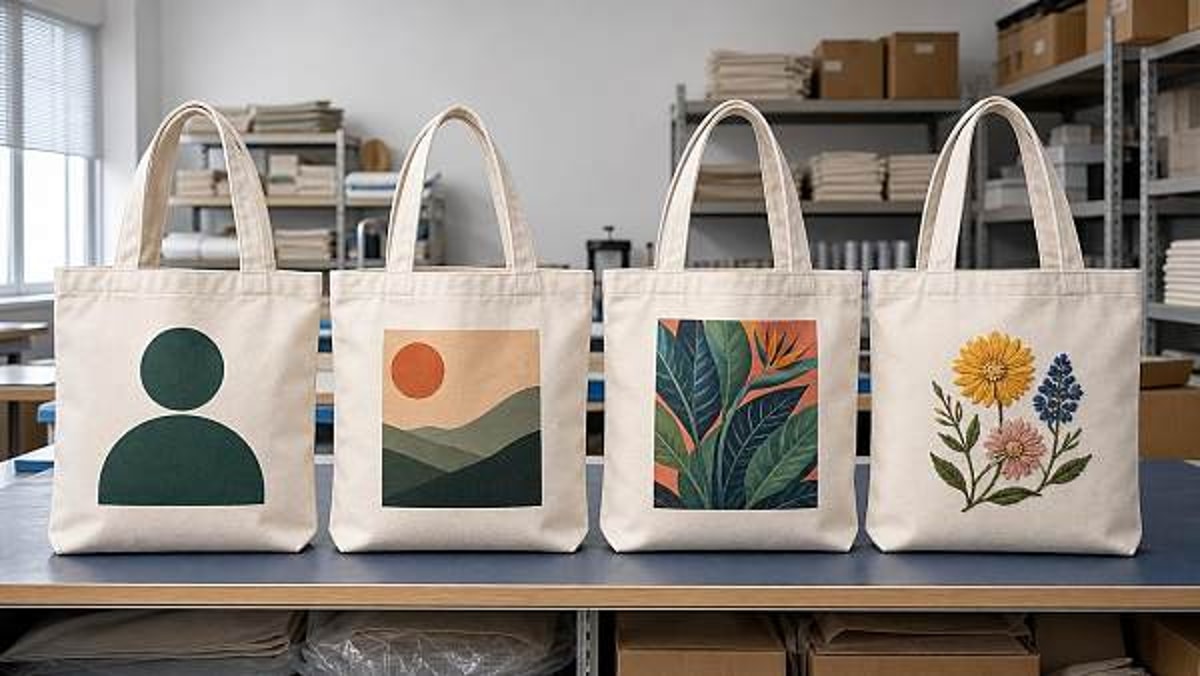
When sourcing custom canvas tote bags for retail, hospitality, or promotional use, buyers need more than attractive designs—they need printing that withstands daily wear, washing, and repeated handling. From screen printing to heat transfer and embroidery, each method offers different levels of durability, cost efficiency, and brand impact. This guide compares which printing techniques last longer and what procurement teams should consider before placing bulk orders.
Why durability matters more in some buying scenarios than others
For procurement teams, the best printing method for custom canvas tote bags depends less on a generic ranking and more on where, how, and by whom the bags will be used. A tote bag handed out once at a trade fair has a very different durability requirement from a gift-shop bag sold at a premium price, a hotel welcome tote used during multi-day stays, or a campus bag expected to last through an academic year. The printing decision affects replacement rates, customer satisfaction, brand perception, and total landed cost.
In practice, “longer lasting” can mean several things: resistance to cracking, resistance to fading, adhesion after washing, stability under friction, and visual consistency over time. Buyers often discover too late that a print which looks sharp on delivery may degrade after sunlight exposure, repeated folding, or machine washing. That is why application-based evaluation is essential when comparing custom canvas tote bags for B2B sourcing.
Common printing methods for custom canvas tote bags and how they wear over time
Before matching methods to business use cases, it helps to understand how the main decoration options behave in real-world conditions. The most common methods are screen printing, heat transfer, digital printing such as DTG, and embroidery. Each has a different durability profile, especially on cotton canvas, recycled canvas, or blended fabrics.
Screen printing
Screen printing is often the most durable choice for custom canvas tote bags when executed with quality inks and proper curing. It bonds well to canvas, performs strongly against friction, and remains cost-effective for medium to large runs. It is especially suitable for bold logos, limited-color artwork, and promotional branding. In most commercial tests, screen printing outlasts many transfer-based methods in wash resistance and color retention.
Heat transfer printing
Heat transfer can deliver vivid detail and supports complex graphics, but its durability varies widely based on film type, adhesive quality, press temperature, and end-use conditions. It can crack, peel, or develop edge lift after repeated washing or rough use. For short-term campaigns, it may be acceptable. For high-reuse bags, buyers should be cautious unless the supplier can validate performance through wash and rub tests.
Digital printing or DTG
Digital printing offers flexibility for small runs, multiple SKUs, and high-detail artwork. However, on canvas it may not match screen printing for long-term durability, especially if the bag is frequently washed or exposed to abrasion. It is useful when artwork complexity matters more than maximum lifespan, such as event merchandise, design sampling, or seasonal retail programs.
Embroidery
Embroidery is not a print method in the strict sense, but buyers often compare it alongside printing for custom canvas tote bags. In terms of longevity, embroidery is excellent. It resists washing, rubbing, and fading better than most print options. The tradeoff is cost, production speed, and design limitation. Fine gradients, large coverage areas, and intricate photo-style artwork are not ideal for embroidery, but premium logos and monograms perform very well.
Scenario comparison: which method lasts longer in actual business use
The table below helps procurement teams compare custom canvas tote bags by realistic usage scenarios rather than by abstract technical claims.
Retail, hospitality, and promotion: how needs differ by application
For retail buyers, custom canvas tote bags are often part of the product assortment rather than a disposable marketing item. Customers judge both design and longevity. In this setting, screen printing usually offers the best balance of durability, unit economics, and visual clarity, while embroidery works well for elevated collections or museum-store style branding. Retailers should pay attention to whether the artwork covers a large area, since oversized prints can crack sooner if low-grade inks are used.
In hospitality, totes are often used as welcome amenities, spa bags, beach bags, or branded conference kits. Here, the brand experience matters as much as utility. A hotel or resort may prefer embroidery for a refined logo treatment, especially if the bag is meant to feel reusable and upscale. If the program requires larger logos and lower cost per piece, screen printing is usually the better option. For coastal properties or wellness destinations, buyers should ask how the print performs under sun, moisture, and frequent handling.
For promotional procurement, lifespan expectations vary. Event organizers may prioritize lead time, color flexibility, and quantity over maximum durability. In these cases, digital printing or selected transfer options can still make sense for custom canvas tote bags, particularly when each campaign uses different artwork. But for enterprise brands that want the bag to remain visible long after the event, screen printing generally creates stronger post-event brand retention because the print survives longer in everyday use.
Which printing methods last longer under specific wear conditions
Procurement teams should break down durability by wear condition, not just by method name. A strong supplier will discuss expected performance under the actual conditions your users create.
Frequent washing
If the end user is likely to wash the bag regularly, embroidery and properly cured screen printing are typically the safest choices. Heat transfer is more vulnerable to peeling or cracking after repeated wash cycles. Digital printing can fade faster depending on pretreatment, ink chemistry, and washing temperature.
Heavy friction and daily commuting
For tote bags carried with books, tools, or groceries, abrasion becomes a major issue. Screen printing tends to outperform transfer-based methods because the print layer is more integrated with the fabric surface. Embroidery also performs well, though large stitched areas may stiffen the bag or distort lighter canvas.
Outdoor or sun exposure
For beach resorts, outdoor festivals, and leisure destinations, UV resistance matters. Some low-cost inks fade quickly in strong sunlight. Buyers of custom canvas tote bags should request lightfastness information, especially for bright colors and black-on-natural canvas combinations used in lifestyle branding.
What procurement teams should confirm before placing bulk orders
Two suppliers may both quote “screen printed custom canvas tote bags,” yet the actual product life can differ significantly. The reason is that print durability depends on execution quality, not only decoration category. Before confirming a PO, buyers should validate several technical and commercial points.
Common sourcing mistakes when judging custom canvas tote bags
One common mistake is assuming the most visually detailed option is the best long-term option. Buyers may choose transfer or digital printing for graphic richness without considering whether the tote is intended for everyday reuse. Another mistake is testing only visual appearance at approval stage. A fresh production sample can look excellent, yet fail after five wash cycles or a week of abrasive handling.
A third mistake is not aligning print method with price positioning. If the bag supports a premium retail or hospitality brand, low-end decoration can quietly undermine perceived quality even before visible failure occurs. Finally, many teams compare quotes without standardizing the specification. Unless the same canvas weight, print area, ink quality, and test criteria are used, price comparison between custom canvas tote bags is not meaningful.
FAQ for buyers comparing long-lasting print options
Is screen printing always the longest-lasting option?
For most commercial uses of custom canvas tote bags, high-quality screen printing is the most reliable print method overall. However, embroidery can last even longer in many conditions, especially for small logos and premium applications.
Are heat transfer tote bags unsuitable for B2B orders?
Not necessarily. They can be suitable for short campaigns, detailed graphics, or small-batch custom programs. The key is matching them to expected use rather than assuming they will perform like screen printed bags.
What sample should a buyer request?
Ask for a pre-production sample on the exact canvas material, with the actual artwork size and placement. If durability is critical, request evidence of wash and rub performance or conduct your own internal test on the approved sample.
How to choose the right method for your scenario
If your goal is durable, cost-efficient branding across large volumes, screen printing is usually the best default choice for custom canvas tote bags. If your goal is upscale presentation, long-term visual integrity, and a more tactile finish, embroidery is often worth the premium. If your project needs short runs, artwork variation, or fast-turn event execution, digital or transfer methods may fit—provided you accept a lower durability ceiling.
The smartest procurement decision is not asking which method lasts longer in general, but which method lasts long enough for your actual use case, budget target, and brand standard. By defining the application scenario first, then validating material, print process, and test expectations, buyers can source custom canvas tote bags that perform reliably and support stronger long-term commercial value.
Search News
Hot Articles
Popular Tags
Need ExpertConsultation?
Connect with our specialized leisureengineering team for procurementstrategies.
Recommended News
 May 05, 2026Custom canvas tote bags: which printing methods last longerCustom canvas tote bags: compare screen printing, heat transfer, DTG, and embroidery to find which method lasts longer for retail, hospitality, and promo bulk orders.● Luxury Retail Analyst
 May 04, 2026EU Tightens Color Fastness & Phthalates Rules for Smart SportswearEU tightens color fastness & phthalates rules for smart sportswear—key update for VR haptic, LED, and sensor-integrated athletic wear exporters. Act now to avoid delays.● Luxury Retail Analyst
 Apr 30, 2026Designer eyewear trends that balance style and everyday wearDesigner eyewear trends that blend style with everyday comfort, durable materials, and versatile shapes. Discover what buyers should check before sourcing premium frames.● Luxury Retail Analyst
 Apr 29, 2026Luxury Accessories for Women That SellLuxury accessories for women that sell: learn how a custom jewelry manufacturer helps buyers source premium, giftable collections with quality, margin, and reliable supply.● Luxury Retail Analyst
 Apr 29, 2026How Men Choose Luxury Accessories TodayLuxury accessories for men are chosen for craftsmanship, trust, and value. See how a custom jewelry manufacturer helps brands meet modern demand and drive premium sales.● Luxury Retail Analyst
![]() Apr 29, 2026Custom Jewelry Manufacturer MOQ QuestionsCustom jewelry manufacturer MOQ questions answered: compare costs, flexibility, and sourcing risk for luxury accessories for men and luxury accessories for women.● Luxury Retail Analyst
Apr 29, 2026Custom Jewelry Manufacturer MOQ QuestionsCustom jewelry manufacturer MOQ questions answered: compare costs, flexibility, and sourcing risk for luxury accessories for men and luxury accessories for women.● Luxury Retail Analyst Apr 29, 2026Luxury Accessories for Women Worth StockingLuxury accessories for women worth stocking: learn how to choose a custom jewelry manufacturer, compare luxury accessories for men, and source profitable premium retail lines.● Luxury Retail Analyst
 Apr 29, 2026Best Luxury Accessories for Men in 2026Luxury accessories for men in 2026: explore premium trends, custom jewelry manufacturer insights, sourcing tips, and smart retail strategies for sports and entertainment buyers.● Luxury Retail Analyst
 Apr 29, 2026How to Vet a Custom Jewelry ManufacturerCustom jewelry manufacturer vetting guide for sports and entertainment buyers—compare MOQ, compliance, delivery, and quality for luxury accessories for men and women.● Luxury Retail Analyst
 Apr 25, 2026Luxury Jewelry B2B in 2026: What Changes?Luxury jewelry B2B in 2026: explore custom jewelry design, custom jewelry manufacturer trends, luxury jewelry wholesale shifts, and how custom luxury jewelry drives faster, safer growth.● Luxury Retail Analyst
 Apr 25, 2026How to Grow a Luxury Accessories Online StoreLearn how to grow a luxury accessories online store with custom jewelry design, a trusted custom jewelry manufacturer, luxury accessories wholesale strategy, and high-end luxury jewelry that converts.● Luxury Retail Analyst
 Apr 25, 2026Custom Jewelry for Corporate Gifts That LastCustom jewelry for corporate gifts from a trusted custom jewelry manufacturer—discover custom jewelry design, high-end luxury jewelry, and scalable luxury jewelry B2B solutions.● Luxury Retail Analyst
 Apr 25, 2026What a Good Luxury Accessories Catalog IncludesLuxury accessories catalog guide covering custom jewelry design, high-end luxury jewelry, luxury accessories for men and women, and trusted luxury jewelry B2B sourcing insights.● Luxury Retail Analyst
 Apr 27, 2026Custom Jewelry with Diamonds: Lab or Natural?Custom jewelry with diamonds: compare lab-grown and natural options for custom jewelry design, pricing, sourcing, and brand fit. A smart guide for luxury jewelry B2B buyers.● Luxury Retail Analyst
 Apr 27, 2026Luxury Accessories Wholesale: How to Start SmallLuxury accessories wholesale made simple: learn custom jewelry design, choose a reliable custom jewelry manufacturer, and build profitable luxury accessories for men and women with low-risk B2B sourcing.● Luxury Retail Analyst
 Apr 27, 2026Luxury Jewelry Manufacturer: Red Flags to KnowLuxury jewelry manufacturer warning signs every B2B buyer should know. Learn how to evaluate custom jewelry design, custom luxury jewelry, and luxury jewelry wholesale partners before costly mistakes.● Luxury Retail Analyst
 Apr 27, 2026Custom Jewelry for Weddings: Timeline GuideCustom jewelry for weddings made simple: learn timelines for custom jewelry design, choosing a custom jewelry manufacturer, and planning custom luxury jewelry with diamonds.● Luxury Retail Analyst
 Apr 27, 2026Luxury Jewelry Wholesale for New DistributorsLuxury jewelry wholesale guide for new distributors: compare custom jewelry manufacturer options, custom jewelry design support, and luxury jewelry B2B strategies to launch faster.● Luxury Retail Analyst
 Apr 27, 2026Custom Luxury Jewelry: OEM or Small Batch?Custom luxury jewelry sourcing guide: compare OEM vs small-batch with a custom jewelry manufacturer for custom jewelry design, cost control, quality, and scalable luxury jewelry B2B growth.● Luxury Retail Analyst
 Apr 27, 2026How to Price High-End Luxury Jewelry RightCustom jewelry design and high-end luxury jewelry pricing guide for B2B buyers—learn how a custom jewelry manufacturer sets value, margins, and wholesale strategy.● Luxury Retail Analyst
 Apr 27, 2026Luxury Accessories for Women by Price TierLuxury accessories for women by price tier: compare high-end luxury jewelry, luxury jewelry wholesale, and custom luxury jewelry from a trusted custom jewelry manufacturer for smarter B2B sourcing.● Luxury Retail Analyst
 Apr 27, 2026Luxury Accessories for Men: Classic or Trendy?Luxury accessories for men: classic or trendy? Explore custom jewelry design, high-end luxury jewelry, and how a luxury jewelry manufacturer helps buyers source smarter for growth.● Luxury Retail Analyst
 Apr 27, 2026How to Compare Custom Jewelry ManufacturersCompare every custom jewelry manufacturer with confidence. Learn how custom jewelry design, compliance, craftsmanship, MOQ, and luxury jewelry wholesale capabilities impact quality and growth.● Luxury Retail Analyst
 Apr 27, 20262026 Custom Jewelry Design Trends to WatchExplore 2026 custom jewelry design trends shaping B2B buying, from custom luxury jewelry and diamonds to luxury accessories for men and women with smarter sourcing insights.● Luxury Retail Analyst