Hainan Jewelry Industry Explores Free Trade Port Policy and Cluster Development
The 2026 Pearl Industry Development Conference was recently held in Sanya, although the event date was not specified in the information provided. Discussions examined how Hainan Free Trade Port policies could fit pearl imports, advanced processing and sales in domestic and international markets. For importers, processors and jewelry sellers, the discussion is worth following because the way policies apply across these connected activities may influence future sourcing, documentation and delivery decisions. The information provided does not establish that a new rule has been issued or implemented.
Pearls at the center of the Hainan policy discussion
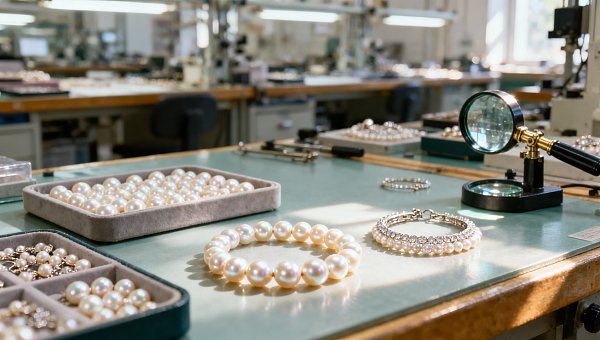
The conference addressed the relationship between Hainan Free Trade Port policies and several stages of the pearl industry chain: importing pearls, processing them into more refined products, and selling products in domestic and international markets. The discussion also sought to support the development of a local jewelry industry cluster and the creation of a world-class jewelry tourism and consumption destination.
The event is identified as the 2026 Pearl Industry Development Conference, and the supplied account describes it as having taken place recently in Sanya. It does not specify the date, describe individual policy provisions or report an implementation decision.

Where policy alignment could affect the pearl supply chain
Import planning begins with the intended route through the chain
Analysis suggests that businesses sourcing pearls may need to consider the import stage alongside the processing and sales routes they intend to use. A company bringing pearls into Hainan for processing may have different practical questions from one planning to sell imported goods without that step. The conference discussion identifies these stages as connected areas for policy consideration, but it does not specify whether their treatment will change.
For procurement teams, the relevant questions include which product descriptions, transaction records and other supporting documents would be needed for a proposed transaction, and whether the planned movement of goods fits the rules applicable at each stage. These are matters for verification against relevant guidance, not requirements newly established by the conference. Until details are available, a business case based on an assumed policy benefit or a particular clearance timetable would remain uncertain.
Processing decisions depend on the complete product journey
For processors and jewelry manufacturers, the practical significance may lie in how imported pearls move from raw material into finished or more refined products and then reach buyers. Analysis suggests that a processing plan is easier to evaluate when the business can identify the material involved, the work to be performed and the intended sales route. Those details may be relevant to checking the rules that apply to a particular transaction.
Businesses considering such activity could review how they record the relationship between incoming materials and outgoing products. They may also wish to identify any product testing, quality documentation or certification questions that buyers or applicable rules could raise. The supplied information does not announce a new certification scheme, testing standard or processing threshold, so any such checks should be tied to verified requirements and the actual product.
Sales channels may face different questions at delivery
Domestic and international sales are both part of the discussion, but the information provided does not describe the rules for either route. From an industry perspective, sellers and their buyers may therefore need to assess each planned market and transaction separately. The documents, product information and delivery arrangements appropriate to one sale should not automatically be assumed to settle the questions raised by another.
For a jewelry seller, this could mean checking how product descriptions, quality claims and supporting records will be passed from the processor to the sales channel. For a buyer, it could mean clarifying what evidence will be available before an order is placed and what information will accompany delivery. These are practical areas for review; the event account does not establish that any current sales requirement has changed.
Service providers connect the stages
Logistics, documentation and other supply chain service providers may be affected if businesses revise how they combine importing, processing and selling. Analysis suggests that their role would depend on the eventual operating arrangements and any applicable rules. A provider asked to support a proposed route could help identify where information must pass between parties, where responsibilities need clarification and where an unverified assumption might affect timing.
That possibility should not be read as evidence of a new procedure. At present, the information supplied provides no service specification, official timetable or confirmed change to the handling of pearl shipments.
Questions businesses can examine before changing plans
Verify the rule against the proposed transaction
The first practical step is to define the planned activity precisely: what is being imported, what processing is contemplated, and where the resulting product is intended to be sold. Businesses can then check relevant, current official guidance for each stage and seek clarification where the published position is insufficient. If further details emerge from the policy discussion, they can be assessed against that transaction rather than treated as a general entitlement.
In particular, companies may want to distinguish between an existing rule that already applies, a proposal under discussion and an instruction that has actually taken effect. The conference account alone does not provide enough detail to determine the treatment of a specific shipment or product.
Prepare an evidence trail from sourcing to sale
Companies may find it useful to review whether purchase records, product descriptions, processing records and sales documents are consistent with one another. For pearl products, continuity of information can help commercial partners examine what was purchased, what work was performed and what is being delivered. The precise records needed should be verified for the transaction; the event summary does not prescribe a document list.
Where testing, certification or a buyer specification is relevant, a business can check who is responsible for obtaining evidence, when it must be available and whether it covers the final product. This is a planning recommendation, not an indication that the conference introduced a new certificate or approval process.
Keep procurement and delivery assumptions under review
Analysis suggests that procurement contracts and delivery plans could be sensitive to uncertainty about how a proposed route will operate. Before committing to quantities, processing schedules or delivery dates based on an anticipated policy outcome, parties could verify the assumptions that affect their particular deal. They could also clarify how they will communicate if further guidance changes their assessment.
For suppliers and buyers, the immediate value of this review is a clearer understanding of dependencies: which information is already available, which questions still need an answer and who will check them. The account of the meeting does not support a forecast of shorter delivery times, lower costs or a particular implementation schedule.
Test commercial plans across both sales routes
A business considering both domestic and international sales may benefit from comparing the intended product, documentation and delivery arrangements for each route. The conference linked the two sales areas to the broader policy discussion, but did not say that a single process or set of documents would cover both. Checking the routes separately could expose questions before a sourcing or processing commitment is made.
Businesses can also review whether their suppliers and sales partners can provide the product information needed for the intended transaction. Any conclusion about applicable trade or product requirements should rest on verified guidance and the relevant commercial facts, rather than on the conference description alone.
Discussion provides a signal to watch, not an implementation record
Editorial analysis suggests that this event is best understood as a signal of policy alignment under discussion. Its focus on the full chain is notable: import arrangements, processing decisions and sales routes are being considered in relation to one another, alongside the ambition to build a jewelry cluster and a tourism consumption destination. That focus gives businesses a reason to follow subsequent developments, but it does not itself define a new operating framework.
What deserves closer attention is whether later information identifies specific measures, the activities they cover and the way they will be applied in practice. Relevant follow-up could include explanations of trade procedures, product documentation or other requirements where those are addressed by competent sources. The supplied account does not establish that any particular detail will be issued or that a particular outcome has been agreed.
Industry feedback would also matter to the assessment. If further measures are announced, businesses may need to compare their wording with how transactions are handled and how buyers, processors and service providers respond. Until there is evidence on those points, claims about commercial effects or the pace of cluster development would be premature.
A basis for monitoring the next stage
The conference connects Hainan's jewelry development ambitions with practical questions about bringing pearls in, processing them and selling the resulting products. For companies active at those stages, the immediate opportunity is to map their own transactions and identify the policy questions that require an answer.
The available information supports a measured response: monitor credible updates, verify the rules relevant to each planned transaction and avoid treating the discussion as proof of a completed regulatory change. Any effect on procurement, compliance or delivery will depend on details and execution that remain to be established.
Basis for this report and further verification
This article is based on the user-provided news title, event-time information and event summary. The event date was not specified, and no specific official source link was provided in the input. Subsequent verification remains necessary.
For follow-up, readers can consult relevant official announcements, regulatory or trade authority information, and industry reporting where available. The points to monitor include any published policy details, explanations of implementation, trade practice and industry feedback. No specific source, document or later outcome is asserted here.
Search News
Hot Articles
- Travel ServicesSpain Hotel Overnight Stays Rise 1.6% as Prices Increase 7.4% in October 2026Nov 24, 2026
- Watch OEM & SmartwatchesGoogle Research Studies Cuffless Hypertension Screening Using Smartwatch AINov 24, 2026
- Fashion & Gem JewelryHainan Jewelry Industry Explores Free Trade Port Policy and Cluster DevelopmentNov 24, 2026
Popular Tags
Need ExpertConsultation?
Connect with our specialized leisureengineering team for procurementstrategies.
Recommended News
 Nov 24, 2026Hainan Jewelry Industry Explores Free Trade Port Policy and Cluster DevelopmentExplore how Hainan Free Trade Port policy discussions could shape pearl imports, jewelry processing and sales—and what businesses should watch next.● Luxury Retail Analyst
 Nov 20, 2026Macau Retail Sales Rise 9.1% in Q3; Watches and Jewellery Up 31.1%Macau retail sales rose 9.1% in Q3 2026, while watches and jewellery climbed 31.1%. Explore what the figures could mean for purchasing and supply chains.● Luxury Retail Analyst
 Nov 20, 2026How to Assess a Fashion Accessories Supplier: Quality, Delivery and RiskLearn how to evaluate fashion accessories supplier reliability with practical checks for product quality, delivery performance, capacity, compliance and risk.● Luxury Retail Analyst
 Nov 11, 2026Choosing an Ultrasonic Jewelry Cleaner Manufacturer: What Buyers Should CheckChoosing an ultrasonic jewelry cleaner manufacturer? Discover the key checks for performance, safety, quality, costs, and support before you buy.● Luxury Retail Analyst
 Nov 06, 2026Rapaport: Small Round Diamond Prices Fell 5.5% in OctoberSmall round diamond prices fell 5.5% in October, according to Rapaport. Explore what the decline may mean for jewelry buyers, suppliers and inventory planning.● Luxury Retail Analyst
 Nov 05, 2026WGC: India's Illegal Gold Imports Surge Over 1,500% in Third QuarterIndia's illegal gold imports surged over 1,500% to 50 tonnes in Q3 2026, the WGC reports. Discover what's driving the rise and its impact on jewellery sales.● Luxury Retail Analyst
 Nov 04, 2026Pandora CEO Warns New Tariffs Could Raise Contemporary Jewelry PricesPandora CEO Alexander Lacik warns that new US tariffs could raise contemporary jewelry prices. Explore the potential impact on businesses and shoppers.● Luxury Retail Analyst
 Nov 02, 2026Shanwei Jewelry Conference Opens as Canton Fair Buyers Begin Sourcing TourShanwei Jewelry Conference connects Canton Fair buyers with local suppliers. Explore sourcing opportunities and key considerations for jewelry procurement.● Luxury Retail Analyst
 Nov 01, 2026US Tariffs on Indian Goods Reach 50%, Raising Jewelry Export ConcernsUS tariffs on Indian goods reach 50%, raising concerns for jewelry exporters. Explore the potential impact on prices, orders, supply chains and jobs.● Luxury Retail Analyst
 Oct 31, 2026US Jewelry Business Closures Ease in Q3, but Active Firms Fall 1.4%US jewelry business closures eased in Q3 2026, but active firms fell 1.4%. Explore the JBT figures and what they reveal about industry contraction.● Luxury Retail Analyst
 Oct 30, 2026Nose Studs and Rings: Which Is Better for a New Piercing?Nose studs and rings: discover which is best for a new nostril piercing, plus expert tips on fit, materials, healing, and when to switch to a hoop.● Luxury Retail Analyst
 Oct 27, 2026Luxury Retail Merchandising: What Sets It Apart From Mass-Market Retail?Discover how luxury retail merchandising differs from mass-market retail, with curated displays, refined spaces, and personalized service that elevate perceived value and inspire purchases.● Luxury Retail Analyst
 Oct 12, 2026How to Choose Designer Eyewear That Fits Your Store’s Customer ProfileDesigner eyewear buying guide for retailers: match frames, price points, brand appeal, fit, and supplier support to your store’s customer profile for stronger sales.● Luxury Retail Analyst
 Oct 07, 2026Thermal Diamond Testers: How They Work and When They Can Misidentify StonesThermal diamond tester guide: learn how it works, spot false positives from moissanite, and choose reliable verification methods for jewelry trade and retail.● Luxury Retail Analyst
 Oct 02, 2026Diamond Tester Wholesale: How to Vet Accuracy, Calibration, and MOQ Before OrderingDiamond tester wholesale guide: verify accuracy, calibration records, supplier quality controls, and MOQ terms before ordering. Source reliable testers with confidence.● Luxury Retail Analyst
 Sep 09, 2026Wholesale Coral Earrings: How Buyers Can Assess Quality, Treatments, and Supply RiskCoral jewelry earrings wholesale guide for buyers: assess quality, treatments, secure settings, documentation, and supply risks before ordering.● Luxury Retail Analyst
 Sep 01, 2026How to Choose a Jewelry Laser Engraving Machine Manufacturer for Custom ProductionChoose a jewelry laser engraving machine manufacturer with proven sample testing, precision fixtures, workflow-ready software, and reliable support for custom production.● Luxury Retail Analyst
 Aug 27, 2026Evaluating Luxury Retail Accessories Suppliers: Quality, Lead Times, and Brand FitLuxury retail accessories supplier selection made clearer: assess quality, lead times, compliance, costs, and brand fit to protect premium launches and margins.● Luxury Retail Analyst
 Jul 29, 2026Fine Jewelry Price Guide: What Affects Cost and How to Judge Real ValueFine jewelry price guide for buyers: learn what drives cost in metals, gemstones, craftsmanship, certification, and branding so you can judge real value, reduce sourcing risk, and buy with confidence.● Luxury Retail Analyst
 Jul 14, 2026What to Ask an Enamel Jewelry Manufacturer Before Sampling and Mass ProductionEnamel jewelry manufacturer selection starts with the right questions. Learn what to ask about materials, color matching, MOQ, QC, compliance, and lead times before sampling and mass production.● Luxury Retail Analyst
 Jul 12, 2026Surgical Steel Belly Rings vs Titanium: Material Differences, Safety, and CostSurgical steel belly rings vs titanium: compare safety, nickel exposure, comfort, durability, and cost to choose the best option for sensitive skin or budget-friendly style.● Luxury Retail Analyst
 Jul 12, 2026Natural Coral Jewelry Guide: How to Identify Real Coral, Treatments, and QualityNatural coral jewelry guide covering how to identify real coral, spot treatments, assess quality, and buy with confidence. Learn the key signs before you choose.● Luxury Retail Analyst
 Jul 11, 2026Braided Leather Bracelets OEM: Material, Clasp, and MOQ Factors Before SamplingBraided leather bracelets OEM guide covering material grades, clasp options, and MOQ factors before sampling. Learn how to reduce sourcing risk, control cost, and choose the right supplier.● Luxury Retail Analyst
 Jul 09, 2026Jewelry Craftsmanship Gemstone Setting Methods Explained: Prong, Bezel, Pave, and MoreJewelry craftsmanship gemstone setting explained clearly: compare prong, bezel, pavé, channel, and more to choose secure, beautiful, and commercially smart jewelry designs.● Luxury Retail Analyst