Google Research Studies Cuffless Hypertension Screening Using Smartwatch AI
Google Research has published a study in Nature examining whether an AI system can detect signs of high blood pressure using smartwatch sensor data, without calibration against a blood pressure cuff. In a clinical study involving 196 people, the system detected 65.8% of hypertension cases at initial screening, with a specificity of 90%.
The result points to a possible role for smartwatches in identifying people who may need further assessment. It also sets a clear limit on what the reported performance can support: the system did not detect every case, and a screening result should not be treated as a diagnosis.
What the screening results mean
The reported detection rate describes the proportion of hypertension cases identified during initial screening. A rate of 65.8% also means that roughly one-third of cases were not identified at that stage. For a person receiving a negative result, the possibility of a missed case remains relevant.
Specificity describes how often the screening system correctly identifies people without the condition. At 90% specificity, some people without hypertension would still receive a positive result. That makes the next step after an alert an important part of any potential screening pathway: a smartwatch signal would need to lead to further assessment rather than stand alone as proof of high blood pressure.
The two figures address different questions. The detection rate concerns cases of hypertension, while specificity concerns people without it. Neither figure alone establishes how a screening program would perform in every intended user group or how many positive alerts would ultimately correspond to hypertension.
Why cuff-free screening matters
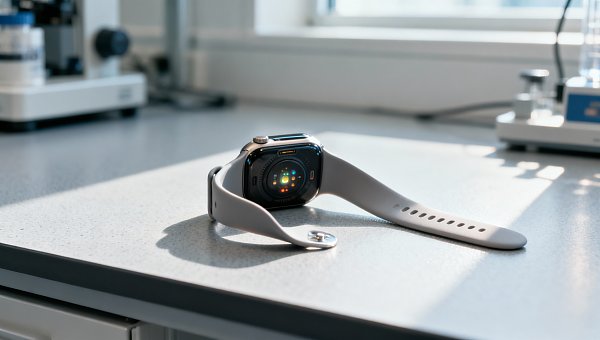
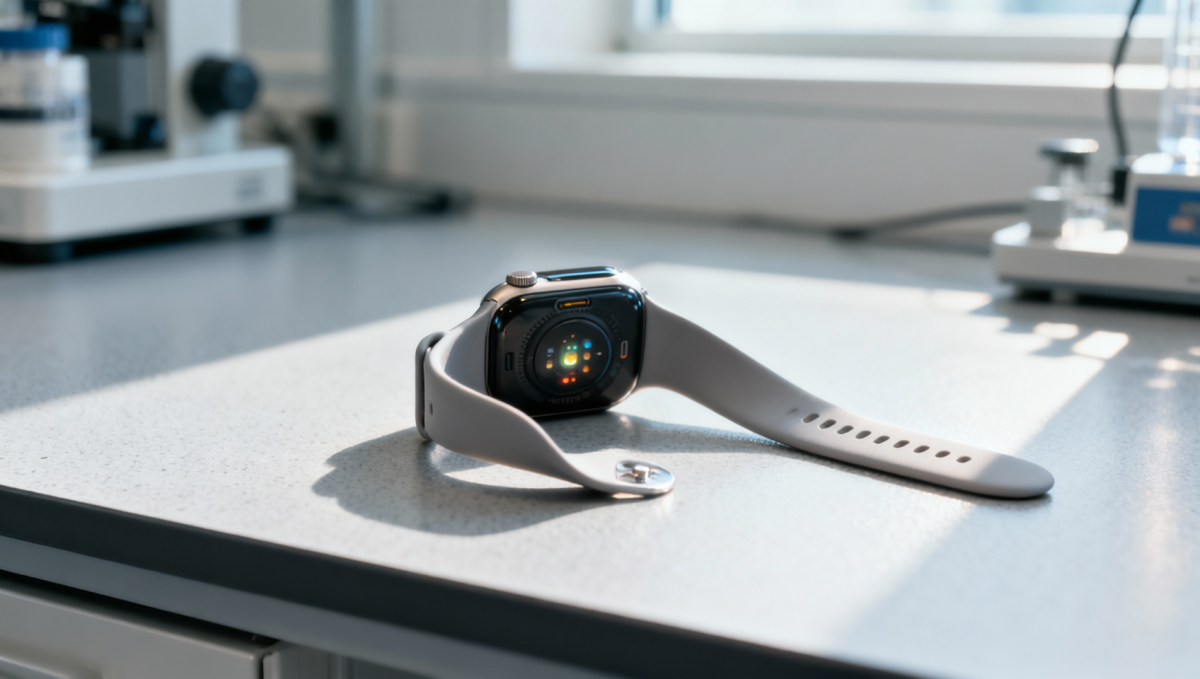
The system uses photoplethysmography, or PPG, and accelerometer data from a smartwatch. Its passive approach and lack of a required cuff calibration distinguish the research from a screening process that depends on a separate cuff measurement before the system can be used.
For wearable technology developers, that distinction raises a practical possibility: a screening function could potentially use data collected through a device people already wear, without requiring each user to calibrate it with a cuff. Whether that convenience translates into useful screening would depend on how reliably the system performs in its intended setting and how results are communicated and followed up.
The study also concerns detection of hypertension signs, rather than establishing that a smartwatch can replace a cuff for every blood pressure measurement. The reported figures describe screening performance; they do not specify an exact blood pressure reading or establish the system's suitability for diagnosis or treatment decisions.
Questions for further evaluation
The clinical study included 196 people. Further evaluation would help clarify how consistently the reported performance holds across other groups and conditions of use. That question matters both for people whose hypertension might be missed and for those who might receive an alert despite not having the condition.
Another point to watch is the role proposed for the technology in a care pathway. A screening tool could be useful if it prompts appropriate follow-up, but its practical value would depend on what happens after both positive and negative results. Clear communication would be needed to avoid treating an alert as a diagnosis or a negative screen as a guarantee that hypertension is absent.
For now, the study demonstrates a research approach to cuffless hypertension screening using smartwatch sensors and AI. Its reported results provide a basis for examining that approach further, while leaving its performance in broader use and its eventual clinical role open to evaluation.
Search News
Hot Articles
- Travel ServicesSpain Hotel Overnight Stays Rise 1.6% as Prices Increase 7.4% in October 2026Nov 24, 2026
- Watch OEM & SmartwatchesGoogle Research Studies Cuffless Hypertension Screening Using Smartwatch AINov 24, 2026
- Fashion & Gem JewelryHainan Jewelry Industry Explores Free Trade Port Policy and Cluster DevelopmentNov 24, 2026
Popular Tags
Need ExpertConsultation?
Connect with our specialized leisureengineering team for procurementstrategies.
Recommended News
 Nov 24, 2026Google Research Studies Cuffless Hypertension Screening Using Smartwatch AIGoogle Research explores cuffless hypertension screening with smartwatch AI. Discover the study results, potential benefits and key limitations.● Luxury Retail Analyst
 Nov 24, 2026Wholesale Quartz Iced-Out Watches: How to Evaluate SuppliersSourcing quartz iced out watches wholesale? Learn how to compare suppliers, verify quality, control landed costs, and protect your margins.● Luxury Retail Analyst
 Oct 21, 2026Watch Movement Parts: How to Check Compatibility With a Specific CaliberWatchmaking components and movement parts must match your exact caliber. Learn how to verify references, dimensions, and performance to avoid costly mismatches and source with confidence.● Luxury Retail Analyst
 Sep 08, 2026Water-Resistant Commercial Watches: Choosing Ratings for Workwear and Promotional UseWater resistant commercial watch guide: match 3, 5, or 10 ATM ratings to workwear and promotional needs, verify testing, and protect your budget and brand.● Luxury Retail Analyst
 Sep 07, 2026Commercial Watch Bulk Orders: How to Evaluate Pricing Tiers, Lead Times, and SamplesCommercial watch bulk order guide: evaluate pricing tiers, lead times, samples, landed costs, and supplier readiness to protect margins and launch on schedule.● Luxury Retail Analyst
 Sep 06, 2026Private Label Commercial Watches: A Buyer's Checklist for Branding, MOQ, and QCPrivate label commercial watch sourcing made simple: explore branding, MOQ, materials, supplier QC, and approval steps to build a reliable, market-ready watch program.● Luxury Retail Analyst
 Aug 16, 2026Where to Source Moissanite Iced Out Watches Wholesale Without Sacrificing QualityMoissanite iced out watches wholesale buyers: learn how to source factory-direct quality, verify stone setting and plating, and reduce risk before placing bulk orders.● Luxury Retail Analyst
 Aug 12, 2026How to Evaluate Luxury Watch Winders Wholesale for Retail and Gift Supply?Luxury watch winders wholesale buying guide: learn how to assess quality, noise, compatibility, OEM options, and supplier risk for retail, hospitality, and premium gift supply.● Luxury Retail Analyst
 Jul 15, 2026Kids Smart Watches for School: Key Features Parents Should Compare Before BuyingKids smart watches for school: compare school mode, safe calling, GPS accuracy, battery life, comfort, and privacy controls before you buy the best fit for your child.● Luxury Retail Analyst
 Jul 07, 2026Wholesale Mechanical Watches Stainless Steel: What to Check Before Placing a Bulk OrderWholesale mechanical watches stainless steel sourcing guide: learn how to verify movement quality, steel grade, compliance, and supplier reliability before placing a bulk order.● Luxury Retail Analyst
 Jul 05, 2026Nurse Watches Bulk Buying Guide: Styles, Compliance, and Order QuantitiesNurse watches bulk buying made simple: compare styles, compliance checks, MOQ strategy, and supplier reliability to reduce risk and place smarter orders.● Luxury Retail Analyst
 Jul 05, 2026Stainless Steel Watch Bands Clasp Guide: Types, Fit, and Common Locking IssuesStainless steel watch bands clasp guide covering clasp types, fit checks, and common locking issues. Learn how to compare options, avoid failures, and choose a secure, comfortable band with confidence.● Luxury Retail Analyst
 Jun 30, 2026SASO Arabic UI Rule Tightens Smartwatch ExportsSASO Arabic UI Rule Tightens Smartwatch Exports as Saudi Arabia mandates full Arabic support by Oct 1, 2026. Learn the compliance risks, testing impact, and export actions now.● Luxury Retail Analyst
 Jun 30, 2026How to Source Silicone Watch Bands Bulk: MOQ, Material Grades, and OEM OptionsSilicone watch bands bulk sourcing made simple: compare MOQ, material grades, quality control, and OEM options to reduce risk, choose reliable suppliers, and buy with confidence.● Luxury Retail Analyst
 Jun 29, 2026Saudi SASO Adds Arabic UI Check for SmartwatchesSaudi SASO Adds Arabic UI Check for Smartwatches: learn how the 2026 Arabic UI verification may affect OEM models, certification, imports, and retail listings in Saudi Arabia.● Luxury Retail Analyst
 Jun 17, 2026Automatic Watches OEM Explained: Movement Options, Case Materials, and CustomizationAutomatic watches OEM explained: compare movement options, case materials, and customization factors that shape quality, brand value, and supplier reliability.● Luxury Retail Analyst
 Jun 11, 2026REACH SVHC Update Hits Watch OEMs and SmartwatchesREACH SVHC update puts Watch OEM and smartwatch exports to the EU under new pressure. See how SCIP filing, supplier declarations, and material checks can protect shipments before the 2026 deadline.● Luxury Retail Analyst
 Jun 10, 2026REACH SVHC Update Adds New Watch Export Compliance DutiesREACH SVHC update puts Watch OEM and smartwatch exporters under new EU compliance pressure. Learn the new SCIP duties, 0.1% threshold risks, and what teams must do before December 2026.● Luxury Retail Analyst
 Jun 08, 2026Commercial Watch vs Retail Watch: Key Differences in OEM Specs, Pricing, and Use CasesCommercial watch vs retail watch: discover key OEM specs, pricing factors, and use cases to choose the right sourcing strategy, reduce risk, and improve brand fit.● Luxury Retail Analyst
 Jun 05, 2026Watch Hands and Crowns: Key Specs to Check for OEM Repair and AssemblyWatch hands and crowns for OEM repair and assembly: learn the key specs to verify for fit, sealing, durability, and repeatable quality before approval.● Luxury Retail Analyst
 Jun 02, 2026Sapphire Watch Glass vs Mineral Glass: Durability, Clarity, and Cost DifferencesSapphire watch glass vs mineral glass: compare scratch resistance, clarity, impact behavior, and cost to choose the right lens for premium or value-driven watches.● Luxury Retail Analyst
 May 23, 2026What should buyers check before sourcing iced out watches wholesale?Iced out watches wholesale buyers should check material honesty, stone setting, durability, and supplier compliance before ordering to reduce returns and protect profit.● Luxury Retail Analyst
 May 02, 2026Zheng Qinwen’s Madrid Exit Delays EU Orders for Smart Tennis WearablesSmart tennis wearables face EU procurement delays after Zheng Qinwen’s Madrid Open exit — key for manufacturers navigating WTA data privacy guidelines.● Luxury Retail Analyst
 Apr 30, 2026What separates a commercial watch from a fashion driven modelCommercial watch buying explained: discover how durability, precision, serviceability, and channel fit separate true commercial models from fashion-led watches for retail, gifting, and hospitality.● Luxury Retail Analyst