REACH SVHC Update Adds New Watch Export Compliance Duties
On December 1, 2026, the compliance scope for Watch OEM and smartwatch exports to the EU moves into a more operational phase. Following ECHA’s June 7, 2026 update to the REACH SVHC Candidate List, three newly added substances linked to flame-retardant coatings on flexible circuit boards and colorants used in watch straps now require closer attention. For finished watches and smartwatches containing any of these substances above 0.1%, the requirement from December 2026 is not only product review, but also SCIP notification and downstream safety information delivery, making this a direct issue for exporters, manufacturers, sourcing teams, and customer-facing compliance functions.
What the update formally changes
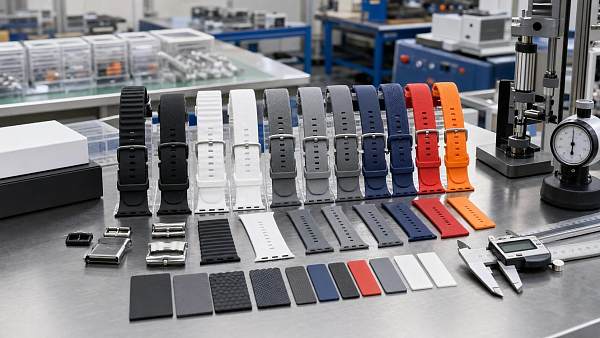
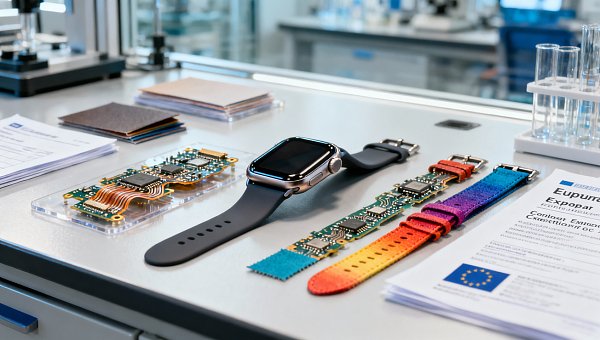
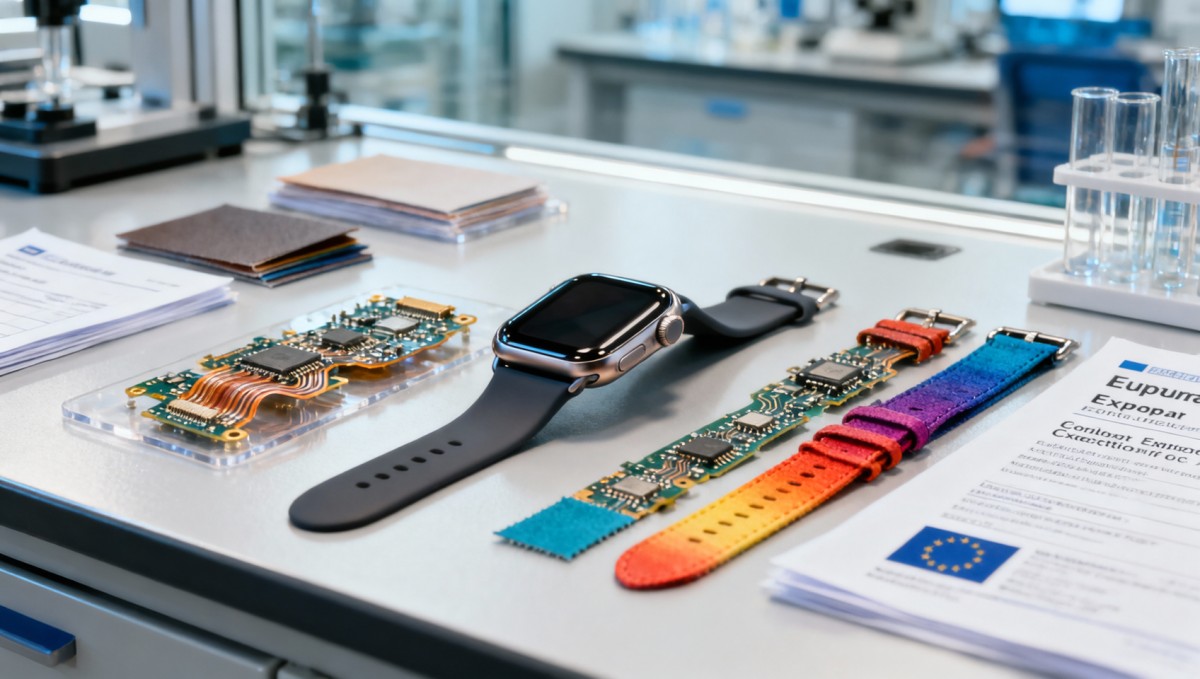
The confirmed change is tied to ECHA’s official update of the SVHC Candidate List on June 7, 2026, identified as the 29th batch. According to the provided event summary, three substances were added, and they are used in flame-retardant coatings for smartwatch flexible circuit boards and in colorants for watch straps.
From December 2026, if a finished Watch OEM or smartwatch product contains any one of these substances at a concentration above 0.1%, the product must be notified to ECHA through SCIP. The same event summary also states that a safety data summary must be provided to downstream customers.
Where the pressure is likely to appear first
Export-facing product compliance teams
From an industry perspective, the first impact is likely to fall on teams responsible for EU-bound product compliance. Their exposure comes from the need to determine whether finished products cross the 0.1% threshold and, if they do, to prepare SCIP-related handling and downstream information support.
Material sourcing and supplier coordination
Analysis shows that procurement and supplier management functions may be affected because the substances cited in the update are associated with specific material uses, namely flexible circuit board coatings and strap colorants. This makes substance identification, supplier declaration collection, and material-level communication more sensitive in sourcing and incoming documentation workflows.
Manufacturing and delivery planning
For processing and manufacturing businesses, the issue is not limited to material selection. It also reaches delivery preparation, document readiness, and customer communication before shipment. What deserves closer attention is whether internal product records and supporting compliance files can match the December 2026 execution point without delaying export arrangements.
Downstream buyers and channel partners
Downstream customers and distribution-side participants may also feel the impact because the provided information explicitly mentions safety data summaries for downstream parties. In practice, this means customers may ask earlier and more frequently for substance-related documentation, especially where imported finished devices need supporting compliance records for internal review.
What companies should monitor now
Confirm which products fall into the affected scope
The immediate practical issue is product mapping. Companies involved in watches and smartwatches exported to the EU should focus on whether the affected substance uses appear in their flexible circuit board coating systems or watch strap coloring materials, and whether those uses are present in finished products above the stated threshold.
Track the gap between legal wording and business execution
Observably, the legal trigger in the provided information is clear, but the operational burden sits in execution. Businesses should distinguish between the rule itself and the internal steps needed to support it, including product screening, supplier document collection, SCIP preparation, and downstream information delivery.
Review supplier documentation and response timing
What deserves closer attention is not only whether suppliers can provide substance-related declarations, but also whether those documents can support shipment timing and customer requests. For export businesses, documentation lag can become a commercial issue even before any formal filing deadline pressure is felt internally.
Prepare customer communication in advance
Because the event summary specifically refers to providing a safety data summary to downstream customers, sales support, account teams, and compliance contacts should be aligned early. This is particularly relevant where customers expect pre-shipment clarity on substance status and filing-related readiness.
How this signal should be read
Analysis shows that this development is more than a narrow list update for the watch segment, but it should not be overstated as a fully settled long-term outcome beyond the facts provided. At this stage, it is more appropriate to understand it as an immediate compliance signal with direct execution consequences from December 2026, especially for EU export flows involving smartwatch materials named in the event summary.
From an industry perspective, the significance lies in where the newly added substances are used. Because the update touches flexible circuit board coatings and strap colorants, the issue reaches both electronic component design and visible exterior materials. That cross-functional nature is why sourcing, manufacturing, and export compliance may need to respond together rather than in isolation.
A practical reading for the watch supply chain
In summary, the key industry meaning of this update is not simply that three more substances were added to the SVHC Candidate List. The more relevant point for Watch OEM and smartwatch businesses is that the December 2026 threshold-based obligation can translate directly into SCIP notification duties and downstream information responsibilities for finished goods entering EU-related trade.
It is more appropriate to understand this as a concrete short-term compliance change with broader supply-chain implications still worth watching. The confirmed facts already justify internal review, while the full business impact will depend on how affected companies verify substance presence, organize documentation, and manage downstream communication.
Basis of this article and points for follow-up
This article is based on the user-provided news title, event date, and event summary. The confirmed inputs used here are the December 1, 2026 timing reference, ECHA’s June 7, 2026 update to the 29th SVHC Candidate List batch, the addition of three substances used in smartwatch flexible circuit board flame-retardant coatings and watch strap colorants, and the stated requirement from December 2026 for SCIP notification and downstream safety data summaries where concentration exceeds 0.1%.
For this type of industry development, commonly relevant source categories would include official notices, company disclosures, industry association updates, authoritative media coverage, and standard or regulatory documents. No specific official source link was provided in the input, so the exact source document should continue to be verified. Follow-up attention should remain on any official wording updates, implementation details tied to SCIP filing practice, and how affected exporters define product scope in actual business workflows.
Search News
Hot Articles
- Pro Stage AudioRME Launches ADI-2/4 PRO EX Audio Converter with Integrated ProcessingOct 24, 2026
- Office Furniture & EquipOffice Phone Booths: How to Evaluate Speech Privacy Before You BuyOct 24, 2026
- Outdoor RidesComcast Q3 Earnings: Universal Theme Park Revenue Falls 4.4% to $2.6 BillionOct 23, 2026
Popular Tags
Need ExpertConsultation?
Connect with our specialized leisureengineering team for procurementstrategies.
Recommended News
 Oct 21, 2026Watch Movement Parts: How to Check Compatibility With a Specific CaliberWatchmaking components and movement parts must match your exact caliber. Learn how to verify references, dimensions, and performance to avoid costly mismatches and source with confidence.● Luxury Retail Analyst
 Sep 08, 2026Water-Resistant Commercial Watches: Choosing Ratings for Workwear and Promotional UseWater resistant commercial watch guide: match 3, 5, or 10 ATM ratings to workwear and promotional needs, verify testing, and protect your budget and brand.● Luxury Retail Analyst
 Sep 07, 2026Commercial Watch Bulk Orders: How to Evaluate Pricing Tiers, Lead Times, and SamplesCommercial watch bulk order guide: evaluate pricing tiers, lead times, samples, landed costs, and supplier readiness to protect margins and launch on schedule.● Luxury Retail Analyst
 Sep 06, 2026Private Label Commercial Watches: A Buyer's Checklist for Branding, MOQ, and QCPrivate label commercial watch sourcing made simple: explore branding, MOQ, materials, supplier QC, and approval steps to build a reliable, market-ready watch program.● Luxury Retail Analyst
 Aug 16, 2026Where to Source Moissanite Iced Out Watches Wholesale Without Sacrificing QualityMoissanite iced out watches wholesale buyers: learn how to source factory-direct quality, verify stone setting and plating, and reduce risk before placing bulk orders.● Luxury Retail Analyst
 Aug 12, 2026How to Evaluate Luxury Watch Winders Wholesale for Retail and Gift Supply?Luxury watch winders wholesale buying guide: learn how to assess quality, noise, compatibility, OEM options, and supplier risk for retail, hospitality, and premium gift supply.● Luxury Retail Analyst
 Jul 15, 2026Kids Smart Watches for School: Key Features Parents Should Compare Before BuyingKids smart watches for school: compare school mode, safe calling, GPS accuracy, battery life, comfort, and privacy controls before you buy the best fit for your child.● Luxury Retail Analyst
 Jul 07, 2026Wholesale Mechanical Watches Stainless Steel: What to Check Before Placing a Bulk OrderWholesale mechanical watches stainless steel sourcing guide: learn how to verify movement quality, steel grade, compliance, and supplier reliability before placing a bulk order.● Luxury Retail Analyst
 Jul 05, 2026Nurse Watches Bulk Buying Guide: Styles, Compliance, and Order QuantitiesNurse watches bulk buying made simple: compare styles, compliance checks, MOQ strategy, and supplier reliability to reduce risk and place smarter orders.● Luxury Retail Analyst
 Jul 05, 2026Stainless Steel Watch Bands Clasp Guide: Types, Fit, and Common Locking IssuesStainless steel watch bands clasp guide covering clasp types, fit checks, and common locking issues. Learn how to compare options, avoid failures, and choose a secure, comfortable band with confidence.● Luxury Retail Analyst
 Jun 30, 2026SASO Arabic UI Rule Tightens Smartwatch ExportsSASO Arabic UI Rule Tightens Smartwatch Exports as Saudi Arabia mandates full Arabic support by Oct 1, 2026. Learn the compliance risks, testing impact, and export actions now.● Luxury Retail Analyst
 Jun 30, 2026How to Source Silicone Watch Bands Bulk: MOQ, Material Grades, and OEM OptionsSilicone watch bands bulk sourcing made simple: compare MOQ, material grades, quality control, and OEM options to reduce risk, choose reliable suppliers, and buy with confidence.● Luxury Retail Analyst
 Jun 29, 2026Saudi SASO Adds Arabic UI Check for SmartwatchesSaudi SASO Adds Arabic UI Check for Smartwatches: learn how the 2026 Arabic UI verification may affect OEM models, certification, imports, and retail listings in Saudi Arabia.● Luxury Retail Analyst
 Jun 17, 2026Automatic Watches OEM Explained: Movement Options, Case Materials, and CustomizationAutomatic watches OEM explained: compare movement options, case materials, and customization factors that shape quality, brand value, and supplier reliability.● Luxury Retail Analyst
 Jun 11, 2026REACH SVHC Update Hits Watch OEMs and SmartwatchesREACH SVHC update puts Watch OEM and smartwatch exports to the EU under new pressure. See how SCIP filing, supplier declarations, and material checks can protect shipments before the 2026 deadline.● Luxury Retail Analyst
 Jun 10, 2026REACH SVHC Update Adds New Watch Export Compliance DutiesREACH SVHC update puts Watch OEM and smartwatch exporters under new EU compliance pressure. Learn the new SCIP duties, 0.1% threshold risks, and what teams must do before December 2026.● Luxury Retail Analyst
 Jun 08, 2026Commercial Watch vs Retail Watch: Key Differences in OEM Specs, Pricing, and Use CasesCommercial watch vs retail watch: discover key OEM specs, pricing factors, and use cases to choose the right sourcing strategy, reduce risk, and improve brand fit.● Luxury Retail Analyst
 Jun 05, 2026Watch Hands and Crowns: Key Specs to Check for OEM Repair and AssemblyWatch hands and crowns for OEM repair and assembly: learn the key specs to verify for fit, sealing, durability, and repeatable quality before approval.● Luxury Retail Analyst
 Jun 02, 2026Sapphire Watch Glass vs Mineral Glass: Durability, Clarity, and Cost DifferencesSapphire watch glass vs mineral glass: compare scratch resistance, clarity, impact behavior, and cost to choose the right lens for premium or value-driven watches.● Luxury Retail Analyst
 May 23, 2026What should buyers check before sourcing iced out watches wholesale?Iced out watches wholesale buyers should check material honesty, stone setting, durability, and supplier compliance before ordering to reduce returns and protect profit.● Luxury Retail Analyst
 May 02, 2026Zheng Qinwen’s Madrid Exit Delays EU Orders for Smart Tennis WearablesSmart tennis wearables face EU procurement delays after Zheng Qinwen’s Madrid Open exit — key for manufacturers navigating WTA data privacy guidelines.● Luxury Retail Analyst
 Apr 30, 2026What separates a commercial watch from a fashion driven modelCommercial watch buying explained: discover how durability, precision, serviceability, and channel fit separate true commercial models from fashion-led watches for retail, gifting, and hospitality.● Luxury Retail Analyst
 Apr 30, 2026ODM watches or private label, which model fits betterODM watches or private label? Compare speed, customization, MOQ, and sourcing risk to choose the best watch model for your brand, launch timeline, and profit goals.● Luxury Retail Analyst
 Apr 24, 2026ODM Watches: Costs, MOQ, and Lead TimesODM watches guide: compare costs, MOQ, and lead times for sports and entertainment sourcing. Ideal for hospitality procurement, resort retail, and branded event merchandise buyers.● Luxury Retail Analyst