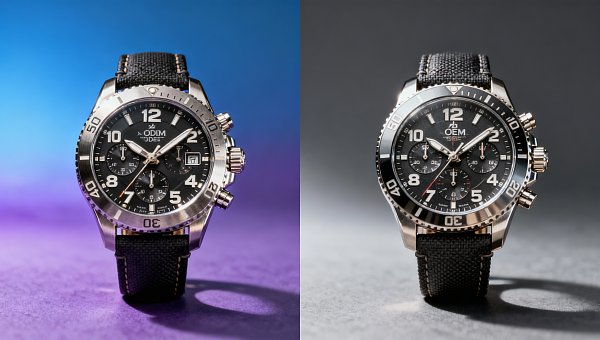
Watch Hands and Crowns: Key Specs to Check for OEM Repair and Assembly
Watch hands and crowns matter most when repair work must hold up in real use
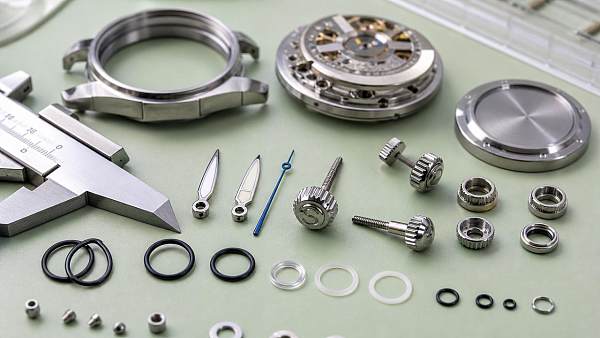
In OEM repair and assembly, watch hands and crowns are small parts with outsized consequences.
A polished finish may look correct, yet the real test is fit, sealing, hand clearance, and stable operation over time.
That is why technical review cannot stop at appearance or nominal size.
Across global sourcing channels, especially those serving premium commercial and specialty retail programs, consistency matters as much as aesthetics.
This is very much in line with the sourcing logic seen across GCT-focused markets, where design, compliance, and supply reliability are evaluated together.
For watch hands and crowns, the same principle applies.
A part that works in a low-volume restoration bench may fail in a structured after-sales program.
A crown suitable for display-oriented fashion pieces may be wrong for daily-use models needing dependable water resistance.
The reason specs change by scenario is simple: the watch is not always being used the same way
Different assembly and repair contexts create different stress points.
Some jobs prioritize exact visual matching.
Others prioritize production efficiency, gasket integrity, or repeatable stem engagement.
In practical terms, watch hands and crowns are judged by how they interact with the movement, case, dial, stem, and expected wearing conditions.
The same reference diameter does not guarantee the same user result.
Tube geometry, hand pipe tolerances, lume thickness, plating build, and crown shoulder shape all change performance.
This is where many compatibility problems begin.
Core specs usually worth checking before approval
- Hand hole sizes for hour, minute, and seconds pinions
- Overall hand length, stack height, and dial clearance
- Crown outer diameter, thickness, and grip pattern
- Stem thread compatibility and engagement depth
- Gasket type, compression behavior, and sealing target
- Surface treatment, color stability, and corrosion resistance
- Torque feel during winding and setting
For repair matching, visual accuracy is important, but tolerance control is what prevents rework
A common repair scenario involves replacing damaged watch hands and crowns while keeping the original case and movement.
Here, the challenge is not simply finding a similar part.
The replacement must align with the existing hand stack, dial printing, and crown tube condition.
Even slight variance can create rubbing, crooked hand seating, or weak stem action.
In actual workshop flow, minute-hand hole size is one of the first hidden risks.
If the fit is too tight, pressing force increases and deformation becomes likely.
If too loose, alignment drifts after impact or daily use.
Crown replacement creates a similar issue.
Outer appearance may match, yet thread pitch or tube seal geometry may not.
That often leads to poor winding feel or reduced water resistance after assembly.
What usually deserves closer checking in repair matching
Compare measured dimensions against the removed part, not just the catalog code.
Inspect the crown tube for wear before approving a new crown.
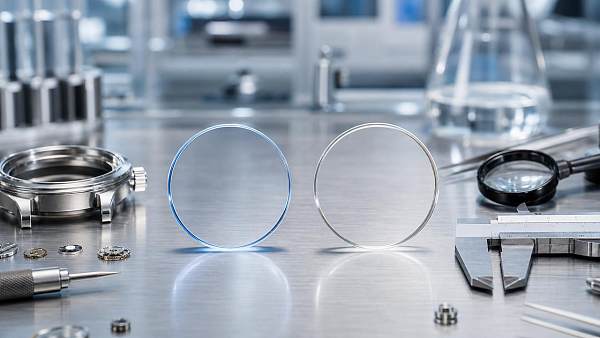
Confirm hand stack height with the installed crystal, especially on domed designs.
When luminous hands are involved, check not only color but applied material thickness.
In batch assembly, repeatability matters more than one perfect sample
The priorities shift when watch hands and crowns are being sourced for batch assembly.
A prototype that installs smoothly does not prove that the next thousand sets will behave the same way.
This is where process capability becomes part of the technical spec.
For hands, consistent hole diameter and flatness are critical.
For crowns, thread integrity and gasket consistency are equally important.
If plating thickness varies too much, hand fit changes and crown dimensions drift.
That creates a pattern of random assembly failures that is expensive to trace later.
In commercial sourcing environments, especially those linked to premium retail presentation, color consistency also becomes a quality marker.
Rose tone variation, polished edge sharpness, and logo detail on crowns can affect acceptance even when function is acceptable.
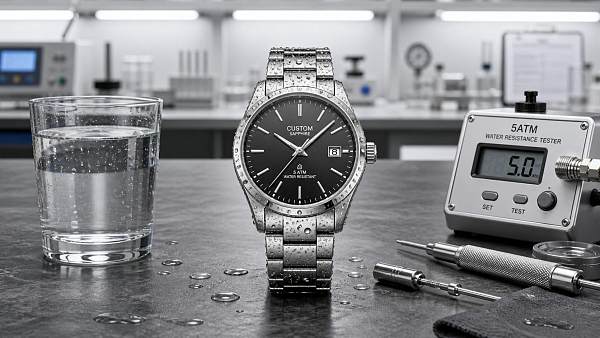
Water resistance changes the crown decision more than many teams expect
Among all watch hands and crowns checks, crown sealing is often the most underestimated.
Many approvals focus on diameter and appearance, while the true risk sits inside the seal path.
In screw-down designs, thread precision and gasket compression must work together.
In push-pull crowns, tube fit and stem alignment matter more than expected.
If the crown shoulder geometry is slightly off, the watch may close, yet not seal reliably under repeated use.
This is especially relevant for watches positioned for travel, hospitality gifting, or lifestyle retail, where appearance and practical durability are both expected.
The safer approach is to evaluate the crown together with the mating tube, stem, and gasket specification.
Isolated crown approval rarely tells the whole story.
Luxury and branded programs add another layer: finish quality must survive handling, not just inspection
For branded or higher-end collections, watch hands and crowns are often part of the identity of the watch.
A polished dauphine hand or signed crown does more than complete the design.
It signals quality at first contact.
Still, finish quality should not be judged under static lighting alone.
Hands with sharp burrs may mark easily during installation.
Crown logo recesses may trap polishing residue or lose crispness after plating.
Color-matched coatings can also age differently across components if processes are not aligned.
Where visual consistency supports brand value, durability testing should include handling, assembly contact, and cleaning exposure.
Useful checks before release
- Review crowns under magnification after repeated winding cycles
- Check hand edges for distortion after pressing
- Compare coating tone between hands, crown, case accents, and dial furniture
- Validate lume color in daylight and low light, not one condition only
Common misjudgments usually come from treating similar watches as identical projects
One frequent mistake is assuming all watch hands and crowns for the same movement family are interchangeable.
Movement compatibility is only the starting point.
Dial thickness, crystal height, case tube variation, and stem length can all change the result.
Another mistake is approving parts from drawings alone.
Drawings may show nominal values, but not practical assembly behavior.
There is also a cost trap.
Lower-priced parts can increase total expense if they raise rejection rates, require extra hand sorting, or reduce service life.
In cross-border sourcing, lead-time reliability belongs in the technical discussion too.
A perfect sample means little if replenishment lots vary or arrive without stable traceability.
A practical way to decide which watch hands and crowns fit your project
A workable decision path starts with the watch’s use condition, not the component catalog.
Clarify whether the job is restoration, repeat repair, new assembly, or premium branded output.
Then match the approval method to that scenario.
- Measure removed parts and mating parts together
- Test sample installation on actual cases, not fixtures only
- Record torque feel, sealing response, and hand clearance
- Review lot-to-lot tolerance reports before batch approval
- Set cosmetic acceptance rules separately from fit acceptance rules
- Track rework causes to refine future specifications
The most reliable sourcing decisions come from linking design intent with real operating conditions.
When watch hands and crowns are evaluated this way, compatibility issues become easier to predict.
Rework drops, after-sales consistency improves, and quality control becomes less reactive.
Before the next repair or assembly release, map the exact use scenario, confirm the critical dimensions, and verify how the full component interface behaves over time.
That is usually the difference between a part that fits on paper and one that performs in service.
Search News
Hot Articles
- Indoor PlaygroundTurnkey Playground Installation: What's Included and What Costs Extra?Oct 18, 2026
- Musical InstrumentsProfessional String Instruments: How to Evaluate Tone, Response, and ProjectionOct 17, 2026
- Restaurant FurnitureBuying Hotel Lobby Furniture Wholesale: MOQs, Freight Costs, and Lead TimesOct 16, 2026
Popular Tags
Need ExpertConsultation?
Connect with our specialized leisureengineering team for procurementstrategies.
Recommended News
 Sep 08, 2026Water-Resistant Commercial Watches: Choosing Ratings for Workwear and Promotional UseWater resistant commercial watch guide: match 3, 5, or 10 ATM ratings to workwear and promotional needs, verify testing, and protect your budget and brand.● Luxury Retail Analyst
 Sep 07, 2026Commercial Watch Bulk Orders: How to Evaluate Pricing Tiers, Lead Times, and SamplesCommercial watch bulk order guide: evaluate pricing tiers, lead times, samples, landed costs, and supplier readiness to protect margins and launch on schedule.● Luxury Retail Analyst
 Sep 06, 2026Private Label Commercial Watches: A Buyer's Checklist for Branding, MOQ, and QCPrivate label commercial watch sourcing made simple: explore branding, MOQ, materials, supplier QC, and approval steps to build a reliable, market-ready watch program.● Luxury Retail Analyst
 Aug 16, 2026Where to Source Moissanite Iced Out Watches Wholesale Without Sacrificing QualityMoissanite iced out watches wholesale buyers: learn how to source factory-direct quality, verify stone setting and plating, and reduce risk before placing bulk orders.● Luxury Retail Analyst
 Aug 12, 2026How to Evaluate Luxury Watch Winders Wholesale for Retail and Gift Supply?Luxury watch winders wholesale buying guide: learn how to assess quality, noise, compatibility, OEM options, and supplier risk for retail, hospitality, and premium gift supply.● Luxury Retail Analyst
 Jul 15, 2026Kids Smart Watches for School: Key Features Parents Should Compare Before BuyingKids smart watches for school: compare school mode, safe calling, GPS accuracy, battery life, comfort, and privacy controls before you buy the best fit for your child.● Luxury Retail Analyst
 Jul 07, 2026Wholesale Mechanical Watches Stainless Steel: What to Check Before Placing a Bulk OrderWholesale mechanical watches stainless steel sourcing guide: learn how to verify movement quality, steel grade, compliance, and supplier reliability before placing a bulk order.● Luxury Retail Analyst
 Jul 05, 2026Nurse Watches Bulk Buying Guide: Styles, Compliance, and Order QuantitiesNurse watches bulk buying made simple: compare styles, compliance checks, MOQ strategy, and supplier reliability to reduce risk and place smarter orders.● Luxury Retail Analyst
 Jul 05, 2026Stainless Steel Watch Bands Clasp Guide: Types, Fit, and Common Locking IssuesStainless steel watch bands clasp guide covering clasp types, fit checks, and common locking issues. Learn how to compare options, avoid failures, and choose a secure, comfortable band with confidence.● Luxury Retail Analyst
 Jun 30, 2026SASO Arabic UI Rule Tightens Smartwatch ExportsSASO Arabic UI Rule Tightens Smartwatch Exports as Saudi Arabia mandates full Arabic support by Oct 1, 2026. Learn the compliance risks, testing impact, and export actions now.● Luxury Retail Analyst
 Jun 30, 2026How to Source Silicone Watch Bands Bulk: MOQ, Material Grades, and OEM OptionsSilicone watch bands bulk sourcing made simple: compare MOQ, material grades, quality control, and OEM options to reduce risk, choose reliable suppliers, and buy with confidence.● Luxury Retail Analyst
 Jun 29, 2026Saudi SASO Adds Arabic UI Check for SmartwatchesSaudi SASO Adds Arabic UI Check for Smartwatches: learn how the 2026 Arabic UI verification may affect OEM models, certification, imports, and retail listings in Saudi Arabia.● Luxury Retail Analyst
 Jun 17, 2026Automatic Watches OEM Explained: Movement Options, Case Materials, and CustomizationAutomatic watches OEM explained: compare movement options, case materials, and customization factors that shape quality, brand value, and supplier reliability.● Luxury Retail Analyst
 Jun 11, 2026REACH SVHC Update Hits Watch OEMs and SmartwatchesREACH SVHC update puts Watch OEM and smartwatch exports to the EU under new pressure. See how SCIP filing, supplier declarations, and material checks can protect shipments before the 2026 deadline.● Luxury Retail Analyst
 Jun 10, 2026REACH SVHC Update Adds New Watch Export Compliance DutiesREACH SVHC update puts Watch OEM and smartwatch exporters under new EU compliance pressure. Learn the new SCIP duties, 0.1% threshold risks, and what teams must do before December 2026.● Luxury Retail Analyst
 Jun 08, 2026Commercial Watch vs Retail Watch: Key Differences in OEM Specs, Pricing, and Use CasesCommercial watch vs retail watch: discover key OEM specs, pricing factors, and use cases to choose the right sourcing strategy, reduce risk, and improve brand fit.● Luxury Retail Analyst
 Jun 05, 2026Watch Hands and Crowns: Key Specs to Check for OEM Repair and AssemblyWatch hands and crowns for OEM repair and assembly: learn the key specs to verify for fit, sealing, durability, and repeatable quality before approval.● Luxury Retail Analyst
 Jun 02, 2026Sapphire Watch Glass vs Mineral Glass: Durability, Clarity, and Cost DifferencesSapphire watch glass vs mineral glass: compare scratch resistance, clarity, impact behavior, and cost to choose the right lens for premium or value-driven watches.● Luxury Retail Analyst
 May 23, 2026What should buyers check before sourcing iced out watches wholesale?Iced out watches wholesale buyers should check material honesty, stone setting, durability, and supplier compliance before ordering to reduce returns and protect profit.● Luxury Retail Analyst
 May 02, 2026Zheng Qinwen’s Madrid Exit Delays EU Orders for Smart Tennis WearablesSmart tennis wearables face EU procurement delays after Zheng Qinwen’s Madrid Open exit — key for manufacturers navigating WTA data privacy guidelines.● Luxury Retail Analyst
 Apr 30, 2026What separates a commercial watch from a fashion driven modelCommercial watch buying explained: discover how durability, precision, serviceability, and channel fit separate true commercial models from fashion-led watches for retail, gifting, and hospitality.● Luxury Retail Analyst
 Apr 30, 2026ODM watches or private label, which model fits betterODM watches or private label? Compare speed, customization, MOQ, and sourcing risk to choose the best watch model for your brand, launch timeline, and profit goals.● Luxury Retail Analyst
 Apr 24, 2026ODM Watches: Costs, MOQ, and Lead TimesODM watches guide: compare costs, MOQ, and lead times for sports and entertainment sourcing. Ideal for hospitality procurement, resort retail, and branded event merchandise buyers.● Luxury Retail Analyst
 Apr 24, 2026ODM Watches vs OEM: Which Fits Your Brand?ODM watches vs OEM: compare speed, cost, design control, MOQ, and brand value. A practical guide for hospitality procurement, retailers, and distributors.● Luxury Retail Analyst