Commercial Watch vs Retail Watch: Key Differences in OEM Specs, Pricing, and Use Cases
Choosing between a commercial watch and a retail watch is rarely a matter of style alone. In business settings, the decision affects sourcing cost, customization scope, compliance risk, and long-term brand fit.
A retail timepiece is usually designed for individual purchase. A commercial watch, by contrast, is specified for programs, properties, collections, promotions, uniforms, gifting, resale channels, or branded distribution.
That difference matters more now because premiumization is reshaping hospitality, specialty retail, and experience-led commercial spaces. In sectors tracked by Global Commercial Trade, watches are often evaluated as both functional products and brand assets.
What separates a commercial watch from a retail watch
At the simplest level, retail watches are built for open-market appeal. They are sold through boutiques, department stores, e-commerce channels, and brand-owned stores with fixed product definitions.
A commercial watch is developed around a business objective. That objective may be private labeling, corporate gifting, hotel retail, event merchandise, licensed collections, or custom programs for luxury and institutional environments.
The end user may still wear both products in the same way. The real distinction lies upstream, in development logic, supply chain structure, and procurement criteria.
The buying logic is different
Retail buying tends to prioritize immediate sell-through, brand storytelling, and margin by SKU. Commercial watch sourcing usually starts with target cost, required specifications, lead time, and customization limits.
This is why two watches that look similar on the surface can perform very differently in procurement reviews.
OEM specifications shape the commercial decision
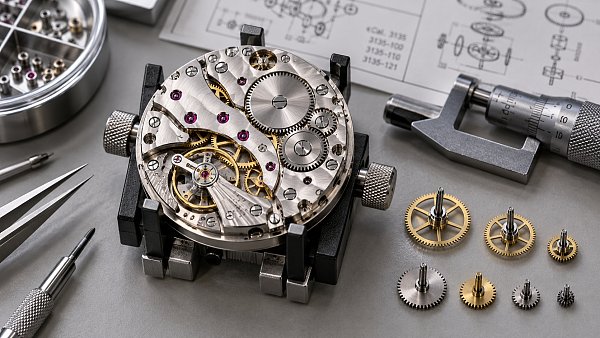
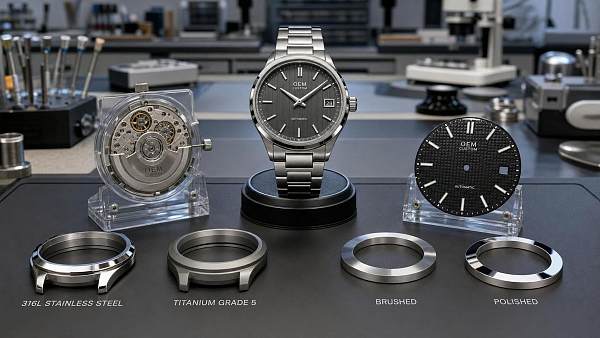
OEM structure is one of the clearest dividing lines. A retail watch often arrives as a finished concept. A commercial watch is frequently negotiated through components, tolerances, testing, packaging, and branding details.
In practice, that means the specification sheet matters as much as the visual design.
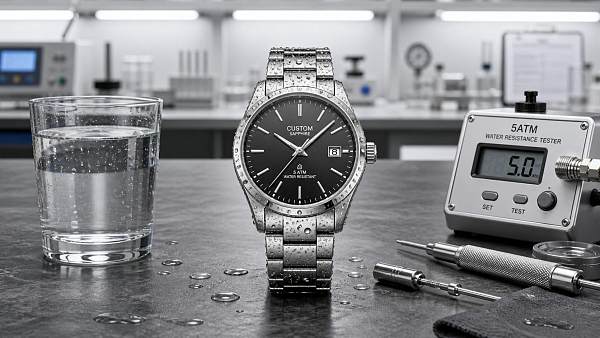
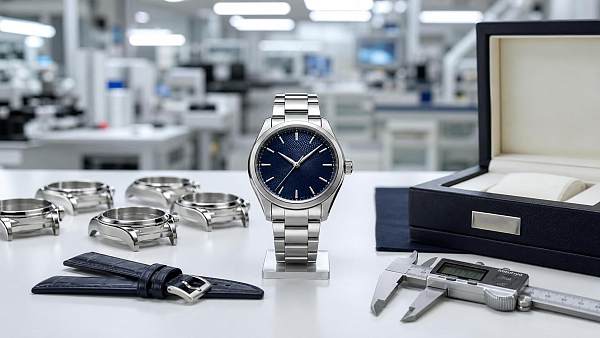
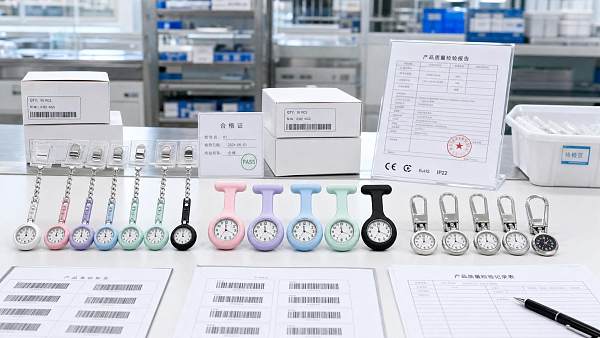
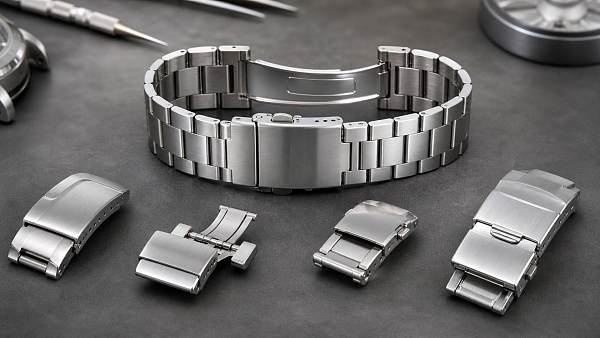
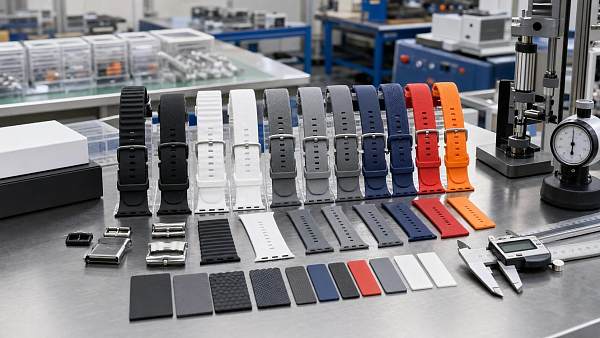
For a commercial watch program, small specification changes can move the landed cost dramatically. Water resistance, steel grade, strap material, plating thickness, and packaging format all influence the final equation.
Why specification depth matters
A watch intended for hotel boutiques, executive gifts, or branded attractions may need a premium look without the service burden of mechanical movements. Another program may need scratch resistance and consistent color matching across large runs.
That is why commercial sourcing focuses less on brochure language and more on verified build standards.
Pricing models are built on volume, not shelf tags
Retail pricing reflects branding, channel markup, seasonal campaigns, and consumer packaging. Commercial watch pricing is more structural. It depends on MOQ, tooling, material mix, testing costs, packaging complexity, and shipment planning.
This often surprises first-time researchers. A lower unit quote does not always mean a better commercial result.
- A cheaper movement may increase failure rates and raise after-sales cost.
- Complex gift boxes can distort the total budget more than case upgrades.
- Small-batch customization may trigger tooling or setup charges that erase savings.
- Rush production can change both unit economics and quality consistency.
In commercial trade, pricing should be read as a full-program cost. That includes approvals, sampling, packaging, freight mode, import requirements, and acceptable defect thresholds.
For this reason, a commercial watch comparison should never stop at ex-factory price alone.
Use cases reveal the real differences
The strongest way to understand the category is through where the watch will actually be used. Commercial applications are broader than simple resale.
Hospitality and branded environments
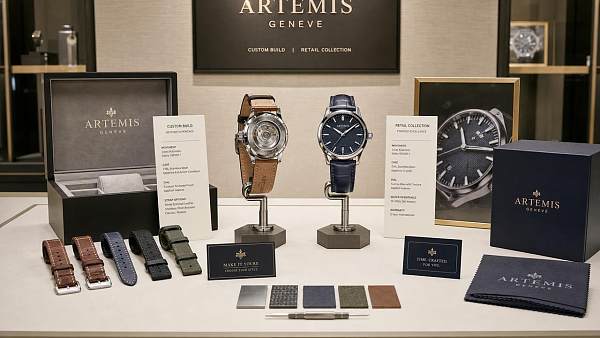
Luxury hotels, resort boutiques, and destination properties may source a commercial watch as part of their branded merchandise strategy. Here, packaging, finish, and perceived exclusivity matter as much as margin.
The watch becomes part of the guest experience, not just a product on display.
Corporate and institutional programs
In campuses, commemorative programs, and executive recognition projects, the preferred commercial watch usually emphasizes reliability, visual coherence, and controlled customization rather than fashion-season turnover.
Specialty retail and co-branded collections
Jewelry and luxury accessory channels may use a commercial watch to test private-label concepts or market-specific editions. This allows tighter control over price architecture and design language.
Retail watches remain relevant here, especially when established brand equity is the main selling point. But they offer far less flexibility.
Current market attention is shifting toward controlled customization
Across experience-driven sectors, businesses want products that feel exclusive without creating operational complexity. That makes the commercial watch category particularly relevant.
The watch sits at an interesting intersection. It carries emotional value, visible branding, and giftability, yet it can still be engineered within clear cost parameters.
GCT’s broader sourcing perspective is useful here because watch programs often connect to larger commercial environments. A watch chosen for a hotel shop, premium campus store, or leisure destination must align with the same expectations applied to other curated assets.
Those expectations include aesthetic consistency, dependable supply, documentation discipline, and suitability for international markets.
How to evaluate a commercial watch more accurately
A useful evaluation process starts by separating appearance from program requirements. The watch may look premium in a sample, yet still fail on scalability or compliance.
- Define the exact use case before discussing materials or movement upgrades.
- Check whether MOQ matches realistic sales or distribution volume.
- Confirm which elements are truly customizable and which are only cosmetic.
- Review warranty handling, replacement policy, and acceptable defect rates.
- Ask for testing records that support water resistance, plating, and material claims.
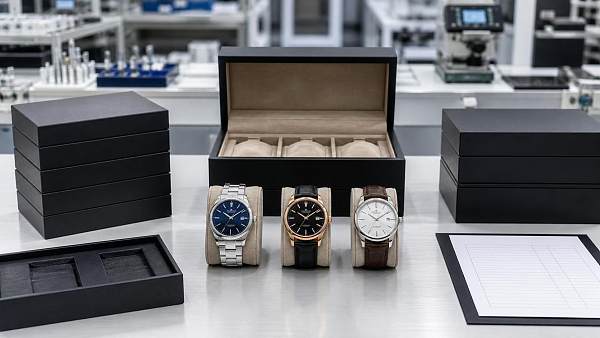
- Compare packaging formats because presentation cost can heavily affect margins.
It also helps to assess whether the commercial watch is meant to reinforce an existing brand story or create a new entry point. Those are different strategies and they lead to different specifications.
Where retail watches still make better sense
Retail watches remain the stronger choice when immediate brand recognition matters more than customization. They also fit situations where volume is uncertain, lead times are short, or after-sales systems depend on established labels.
In other words, not every program needs a commercial watch. Sometimes the smarter move is to source finished retail products with stable market acceptance.
The key is understanding whether value comes from brand ownership, channel flexibility, or specification control.
A practical way to move forward
A sound comparison starts with three questions: what role the watch serves, what level of customization is commercially justified, and which specifications genuinely support that role.
From there, compare commercial watch options against retail alternatives using full-program cost, not headline price. Look closely at documentation, production consistency, and the fit between the watch and the wider customer experience.
For research that leads to sourcing decisions, that framework usually gives a clearer answer than style preference alone.
Search News
Hot Articles
- Outdoor RidesIAAPA Launches Insurance Solution for North American Attractions IndustryOct 21, 2026
- Watch OEM & SmartwatchesWatch Movement Parts: How to Check Compatibility With a Specific CaliberOct 21, 2026
- Outdoor RidesEnergylandia Announces Rokan, Set to Be Europe’s Tallest and Longest B&M Wing CoasterOct 20, 2026
Popular Tags
Need ExpertConsultation?
Connect with our specialized leisureengineering team for procurementstrategies.
Recommended News
 Oct 21, 2026Watch Movement Parts: How to Check Compatibility With a Specific CaliberWatchmaking components and movement parts must match your exact caliber. Learn how to verify references, dimensions, and performance to avoid costly mismatches and source with confidence.● Luxury Retail Analyst
 Sep 08, 2026Water-Resistant Commercial Watches: Choosing Ratings for Workwear and Promotional UseWater resistant commercial watch guide: match 3, 5, or 10 ATM ratings to workwear and promotional needs, verify testing, and protect your budget and brand.● Luxury Retail Analyst
 Sep 07, 2026Commercial Watch Bulk Orders: How to Evaluate Pricing Tiers, Lead Times, and SamplesCommercial watch bulk order guide: evaluate pricing tiers, lead times, samples, landed costs, and supplier readiness to protect margins and launch on schedule.● Luxury Retail Analyst
 Sep 06, 2026Private Label Commercial Watches: A Buyer's Checklist for Branding, MOQ, and QCPrivate label commercial watch sourcing made simple: explore branding, MOQ, materials, supplier QC, and approval steps to build a reliable, market-ready watch program.● Luxury Retail Analyst
 Aug 16, 2026Where to Source Moissanite Iced Out Watches Wholesale Without Sacrificing QualityMoissanite iced out watches wholesale buyers: learn how to source factory-direct quality, verify stone setting and plating, and reduce risk before placing bulk orders.● Luxury Retail Analyst
 Aug 12, 2026How to Evaluate Luxury Watch Winders Wholesale for Retail and Gift Supply?Luxury watch winders wholesale buying guide: learn how to assess quality, noise, compatibility, OEM options, and supplier risk for retail, hospitality, and premium gift supply.● Luxury Retail Analyst
 Jul 15, 2026Kids Smart Watches for School: Key Features Parents Should Compare Before BuyingKids smart watches for school: compare school mode, safe calling, GPS accuracy, battery life, comfort, and privacy controls before you buy the best fit for your child.● Luxury Retail Analyst
 Jul 07, 2026Wholesale Mechanical Watches Stainless Steel: What to Check Before Placing a Bulk OrderWholesale mechanical watches stainless steel sourcing guide: learn how to verify movement quality, steel grade, compliance, and supplier reliability before placing a bulk order.● Luxury Retail Analyst
 Jul 05, 2026Nurse Watches Bulk Buying Guide: Styles, Compliance, and Order QuantitiesNurse watches bulk buying made simple: compare styles, compliance checks, MOQ strategy, and supplier reliability to reduce risk and place smarter orders.● Luxury Retail Analyst
 Jul 05, 2026Stainless Steel Watch Bands Clasp Guide: Types, Fit, and Common Locking IssuesStainless steel watch bands clasp guide covering clasp types, fit checks, and common locking issues. Learn how to compare options, avoid failures, and choose a secure, comfortable band with confidence.● Luxury Retail Analyst
 Jun 30, 2026SASO Arabic UI Rule Tightens Smartwatch ExportsSASO Arabic UI Rule Tightens Smartwatch Exports as Saudi Arabia mandates full Arabic support by Oct 1, 2026. Learn the compliance risks, testing impact, and export actions now.● Luxury Retail Analyst
 Jun 30, 2026How to Source Silicone Watch Bands Bulk: MOQ, Material Grades, and OEM OptionsSilicone watch bands bulk sourcing made simple: compare MOQ, material grades, quality control, and OEM options to reduce risk, choose reliable suppliers, and buy with confidence.● Luxury Retail Analyst
 Jun 29, 2026Saudi SASO Adds Arabic UI Check for SmartwatchesSaudi SASO Adds Arabic UI Check for Smartwatches: learn how the 2026 Arabic UI verification may affect OEM models, certification, imports, and retail listings in Saudi Arabia.● Luxury Retail Analyst
 Jun 17, 2026Automatic Watches OEM Explained: Movement Options, Case Materials, and CustomizationAutomatic watches OEM explained: compare movement options, case materials, and customization factors that shape quality, brand value, and supplier reliability.● Luxury Retail Analyst
 Jun 11, 2026REACH SVHC Update Hits Watch OEMs and SmartwatchesREACH SVHC update puts Watch OEM and smartwatch exports to the EU under new pressure. See how SCIP filing, supplier declarations, and material checks can protect shipments before the 2026 deadline.● Luxury Retail Analyst
 Jun 10, 2026REACH SVHC Update Adds New Watch Export Compliance DutiesREACH SVHC update puts Watch OEM and smartwatch exporters under new EU compliance pressure. Learn the new SCIP duties, 0.1% threshold risks, and what teams must do before December 2026.● Luxury Retail Analyst
 Jun 08, 2026Commercial Watch vs Retail Watch: Key Differences in OEM Specs, Pricing, and Use CasesCommercial watch vs retail watch: discover key OEM specs, pricing factors, and use cases to choose the right sourcing strategy, reduce risk, and improve brand fit.● Luxury Retail Analyst
 Jun 05, 2026Watch Hands and Crowns: Key Specs to Check for OEM Repair and AssemblyWatch hands and crowns for OEM repair and assembly: learn the key specs to verify for fit, sealing, durability, and repeatable quality before approval.● Luxury Retail Analyst
 Jun 02, 2026Sapphire Watch Glass vs Mineral Glass: Durability, Clarity, and Cost DifferencesSapphire watch glass vs mineral glass: compare scratch resistance, clarity, impact behavior, and cost to choose the right lens for premium or value-driven watches.● Luxury Retail Analyst
 May 23, 2026What should buyers check before sourcing iced out watches wholesale?Iced out watches wholesale buyers should check material honesty, stone setting, durability, and supplier compliance before ordering to reduce returns and protect profit.● Luxury Retail Analyst
 May 02, 2026Zheng Qinwen’s Madrid Exit Delays EU Orders for Smart Tennis WearablesSmart tennis wearables face EU procurement delays after Zheng Qinwen’s Madrid Open exit — key for manufacturers navigating WTA data privacy guidelines.● Luxury Retail Analyst
 Apr 30, 2026What separates a commercial watch from a fashion driven modelCommercial watch buying explained: discover how durability, precision, serviceability, and channel fit separate true commercial models from fashion-led watches for retail, gifting, and hospitality.● Luxury Retail Analyst
 Apr 30, 2026ODM watches or private label, which model fits betterODM watches or private label? Compare speed, customization, MOQ, and sourcing risk to choose the best watch model for your brand, launch timeline, and profit goals.● Luxury Retail Analyst
 Apr 24, 2026ODM Watches: Costs, MOQ, and Lead TimesODM watches guide: compare costs, MOQ, and lead times for sports and entertainment sourcing. Ideal for hospitality procurement, resort retail, and branded event merchandise buyers.● Luxury Retail Analyst