Arcade & VR Shipping Costs Rise 18% on Europe Routes
The timing of the underlying event is not clearly specified in the provided information, but data released by the Shanghai Shipping Exchange on June 9, 2026 points to a sharper logistics squeeze for Arcade & VR Machines exports on Asia-Europe routes. For manufacturers, buyers, and supply chain teams, the issue is not only higher freight pricing but also longer delivery cycles, weaker booking certainty, and signs that some production or assembly decisions are being adjusted to protect shipment commitments.
What the latest shipping data confirms
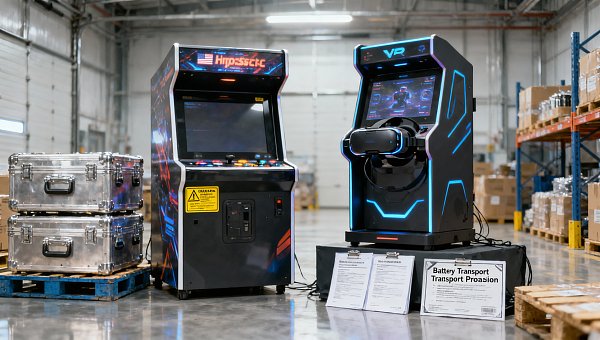
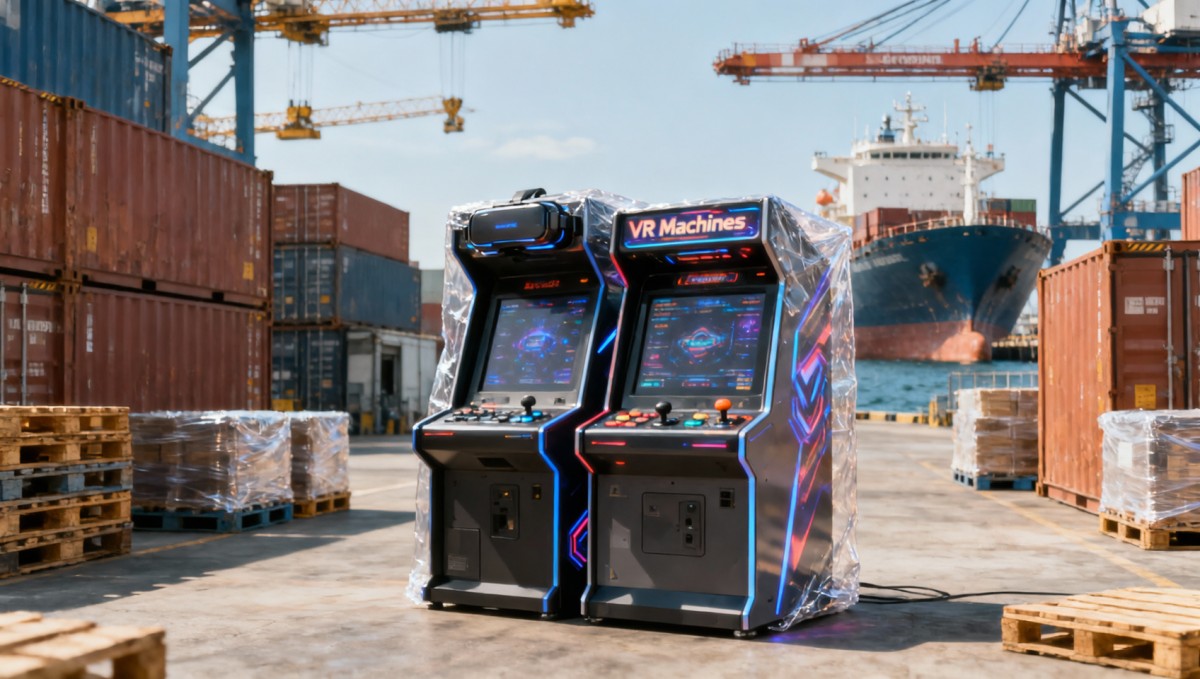
According to the provided summary citing Shanghai Shipping Exchange data dated June 9, 2026, continued disruption linked to the Red Sea situation has pushed up quoted prices for temperature-controlled cabin space used for VR equipment on key routes including Shanghai-Rotterdam and Ningbo-Hamburg. Compared with May, those quotes were up 18%.
The same information indicates that delivery lead times have extended to around six to eight weeks. In parallel, multiple Arcade & VR Machines manufacturers reported that the booking success rate for 20-foot high-cube containers was below 40%.
The provided summary also states that some orders were redirected to assembly operations in Vietnam or Mexico in order to preserve delivery schedules.
Where the pressure is likely to be felt first
Export manufacturers face a delivery planning problem
From an industry perspective, Arcade & VR Machines manufacturers are likely to feel the impact first because freight cost, container access, and transit timing directly affect confirmed export orders. The main pressure points are shipment scheduling, promised delivery windows, and the ability to match production completion with available vessel space.
Overseas buyers may see greater execution risk
Buyers and procurement teams in Europe may be affected through longer replenishment cycles and reduced predictability in cargo departure timing. What deserves closer attention is not only the quoted freight increase, but also whether delayed booking confirmation changes receiving plans, launch timing, or installation schedules.
Supply chain service providers face tighter coordination demands
For freight forwarders and other supply chain service providers, the reported shortage in available space suggests that execution risk is moving from pricing alone to capacity allocation. The operational focus is likely to shift toward booking certainty, routing coordination, and communication around lead-time changes.
Assembly networks may become more important in order fulfillment
The reported shift of some orders to Vietnam or Mexico assembly highlights a practical response within the supply chain. Analysis shows that this matters because logistics disruption is no longer affecting freight budgets alone; it is beginning to influence where final assembly is completed in order to keep delivery commitments intact.
What companies should monitor now
Booking success matters as much as freight rates
For companies shipping Arcade & VR Machines to Europe, the reported sub-40% booking success rate for 20-foot high-cube containers is a critical operational indicator. A quoted rate increase can be budgeted; low booking certainty can directly disrupt order execution.
Lead-time promises need review
With the provided summary pointing to six-to-eight-week delivery cycles, sales, logistics, and customer service teams need to pay close attention to whether current promised timelines still match actual shipping conditions. The immediate issue is contract and delivery coordination rather than broad strategic repositioning.
Assembly flexibility is becoming a live execution issue
The mention of order transfers to Vietnam or Mexico assembly suggests that some companies are already using manufacturing flexibility to protect delivery. Observably, firms with multi-location assembly options may be better positioned to respond when route pressure reduces direct export reliability.
Customer communication and documentation discipline are more important
When vessel space is tight and schedules are longer, exporters need to keep a closer watch on shipment documents, order sequencing, and communication with customers about realistic dispatch timing. Analysis shows that this is especially relevant where delivery commitments depend on coordinated production and export milestones.
Why this looks like more than a one-off freight move
Analysis shows that the current development should not be read only as a short-term freight price fluctuation. The combination of an 18% rise in quoted temperature-controlled shipping costs, lead times stretching to six to eight weeks, and a booking success rate below 40% points to a broader execution issue across transport and order fulfillment.
At the same time, it is more appropriate to understand this as an industry dynamic that still requires continued observation rather than a fully settled long-term shift. The provided information confirms current pressure, but it does not by itself establish how long these conditions will last or whether routing and assembly adjustments will become standard practice.
How this update is best understood
For the Arcade & VR Machines sector, the latest signal is that logistics volatility on Asia-Europe lanes is now affecting cost, timing, and fulfillment structure at the same time. The industry relevance lies in the interaction between transport constraints and delivery obligations, not simply in a higher freight quote.
A balanced reading is that this is currently a meaningful operating signal for exporters, buyers, and logistics partners. It is best understood as an active supply chain pressure point that may shape near-term execution decisions and therefore deserves continued monitoring rather than simplified conclusions.
Basis of this article and points for further verification
This article is based on the user-provided news title, the note that the event timing was not clearly specified, and the supplied event summary. The information presented here is therefore limited to those provided facts and separates confirmed details from analysis and observation.
For this type of industry development, commonly relevant source categories may include official exchange data, company statements, industry association updates, authoritative media reporting, and logistics market disclosures. No specific official source link was provided in the input, so further verification remains necessary.
Key points for continued observation include whether quoted shipping conditions on the affected Europe routes change further, whether delivery lead times improve or deteriorate, and whether order shifts to alternative assembly locations remain temporary responses or become a broader operating pattern.
Search News
Hot Articles
- Office Furniture & EquipOffice Phone Booths: How to Evaluate Speech Privacy Before You BuyOct 24, 2026
- Outdoor RidesComcast Q3 Earnings: Universal Theme Park Revenue Falls 4.4% to $2.6 BillionOct 23, 2026
- Restaurant FurnitureHotel Bar Furniture Prices: What to Budget for Stools, Tables, and DeliveryOct 23, 2026
Popular Tags
Need ExpertConsultation?
Connect with our specialized leisureengineering team for procurementstrategies.
Recommended News
 Oct 14, 2026Choosing a Racing Simulator Cockpit for an FEC: Durability and Guest FitChoosing a racing simulator cockpit for FEC? Discover how to assess durability, guest fit, and maintenance to reduce downtime and select a cockpit built for busy venues.● Theme Park Strategist
 Sep 15, 2026How to Choose Coin-Operated Pool Tables for Bars, Hotels, and Arcade VenuesCoin operated pool tables for bars, hotels, and arcades: compare sizes, payment systems, durability, service access, and revenue potential.● Theme Park Strategist
 Sep 08, 2026What to Look for in a Flight Simulator Chair Manufacturer for Commercial VR CentersChoose a flight simulator chair manufacturer that delivers durable, safe, customizable seating for commercial VR centers. Explore key sourcing criteria now.● Theme Park Strategist
 Aug 25, 2026What to Evaluate Before Buying Commercial Self Service Photo Booths for VenuesCommercial self service photo booths for venues: learn how to evaluate durability, software stability, branding flexibility, support, and total ROI before you buy.● Theme Park Strategist
 Aug 23, 2026How to Evaluate Wholesale Vending Machines for Multi-Location Business DeploymentWholesale vending machines for multi-location deployment require more than low unit cost. Learn how to compare reliability, payments, telemetry, and supplier support to scale smarter.● Theme Park Strategist
 Aug 17, 2026U.S. CPSC Urges Bilingual Warnings for Arcade and VR MachinesU.S. CPSC urges bilingual safety warnings for Arcade & VR Machines—learn what exporters, importers, and distributors must do now to avoid delays and returns.● Theme Park Strategist
 Aug 16, 2026EU Enforces EN IEC 62368-1:2026 Certification for Arcade and VR MachinesEU Enforces EN IEC 62368-1:2026 certification for arcade and VR machines, reshaping EU market access, customs clearance, and compliance planning for exporters and distributors.● Theme Park Strategist
 Aug 13, 2026UFLPA’s new guidelines take effect: Exports of Arcade and VR equipment face full-link labor compliance requirementsUFLPA’s new guide takes effect: Arcade and VR machine exports to the U.S. now face full-chain labor compliance checks. Discover key risks and action steps.● Theme Park Strategist
 Aug 12, 2026EU PPWR takes effect, Arcade and VR packaging incorporate heavy metal and PFAS restrictionsEU PPWR now applies to Arcade and VR packaging, tightening heavy metal and PFAS compliance. Learn how exporters can avoid delays, fines, and customs risks.● Theme Park Strategist
 Aug 11, 2026CPSC Sets Bilingual Labels for Arcade and VR ImportsCPSC bilingual labels for arcade and VR imports become mandatory on October 1, 2026. Learn the new English-Spanish warning rules, customs risks, and key compliance steps now.● Theme Park Strategist
 Aug 10, 2026EU Rule Takes Effect for Arcade & VR Machine ClearanceArcade & VR Machine clearance in the EU now depends on EN IEC 62368-1:2026+A11:2026 compliance. Learn what changed, who is affected, and how to avoid customs delays.● Theme Park Strategist
 Aug 09, 2026CPSC Requires New Labels for Arcade and VR ImportsCPSC requires new labels for Arcade and VR imports starting Oct 1, 2026. Learn the multilingual warning rules, compliance risks, and key steps exporters and buyers must take now.● Theme Park Strategist
 Aug 08, 2026EU Entry Rule Tightens for Arcade & VR MachinesArcade & VR Machines entering the EU now face stricter CE compliance under EN IEC 62368-1:2026+A11:2026. Learn the new rule, risks, and what exporters must do now.● Theme Park Strategist
 Aug 07, 2026CPSC Notice Tightens U.S. Entry Rules for Arcade and VR MachinesCPSC Notice Tightens U.S. Entry Rules for Arcade and VR Machines: learn the new labeling, FCC, UN38.3, and compliance document requirements before October 1, 2026.● Theme Park Strategist
 Aug 06, 2026EU Rule Takes Effect for CE-UKCA Labels on Arcade & VR MachinesArcade & VR Machines face new CE-UKCA label and ECPD filing rules in the EU and UK. Learn what manufacturers, importers, and distributors must do now to avoid delays.● Theme Park Strategist
 Aug 05, 2026CPSC Recalls Arcade and VR Machines Over UL 62368-1CPSC recalls arcade and VR machines over UL 62368-1 non-compliance. Learn how this 2026 safety action may affect imports, distribution, customs clearance, and market access.● Theme Park Strategist
 Aug 02, 2026EU Sets New Certification Rule for Arcade and VR MachinesArcade and VR Machines face a new EU certification rule from Oct 1, 2026. Learn how EN IEC 62368-1:2026+A11:2026 affects CE marking, customs clearance, and market access.● Theme Park Strategist
 Aug 01, 2026CPSC Moves to Require Bilingual Warnings on Arcade and VR MachinesCPSC bilingual warnings for Arcade and VR Machines may reshape U.S. import compliance. Learn how English-Spanish labels affect packaging, customs risk, and shipment readiness.● Theme Park Strategist
 Jul 31, 2026EU Sets EN IEC 62368-1:2025 Rule for Arcade and VR MachinesEU Sets EN IEC 62368-1:2025 Rule for Arcade and VR Machines. Learn the new EU compliance deadlines, safety updates, and key actions for manufacturers, OEMs, and distributors.● Theme Park Strategist
 Jul 30, 2026CPSC Sets New Warning Label Rule for Arcade & VR MachinesCPSC sets a new warning label rule for Arcade & VR Machines effective August 15, 2026. Learn key compliance risks, multilingual label requirements, and shipment actions now.● Theme Park Strategist
 Jul 29, 2026EU Enforces New Safety Standard for Arcade and VR MachinesEU Enforces New Safety Standard for Arcade and VR Machines: learn how EN IEC 62368-1 affects CE compliance, customs clearance, and EU market access for exporters and buyers.● Theme Park Strategist
 Jul 28, 2026CPSC Sets ASTM F3472-26 Rule for Arcade & VR ImportsCPSC ASTM F3472-26 rule reshapes Arcade & VR imports to the U.S. Learn key compliance deadlines, certification risks, and what exporters, OEM/ODM suppliers, and buyers should do now.● Theme Park Strategist
 Jul 27, 2026EU Rule Takes Effect for Arcade & VR Machine CybersecurityEU Rule Takes Effect for Arcade & VR Machine Cybersecurity: learn how EN IEC 62443-3-3:2025 affects compliance, customs clearance, sales continuity, and supplier planning in the EU market.● Theme Park Strategist
 Jul 25, 2026CPSC Sets Bilingual Warning Rule for Arcade and VR ImportsCPSC bilingual warning rule for arcade and VR imports takes effect August 1, 2026. Learn how OEM/ODM exporters can avoid CBP delays, relabel shipments, and protect U.S. delivery timelines.● Theme Park Strategist