Where to Source Moissanite Iced Out Watches Wholesale Without Sacrificing Quality
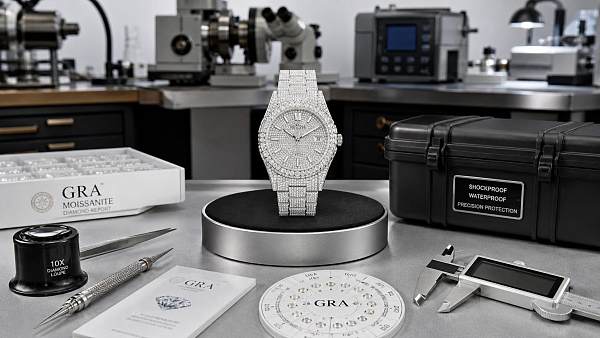
Cost pressure in moissanite iced out watches wholesale usually shows up in the same places: uneven stone grading, weak pavé setting, hollow-feeling cases passed off as heavy builds, and low-clarity after-sales terms once goods leave the factory. A lower quote can still become the expensive option if stones cloud under normal wear, plating fades quickly, links loosen in transit, or a repeated design cannot be matched on the next production run. The practical sourcing question is therefore not where the cheapest watches are listed, but where quality can be inspected, repeated, and defended in bulk.
The most dependable source is usually a manufacturer or workshop cluster with direct control over stone setting, case finishing, bracelet assembly, and final quality inspection. Trading intermediaries can be useful when mixed assortments are needed, but each extra handoff can make it harder to confirm whether the moissanite is consistently graded, whether the handset and clasp are assembled in-house, and whether the same factory will support repeat orders later. For iced-out models, consistency matters more than broad catalog size because the visual standard of the watch depends on hundreds of small components working together: center stones, melee stones, prong alignment, micro-pavé spacing, polish depth, and plating uniformity.
Where quality usually comes from
In practice, strong wholesale supply tends to come from specialized jewelry-and-watch manufacturing zones rather than from general gift or fashion accessory channels. The best candidates often have experience with custom jewelry production, CNC case work, stone matching, and metal finishing under one operating structure or within a tightly managed local network. That matters because an iced-out watch combines watch-style assembly with jewelry-level surface work. A factory that mainly produces basic alloy fashion watches may manage the case and bracelet but struggle with pavé density, stone seat depth, and surface finishing around crown guards, bezels, and lug transitions.
Factories with deeper jewelry capability often perform better when the order requires:
- precise moissanite color matching across multiple stone sizes, so the bezel row does not look warmer or milkier than the dial surround;
- secure stone setting on curved surfaces such as lugs and rounded bezels, where uneven drill depth can lead to early stone loss;
- clean metal finishing between stones, especially on fully flooded bracelets where rough burrs or excess plating can make the watch feel cheap in hand;
- OEM or ODM adjustments to case diameter, dial color, clasp engraving, or packaging without rebuilding the entire sample process from zero.
If the source cannot explain how setting, polishing, plating, and final inspection are sequenced, that is a warning sign. On an iced-out watch, process order changes the result. For example, poor masking before plating or careless post-setting polish can reduce brilliance, soften prongs, or leave compound trapped around stones.
The supplier types worth separating early
Not every wholesale source operates the same way, even when product photos look similar. A manufacturer with its own development room can usually provide clearer answers on stone size map, metal composition, movement options, and allowable logo positions. A trading company may still be workable, especially for low minimums or varied SKUs, but it should be treated as a coordination layer until proven otherwise.
Three source models appear often in this category.
Direct factory sourcing works best when repeatability matters more than broad assortment. This route is usually preferred for ongoing lines, private-label work, and orders where caseback marking, buckle branding, or custom packaging are part of the commercial plan. It also makes it easier to request sample disassembly photos, production-line videos, or specific corrections after the first prototype.
Managed exporter or sourcing office can make sense when communication, consolidation, and export handling are more important than absolute unit cost. This may be useful if the order combines watches with complementary jewelry pieces or mixed accessory packaging. The tradeoff is that technical questions can become slower unless the exporter has real authority over the workshop.
Open marketplace resellers are the riskiest for quality continuity. They may be acceptable for trend testing in very small quantities, but identical listing photos often appear across unrelated sellers. Without traceable production control, restock consistency can break quickly. A successful sample does not guarantee the next carton comes from the same bench, stone lot, or plating line.
What to ask before discussing unit price
Quotations are easier to compare once the product is pinned down at a technical level. “Moissanite iced out watch” is too broad to price meaningfully because the cost changes with stone size spread, metal base, movement choice, plating thickness, bracelet construction, and labor intensity of the setting style. A watch with sparse bezel stones and a plain bracelet belongs to a different cost structure than a fully flooded model with pavé case shoulders, dial markers, and multi-row bracelet links.
Useful specification points include case material, case diameter and thickness, crystal type, bracelet style, clasp type, total stone count, individual stone sizes, cut style, color range, clarity appearance, setting method, movement origin, water-resistance claim, and net weight. For moissanite itself, ask whether the stones are machine-cut or hand-selected after cutting, whether mixed lots are used, and whether side stones are sorted for color before setting. Small mismatches are easy to hide in studio photography and very obvious under retail lighting.
Metal construction deserves equal attention. Some wholesale models use sterling silver, others use brass, stainless steel, or layered combinations. Each has different wear behavior. Silver gives a more jewelry-like base and can be refinished more easily, but it is softer and may show deformation sooner if the bracelet link design is weak. Brass can reduce upfront cost but may create finish issues over time, especially around high-friction points. Stainless steel is structurally stronger for cases and bracelets, though the setting process and finishing approach must be handled carefully to avoid rough seats and inconsistent brilliance. Any plated finish should be discussed in practical terms: color, process type, expected wear zones, and whether re-plating support exists for defective units.
Moissanite quality problems that are often missed at sample stage
A sample can look excellent in a short video and still fail under routine handling. The most common issue is not necessarily fake stone use; it is inconsistency. One row may be lively and bright while another appears flat because of poor cut symmetry, weak matching, or haze introduced during setting and cleaning. For fully iced-out surfaces, the eye reads the whole field at once. A few dull sections reduce the perceived value of the entire watch.
Another frequent problem is shallow or uneven seat cutting. When stone seats vary too much, prongs or beads are forced into unnatural positions. The result may hold during sample review but loosen after transport vibration or normal wrist impact. On curved bracelet links, this risk rises because alignment is harder to control. Factories that are comfortable with flat jewelry surfaces do not always execute well on articulated watch bracelets.
Dial treatment is another blind spot. Some models use heavily decorated dials with added stones, metallic textures, or reflective chapter rings. If the dial furniture is overworked, legibility drops and the watch starts to look unfinished rather than luxurious. The strongest wholesale designs usually show restraint in at least one area: cleaner dial layout, controlled bezel pattern, or a bracelet that balances stone density with structure.
Sample review should include physical stress points
Basic visual approval is not enough. A proper sample review should involve opening and closing the clasp repeatedly, flexing the bracelet through its full articulation, checking crown action, examining stone rows under neutral lighting, and inspecting the underside where finishing shortcuts are often hidden. The back of the lugs, inner clasp surfaces, removable links, and the transition between end link and case reveal more about production discipline than front-facing glamour shots.
It also helps to compare at least two samples from the same source if possible. A single hero sample can be hand-finished more carefully than the average production piece. Two or three pieces make variation easier to spot: bezel alignment, stone brightness, bracelet stiffness, and plating tone should remain close across all units. If one sample feels noticeably heavier, smoother, or brighter than another, process control may be weak.
Where logistics are involved, ask how watches are packed before export. Stone-set watches should not rattle freely in bulk cartons. Inadequate inner trays, loose pillows, or poorly separated bracelets can lead to abrasion between units, clasp scratches, and post-shipment stone loss claims that are difficult to resolve. Good protective packing is part of quality, not a shipping afterthought.
OEM and ODM support changes the sourcing equation
Wholesale sourcing becomes more stable when the source can modify a base model without destabilizing production. Small adjustments such as custom caseback text, dial logo placement, hand color, crown engraving, or box presentation are routine only if the underlying workflow is organized. If every change triggers confusion over mold status, artwork format, or stone layout approval, delays and substitutions become more likely.
For custom development, watch how the source handles technical drawings and sample comments. Clear revision records, stone maps, and material confirmations usually indicate a production environment that can support repeat orders. Vague promises around “same as sample” are less useful than a marked file showing case finish, stone size allocation, and clasp engraving position. On iced-out watches, a small undocumented change in stone spread can alter the face of the product enough to affect sell-through.
ODM catalogs also need careful reading. Many “new designs” are variations on a common case with different stone patterns. That is not necessarily a problem; a proven base can actually reduce defects. The important point is to identify which parts are truly standardized and which are custom-built each time. Standard bracelets, common movements, and repeat case molds usually shorten lead times, while custom bezels, dial settings, and packaging inserts introduce more variables.
Cost control without dropping quality
Reducing cost is usually easier through specification discipline than through forcing the lowest possible unit quote. A few adjustments can protect margin while keeping the product visually credible. One option is limiting full pavé coverage to the bezel, dial accents, and first-view bracelet surfaces instead of flooding every hidden area. Another is selecting a case-and-bracelet architecture that uses larger, well-spaced stones rather than extremely dense small-stone layouts, which demand more labor and create more failure points.
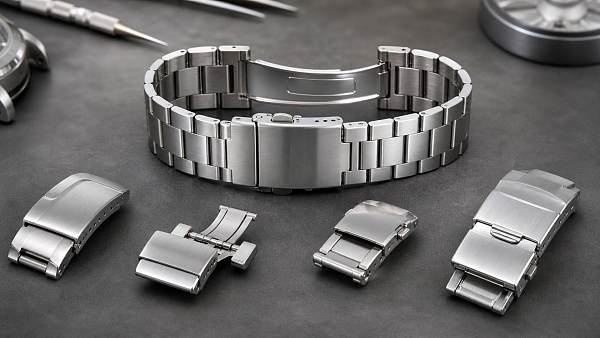
Movement selection also matters. A simple, stable quartz setup may fit many wholesale programs better than a decorative mechanical claim with uncertain durability. The movement is rarely the visual selling point in this category, yet returns from timekeeping issues can erase the savings gained elsewhere. The same logic applies to clasp design: a strong deployant or folding clasp often serves the product better than a more ornate closure that adds failure risk.
Packaging can be rationalized as well. Heavy presentation boxes may look impressive during sample review but increase shipping volume and landed cost. If the watch itself needs the budget, simpler protective packaging with clean finishing can be the better decision. What should not be cut too aggressively is inspection. Pre-shipment review, stone security checks, plating consistency review, and carton drop protection usually cost less than dealing with fragmented claims after arrival.
Warning signs during supplier evaluation
- A source that cannot keep terminology straight between moissanite, cubic zirconia, lab-grown diamond, and generic “diamond-like” stone categories is not ready for dependable wholesale execution.
- Product images show different crown shapes, clasp types, or bracelet links across supposedly identical models, suggesting inconsistent sourcing rather than controlled production.
- Sample videos rely only on harsh spotlights. Strong point lighting can hide uneven color and weak cut quality; neutral indoor light reveals more.
- Replies avoid stating base metal, plating method, movement specification, or whether replacement stones can be supplied with future orders.
- Custom requests are accepted immediately without discussion of mold limits, artwork tolerance, or stone-setting implications. That often means the request has not been evaluated at all.
Lead time language is another useful signal. Realistic production schedules usually separate sampling, approval revision, bulk production, final inspection, and shipment booking. Extremely fast promises may be possible for stock pieces, but for custom or semi-custom iced-out watches they can also mean corners will be cut in setting, plating cure time, or quality sorting.
Shipping, handling, and after-delivery realities
These watches travel as both fashion goods and delicate stone-set items. Air freight is often preferred for smaller high-value consignments because transit time is shorter and handling cycles may be fewer, though the best mode depends on order size, destination, and packaging quality. Moisture control, anti-tarnish packing for silver-based products, and internal carton separation all matter. Temperature swings and rough movement can aggravate weak settings, especially on pieces with dense bracelet pavé.
After delivery, inspection should focus on clasp function, crown seating, timekeeping consistency, stone loss, plating irregularities, and damage concentrated around bracelet edges or bezel corners. Watches that pass visual review but feel sharp on the wrist often have unfinished metal around stone seats or link joints. That kind of defect tends to trigger dissatisfaction quickly even when the front view looks strong.
The best source for moissanite iced out watches wholesale is usually the one that can explain its build in detail, reproduce the same finish across multiple runs, and document what changes when a specification is adjusted. In this segment, quality is rarely hidden in marketing language; it is visible in stone matching, underside finishing, bracelet articulation, packing discipline, and the ability to make the second order look like the first.
Search News
Hot Articles
- Restaurant FurnitureFast-Casual Restaurant Interiors: Design Choices That Improve Speed and Guest FlowOct 04, 2026
- Outdoor RidesHow to Select Leisure Park Equipment for Safe, High-Throughput Visitor AreasOct 03, 2026
- Fashion & Gem JewelryDiamond Tester Wholesale: How to Vet Accuracy, Calibration, and MOQ Before OrderingOct 02, 2026
Popular Tags
Need ExpertConsultation?
Connect with our specialized leisureengineering team for procurementstrategies.
Recommended News
 Sep 08, 2026Water-Resistant Commercial Watches: Choosing Ratings for Workwear and Promotional UseWater resistant commercial watch guide: match 3, 5, or 10 ATM ratings to workwear and promotional needs, verify testing, and protect your budget and brand.● Luxury Retail Analyst
 Sep 07, 2026Commercial Watch Bulk Orders: How to Evaluate Pricing Tiers, Lead Times, and SamplesCommercial watch bulk order guide: evaluate pricing tiers, lead times, samples, landed costs, and supplier readiness to protect margins and launch on schedule.● Luxury Retail Analyst
 Sep 06, 2026Private Label Commercial Watches: A Buyer's Checklist for Branding, MOQ, and QCPrivate label commercial watch sourcing made simple: explore branding, MOQ, materials, supplier QC, and approval steps to build a reliable, market-ready watch program.● Luxury Retail Analyst
 Aug 16, 2026Where to Source Moissanite Iced Out Watches Wholesale Without Sacrificing QualityMoissanite iced out watches wholesale buyers: learn how to source factory-direct quality, verify stone setting and plating, and reduce risk before placing bulk orders.● Luxury Retail Analyst
 Aug 12, 2026How to Evaluate Luxury Watch Winders Wholesale for Retail and Gift Supply?Luxury watch winders wholesale buying guide: learn how to assess quality, noise, compatibility, OEM options, and supplier risk for retail, hospitality, and premium gift supply.● Luxury Retail Analyst
 Jul 15, 2026Kids Smart Watches for School: Key Features Parents Should Compare Before BuyingKids smart watches for school: compare school mode, safe calling, GPS accuracy, battery life, comfort, and privacy controls before you buy the best fit for your child.● Luxury Retail Analyst
 Jul 07, 2026Wholesale Mechanical Watches Stainless Steel: What to Check Before Placing a Bulk OrderWholesale mechanical watches stainless steel sourcing guide: learn how to verify movement quality, steel grade, compliance, and supplier reliability before placing a bulk order.● Luxury Retail Analyst
 Jul 05, 2026Nurse Watches Bulk Buying Guide: Styles, Compliance, and Order QuantitiesNurse watches bulk buying made simple: compare styles, compliance checks, MOQ strategy, and supplier reliability to reduce risk and place smarter orders.● Luxury Retail Analyst
 Jul 05, 2026Stainless Steel Watch Bands Clasp Guide: Types, Fit, and Common Locking IssuesStainless steel watch bands clasp guide covering clasp types, fit checks, and common locking issues. Learn how to compare options, avoid failures, and choose a secure, comfortable band with confidence.● Luxury Retail Analyst
 Jun 30, 2026SASO Arabic UI Rule Tightens Smartwatch ExportsSASO Arabic UI Rule Tightens Smartwatch Exports as Saudi Arabia mandates full Arabic support by Oct 1, 2026. Learn the compliance risks, testing impact, and export actions now.● Luxury Retail Analyst
 Jun 30, 2026How to Source Silicone Watch Bands Bulk: MOQ, Material Grades, and OEM OptionsSilicone watch bands bulk sourcing made simple: compare MOQ, material grades, quality control, and OEM options to reduce risk, choose reliable suppliers, and buy with confidence.● Luxury Retail Analyst
 Jun 29, 2026Saudi SASO Adds Arabic UI Check for SmartwatchesSaudi SASO Adds Arabic UI Check for Smartwatches: learn how the 2026 Arabic UI verification may affect OEM models, certification, imports, and retail listings in Saudi Arabia.● Luxury Retail Analyst
 Jun 17, 2026Automatic Watches OEM Explained: Movement Options, Case Materials, and CustomizationAutomatic watches OEM explained: compare movement options, case materials, and customization factors that shape quality, brand value, and supplier reliability.● Luxury Retail Analyst
 Jun 11, 2026REACH SVHC Update Hits Watch OEMs and SmartwatchesREACH SVHC update puts Watch OEM and smartwatch exports to the EU under new pressure. See how SCIP filing, supplier declarations, and material checks can protect shipments before the 2026 deadline.● Luxury Retail Analyst
 Jun 10, 2026REACH SVHC Update Adds New Watch Export Compliance DutiesREACH SVHC update puts Watch OEM and smartwatch exporters under new EU compliance pressure. Learn the new SCIP duties, 0.1% threshold risks, and what teams must do before December 2026.● Luxury Retail Analyst
 Jun 08, 2026Commercial Watch vs Retail Watch: Key Differences in OEM Specs, Pricing, and Use CasesCommercial watch vs retail watch: discover key OEM specs, pricing factors, and use cases to choose the right sourcing strategy, reduce risk, and improve brand fit.● Luxury Retail Analyst
 Jun 05, 2026Watch Hands and Crowns: Key Specs to Check for OEM Repair and AssemblyWatch hands and crowns for OEM repair and assembly: learn the key specs to verify for fit, sealing, durability, and repeatable quality before approval.● Luxury Retail Analyst
 Jun 02, 2026Sapphire Watch Glass vs Mineral Glass: Durability, Clarity, and Cost DifferencesSapphire watch glass vs mineral glass: compare scratch resistance, clarity, impact behavior, and cost to choose the right lens for premium or value-driven watches.● Luxury Retail Analyst
 May 23, 2026What should buyers check before sourcing iced out watches wholesale?Iced out watches wholesale buyers should check material honesty, stone setting, durability, and supplier compliance before ordering to reduce returns and protect profit.● Luxury Retail Analyst
 May 02, 2026Zheng Qinwen’s Madrid Exit Delays EU Orders for Smart Tennis WearablesSmart tennis wearables face EU procurement delays after Zheng Qinwen’s Madrid Open exit — key for manufacturers navigating WTA data privacy guidelines.● Luxury Retail Analyst
 Apr 30, 2026What separates a commercial watch from a fashion driven modelCommercial watch buying explained: discover how durability, precision, serviceability, and channel fit separate true commercial models from fashion-led watches for retail, gifting, and hospitality.● Luxury Retail Analyst
 Apr 30, 2026ODM watches or private label, which model fits betterODM watches or private label? Compare speed, customization, MOQ, and sourcing risk to choose the best watch model for your brand, launch timeline, and profit goals.● Luxury Retail Analyst
 Apr 24, 2026ODM Watches: Costs, MOQ, and Lead TimesODM watches guide: compare costs, MOQ, and lead times for sports and entertainment sourcing. Ideal for hospitality procurement, resort retail, and branded event merchandise buyers.● Luxury Retail Analyst
 Apr 24, 2026ODM Watches vs OEM: Which Fits Your Brand?ODM watches vs OEM: compare speed, cost, design control, MOQ, and brand value. A practical guide for hospitality procurement, retailers, and distributors.● Luxury Retail Analyst