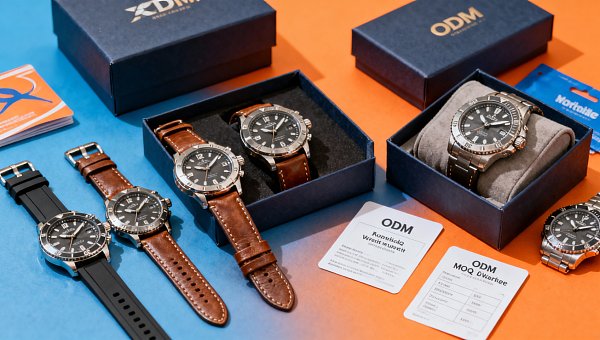
Water-Resistant Commercial Watches: Choosing Ratings for Workwear and Promotional Use
Selecting a water resistant commercial watch requires matching verified protection levels to actual exposure, supplier capability, maintenance expectations, and the commercial consequences of early failure.
Start With the Exposure Profile, Not the Marketing Label
Technical evaluators should begin by mapping how employees, guests, or recipients will use the watch throughout a normal shift, event, commute, or cleaning cycle.
A hotel concierge may encounter rain, handwashing, beverage spills, and humid kitchens, while a construction supervisor may face prolonged outdoor exposure, dust, vibration, and temperature changes.
Those environments do not demand identical specifications. A watch chosen solely because it says “water resistant” can create avoidable replacement costs and complaints.
For commercial procurement, the relevant question is not whether a watch survives water in principle. It is whether its rating provides a suitable safety margin.
That margin should account for inconsistent user behavior. Staff may rinse a dirty watch directly, wear it during heavy rain, or move repeatedly between air-conditioned and humid spaces.
Promotional recipients are even less predictable. A branded gift watch must tolerate ordinary daily use without requiring the recipient to understand technical limitations.
Classify the expected exposure into occasional splashes, routine handwashing, wet-work exposure, outdoor rainfall, or sustained immersion. This simple classification anchors a defensible sourcing specification.
Also identify prohibited activities. If the program excludes swimming, showering, or industrial washdown, that limitation should appear in user instructions and commercial briefing materials.
Understand What Water-Resistance Ratings Actually Mean
Water-resistance ratings are usually expressed in meters, atmospheres, bars, or pressure units. They indicate laboratory pressure performance, not an automatic permission for equivalent real-world depth.
A 30-meter, 3 ATM, or 3 bar watch is generally appropriate for incidental splashes and light rain. It is not a reliable choice for showering.
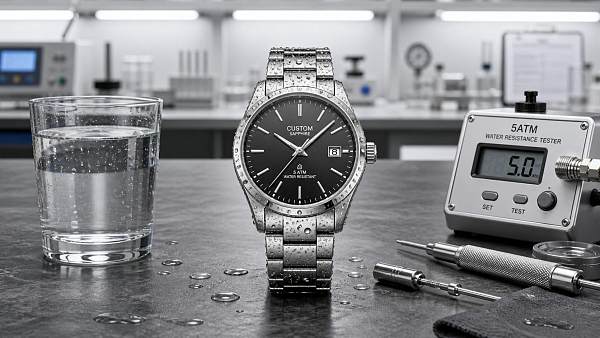
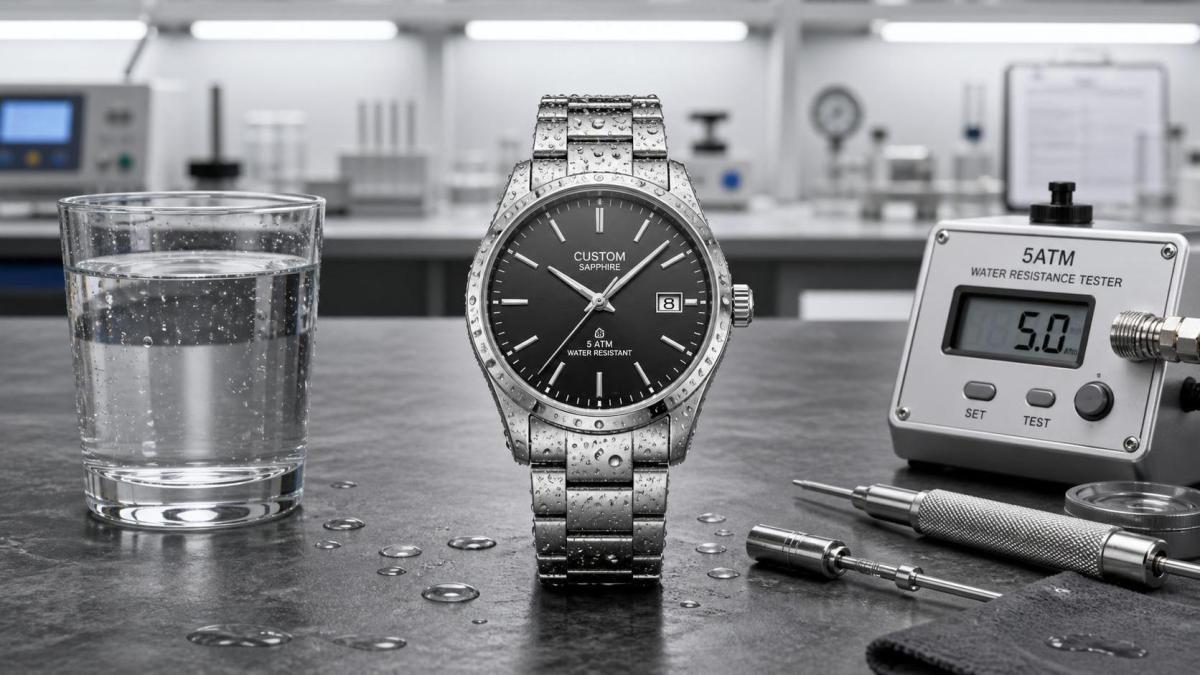
A 50-meter, 5 ATM, or 5 bar rating normally supports routine handwashing and short-term contact with water. It remains a conservative choice for uniform programs.
A 100-meter, 10 ATM, or 10 bar rating offers a stronger commercial baseline where staff work outdoors, clean frequently, or may use watches around pools.
Ratings of 200 meters and above are usually intended for more demanding aquatic activities. They can be appropriate for marine, leisure, and adventure-focused promotional programs.
Static pressure testing does not fully represent dynamic forces. Movement through water, hot showers, sudden temperature shifts, and direct jets can stress seals differently.
Technical teams should therefore avoid interpreting “50 meters” as a literal diving depth. The manufacturer’s approved-use statement matters as much as the number on the dial.
Request the rating in consistent units, plus a written description of permitted use. Ambiguous claims such as “daily waterproof” should never become a procurement requirement.
Choose a Practical Rating for Each Commercial Use Case
For office uniforms, retail associates, conference teams, and presentation gifts, 3 ATM may be sufficient when exposure is limited to rain and accidental splashes.
However, 5 ATM is often the better default for large commercial distribution. The incremental cost can be justified by fewer failures caused by handwashing.
Hospitality teams benefit from a role-specific approach. Front-of-house personnel may need 3 or 5 ATM, while spa, pool, catering, and housekeeping teams need higher protection.
For housekeeping and food-service environments, specify at least 5 ATM only after confirming the watch will not face hot-water cleaning, disinfectant immersion, or pressurized jets.
Outdoor operations, amusement parks, landscaping contractors, delivery teams, and field service workers commonly justify 10 ATM. The rating better accommodates rain and intensive handling.
Pool staff, yacht-charter teams, waterside resorts, and aquatic leisure campaigns should normally consider 10 ATM or higher, with documented suitability for surface swimming.
A promotional watch should be specified for the recipient’s likely lifestyle rather than the sponsor’s industry. A luxury event gift may need only 3 ATM.
By contrast, a branded sports activation watch can damage the campaign if recipients discover it cannot withstand swimming, despite its active visual positioning.
Evaluate the Construction Behind the Rating
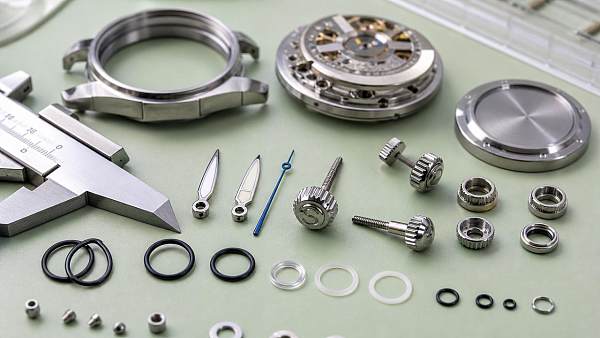
The stated rating is only one part of a water resistant commercial watch assessment. Case materials, seals, crown construction, crystal fitting, and assembly controls determine consistency.
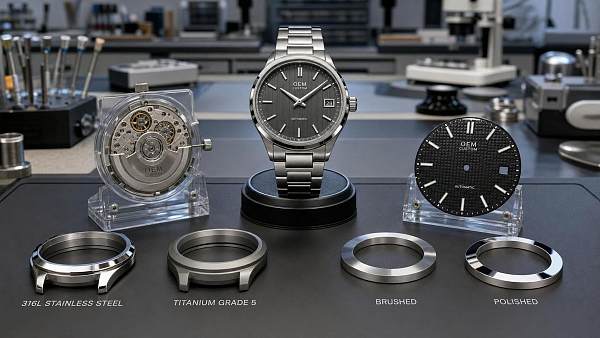
Stainless steel cases generally provide strong corrosion resistance and reliable sealing surfaces. They are suitable for premium uniforms, corporate gifts, and demanding daily wear.
Quality resin or engineering plastic cases can also perform well, especially for lightweight workwear. Evaluators should inspect molding quality, case-back fit, and chemical resistance.
Watch backs may be screw-down, snap-on, or secured by screws. Screw-down designs often offer stronger protection, but execution and gasket quality remain decisive.
The crown is a common entry point for moisture. A recessed or screw-down crown provides added protection where watches are regularly exposed to wet conditions.
Pushers for chronographs and multifunction models add complexity. Unless they are specifically designed for underwater operation, users should not press them while the watch is wet.
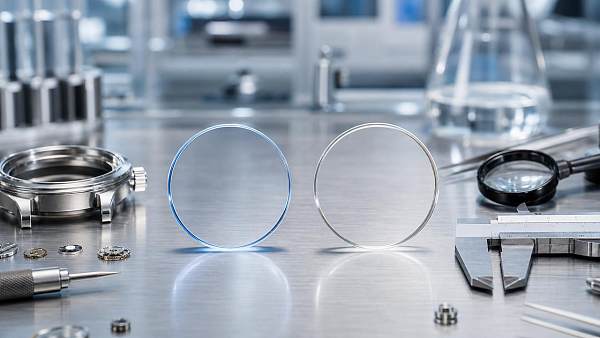
Mineral glass, sapphire crystal, and acrylic lenses each have different benefits. For commercial wear, impact resistance and secure gasket seating are often more important than prestige alone.
Ask whether the supplier uses silicone, nitrile, or fluororubber gaskets, and whether replacement seals are available. Seal material affects aging, heat resistance, and serviceability.
Verify Testing Standards and Supplier Claims
A credible supplier should explain how each model is tested, at what stage, and against which standard. Generic certificates without model traceability offer limited assurance.
ISO 22810 covers water-resistant watches intended for ordinary daily use. It addresses requirements and testing practices relevant to watches marketed with water-resistance claims.
ISO 6425 applies to diver’s watches and includes more demanding requirements. Most corporate workwear programs do not need it unless genuine diving functionality is relevant.
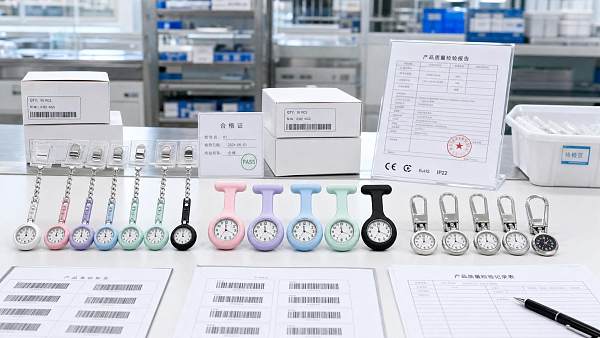
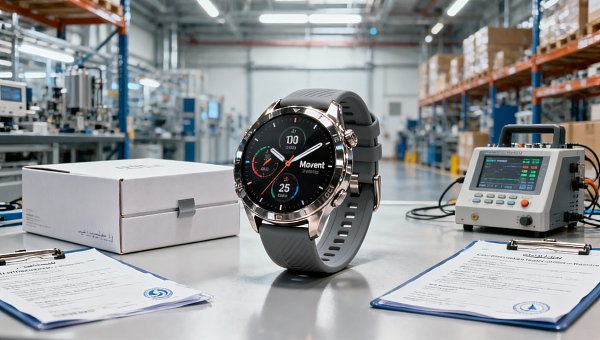
Request current test documentation that identifies the model, rating, test method, sample quantity, date, and responsible laboratory. Confirm whether tests are internal or independent.
Air-pressure testing can identify major leaks quickly, but it may not be sufficient evidence for a water-exposure claim. Wet testing provides stronger practical confidence.
For larger orders, define an acceptable quality limit and require batch-level sampling. Include water-resistance verification in the pre-shipment inspection plan rather than relying on prototypes.
Ask whether every watch is tested, whether only samples are tested, and how failures are segregated. These answers reveal the maturity of the factory’s quality system.
Supplier claims should align across quotations, product pages, packaging, manuals, and dial markings. Inconsistency is a warning sign that compliance controls may be weak.
Account for Branding, Customization, and Promotional Risks
Customization can weaken water resistance when it changes the case, crown, case back, dial, hands, or crystal. A proven base model does not guarantee a proven customized model.
Logo printing on the dial is usually low risk when performed within the established assembly process. Case modifications require more careful engineering review and retesting.
Engraving a case back can be appropriate, but excessive depth may affect material thickness or create cosmetic distortion. Confirm design limits with the manufacturer.
For promotional programs, packaging should state appropriate care guidance. Avoid broad waterproof language when the verified rating only supports splashes or routine handwashing.
A campaign can lose credibility when a branded watch fails after a common activity. The cost includes replacement logistics, recipient dissatisfaction, and reduced perceived brand quality.
Consider visual expectations as well. A rugged-looking watch marketed to outdoor teams creates an implicit promise of durability that a basic 3 ATM construction may not meet.
Conversely, specifying a high-diving rating for a formal executive gift can consume budget without improving recipient value. The product should fit the use case and brand position.
Technical evaluators should review sample watches after branding, not merely unbranded catalog samples. The final configuration is the item that must pass inspection and testing.
Consider Maintenance, Chemicals, and Service Life
Water resistance is not permanent. Gaskets age, crowns experience wear, crystals can loosen after impact, and battery replacement may compromise the original seal.
For long-life workwear programs, specify recommended retesting intervals and identify who will perform service. A replace-only strategy may be more practical for low-cost watches.
Chlorine, saltwater, sunscreen, detergents, hand sanitizers, and cleaning chemicals can accelerate deterioration. The supplier should identify known material compatibility limits.
High heat is particularly relevant in hospitality settings. Steam rooms, dishwashing areas, saunas, and hot showers can create pressure changes that exceed ordinary-use assumptions.
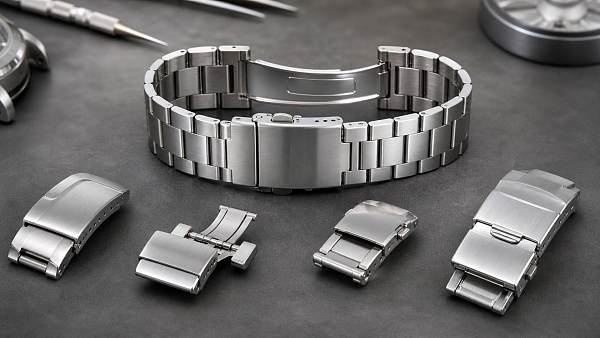
Stainless steel bracelets are generally easier to clean than leather straps, although comfort and visual requirements may lead to other selections. Strap choice affects hygiene and lifespan.
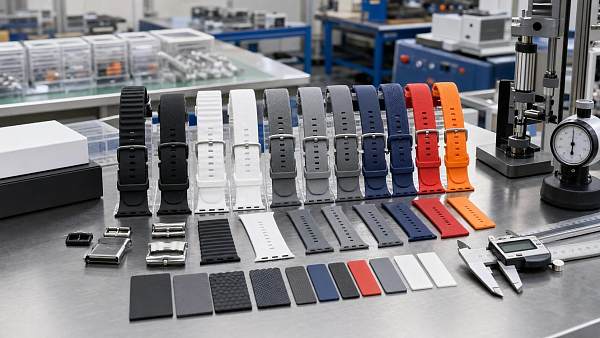
Silicone and rubber straps suit wet or active roles, but their quality varies substantially. Check for odor, cracking, color transfer, sweat resistance, and secure attachment points.
Battery replacement procedures deserve attention for quartz watches. Suppliers should state whether replacement requires new gaskets, pressure testing, or authorized service equipment.
These lifecycle details may appear secondary during sourcing, yet they determine total cost of ownership for organizations issuing hundreds or thousands of watches.
Build a Procurement Specification That Prevents Misalignment
An effective request for quotation should specify the intended operating environment before listing the rating. This allows suppliers to recommend suitable constructions and flag constraints early.
State the minimum target rating, but also define permitted activities, restricted activities, cleaning conditions, expected service life, and any relevant temperature or chemical exposure.
Include requirements for case material, crystal type, crown design, strap material, corrosion resistance, branding method, packaging warnings, and documentary evidence of testing.
For high-volume orders, ask suppliers to quote both a compliant baseline and an enhanced option. Comparing the cost difference supports a clearer risk-versus-budget decision.
Sample evaluation should include visual inspection, functional testing, crown operation, strap pull checks, condensation checks, and review of water-resistance documentation before approval.
Do not approve solely on attractive renderings or a single showroom sample. Production quality, customized components, and final assembly conditions must be represented in the approval process.
Contract language should define remedies for verified rating failures, including replacement responsibilities, testing records, and acceptable defect rates. These terms matter most after distribution begins.
For global programs, ensure instructions and claims comply with destination-market labeling rules. Commercial teams should avoid unsupported performance language in promotional materials.
Make the Rating Decision in Commercial Context
For most corporate uniforms and general promotional uses, a verified 5 ATM watch offers a balanced combination of everyday protection, recipient confidence, and manageable sourcing cost.
A 3 ATM option can be appropriate for controlled office, retail, and formal-gifting environments, provided product language clearly limits expectations to splashes and rain.
Choose 10 ATM when work includes outdoor operations, frequent wet handling, poolside activity, or a brand promise centered on active durability. Confirm construction and test evidence.
The best water resistant commercial watch is not the one with the largest rating. It is the model whose verified performance matches actual exposure with realistic tolerance.
By assessing use conditions, construction, laboratory evidence, customization effects, and lifecycle service together, technical evaluators can protect both operating budgets and brand reputation.