Commercial Watch Bulk Orders: How to Evaluate Pricing Tiers, Lead Times, and Samples
A watch order can look straightforward until the quotation arrives. A buying team may receive several offers that appear similar: the same case size, a familiar movement description, a logo option, and a stated minimum quantity. Yet one supplier has a noticeably lower unit price, another offers a faster lead time, and a third insists that sampling must be completed before any production date can be confirmed. When the watches are intended for a retail launch, a hotel gift program, an employee recognition campaign, or a branded promotion, choosing too quickly can create problems that surface long after the purchase order is issued.
The immediate pressure is usually commercial. A lower quoted price may seem necessary to protect margin, while a short delivery promise may appear essential for a scheduled event or seasonal assortment. But an incomplete comparison can lead to mismatched finishes, unreadable logo printing, inconsistent straps, weak packaging, delayed approvals, or unexpected charges for tooling and freight. A commercial watch bulk order should therefore be evaluated as a production project, not simply as a unit-price negotiation.
Start by defining the watch that is actually being priced
Before comparing supplier quotations, turn the intended product into a clear specification. “Custom watch with logo” is not enough. Suppliers may interpret the request differently, especially when the inquiry includes a reference image rather than a technical description. One quotation may assume a standard stock case with a printed dial, while another may include a custom dial color, plated case, upgraded strap, and individual presentation box.
A usable request document does not need to be complicated, but it should identify the points that change cost, lead time, and approval risk:
- Watch category: quartz, automatic, digital, fashion, sports, dress, staff gift, retail item, or promotional piece.
- Case material, approximate diameter, thickness expectations, bezel style, and back-case treatment.
- Dial layout, index style, logo placement, color references, date window requirements, and hand design.
- Movement preference or acceptable movement range, including battery details for quartz models.
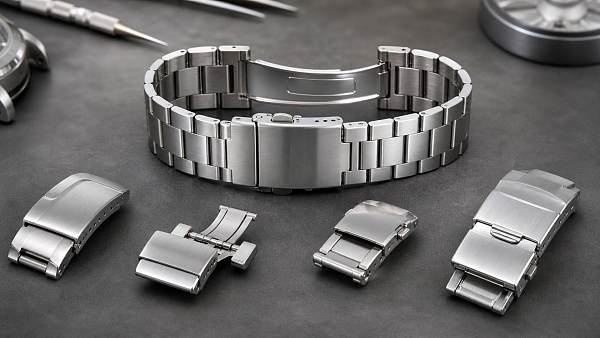
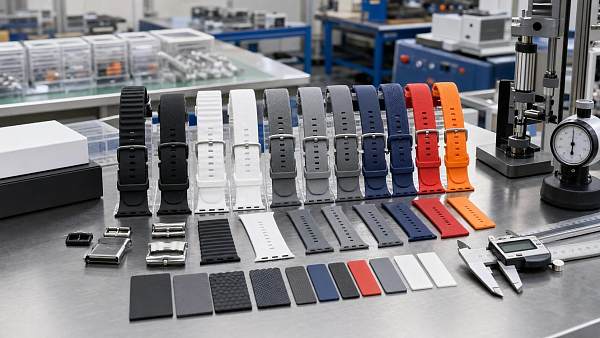
- Strap material, width, buckle or clasp type, stitching, color, and spare strap requirements if applicable.
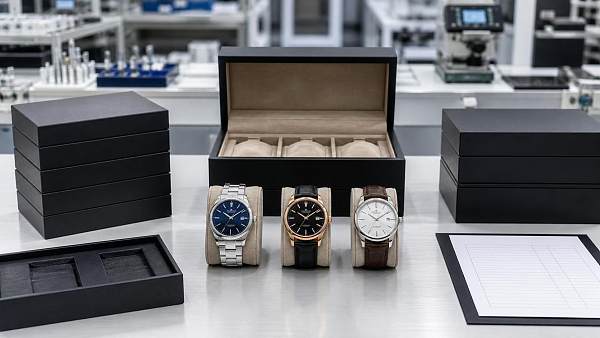
- Packaging level, from simple protective packing to branded gift boxes, manuals, warranty cards, or display-ready cartons.
- Target quantity by color or variant, required delivery location, preferred shipping method, and requested arrival date.
The purpose is not to lock every decorative detail before the first conversation. It is to ensure each supplier prices the same baseline. If one quotation is based on a 42 mm alloy case and another assumes stainless steel, a comparison of unit price will be misleading even if both proposals use the word “watch.”
The lowest tier is not always the lowest landed cost
Most watch manufacturers quote in quantity bands. The break between tiers can be significant because some costs are fixed or semi-fixed: dial artwork setup, printing screens, custom packaging development, caseback engraving arrangements, mold changes, and production preparation. A buyer who only asks, “What is your best price?” may receive a number without knowing which assumptions created it.
Ask for a tiered quotation that shows quantities relevant to the planned program rather than a single headline figure. For example, the request may include the expected order size, a smaller test quantity if available, and a higher volume level that could become relevant after initial sell-through. Each tier should state whether the price includes the same specifications, packaging, inspection standard, and logo treatment.
Price tiers should also be judged against inventory risk. Ordering more units solely to reach a lower price can be sensible when the design is a proven standard item with repeat demand. It is more dangerous when the watch is heavily branded, tied to a dated event, or designed around a narrow color palette. The apparent saving on each unit can disappear if unsold stock later requires discounting or cannot be reused.
For a commercial watch bulk order, calculate the decision using landed cost per usable unit rather than factory price alone. That means accounting for samples, packaging, branding charges, freight, import-related expenses where relevant, local handling, and a reasonable allowance for units reserved for quality review or replacement. The calculation does not need invented precision; it needs consistent inputs across quotations.
Read lead-time promises as a sequence, not a single date
A stated lead time often combines several activities that cannot begin at the same moment. Artwork approval must usually happen before branded dials or packaging are finalized. Certain components may need to be confirmed before assembly scheduling. If the order includes multiple variants, the slowest component can determine the shipment date.
Instead of asking for “delivery in how many days,” request a production timeline with decision gates. A practical timeline identifies the expected duration for artwork confirmation, pre-production sample preparation, sample approval, material purchasing, mass assembly, quality inspection, packing, and handover to freight. This exposes where urgency is real and where it is only being expressed as a broad promise.
Pay attention to the wording used in the offer. “Production time after deposit” may exclude the time needed to approve artwork or samples. “Ready to ship” may refer to factory completion rather than arrival at the destination. “Sample lead time” may refer only to an unbranded stock sample, not a watch made with the required dial, strap, or packaging. These distinctions matter when a launch date is fixed.
When a faster option is genuinely useful
A faster route can be appropriate when the product is based on existing components and the customization is limited to a dial print, caseback marking, or standard packaging insert. It may also work when the buying team has already approved a prior production sample with the same factory and only small artwork changes are needed.
It is less reliable to compress the schedule when the order depends on a new case shape, a special plating effect, uncommon strap material, multi-part packaging, or changes requested after the sample stage. In those situations, a very short promise should be treated as a reason to ask more questions, not as a reason to skip review.
Use samples to test decisions that photos cannot settle
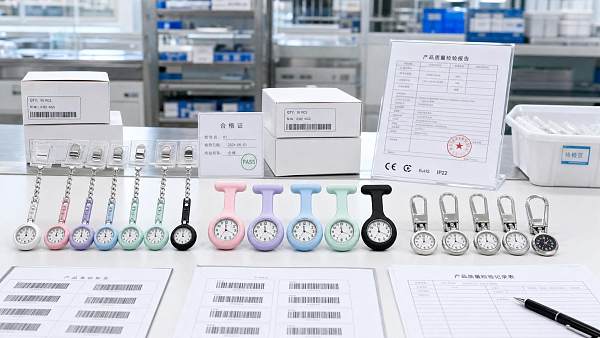
Product images and digital renderings are useful for discussing direction, but they cannot confirm the feel of a strap, the sharpness of fine dial text, the tone of metal plating under different light, or the way a logo appears at wrist distance. The sample stage is where an order moves from concept to an item that can be evaluated against the intended use.
There are usually several sample levels, and they should not be confused. A stock sample can help assess general workmanship, case proportion, movement operation, and basic packaging quality. An artwork proof verifies layout, copy, logo scale, and color references. A customized sample is closer to the intended production item, though it may still use provisional components. A pre-production sample should represent the agreed production specification as closely as possible.
For a branded or retail-facing watch, it is worth documenting sample feedback in one controlled file rather than collecting informal comments across messages. Record each requested adjustment with a visual reference, the approved wording, and confirmation of whether the change affects cost or timing. This reduces the common problem of a supplier receiving several versions of “final” artwork.
Points worth reviewing in the hand
Begin with the dial because it carries both function and brand perception. Check whether the logo is centered, whether the type is readable, whether markers align cleanly, and whether reflective surfaces make key information difficult to see. Then inspect the case, crown, caseback, crystal, and strap connections for fit and finishing appropriate to the agreed specification.
Operate the watch as the end user would. Set the time, test any date function, fasten and unfasten the strap, examine the buckle edges, and review the packaging opening experience. For hospitality gifting, presentation and ease of use may matter more than an elaborate technical feature. For retail sale, consistency across color variants and packaging condition may receive more scrutiny. For a promotional order, logo placement and delivery timing may be the controlling factors.
Do not rely on a sample approval email that merely says “approved.” The approval should name the sample version, date, artwork revision, color reference, packaging configuration, and any permitted variation. If a point remains unresolved, state it clearly. Ambiguous approval can make later claims difficult because the factory may reasonably proceed according to its own interpretation.
Compare suppliers by their ability to answer operational questions
A polished quotation is helpful, but the quality of the supplier’s responses can reveal more than the document design. During inquiry and sampling, notice whether answers distinguish standard components from custom components, whether limitations are explained early, and whether revisions are tracked consistently. A supplier that simply agrees to every request without clarifying consequences can create uncertainty later.
Useful questions are specific and practical. Ask which features are produced in-house and which are sourced externally. Ask whether the movement, strap, case, and packaging will be available for the full projected production window. Ask how production variations are handled, what happens if approved materials become unavailable, and who is responsible for confirming final packing marks and shipping documents.
It is also reasonable to ask how defects are identified before shipment and what evidence can be provided. The goal is not to demand an unrealistic zero-defect promise. The goal is to understand the factory’s working method: whether visual inspection, function testing, quantity verification, and packing review are treated as identifiable steps rather than vague assurances.
A practical way to make the final choice
When two or three suppliers remain under consideration, place the proposals side by side using the same headings: final specification, quantity tier, unit price, non-recurring charges, sample status, production sequence, packing details, shipping basis, and unanswered risks. This is more useful than assigning an arbitrary score to every supplier. It keeps the conversation centered on the differences that can change the order outcome.
If the order is time-sensitive, prioritize the supplier that can show a believable approval path and clear component availability. If margin is the main concern, test whether the lower price survives after packaging, setup charges, freight assumptions, and quality requirements are aligned. If the watch is meant to establish a longer product line, favor the source that can explain repeat-order conditions, component continuity, and revision control.
A careful commercial watch bulk order does not require perfect information. It requires enough evidence to avoid committing money based on incomplete comparisons. Define the product before asking for prices, separate production time from approval time, use samples as a decision gate, and document every agreed change. Those habits make it easier to protect the launch schedule, preserve margin, and place a repeatable order when the first production run performs as expected.
Search News
Hot Articles
- Pro Stage AudioAudio Production for Streaming: How to Build a Dedicated Live Event MixOct 22, 2026
- Outdoor RidesIAAPA Launches Insurance Solution for North American Attractions IndustryOct 21, 2026
- Watch OEM & SmartwatchesWatch Movement Parts: How to Check Compatibility With a Specific CaliberOct 21, 2026
Popular Tags
Need ExpertConsultation?
Connect with our specialized leisureengineering team for procurementstrategies.
Recommended News
 Oct 21, 2026Watch Movement Parts: How to Check Compatibility With a Specific CaliberWatchmaking components and movement parts must match your exact caliber. Learn how to verify references, dimensions, and performance to avoid costly mismatches and source with confidence.● Luxury Retail Analyst
 Sep 08, 2026Water-Resistant Commercial Watches: Choosing Ratings for Workwear and Promotional UseWater resistant commercial watch guide: match 3, 5, or 10 ATM ratings to workwear and promotional needs, verify testing, and protect your budget and brand.● Luxury Retail Analyst
 Sep 07, 2026Commercial Watch Bulk Orders: How to Evaluate Pricing Tiers, Lead Times, and SamplesCommercial watch bulk order guide: evaluate pricing tiers, lead times, samples, landed costs, and supplier readiness to protect margins and launch on schedule.● Luxury Retail Analyst
 Sep 06, 2026Private Label Commercial Watches: A Buyer's Checklist for Branding, MOQ, and QCPrivate label commercial watch sourcing made simple: explore branding, MOQ, materials, supplier QC, and approval steps to build a reliable, market-ready watch program.● Luxury Retail Analyst
 Aug 16, 2026Where to Source Moissanite Iced Out Watches Wholesale Without Sacrificing QualityMoissanite iced out watches wholesale buyers: learn how to source factory-direct quality, verify stone setting and plating, and reduce risk before placing bulk orders.● Luxury Retail Analyst
 Aug 12, 2026How to Evaluate Luxury Watch Winders Wholesale for Retail and Gift Supply?Luxury watch winders wholesale buying guide: learn how to assess quality, noise, compatibility, OEM options, and supplier risk for retail, hospitality, and premium gift supply.● Luxury Retail Analyst
 Jul 15, 2026Kids Smart Watches for School: Key Features Parents Should Compare Before BuyingKids smart watches for school: compare school mode, safe calling, GPS accuracy, battery life, comfort, and privacy controls before you buy the best fit for your child.● Luxury Retail Analyst
 Jul 07, 2026Wholesale Mechanical Watches Stainless Steel: What to Check Before Placing a Bulk OrderWholesale mechanical watches stainless steel sourcing guide: learn how to verify movement quality, steel grade, compliance, and supplier reliability before placing a bulk order.● Luxury Retail Analyst
 Jul 05, 2026Nurse Watches Bulk Buying Guide: Styles, Compliance, and Order QuantitiesNurse watches bulk buying made simple: compare styles, compliance checks, MOQ strategy, and supplier reliability to reduce risk and place smarter orders.● Luxury Retail Analyst
 Jul 05, 2026Stainless Steel Watch Bands Clasp Guide: Types, Fit, and Common Locking IssuesStainless steel watch bands clasp guide covering clasp types, fit checks, and common locking issues. Learn how to compare options, avoid failures, and choose a secure, comfortable band with confidence.● Luxury Retail Analyst
 Jun 30, 2026SASO Arabic UI Rule Tightens Smartwatch ExportsSASO Arabic UI Rule Tightens Smartwatch Exports as Saudi Arabia mandates full Arabic support by Oct 1, 2026. Learn the compliance risks, testing impact, and export actions now.● Luxury Retail Analyst
 Jun 30, 2026How to Source Silicone Watch Bands Bulk: MOQ, Material Grades, and OEM OptionsSilicone watch bands bulk sourcing made simple: compare MOQ, material grades, quality control, and OEM options to reduce risk, choose reliable suppliers, and buy with confidence.● Luxury Retail Analyst
 Jun 29, 2026Saudi SASO Adds Arabic UI Check for SmartwatchesSaudi SASO Adds Arabic UI Check for Smartwatches: learn how the 2026 Arabic UI verification may affect OEM models, certification, imports, and retail listings in Saudi Arabia.● Luxury Retail Analyst
 Jun 17, 2026Automatic Watches OEM Explained: Movement Options, Case Materials, and CustomizationAutomatic watches OEM explained: compare movement options, case materials, and customization factors that shape quality, brand value, and supplier reliability.● Luxury Retail Analyst
 Jun 11, 2026REACH SVHC Update Hits Watch OEMs and SmartwatchesREACH SVHC update puts Watch OEM and smartwatch exports to the EU under new pressure. See how SCIP filing, supplier declarations, and material checks can protect shipments before the 2026 deadline.● Luxury Retail Analyst
 Jun 10, 2026REACH SVHC Update Adds New Watch Export Compliance DutiesREACH SVHC update puts Watch OEM and smartwatch exporters under new EU compliance pressure. Learn the new SCIP duties, 0.1% threshold risks, and what teams must do before December 2026.● Luxury Retail Analyst
 Jun 08, 2026Commercial Watch vs Retail Watch: Key Differences in OEM Specs, Pricing, and Use CasesCommercial watch vs retail watch: discover key OEM specs, pricing factors, and use cases to choose the right sourcing strategy, reduce risk, and improve brand fit.● Luxury Retail Analyst
 Jun 05, 2026Watch Hands and Crowns: Key Specs to Check for OEM Repair and AssemblyWatch hands and crowns for OEM repair and assembly: learn the key specs to verify for fit, sealing, durability, and repeatable quality before approval.● Luxury Retail Analyst
 Jun 02, 2026Sapphire Watch Glass vs Mineral Glass: Durability, Clarity, and Cost DifferencesSapphire watch glass vs mineral glass: compare scratch resistance, clarity, impact behavior, and cost to choose the right lens for premium or value-driven watches.● Luxury Retail Analyst
 May 23, 2026What should buyers check before sourcing iced out watches wholesale?Iced out watches wholesale buyers should check material honesty, stone setting, durability, and supplier compliance before ordering to reduce returns and protect profit.● Luxury Retail Analyst
 May 02, 2026Zheng Qinwen’s Madrid Exit Delays EU Orders for Smart Tennis WearablesSmart tennis wearables face EU procurement delays after Zheng Qinwen’s Madrid Open exit — key for manufacturers navigating WTA data privacy guidelines.● Luxury Retail Analyst
 Apr 30, 2026What separates a commercial watch from a fashion driven modelCommercial watch buying explained: discover how durability, precision, serviceability, and channel fit separate true commercial models from fashion-led watches for retail, gifting, and hospitality.● Luxury Retail Analyst
 Apr 30, 2026ODM watches or private label, which model fits betterODM watches or private label? Compare speed, customization, MOQ, and sourcing risk to choose the best watch model for your brand, launch timeline, and profit goals.● Luxury Retail Analyst
 Apr 24, 2026ODM Watches: Costs, MOQ, and Lead TimesODM watches guide: compare costs, MOQ, and lead times for sports and entertainment sourcing. Ideal for hospitality procurement, resort retail, and branded event merchandise buyers.● Luxury Retail Analyst