Private Label Commercial Watches: A Buyer's Checklist for Branding, MOQ, and QC
Private Label Commercial Watches: A Buyer’s Checklist for Branding, MOQ, and QC
Sourcing a private label commercial watch is not simply a matter of choosing a case, applying a logo, and approving a color. For a procurement team, the real decision sits at the intersection of brand positioning, target retail price, technical specification, minimum order quantity, and the supplier’s ability to repeat the same quality over multiple production runs.
That is especially relevant for specialty retailers, luxury-accessory programs, hotel boutiques, corporate gifting initiatives, attraction-park merchandise, and branded collections linked to hospitality or lifestyle experiences. A watch may be a relatively compact item, but it contains many failure points: inconsistent plating, loose hands, weak crowns, inaccurate assembly, unclear water-resistance claims, damaged packaging, or a logo treatment that does not match the approved artwork.
A practical buying process starts by treating the private label commercial watch as a product platform rather than a one-off visual concept. The buyer should decide which elements are fixed, which can be customized, and which risks must be controlled before any tooling or deposit is approved.
Start With the Commercial Role of the Watch
The same supplier may offer a fashion quartz watch, a more durable uniform-oriented model, and a gift-boxed premium piece, but these are not interchangeable sourcing options. A watch sold through a jewelry counter is judged differently from one supplied as an employee recognition gift or included in a resort retail assortment. The intended use affects material choice, packaging, warranty exposure, replenishment needs, and the level of visual refinement expected by the end customer.
Before requesting quotations, define the commercial brief in concrete terms: expected retail or transfer price, sales channel, target customer, planned launch date, initial order volume, likely repeat order pattern, and desired service life. If the watch is part of a luxury-adjacent collection, a generic stock case with a dial print may be commercially acceptable—or it may undermine the collection. The answer depends on how strongly the brand relies on distinctiveness.
A useful early question is: What must the customer notice before they notice the logo? It may be the slimness of the case, a textured dial, a bracelet feel, a recognizable bezel profile, or premium packaging. This prevents a common problem in OEM sourcing: spending budget on a complicated logo application while leaving the underlying watch too ordinary for its intended price point.
Clarify What “Private Label” Actually Includes
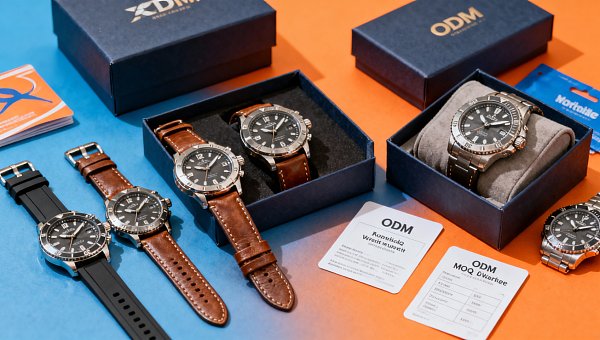
Suppliers use terms such as private label, OEM, and ODM differently. In practice, the distinction matters because each route changes cost, lead time, intellectual-property exposure, and MOQ.
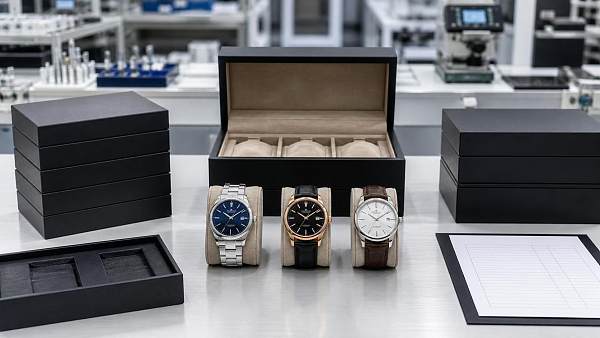
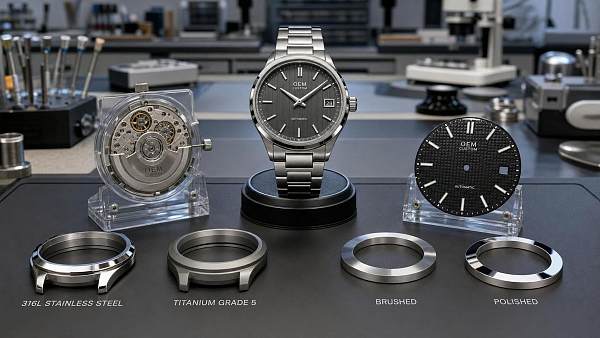
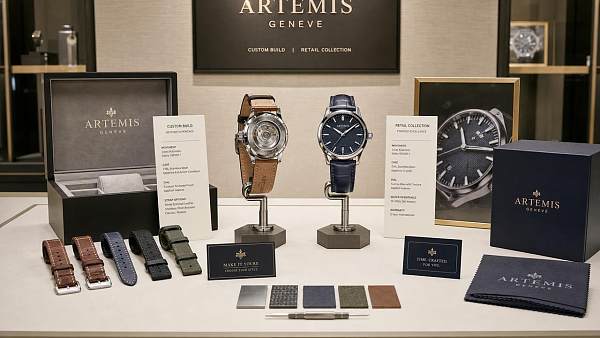
A private-label program often means a proven supplier model with brand-specific dial printing, case-back marking, strap selection, packaging, and possibly a customized crown or buckle. This approach is generally faster and less risky because the core construction has already been produced. ODM usually allows broader adaptation of an existing design platform. Full OEM development may involve new cases, dials, hands, molds, or construction details designed around the buyer’s brief.
Buyers should not assume that “custom” means every visible and internal component is exclusive. Ask the supplier to identify, line by line, which parts are stock, modified stock, newly tooled, or exclusive to the project. That clarification is more valuable than a broad promise of customization.
- Which logo locations are available: dial, case back, crown, clasp, buckle, rotor, packaging, or warranty card?
- Is the dial logo printed, applied, engraved, embossed, or made as a separate metal index?
- Can the supplier provide Pantone or other agreed color matching for dials, straps, and boxes?
- Who owns new tooling, artwork files, and custom molds after payment?
- Will the factory sell the same custom configuration to another customer?
Branding should also be reviewed at actual scale. Fine lines, small type, and metallic finishes can look excellent in a digital rendering but become unreadable or uneven on a small dial. Request physical samples or production-representative mock-ups before approving the final artwork. A vector logo alone is not a dial specification.
MOQ Is a Supply-Chain Question, Not Just a Price Question
Minimum order quantity is often discussed as a single number, yet a watch program can have several MOQs at once. The finished watch may have one threshold, while a custom dial, colored strap, special buckle, gift box, or newly developed case has another. A supplier may accept a modest quantity of assembled watches but require a larger run of customized components that will be held for future orders.
That is not automatically a concern. It becomes a concern when component inventory, storage duration, payment responsibility, and disposal terms are not documented. Excess custom straps can age in storage; plated components may not be appropriate for indefinite holding; packaging can become obsolete after a brand refresh. Procurement teams should ask how unused materials are labeled, counted, protected, and released against subsequent purchase orders.
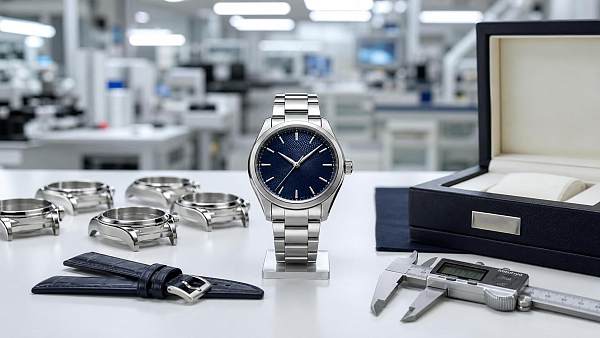
Instead of only negotiating for the lowest MOQ, buyers may achieve a better result by selecting a stock case and movement while reserving customization for the dial, strap, case back, and packaging. This can preserve a branded appearance without turning every component into a separate production commitment.
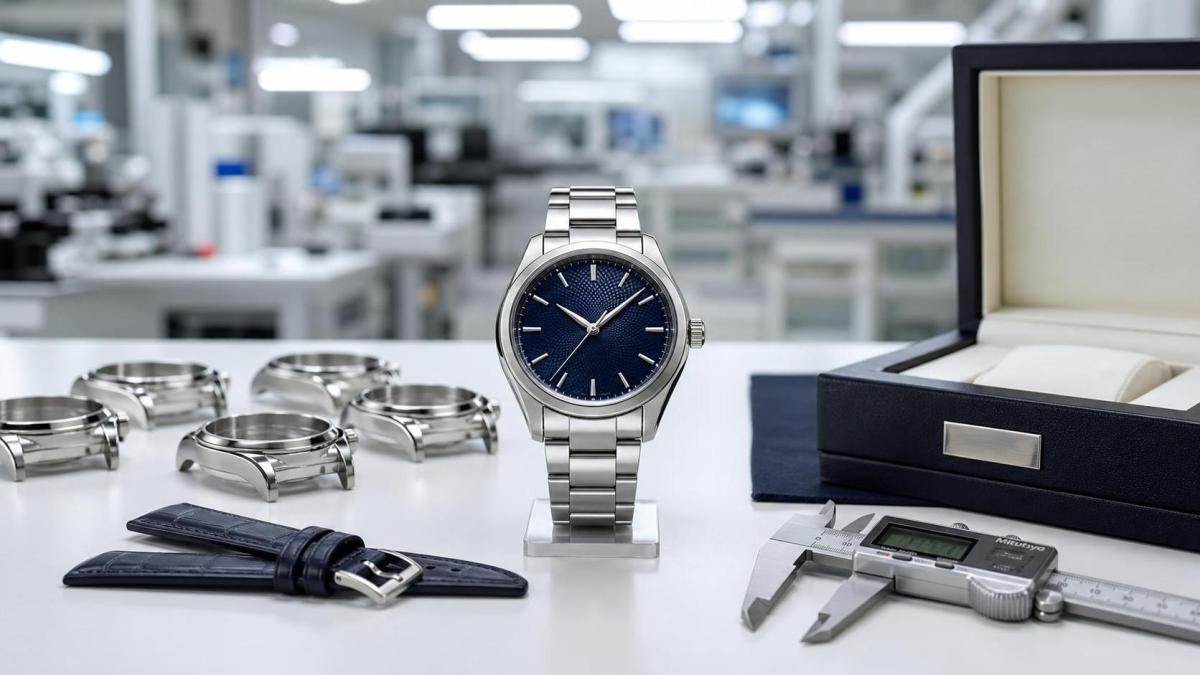
Specify the Movement, Materials, and Claims With Precision
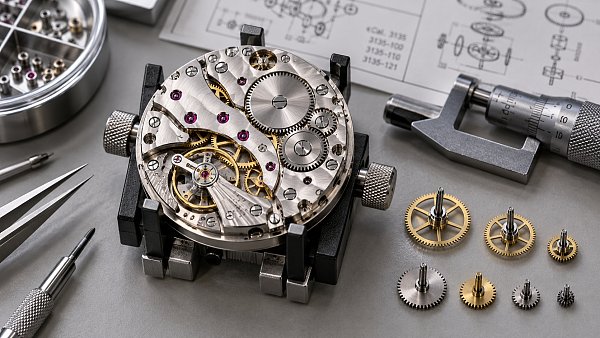
The movement is not merely an internal part; it determines customer expectations, service requirements, case thickness, battery considerations, and positioning. Quartz movements are commonly chosen for practical, accessible commercial programs. Mechanical or automatic movements may suit higher-value concepts, but they introduce different expectations around accuracy, handling, servicing, and user education. A supplier quotation should state the exact movement reference where possible, not just “Japanese movement” or “automatic movement.” Broad descriptions make later substitution easier and comparison harder.
Material language deserves the same discipline. Stainless steel, alloy, ceramic, mineral glass, sapphire crystal, genuine leather, coated leather, silicone, and various plating finishes all carry different cost and durability implications. If a visual finish is central to the design, ask what the base material is and how the finish is applied. “Gold color” is an appearance, not a full technical specification.
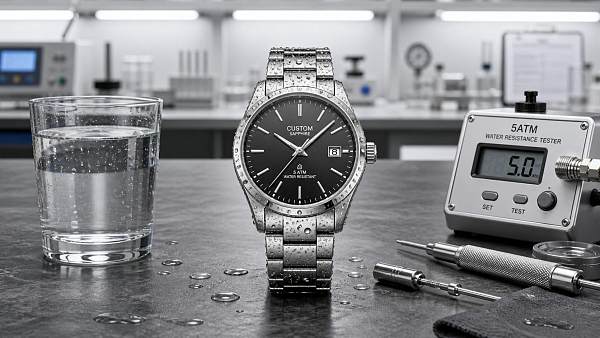
Water resistance is another area where buyers should avoid vague wording. A stated rating should be backed by the supplier’s relevant test process and tied to the final assembled model, including crown, case construction, and seals. Do not translate a rating into consumer-use promises without confirming the product documentation and the applicable market requirements. If the watch will be sold in multiple jurisdictions, labeling, battery, chemical-substance, packaging, and product-safety obligations should be reviewed with the responsible compliance specialists before shipment.
QC Should Be Auditable, Not a Reassuring Phrase
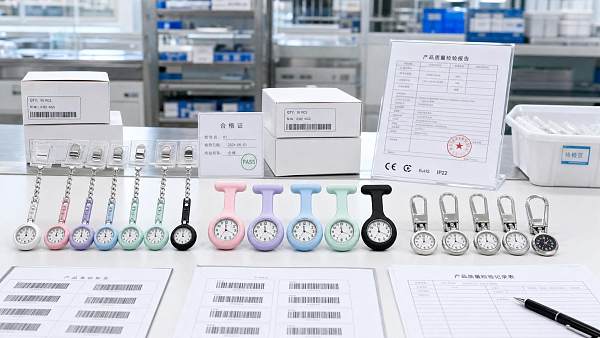
“We have strict quality control” is not enough for a purchase decision. The buyer needs to understand what is inspected, when it is inspected, who records the results, and what happens when a defect is found. In watch production, problems can appear at incoming material inspection, during dial and hand assembly, after casing, during functional testing, or only when the product is packed and handled.
Ask for the factory’s inspection flow and sample records relevant to the proposed model. The documents do not need to disclose proprietary process details to be useful. They should show that the supplier can control appearance, function, and traceability in a repeatable manner. For branded programs, the approved “golden sample” should be clearly identified and retained as the reference against which production is judged.
A robust QC discussion normally covers cosmetic standards for dial marks, dust, scratches, plating variation, crystal defects, strap alignment, logo placement, and packaging damage. It also covers functional checks appropriate to the specification: time setting, crown operation, hand clearance, movement operation, date change where applicable, and any agreed water-resistance verification. The buyer should define acceptable and unacceptable examples rather than relying on phrases such as “no visible defect.” Visibility depends on lighting, viewing distance, and the inspector’s judgment.
Questions Worth Asking Before Production Approval
- Can the supplier provide a pre-production sample made with final materials, branding, and packaging?
- What is the written approval process if the sample differs from the original quotation or artwork?
- Are components traceable by batch, especially movements, dials, straps, and plated parts?
- What inspection level or sampling method will be used, and can an independent pre-shipment inspection be accommodated?
- How are defects segregated, reworked, recorded, and reported to the buyer?
- What spare parts, batteries, straps, or repair support can be supplied after delivery?
Independent inspection can be sensible for higher-value or first-time orders, but it is not a substitute for a clear specification. An inspector can verify against an agreed standard; they cannot reliably invent that standard at the loading stage. The purchase order, artwork approval, bill of materials, packaging specification, and golden sample should all point to the same version-controlled brief.
Compare Suppliers Beyond the Unit Quote
A low unit quote may reflect a sensible stock-platform strategy, but it may also omit items that become expensive later: tooling, sample charges, upgraded crystal, custom inserts, replacement straps, inspection support, export packaging, or special testing. Request a quotation that separates one-time costs, recurring unit costs, optional upgrades, and charges linked to compliance or third-party testing where required.
Supplier communication is itself a sourcing signal. A capable partner should be able to explain design constraints, identify risks in the requested construction, and distinguish confirmed capabilities from items that need development review. Be wary of a supplier that agrees immediately to every request but cannot provide component-level detail, sample timing, or a coherent production sequence.
For buyers managing commercial spaces and specialty retail programs, the decision also extends beyond the factory gate. A launch may require barcodes, multilingual inserts, replacement-stock planning, display compatibility, and a realistic plan for warranty handling. These operational details are easy to defer during design development and difficult to repair once inventory is in transit.
Build a Decision File Before Committing Capital
The strongest private label commercial watch programs are usually built from a disciplined approval file rather than a persuasive supplier presentation. That file should include approved artwork, component descriptions, movement identification, finish references, packaging dielines, sample sign-off, MOQ terms, tooling ownership, inspection criteria, delivery milestones, and the documents needed for the intended market. If any of these points remains verbal, it remains open to interpretation.
Global Commercial Trade approaches sourcing in this broader commercial context: a branded accessory must fit the experience a buyer is building, whether that is a premium retail collection, a hospitality-led gift program, or a curated specialty assortment. The useful question is not simply whether a factory can place a logo on a watch. It is whether the proposed platform, supplier controls, and replenishment model can support the brand after the first shipment.
Before issuing a purchase order, compare the final sample against the original brief, reconcile every MOQ at component level, and confirm how quality will be measured in production. Those three checks catch many of the avoidable problems that later get described as sourcing surprises.
Search News
Hot Articles
- Outdoor RidesIAAPA Launches Insurance Solution for North American Attractions IndustryOct 21, 2026
- Watch OEM & SmartwatchesWatch Movement Parts: How to Check Compatibility With a Specific CaliberOct 21, 2026
- Outdoor RidesEnergylandia Announces Rokan, Set to Be Europe’s Tallest and Longest B&M Wing CoasterOct 20, 2026
Popular Tags
Need ExpertConsultation?
Connect with our specialized leisureengineering team for procurementstrategies.
Recommended News
 Oct 21, 2026Watch Movement Parts: How to Check Compatibility With a Specific CaliberWatchmaking components and movement parts must match your exact caliber. Learn how to verify references, dimensions, and performance to avoid costly mismatches and source with confidence.● Luxury Retail Analyst
 Sep 08, 2026Water-Resistant Commercial Watches: Choosing Ratings for Workwear and Promotional UseWater resistant commercial watch guide: match 3, 5, or 10 ATM ratings to workwear and promotional needs, verify testing, and protect your budget and brand.● Luxury Retail Analyst
 Sep 07, 2026Commercial Watch Bulk Orders: How to Evaluate Pricing Tiers, Lead Times, and SamplesCommercial watch bulk order guide: evaluate pricing tiers, lead times, samples, landed costs, and supplier readiness to protect margins and launch on schedule.● Luxury Retail Analyst
 Sep 06, 2026Private Label Commercial Watches: A Buyer's Checklist for Branding, MOQ, and QCPrivate label commercial watch sourcing made simple: explore branding, MOQ, materials, supplier QC, and approval steps to build a reliable, market-ready watch program.● Luxury Retail Analyst
 Aug 16, 2026Where to Source Moissanite Iced Out Watches Wholesale Without Sacrificing QualityMoissanite iced out watches wholesale buyers: learn how to source factory-direct quality, verify stone setting and plating, and reduce risk before placing bulk orders.● Luxury Retail Analyst
 Aug 12, 2026How to Evaluate Luxury Watch Winders Wholesale for Retail and Gift Supply?Luxury watch winders wholesale buying guide: learn how to assess quality, noise, compatibility, OEM options, and supplier risk for retail, hospitality, and premium gift supply.● Luxury Retail Analyst
 Jul 15, 2026Kids Smart Watches for School: Key Features Parents Should Compare Before BuyingKids smart watches for school: compare school mode, safe calling, GPS accuracy, battery life, comfort, and privacy controls before you buy the best fit for your child.● Luxury Retail Analyst
 Jul 07, 2026Wholesale Mechanical Watches Stainless Steel: What to Check Before Placing a Bulk OrderWholesale mechanical watches stainless steel sourcing guide: learn how to verify movement quality, steel grade, compliance, and supplier reliability before placing a bulk order.● Luxury Retail Analyst
 Jul 05, 2026Nurse Watches Bulk Buying Guide: Styles, Compliance, and Order QuantitiesNurse watches bulk buying made simple: compare styles, compliance checks, MOQ strategy, and supplier reliability to reduce risk and place smarter orders.● Luxury Retail Analyst
 Jul 05, 2026Stainless Steel Watch Bands Clasp Guide: Types, Fit, and Common Locking IssuesStainless steel watch bands clasp guide covering clasp types, fit checks, and common locking issues. Learn how to compare options, avoid failures, and choose a secure, comfortable band with confidence.● Luxury Retail Analyst
 Jun 30, 2026SASO Arabic UI Rule Tightens Smartwatch ExportsSASO Arabic UI Rule Tightens Smartwatch Exports as Saudi Arabia mandates full Arabic support by Oct 1, 2026. Learn the compliance risks, testing impact, and export actions now.● Luxury Retail Analyst
 Jun 30, 2026How to Source Silicone Watch Bands Bulk: MOQ, Material Grades, and OEM OptionsSilicone watch bands bulk sourcing made simple: compare MOQ, material grades, quality control, and OEM options to reduce risk, choose reliable suppliers, and buy with confidence.● Luxury Retail Analyst
 Jun 29, 2026Saudi SASO Adds Arabic UI Check for SmartwatchesSaudi SASO Adds Arabic UI Check for Smartwatches: learn how the 2026 Arabic UI verification may affect OEM models, certification, imports, and retail listings in Saudi Arabia.● Luxury Retail Analyst
 Jun 17, 2026Automatic Watches OEM Explained: Movement Options, Case Materials, and CustomizationAutomatic watches OEM explained: compare movement options, case materials, and customization factors that shape quality, brand value, and supplier reliability.● Luxury Retail Analyst
 Jun 11, 2026REACH SVHC Update Hits Watch OEMs and SmartwatchesREACH SVHC update puts Watch OEM and smartwatch exports to the EU under new pressure. See how SCIP filing, supplier declarations, and material checks can protect shipments before the 2026 deadline.● Luxury Retail Analyst
 Jun 10, 2026REACH SVHC Update Adds New Watch Export Compliance DutiesREACH SVHC update puts Watch OEM and smartwatch exporters under new EU compliance pressure. Learn the new SCIP duties, 0.1% threshold risks, and what teams must do before December 2026.● Luxury Retail Analyst
 Jun 08, 2026Commercial Watch vs Retail Watch: Key Differences in OEM Specs, Pricing, and Use CasesCommercial watch vs retail watch: discover key OEM specs, pricing factors, and use cases to choose the right sourcing strategy, reduce risk, and improve brand fit.● Luxury Retail Analyst
 Jun 05, 2026Watch Hands and Crowns: Key Specs to Check for OEM Repair and AssemblyWatch hands and crowns for OEM repair and assembly: learn the key specs to verify for fit, sealing, durability, and repeatable quality before approval.● Luxury Retail Analyst
 Jun 02, 2026Sapphire Watch Glass vs Mineral Glass: Durability, Clarity, and Cost DifferencesSapphire watch glass vs mineral glass: compare scratch resistance, clarity, impact behavior, and cost to choose the right lens for premium or value-driven watches.● Luxury Retail Analyst
 May 23, 2026What should buyers check before sourcing iced out watches wholesale?Iced out watches wholesale buyers should check material honesty, stone setting, durability, and supplier compliance before ordering to reduce returns and protect profit.● Luxury Retail Analyst
 May 02, 2026Zheng Qinwen’s Madrid Exit Delays EU Orders for Smart Tennis WearablesSmart tennis wearables face EU procurement delays after Zheng Qinwen’s Madrid Open exit — key for manufacturers navigating WTA data privacy guidelines.● Luxury Retail Analyst
 Apr 30, 2026What separates a commercial watch from a fashion driven modelCommercial watch buying explained: discover how durability, precision, serviceability, and channel fit separate true commercial models from fashion-led watches for retail, gifting, and hospitality.● Luxury Retail Analyst
 Apr 30, 2026ODM watches or private label, which model fits betterODM watches or private label? Compare speed, customization, MOQ, and sourcing risk to choose the best watch model for your brand, launch timeline, and profit goals.● Luxury Retail Analyst
 Apr 24, 2026ODM Watches: Costs, MOQ, and Lead TimesODM watches guide: compare costs, MOQ, and lead times for sports and entertainment sourcing. Ideal for hospitality procurement, resort retail, and branded event merchandise buyers.● Luxury Retail Analyst