Why Pool Heat Pumps Perform Differently in Mild Climates
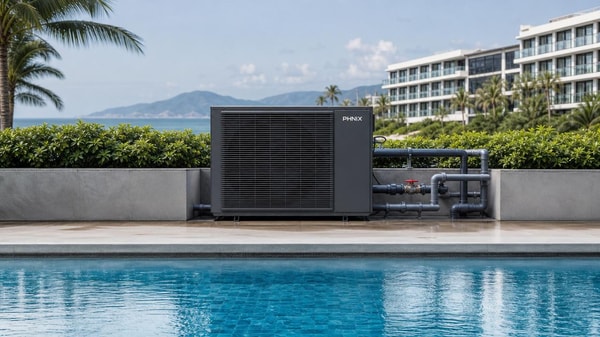
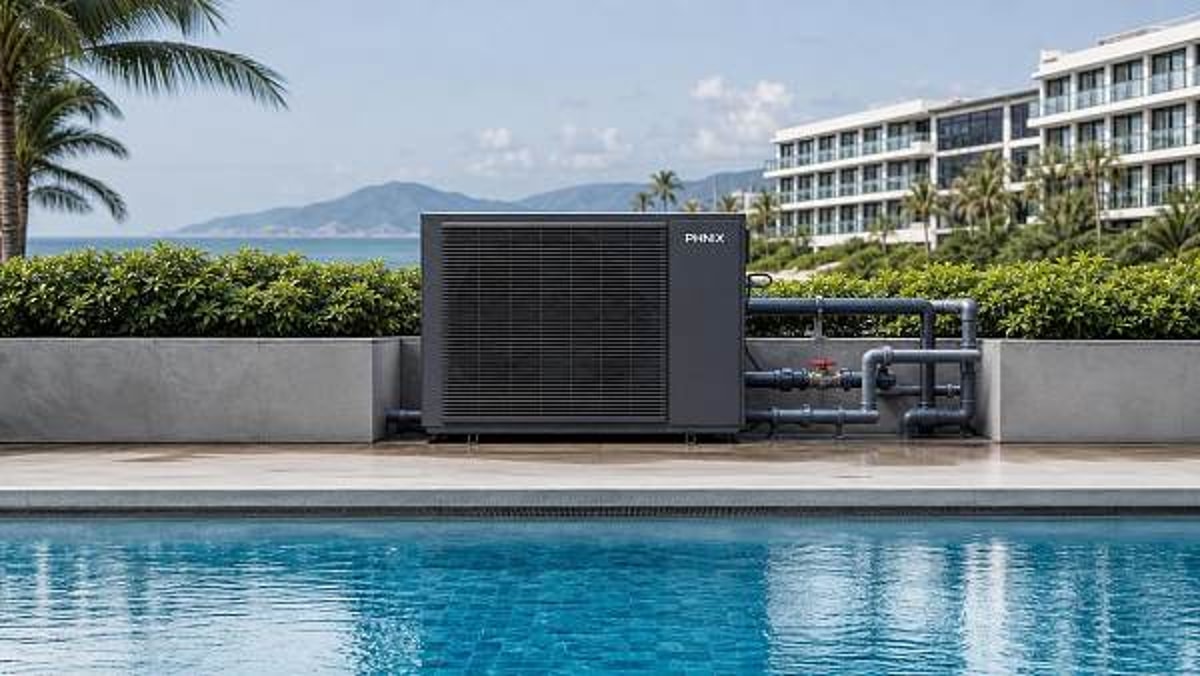
Pool heat pumps can deliver very different results in mild climates, where moderate air temperatures, humidity shifts, and longer shoulder seasons all influence efficiency and operating costs. For technical evaluators, understanding these climate-specific performance factors is essential when comparing system design, COP ratings, control logic, and long-term commercial value.
Why mild-climate performance is becoming a more important evaluation issue
A notable market change is reshaping how commercial buyers assess pool heat pumps. In the past, many specifications were built around simple assumptions: colder regions needed stronger low-ambient performance, while warmer regions could rely on standard units with less scrutiny. That approach is becoming outdated. Mild climates now represent one of the most nuanced operating environments because they combine moderate temperatures, fluctuating humidity, longer swim seasons, and stronger pressure to reduce energy cost without sacrificing comfort.
For hotels, resorts, education campuses, wellness clubs, and mixed-use leisure facilities, the question is no longer whether pool heat pumps work in mild climates. The real issue is why apparently similar systems perform differently once installed. Technical evaluators are seeing larger gaps between laboratory COP claims and field outcomes, especially when facilities operate during spring, autumn, or nighttime periods when air conditions remain above freezing but still vary enough to affect compressor loading, defrost frequency, and control responsiveness.
This shift matters across global commercial procurement. Buyers increasingly expect evidence of seasonal efficiency, acoustic suitability, maintenance predictability, and stable delivered water temperature. In mild climates, these factors can create bigger lifecycle differences than headline heating capacity alone. As a result, pool heat pumps are moving from a simple equipment line item to a strategic energy and guest-experience decision.
The main trend signals changing how pool heat pumps are judged
Several market signals explain why technical review standards are changing. First, more commercial pools are staying open beyond peak summer months, which expands operation into shoulder seasons where air temperature is not extreme but still unstable. Second, energy managers are under greater pressure to compare actual seasonal performance rather than rely on single-point test values. Third, decarbonization targets are pushing facilities away from fossil-fuel heating toward electrically driven systems, making pool heat pumps central to broader building electrification strategies.
Another trend is the rising importance of integrated controls. In mild climates, performance can vary hour by hour. A unit that reacts intelligently to changing ambient temperature, evaporation load, and occupancy schedule often outperforms a technically larger unit with weaker control logic. This is especially relevant in hospitality and leisure settings, where comfort targets are strict and operating windows are extended.
Why pool heat pumps often behave differently in mild climates
The performance difference is not caused by one single factor. It usually comes from the interaction of ambient air conditions, pool usage patterns, and equipment configuration. Mild climates tend to create variable operating windows rather than consistently favorable ones. That means pool heat pumps may spend more time cycling, modulating, or recovering from nighttime heat loss instead of running in a steady high-efficiency state.
Humidity is one overlooked driver. In some coastal or maritime mild climates, humidity remains high even when air temperature is moderate. This can help heat transfer under some conditions, but it can also increase corrosion risk, influence coil condition over time, and complicate defrost behavior when temperatures dip. Two installations with the same rated unit can therefore show different seasonal output depending on exposure, maintenance quality, and air-side design.
Another factor is part-load operation. Many commercial pool heat pumps are selected for peak recovery or design-day conditions, yet mild climates often require long periods of lower-load heating. Systems with inverter compressors, variable-speed fans, and refined control algorithms generally maintain more stable efficiency under these conditions. Fixed-speed systems may still achieve acceptable heating, but they can lose ground on cycling losses, noise spikes, and temperature stability.
Evaporation control also matters more than many buyers assume. In mild climates, the gap between day and night temperatures may be large enough to increase uncovered pool losses, particularly in outdoor hospitality pools. If the pool is frequently uncovered in evening hours, the heat pump may appear underperforming when the deeper issue is system-level heat retention. Technical evaluators should therefore assess the pool heat pump within the operating strategy, not in isolation.
The most common specification mistake: treating COP as a fixed truth
One of the clearest industry changes is the move away from single-point performance marketing. COP remains useful, but for mild-climate assessment it can be misleading if treated as a universal indicator. A high COP at one air and water condition does not automatically mean better seasonal value. For technical evaluators, the stronger question is how efficiently the unit performs across the actual operating band of the project.
In practice, pool heat pumps in mild climates may encounter cool mornings, warm afternoons, damp nights, and irregular occupancy loads within the same week. If published data does not show performance at multiple ambient conditions, part-load points, and defrost scenarios, comparison becomes incomplete. This is why serious procurement teams increasingly request expanded test maps, field references in similar climates, and control sequence details rather than relying on brochure headlines.
This change is especially relevant in commercial sourcing environments shaped by E-E-A-T expectations. Trust is built not by claiming the highest rated number, but by demonstrating credible performance under realistic conditions. Suppliers able to explain how their pool heat pumps respond to mild-climate variability are better positioned with technically rigorous buyers.
Who feels the impact most across the commercial chain
The consequences of performance variation are not distributed evenly. Different stakeholders experience different risks when pool heat pumps fail to match mild-climate realities. For evaluators, understanding these roles helps sharpen specification priorities and procurement questions.
What technical evaluators should watch more closely now
The current direction of the market suggests five priority checks. First, review performance across multiple operating points, not only nominal heating capacity. Second, examine how the pool heat pump handles modulation, staging, and restart logic during variable daytime conditions. Third, verify whether coil protection and casing design suit humid or saline mild-climate locations. Fourth, look at the controls interface: can it coordinate with circulation pumps, covers, occupancy schedules, and building systems? Fifth, ask whether service support can preserve the claimed efficiency over time.
These checks are increasingly important because mild climates often create a false sense of simplicity. Buyers may assume that because the site is not cold, almost any heat pump will perform similarly. In reality, this is where subtle design differences become commercially visible. Better exchanger design, quieter fan operation, more stable inverter behavior, and stronger anti-corrosion treatment can all translate into lower annual cost and fewer comfort complaints.
The next phase of competition will center on controllability and verified seasonal value
Looking ahead, the competitive edge in pool heat pumps is likely to shift further toward controls, data transparency, and project-specific optimization. Mild climates are ideal environments for this shift because system performance depends less on surviving extreme weather and more on managing fluctuation efficiently. Manufacturers that provide better seasonal modeling, remote diagnostics, and clear integration logic will have an advantage with commercial buyers.
There is also a sourcing implication. As GCT-style commercial intelligence becomes more influential, buyers will compare suppliers not only on price and capacity, but on their ability to support specification confidence. Evidence of OEM or ODM flexibility, climate-matched case studies, and documented compliance can become decisive in international procurement, especially for hotels, leisure projects, and institutional campuses seeking both operational savings and reputational quality.
Practical judgment framework for current projects
Conclusion: the smarter question is not “will it work,” but “how will it perform over the season?”
The market direction is clear: pool heat pumps in mild climates should no longer be assessed through generic warm-weather assumptions. The most relevant changes involve longer operating seasons, tighter energy accountability, stronger electrification goals, and rising demand for verified seasonal performance. These changes affect hospitality groups, leisure venues, consultants, and sourcing teams that need dependable, commercially defensible decisions.
For technical evaluators, the strongest response is to compare pool heat pumps through a climate-specific lens. Focus on operating variability, part-load efficiency, humidity exposure, control sophistication, and field evidence from similar commercial environments. If a business wants to understand how these trends will affect its own project, the next step is to confirm a few practical points: what the real operating season looks like, how much nighttime heat loss is expected, which control integrations are required, and whether supplier data reflects actual mild-climate conditions rather than idealized test points.
That level of scrutiny turns equipment selection into strategic value. In today’s commercial sourcing environment, that is exactly where better decisions are being made.
Search News
Hot Articles
Popular Tags
Need ExpertConsultation?
Connect with our specialized leisureengineering team for procurementstrategies.
Recommended News
 May 07, 2026Commercial Swimming Pool Filters: Sand, Cartridge, or DE?Commercial swimming pool filters compared: sand, cartridge, or DE? Discover the best option for water clarity, maintenance, operating costs, and smarter commercial pool decisions.● Hospitality Sourcing Dir
 May 07, 2026Synthetic Turf Wholesale: Which Specs Actually Change Lifespan?Synthetic turf wholesale buyers: learn which specs truly extend lifespan—fiber, stitch rate, backing, pile height, and UV resistance—to reduce replacement costs and source smarter.● Hospitality Sourcing Dir
 May 07, 2026Hotel and Catering Equipment Lists That Miss Critical Back-End ItemsHotel & Catering Equipment lists often miss critical back-end items like utilities, ventilation, and controls. Learn how to avoid delays, rework, and hidden project costs.● Hospitality Sourcing Dir
 May 07, 2026Why Pool Heat Pumps Perform Differently in Mild ClimatesPool heat pumps perform differently in mild climates due to part-load demand, humidity, and controls. Learn what drives real seasonal efficiency and smarter commercial selection.● Hospitality Sourcing Dir
 May 07, 2026Commercial Swimming Pool Filters: Sand, Cartridge, or DE?Commercial swimming pool filters compared: sand, cartridge, or DE? Discover the best option for water clarity, maintenance, operating costs, and smarter commercial pool decisions.● Hospitality Sourcing Dir
 May 07, 2026Synthetic Turf Wholesale: Which Specs Actually Change Lifespan?Synthetic turf wholesale buyers: learn which specs truly extend lifespan—fiber, stitch rate, backing, pile height, and UV resistance—to reduce replacement costs and source smarter.● Hospitality Sourcing Dir
 May 07, 2026Hotel and Catering Equipment Lists That Miss Critical Back-End ItemsHotel & Catering Equipment lists often miss critical back-end items like utilities, ventilation, and controls. Learn how to avoid delays, rework, and hidden project costs.● Hospitality Sourcing Dir
 May 07, 2026Why Pool Heat Pumps Perform Differently in Mild ClimatesPool heat pumps perform differently in mild climates due to part-load demand, humidity, and controls. Learn what drives real seasonal efficiency and smarter commercial selection.● Hospitality Sourcing Dir
 May 06, 2026Hotel & Catering Equipment upgrades that cut daily labor timeHotel & Catering Equipment upgrades that cut labor time fast—discover smart kitchen, warewashing, and service solutions that streamline workflows, reduce staffing strain, and boost hospitality efficiency.● Hospitality Sourcing Dir
 May 05, 2026Hotel & Catering Equipment costs that often get missed earlyHotel & Catering Equipment costs often go beyond the quote. Discover hidden expenses in utilities, compliance, logistics, and commissioning to protect budgets and avoid project delays.● Hospitality Sourcing Dir
 May 04, 2026Commercial Water Softeners: Sizing Mistakes That Raise CostsCommercial water softeners sizing mistakes can quietly raise salt, water, and maintenance costs. Learn the most common errors and smarter sizing tips for long-term commercial efficiency.● Hospitality Sourcing Dir
 May 04, 2026Hotel & Catering Equipment Lists Often Miss These BasicsHotel & Catering Equipment lists often miss critical basics like utilities, compliance, workflow, and maintenance access. Learn how to avoid delays, rework, and costly project risks.● Hospitality Sourcing Dir
 May 03, 2026Commercial pizza ovens that save labor may cost more to ventCommercial pizza ovens can cut labor, but venting, code compliance, and installation may raise total costs. See the key checks before you buy.● Hospitality Sourcing Dir
 May 03, 2026Commercial juicers: cold press or centrifugal for daily serviceCommercial juicers: compare cold press and centrifugal models for daily service. Discover the best fit for speed, juice quality, yield, cleaning, and operating costs.● Hospitality Sourcing Dir
 May 03, 2026Commercial water boilers: recovery time matters more than listed capacityCommercial water boilers perform best when recovery time matches peak demand. Learn why faster reheating beats listed capacity for reliable, efficient commercial hot water service.● Hospitality Sourcing Dir
 May 03, 2026Cotton candy machines wholesale: small details that affect cleaning timeCotton candy machines wholesale guide: discover the small design details that cut cleaning time, reduce labor costs, and improve hygiene for busy commercial operations.● Hospitality Sourcing Dir
 May 03, 2026Dough sheeters wholesale: thickness control is where quality showsDough sheeters wholesale buyers: see why thickness control defines real quality, repeatability, and long-term value. Compare key evaluation points for smarter sourcing.● Hospitality Sourcing Dir
 May 03, 2026Slushy machines wholesale: what causes flavor crossover problemsSlushy machines wholesale buyers should understand what causes flavor crossover, from poor sealing to weak cleaning design, to protect drink quality and choose more reliable equipment.● Hospitality Sourcing Dir
 May 03, 2026Commercial bread slicers: slice consistency affects more than looksCommercial bread slicers do more than improve appearance—they boost portion control, reduce waste, and support faster service. Learn what drives slice consistency before you buy.● Hospitality Sourcing Dir
 May 03, 2026Wood fired pizza ovens need more space than most plans allowWood fired pizza ovens often require more space than expected. Learn how to avoid redesigns, protect workflow, and plan compliant, high-performance hospitality projects.● Hospitality Sourcing Dir
 May 03, 2026Commercial pizza ovens: gas or electric for steady outputCommercial pizza ovens: compare gas vs. electric for steady output, faster recovery, precise control, and smarter installation choices across real kitchen scenarios.● Hospitality Sourcing Dir
 May 03, 2026Commercial popcorn machines: kettle size vs serving rush realityCommercial popcorn machines should be chosen by real rush-hour output, not kettle size alone. Learn how to match serving peaks, staffing, and workflow for smarter buying.● Hospitality Sourcing Dir
 May 03, 2026Commercial insect killers: indoor placement changes results fastCommercial insect killers perform very differently based on indoor placement. Discover how small positioning changes can boost control, reduce pest activity, and improve operational results fast.● Hospitality Sourcing Dir
 May 03, 2026Hotel & Catering Equipment lists often hide installation costsHotel & Catering Equipment lists often hide installation costs. Learn where budgets slip, what to verify early, and how to compare total installed value before approval.● Hospitality Sourcing Dir