Hotel and Catering Equipment Lists That Miss Critical Back-End Items
Many Hotel & Catering Equipment lists look complete on paper but fail in execution because they overlook critical back-end items that keep projects compliant, efficient, and operational. For project managers and engineering leads, missing utility connections, ventilation components, control systems, or maintenance access can trigger delays, budget overruns, and rework. This article highlights the hidden essentials that should be specified early to protect timelines, performance, and long-term asset value.
What these missing back-end items actually are
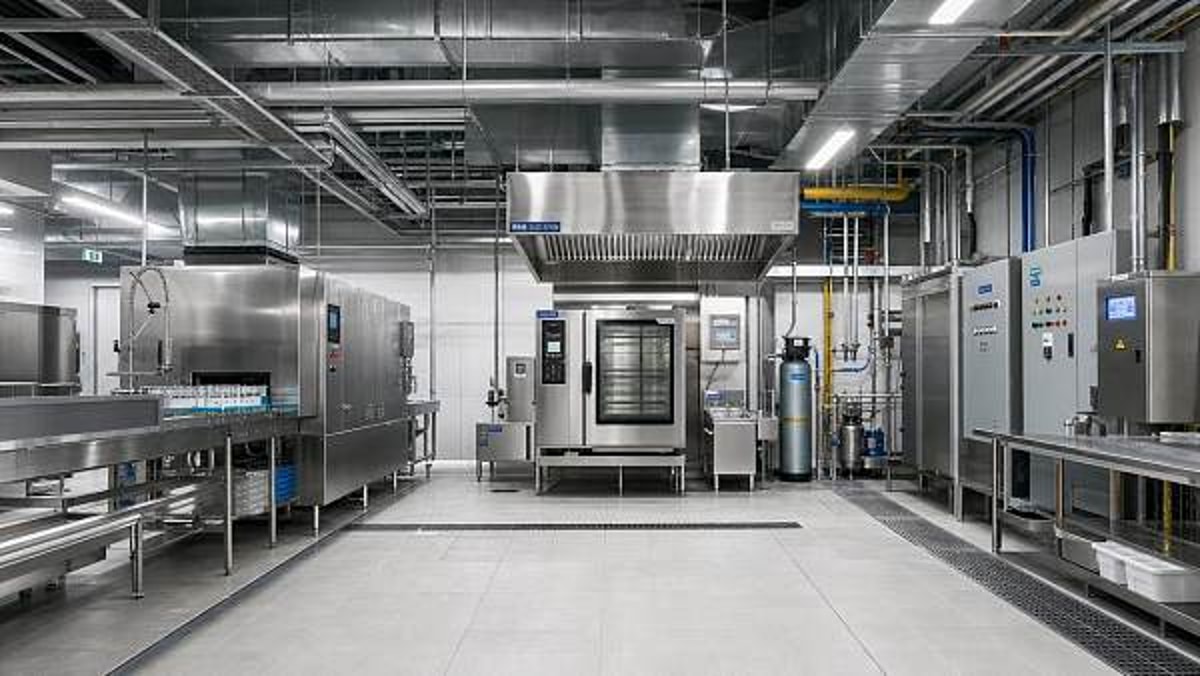
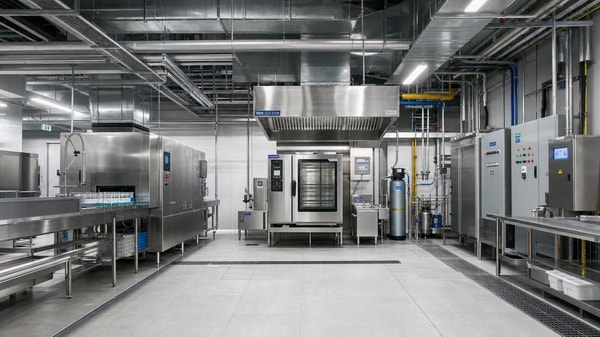
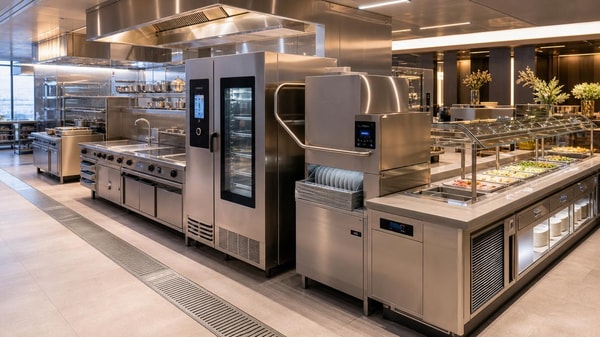
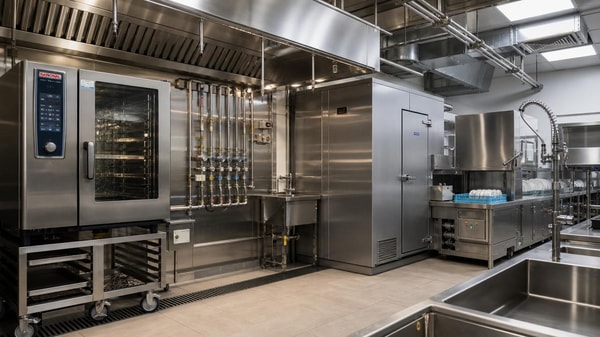
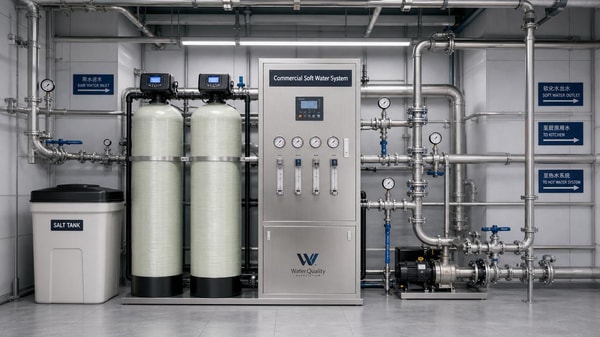
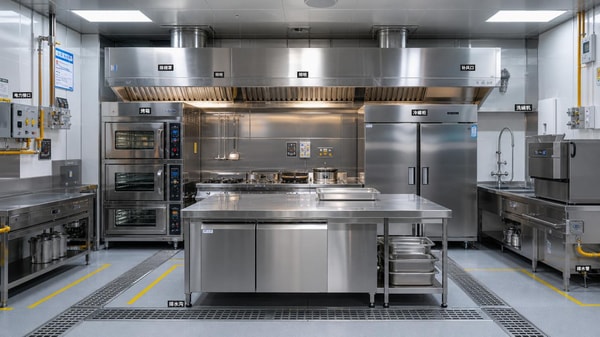
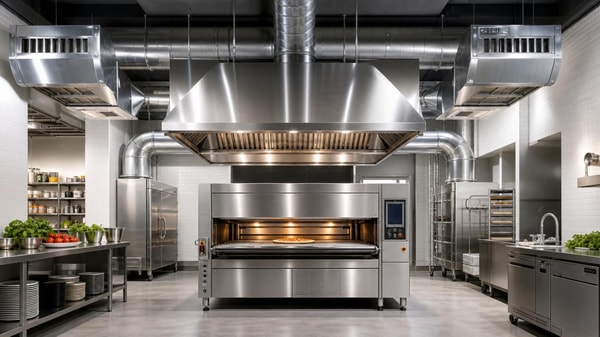
In Hotel & Catering Equipment planning, the visible assets usually get the most attention: ovens, combi steamers, refrigeration units, dishwashers, counters, buffet lines, bars, and service trolleys. Yet the success of a hospitality project depends just as much on the infrastructure hidden behind, below, above, and inside those assets. Back-end items include utility terminations, electrical loading provisions, gas train details, grease management, condensate drainage, exhaust balancing, make-up air, fire suppression interfaces, BMS or control integration, acoustic treatments, service clearances, and spare parts strategy.
These are not minor accessories. They are enabling components that allow Hotel & Catering Equipment to perform at design capacity and comply with local codes, operator standards, and brand expectations. When these details are absent from an equipment list, the result is often a misleading procurement package: the equipment appears fully specified, but the project is not actually ready for installation or operation.
For project managers and engineering leads, the practical definition is simple: if an item affects commissioning, compliance, access, maintenance, or system coordination, it belongs in the scope from the beginning. Treating it as an afterthought usually shifts risk downstream, where corrections are slower and more expensive.
Why the industry keeps missing them
The hospitality sector is increasingly shaped by faster fit-out cycles, mixed-use developments, premium guest expectations, and cross-border sourcing. In that environment, Hotel & Catering Equipment schedules are often built from catalogs, showroom references, or budget templates before site conditions are fully coordinated. That creates a gap between what is purchased and what is required to make the operation work in a real building.
Several structural reasons explain the problem. First, procurement teams may receive equipment data sheets late or in inconsistent formats. Second, consultants, operators, and contractors may use different assumptions for utilities and installation responsibility. Third, imported equipment can carry performance standards that do not automatically align with local code, voltage, gas pressure, or exhaust requirements. Fourth, the operational team may focus on menu output and front-of-house aesthetics, while engineering risk remains under-documented.
This is why high-quality sourcing intelligence matters. In global projects, especially those involving OEM or ODM supply, commercial buyers need more than a price list. They need a coordinated specification framework that connects product capability, compliance obligations, service conditions, and long-term maintainability. That is exactly where disciplined B2B intelligence adds value.
Why project teams should care early
Missing back-end items in Hotel & Catering Equipment planning rarely stay hidden for long. They tend to surface during shop drawing review, MEP coordination, installation, testing, or soft opening. By then, the consequences are broader than a single equipment delay. A missing floor sink can stop a dishwasher line. Incorrect ventilation assumptions can reduce cooking capacity. Inadequate service access can turn simple maintenance into shutdown work. Poor control integration can undermine energy performance and alarm visibility.
From a project controls perspective, these omissions affect four critical areas: schedule certainty, capex discipline, operational readiness, and lifecycle value. Rework in hospitality environments is especially disruptive because kitchen, laundry, bar, banquet, and food service spaces are tightly coordinated with finishes, fire strategy, hygiene requirements, and opening dates. Even one unresolved utility issue can create a chain reaction across trades.
For engineering leaders, specifying hidden requirements early also supports better tendering. Suppliers can quote more accurately, contractors can price interfaces with fewer assumptions, and operators can validate whether the planned Hotel & Catering Equipment will truly support intended throughput, menu complexity, and staffing levels.
Key back-end categories that belong on every serious equipment list
A complete Hotel & Catering Equipment schedule should not only identify each asset but also describe the enabling conditions around it. The table below summarizes the categories most often missed in hospitality and foodservice projects.
Where omissions show up across hospitality operations
Not all areas of Hotel & Catering Equipment carry the same technical risk. Some zones are more sensitive because they combine heavy duty operation, strict hygiene, and multiple building interfaces. Project teams should classify spaces by coordination intensity rather than by equipment cost alone.
The business value of getting the hidden scope right
For owners and operators, better Hotel & Catering Equipment specifications create value well beyond installation. First, they protect opening dates, which is crucial in hotels, resorts, institutions, and mixed-use venues where revenue timing is tied to events, seasonality, or branded launches. Second, they reduce variation between design intent and operational reality. Third, they support energy and labor efficiency because equipment can run as intended rather than under compromise.
There is also a strategic sourcing benefit. When back-end scope is documented clearly, buyers can compare suppliers on a more equal basis. That is particularly important in international trade, where apparent price advantages may hide exclusions in installation kits, commissioning support, or compliance documentation. A lower equipment price can become a higher total project cost if the utility package, accessories, or service requirements are not captured from the start.
This is why professional sourcing hubs and intelligence aggregators are valuable to commercial buyers. They help convert fragmented supplier claims into decision-ready information that aligns technical performance with project execution needs. In sectors shaped by aesthetics, safety, and uptime, that alignment is a major trust signal.
Practical specification guidance for project managers and engineering leads
A strong Hotel & Catering Equipment list should function as a coordination tool, not just a procurement record. To achieve that, project teams should build each item around five layers of information: operational purpose, technical load, building interface, compliance requirement, and maintenance condition. If one layer is missing, the specification is incomplete.
Start by validating actual operating assumptions. Peak meal volumes, menu style, batch timing, recovery periods, and staffing patterns influence whether standard equipment data really fits the project. Then convert those operating assumptions into coordinated utility schedules. Do not rely solely on generic manufacturer brochures; request installation drawings, connection points, airflow requirements, and service clearances at the model level.
Next, assign scope responsibility explicitly. Clarify whether the supplier, kitchen contractor, MEP contractor, or main contractor provides items such as flexible connections, valves, starter kits, hoods, supports, plinths, trims, or test certificates. Many Hotel & Catering Equipment disputes come from assumptions hidden between packages rather than from the equipment itself.
It is also wise to include maintainability reviews before procurement release. Ask simple but high-value questions: Can filters be removed without dismantling adjacent joinery? Can a compressor be replaced without shutting down a full service line? Is there enough clearance to inspect gas valves, pumps, or control boards? These questions improve lifecycle performance and reduce operational disruption after handover.
Finally, plan commissioning as part of the equipment scope. Functional testing, balancing, calibration, and operator training should be listed as deliverables, not treated as optional extras. Hotel & Catering Equipment reaches its true value only when it is installed, tested, documented, and understood by the operating team.
A simple review checklist before you freeze the list
Before final approval, project teams should review whether every critical Hotel & Catering Equipment item answers these points:
- Is the exact model or performance equivalent defined clearly?
- Are power, water, gas, drainage, and ventilation requirements quantified?
- Are fire, hygiene, and local code interfaces identified?
- Are access, removal, and maintenance zones shown on coordinated drawings?
- Are startup consumables, spares, manuals, and training included?
- Is scope ownership assigned with no ambiguous gaps between trades?
Closing perspective
In modern hospitality projects, a polished Hotel & Catering Equipment list is not enough if it only captures what guests can see. The items that protect compliance, reliability, and service continuity are often the least visible ones. For project managers and engineering leaders, the priority is to shift these details upstream, where they can be coordinated intelligently instead of corrected urgently.
If your next hotel, resort, campus, or foodservice project involves international sourcing, custom fabrication, or complex MEP coordination, review the equipment schedule as a systems document rather than a shopping list. That approach improves tender accuracy, reduces downstream risk, and protects long-term asset value. In the Hotel & Catering Equipment sector, the hidden scope is often the difference between a smooth opening and a costly lesson.
Search News
Hot Articles
Popular Tags
Need ExpertConsultation?
Connect with our specialized leisureengineering team for procurementstrategies.
Recommended News
 May 07, 2026Commercial Swimming Pool Filters: Sand, Cartridge, or DE?Commercial swimming pool filters compared: sand, cartridge, or DE? Discover the best option for water clarity, maintenance, operating costs, and smarter commercial pool decisions.● Hospitality Sourcing Dir
 May 07, 2026Synthetic Turf Wholesale: Which Specs Actually Change Lifespan?Synthetic turf wholesale buyers: learn which specs truly extend lifespan—fiber, stitch rate, backing, pile height, and UV resistance—to reduce replacement costs and source smarter.● Hospitality Sourcing Dir
 May 07, 2026Hotel and Catering Equipment Lists That Miss Critical Back-End ItemsHotel & Catering Equipment lists often miss critical back-end items like utilities, ventilation, and controls. Learn how to avoid delays, rework, and hidden project costs.● Hospitality Sourcing Dir
 May 07, 2026Why Pool Heat Pumps Perform Differently in Mild ClimatesPool heat pumps perform differently in mild climates due to part-load demand, humidity, and controls. Learn what drives real seasonal efficiency and smarter commercial selection.● Hospitality Sourcing Dir
 May 07, 2026Commercial Swimming Pool Filters: Sand, Cartridge, or DE?Commercial swimming pool filters compared: sand, cartridge, or DE? Discover the best option for water clarity, maintenance, operating costs, and smarter commercial pool decisions.● Hospitality Sourcing Dir
 May 07, 2026Synthetic Turf Wholesale: Which Specs Actually Change Lifespan?Synthetic turf wholesale buyers: learn which specs truly extend lifespan—fiber, stitch rate, backing, pile height, and UV resistance—to reduce replacement costs and source smarter.● Hospitality Sourcing Dir
 May 07, 2026Hotel and Catering Equipment Lists That Miss Critical Back-End ItemsHotel & Catering Equipment lists often miss critical back-end items like utilities, ventilation, and controls. Learn how to avoid delays, rework, and hidden project costs.● Hospitality Sourcing Dir
 May 07, 2026Why Pool Heat Pumps Perform Differently in Mild ClimatesPool heat pumps perform differently in mild climates due to part-load demand, humidity, and controls. Learn what drives real seasonal efficiency and smarter commercial selection.● Hospitality Sourcing Dir
 May 06, 2026Hotel & Catering Equipment upgrades that cut daily labor timeHotel & Catering Equipment upgrades that cut labor time fast—discover smart kitchen, warewashing, and service solutions that streamline workflows, reduce staffing strain, and boost hospitality efficiency.● Hospitality Sourcing Dir
 May 05, 2026Hotel & Catering Equipment costs that often get missed earlyHotel & Catering Equipment costs often go beyond the quote. Discover hidden expenses in utilities, compliance, logistics, and commissioning to protect budgets and avoid project delays.● Hospitality Sourcing Dir
 May 04, 2026Commercial Water Softeners: Sizing Mistakes That Raise CostsCommercial water softeners sizing mistakes can quietly raise salt, water, and maintenance costs. Learn the most common errors and smarter sizing tips for long-term commercial efficiency.● Hospitality Sourcing Dir
 May 04, 2026Hotel & Catering Equipment Lists Often Miss These BasicsHotel & Catering Equipment lists often miss critical basics like utilities, compliance, workflow, and maintenance access. Learn how to avoid delays, rework, and costly project risks.● Hospitality Sourcing Dir
 May 03, 2026Commercial pizza ovens that save labor may cost more to ventCommercial pizza ovens can cut labor, but venting, code compliance, and installation may raise total costs. See the key checks before you buy.● Hospitality Sourcing Dir
 May 03, 2026Commercial juicers: cold press or centrifugal for daily serviceCommercial juicers: compare cold press and centrifugal models for daily service. Discover the best fit for speed, juice quality, yield, cleaning, and operating costs.● Hospitality Sourcing Dir
 May 03, 2026Commercial water boilers: recovery time matters more than listed capacityCommercial water boilers perform best when recovery time matches peak demand. Learn why faster reheating beats listed capacity for reliable, efficient commercial hot water service.● Hospitality Sourcing Dir
 May 03, 2026Cotton candy machines wholesale: small details that affect cleaning timeCotton candy machines wholesale guide: discover the small design details that cut cleaning time, reduce labor costs, and improve hygiene for busy commercial operations.● Hospitality Sourcing Dir
 May 03, 2026Dough sheeters wholesale: thickness control is where quality showsDough sheeters wholesale buyers: see why thickness control defines real quality, repeatability, and long-term value. Compare key evaluation points for smarter sourcing.● Hospitality Sourcing Dir
 May 03, 2026Slushy machines wholesale: what causes flavor crossover problemsSlushy machines wholesale buyers should understand what causes flavor crossover, from poor sealing to weak cleaning design, to protect drink quality and choose more reliable equipment.● Hospitality Sourcing Dir
 May 03, 2026Commercial bread slicers: slice consistency affects more than looksCommercial bread slicers do more than improve appearance—they boost portion control, reduce waste, and support faster service. Learn what drives slice consistency before you buy.● Hospitality Sourcing Dir
 May 03, 2026Wood fired pizza ovens need more space than most plans allowWood fired pizza ovens often require more space than expected. Learn how to avoid redesigns, protect workflow, and plan compliant, high-performance hospitality projects.● Hospitality Sourcing Dir
 May 03, 2026Commercial pizza ovens: gas or electric for steady outputCommercial pizza ovens: compare gas vs. electric for steady output, faster recovery, precise control, and smarter installation choices across real kitchen scenarios.● Hospitality Sourcing Dir
 May 03, 2026Commercial popcorn machines: kettle size vs serving rush realityCommercial popcorn machines should be chosen by real rush-hour output, not kettle size alone. Learn how to match serving peaks, staffing, and workflow for smarter buying.● Hospitality Sourcing Dir
 May 03, 2026Commercial insect killers: indoor placement changes results fastCommercial insect killers perform very differently based on indoor placement. Discover how small positioning changes can boost control, reduce pest activity, and improve operational results fast.● Hospitality Sourcing Dir
 May 03, 2026Hotel & Catering Equipment lists often hide installation costsHotel & Catering Equipment lists often hide installation costs. Learn where budgets slip, what to verify early, and how to compare total installed value before approval.● Hospitality Sourcing Dir