Wholesale musical instruments for schools without uneven quality
Finding wholesale musical instruments for schools should not mean accepting inconsistent craftsmanship, tuning instability, or unreliable delivery. For procurement professionals, the real challenge is balancing budget control with durable, classroom-ready quality. This guide explores how to source school instruments at scale with greater confidence, helping buyers identify dependable suppliers, verify standards, and build music programs without the risk of uneven quality.
For most buyers searching for wholesale musical instruments for schools, the core intent is practical rather than informational. They are not looking for a list of instruments alone. They want to know how to avoid bad batches, reduce replacement costs, compare suppliers fairly, and make purchasing decisions that stand up to internal review.
The short answer is clear: schools can buy at scale without sacrificing consistency, but only when procurement standards are specific, measurable, and enforced before production and before shipment. Price matters, yet uncontrolled variation in build quality, tuning stability, finish, accessories, and packaging usually creates a much higher total cost over time.
Why uneven quality becomes a serious school procurement problem
In educational settings, instrument quality affects more than appearance. A classroom violin with unstable pegs, a keyboard with inconsistent key response, or a brass instrument with poor valve action directly disrupts instruction. Teachers spend more time troubleshooting, students become frustrated faster, and repair budgets rise earlier than expected.
For procurement teams, uneven quality also creates institutional risk. If one shipment performs well but the next does not, the issue is no longer a single product defect. It becomes a supplier control problem. That can affect tender evaluations, budget forecasting, vendor credibility, and future purchasing cycles across multiple campuses or districts.
Unlike specialist performers, school programs need instruments designed for frequent use by beginners. That means durability, forgiving playability, and easy maintenance often matter more than premium performance features. A supplier that understands educational use cases will build around those priorities instead of simply offering low-cost retail surplus.
What procurement teams care about most when sourcing school instruments
Buyers in this category usually focus on five questions. First, will the instruments arrive consistently playable and safe? Second, how long will they last under classroom conditions? Third, can the supplier deliver the same standard across repeated orders? Fourth, what happens if defects appear after delivery? Fifth, does the total package fit budget expectations without hidden downstream costs?
These concerns shape how a sourcing decision should be made. The right supplier is not just the one with the lowest unit price. It is the one that can demonstrate process control, quality verification, packaging reliability, after-sales support, and the capacity to maintain consistency across different production lots.
That is why wholesale musical instruments for schools should be evaluated as a long-term procurement category. The goal is not to buy one shipment cheaply. The goal is to maintain functional music education assets with predictable performance, replacement planning, and supplier accountability.
How to define “acceptable quality” before requesting quotations
One of the biggest reasons schools receive mixed-quality instruments is that their specifications are too general. Requests such as “student violin,” “school keyboard,” or “entry-level drum set” leave too much room for interpretation. Different factories and trading companies can quote dramatically different products under the same broad label.
Before asking for prices, buyers should define a quality baseline in writing. This should include material requirements, tuning tolerance, finish standards, hardware durability, accessory inclusion, packaging protection, logo or labeling needs, and carton drop resistance if long-distance shipping is involved.
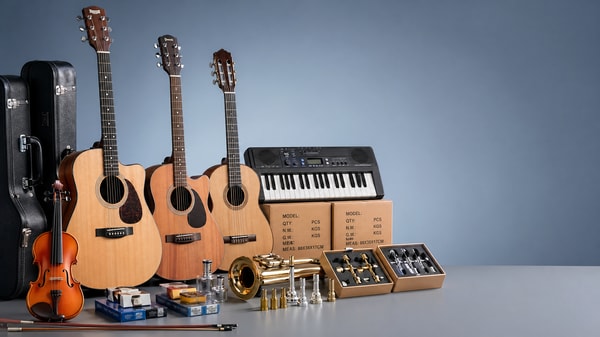
For example, if sourcing guitars for classroom use, specifications should address neck straightness, fret finishing, tuning machine stability, action consistency, wood or composite construction, and whether each unit must be pre-adjusted before packing. For brass instruments, define valve response, lacquer quality, dent resistance, mouthpiece inclusion, and case durability.
It is also wise to specify acceptable defect rates. Without that, a supplier may consider small inconsistencies normal, while the school system may treat them as unacceptable. Clear tolerance thresholds create a better basis for inspection and claims management.
Which instruments usually create the most quality variation
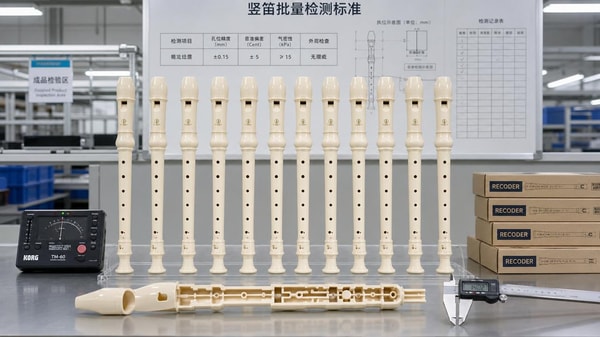
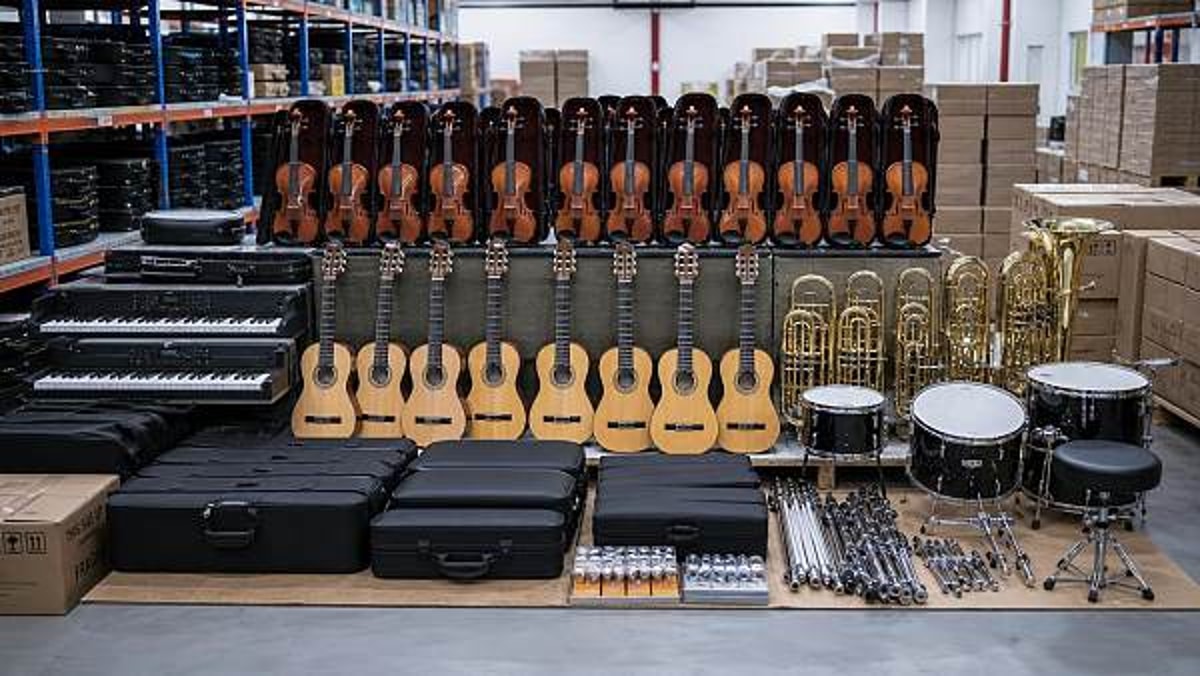
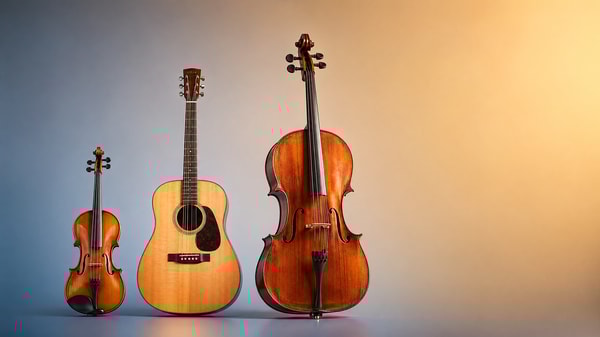
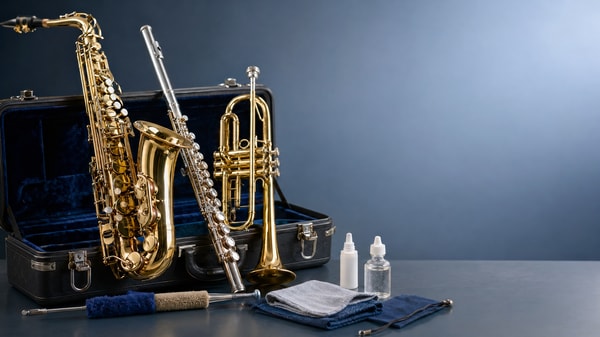
Not all product categories carry the same risk. String instruments often show variation in tuning stability, bridge setup, peg fitting, and finish quality. Woodwinds may have issues with pad sealing, key alignment, and spring consistency. Brass instruments can vary in soldering quality, valve action, and resistance to shipping damage.
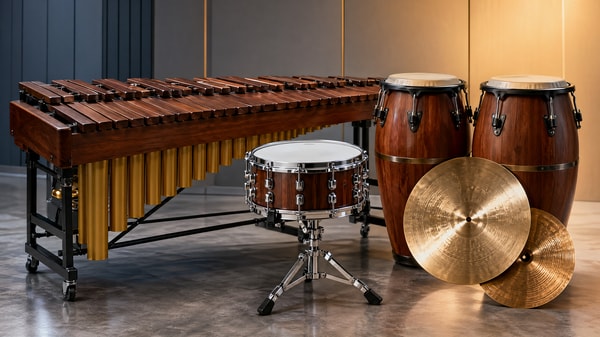
Percussion products may appear simpler, but schools often face problems with hardware strength, stand stability, drum head consistency, and weak casters on mobile units. Digital keyboards introduce another layer of risk, including uneven key response, low-quality internal speakers, adapter failure, and inconsistent firmware quality.
If the procurement plan covers multiple categories, buyers should avoid assuming one inspection method fits all. A supplier strong in school percussion may not have the same control over student violins or classroom keyboards. Category-specific quality checks are essential.
How to identify suppliers that can deliver consistent quality at scale
Reliable suppliers usually leave evidence. They can explain their production controls, show references in educational or institutional supply, provide stable model specifications, and support pre-shipment inspection. They do not rely only on attractive catalogs or generic claims about “high quality.”
Ask whether the supplier is a manufacturer, a sourcing company, or a hybrid trading partner. Each model can work, but transparency matters. A trading company with strong quality management may outperform a factory with weak process control. What matters is whether someone clearly owns the quality outcome from production to delivery.
Procurement teams should also examine repeatability. Ask how the supplier manages material changes, component substitutions, color variation, hardware sourcing, and packaging updates. A dependable partner will document these controls instead of improvising from order to order.
Another useful indicator is sample discipline. If the approved sample cannot be matched consistently in later batches, the sourcing relationship will become difficult. Buyers should request confirmation that bulk production will follow an approved golden sample with traceable specifications.
What to verify in samples before placing a bulk order
Samples should be evaluated as functional procurement tools, not just as visual references. Procurement teams should involve music instructors, technical evaluators, and if relevant, maintenance staff. A product that looks acceptable in the office may fail quickly in actual educational use.
Check first-play usability. Can a beginner produce a stable sound without excessive difficulty? Are tuning and setup reasonable out of the box? Do moving parts feel secure? Does the instrument include the accessories needed for immediate classroom deployment, such as cases, bows, mouthpieces, sticks, straps, or power adapters?
Then check build consistency across more than one sample where possible. A single “best” sample may not represent the production batch. Even requesting three to five evaluation units can reveal variation in assembly, finish, and tuning behavior that one piece would hide.
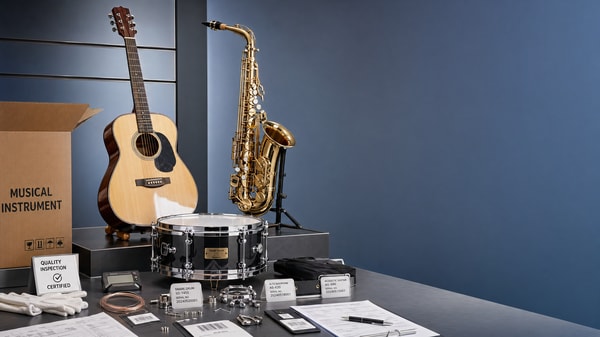
Finally, record the evaluation results in a structured format. Notes, measurements, photos, and approval comments should become part of the purchase file. This protects the buyer later if the delivered goods differ from the approved standard.
Quality control steps that reduce risk before shipment
The best time to prevent uneven quality is before the goods leave the factory. Once instruments are shipped internationally, correction costs rise sharply. For that reason, wholesale musical instruments for schools should include a staged quality control process whenever order value or program importance justifies it.
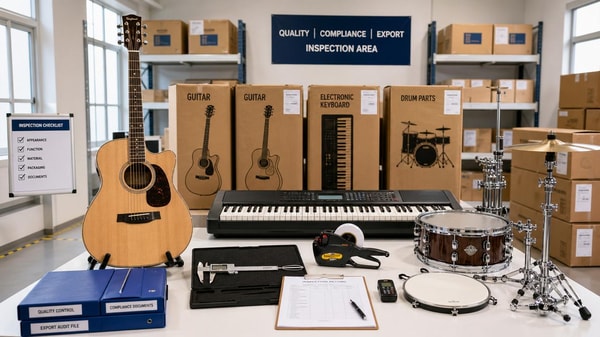
A practical framework includes pre-production review, in-line inspection, and final random inspection. Pre-production review confirms materials, dimensions, accessories, packaging, and labeling. In-line inspection catches problems early, especially in assembly-heavy categories such as strings, brass, and percussion hardware. Final inspection verifies that the finished batch matches the approved specification.
Inspection criteria should cover both appearance and function. That means testing tuning stability, mechanical action, finish defects, alignment, accessory completeness, carton labeling, and package durability. If instruments are intended for younger students, safety checks for sharp edges, loose parts, and hazardous materials are especially important.
Buyers should also decide in advance what happens if the batch fails inspection. Rework rights, replacement timelines, and shipment hold authority should be documented in the purchase terms rather than negotiated under pressure at the last minute.
How to compare quotations without being misled by low prices
Low quotes often conceal differences that matter later. One supplier may include upgraded cases, setup adjustment, stronger cartons, spare accessories, and inspection support, while another quotes only the bare instrument. On paper, the cheaper option wins. In practice, it may generate more breakage, faster wear, and higher service costs.
To compare fairly, build a landed-value matrix instead of a simple unit-price table. Include product specification level, included accessories, packaging standard, defect allowance, warranty support, lead time, inspection cooperation, spare parts availability, and expected replacement cycle.
It is also important to ask whether the quote reflects stable sourcing inputs. If raw materials or components are likely to change after order confirmation, the initial price may not represent the final delivered standard. In school procurement, predictability is often more valuable than a small apparent saving.
Contract terms that protect schools from inconsistent supply
Many quality disputes arise because expectations were discussed but not contractually fixed. A well-drafted purchase agreement should reference the approved sample, the written specification, inspection standards, packaging requirements, lead time commitments, and remedies for non-conformance.
Include language on batch consistency, substitution restrictions, and approval requirements for material changes. If the supplier wants flexibility to alter components, that flexibility should be controlled and documented. Otherwise, later shipments may drift away from the original approved standard.
For larger institutional orders, warranty terms should be practical rather than symbolic. A one-year warranty is useful only if the supplier can actually provide parts, credits, replacements, or local service support in a timely way. Clarify who bears freight costs for claims and what evidence is needed to process them.
Why after-sales support matters as much as initial quality
Even good school instruments require maintenance, replacement accessories, and occasional troubleshooting. Procurement teams should therefore assess support availability before awarding business. If replacement strings, reeds, drum heads, mouthpieces, power supplies, or small repair parts are difficult to obtain, the true lifecycle cost rises.
Ask whether the supplier can support replenishment orders in smaller quantities, not just full container loads. Schools often need phased restocking, top-up purchases, or selective replacements between major buying cycles. A supplier that only performs well on large initial orders may not be the best long-term partner.
Strong after-sales support also improves internal stakeholder confidence. Music teachers, administrators, and finance teams are more likely to support future procurement decisions when early issues are handled quickly and transparently.
A practical sourcing checklist for wholesale musical instruments for schools
Procurement teams can simplify decision-making by using a structured checklist. Define the educational use case first, then group requirements by product category. Specify quality baselines, accessory needs, packaging standards, compliance expectations, and acceptable defect thresholds before RFQ release.
Next, qualify suppliers through sample review, documentation review, and production capability assessment. Compare quotations on total delivered value, not headline price. Confirm inspection stages, claim procedures, and after-sales support before purchase order issuance.
After delivery, record defect patterns, teacher feedback, repair frequency, and replenishment responsiveness. This post-purchase data becomes one of the most valuable tools for future supplier selection and contract negotiation. Over time, it helps institutions move from reactive buying to controlled sourcing.
Conclusion: quality consistency is a procurement process, not a lucky outcome
Buying wholesale musical instruments for schools without uneven quality is achievable, but it rarely happens by chance. It depends on clear specifications, realistic category knowledge, disciplined sample approval, structured inspections, and supplier agreements that protect the institution beyond the invoice stage.
For procurement professionals, the strongest strategy is to treat school instruments as long-term operational assets. When sourcing decisions are based on consistency, support, and total lifecycle value, schools can control budgets more effectively while giving students reliable tools for learning. In the end, the right supplier does more than deliver instruments. They help build a stable, scalable music program with fewer surprises and better educational outcomes.
Search News
Hot Articles
Popular Tags
Need ExpertConsultation?
Connect with our specialized leisureengineering team for procurementstrategies.
Recommended News
 May 06, 2026Recorders flutes bulk: tuning consistency is often the real issueRecorders flutes bulk buyers should look beyond price: tuning consistency drives classroom performance, fewer returns, and stronger supplier trust. Learn what to verify before sourcing.● Pro Audio Engineer
 May 06, 2026Wholesale musical instruments for schools without uneven qualityWholesale musical instruments for schools with consistent quality: learn how to compare suppliers, verify standards, cut replacement costs, and buy durable classroom-ready instruments with confidence.● Pro Audio Engineer
 May 01, 2026China Table Tennis Team Departs for London; BS EN 14904:2021 Takes EffectBS EN 14904:2021 takes effect 1 May 2026 — vital for exporters, manufacturers & UK importers of commercial table tennis tables. Act now to avoid port detentions.● Pro Audio Engineer
 May 01, 2026London Table Tennis World Championships: RoHS 3 Compliance Urgent for EU-Bound Ping Pong EquipmentRoHS 3 compliance is urgent for EU-bound ping pong equipment ahead of the 2026 London Table Tennis World Championships — act now to avoid delays, rejections & costly retesting.● Pro Audio Engineer
 Apr 30, 2026How to vet a musical instruments exporter before first ordersmusical instruments exporter vetting guide: learn how to assess quality control, compliance, lead times, and supplier reliability before first orders.● Pro Audio Engineer
 Apr 30, 2026Instrument cables that reduce noise without overspendingInstrument cables that cut noise without inflating costs. Discover how buyers can choose durable, low-noise options for hospitality, schools, events, and commercial venues.● Pro Audio Engineer
 Apr 30, 2026Music accessories people replace too often and whyMusic accessories are often replaced too soon. Learn which items truly wear out, how to spot real failure signs, and how smarter buying can cut costs and improve reliability.● Pro Audio Engineer
 Apr 30, 2026Music production tools that actually speed up a home studioMusic production tools that truly speed up a home studio: compare workflow-saving gear, avoid costly mistakes, and build a faster, smarter setup with confidence.● Pro Audio Engineer
 Apr 29, 2026String Instruments Compared: What Really Affects Tone and DurabilityString instruments compared for tone and durability: learn how materials, construction, hardware, and setup affect long-term performance for schools, venues, rentals, and sourcing teams.● Pro Audio Engineer
 Apr 29, 2026Wind Instruments Maintenance Tips That Prevent Costly RepairsWind instruments maintenance tips that help teams prevent leaks, corrosion, and pad failure. Learn practical care steps to reduce repair costs and keep instruments performance-ready.● Pro Audio Engineer
 Apr 29, 2026Percussion Instruments Buying Guide: Sound, Build, and ValuePercussion instruments buying guide for schools, venues, and studios—compare sound, build quality, durability, and total value to source smarter and avoid costly mistakes.● Pro Audio Engineer
 Apr 29, 2026How to Find Reliable Musical Instruments WholesaleMusical instruments wholesale made safer: learn how to vet a musical instruments manufacturer, compare suppliers, and source reliable musical instruments for schools and bands with confidence.● Pro Audio Engineer
 Apr 29, 2026Musical Instruments for Schools on BudgetMusical instruments for schools on a budget: compare musical instruments for bands, wholesale options, and how to choose a reliable musical instruments manufacturer for lasting value.● Pro Audio Engineer
 Apr 29, 2026OEM or ODM Musical Instruments ManufacturerFind the right musical instruments manufacturer for bands, schools, and wholesale buyers. Compare OEM vs ODM options, customization, quality control, and sourcing strategies.● Pro Audio Engineer
 Apr 29, 2026Which Musical Instruments Fit Small BandsMusical instruments for bands: explore smart lineups for schools, venues, and buyers comparing musical instruments wholesale and a trusted musical instruments manufacturer.● Pro Audio Engineer
 Apr 29, 2026Musical Instruments Wholesale Buying GuideMusical instruments wholesale guide for bands, schools, and distributors: compare musical instruments manufacturers, MOQ, quality, compliance, and sourcing strategies for smarter bulk buying.● Pro Audio Engineer
 Apr 29, 2026How to Source Musical Instruments for SchoolsMusical instruments for schools: learn how to compare musical instruments wholesale options, choose a trusted musical instruments manufacturer, and source durable musical instruments for bands with confidence.● Pro Audio Engineer
 Apr 29, 2026How to Choose a Musical Instruments ManufacturerFind the right musical instruments manufacturer for bands, schools, and wholesale buyers. Compare quality, OEM/ODM options, compliance, and lead times to source with confidence.● Pro Audio Engineer
 Apr 29, 2026How to Choose Musical Instruments for BandsMusical instruments for bands guide: compare musical instruments manufacturer options, wholesale terms, and musical instruments for schools to source durable, high-value solutions.● Pro Audio Engineer
 Apr 26, 2026Musical instruments manufacturer compliance: EU RoHS vs. US CPSIA documentation gapsMusical instruments manufacturer? Close EU RoHS vs. US CPSIA documentation gaps—critical for bands, schools & trampoline park suppliers. Avoid disqualification.● Pro Audio Engineer
 Apr 26, 2026High-quality musical instruments: why serial number verification matters for resale valueHigh-quality musical instruments for bands and schools rely on serial number verification to protect resale value, authenticity, and compliance—trusted by top suppliers worldwide.● Pro Audio Engineer
 Apr 26, 2026Musical instruments supplier lead times: why 8-week delivery now means ‘in stock’Musical instruments supplier lead times hit 8 weeks—now meaning 'in stock.' Compare trampoline park supplier, indoor playground manufacturer & more for assured readiness.● Pro Audio Engineer
 Apr 26, 2026Musical instruments for schools: what happens when warranty service requires shipping overseasMusical instruments for schools & bands: Avoid costly overseas warranty shipping. Discover high-quality, service-backed instruments from trusted manufacturers and suppliers.● Pro Audio Engineer
 Apr 26, 2026Musical instruments manufacturer transparency: where are your components really made?Discover how top musical instruments manufacturer & trampoline park supplier ensure component transparency—boost safety, compliance, and ROI for bands, schools, and indoor playground installations.● Pro Audio Engineer